ByMax Lee
Guide to Car Wash Entry Tips
You've pulled up to the entrance, and suddenly your brain goes blank. Neutral or park? Fold the mirrors or leave them?
What about the antenna? These are the exact moments where a bad entry turns a quick wash into a scratched bumper or a snapped-off mirror. That's why having solid car wash entry tips in your back pocket matters more than you'd think.
Industry data from the International Carwash Association shows that improper entry accounts for roughly 40 percent of all on-site vehicle damage claims at automatic washes. Most of that damage is completely avoidable. As of 2026, the equipment hasn't changed much, but the common mistakes haven't either.
So let's walk through exactly what to do based on the type of wash you're about to enter.
Bing (Web (fair-use with source credit))
First Thing: The Type of Car Wash Changes Everything You Need to Do
The entry procedure for a conveyor tunnel is completely different from a roll-over gantry, and neither one matches a touchless wash. If you treat them all the same, you're asking for trouble.
Let's break them down quick:
- Conveyor tunnel wash, Your car gets pulled through on a moving track. You stop, shift to neutral, and let the machine take over.
- Roll-over (gantry) wash, You park in one spot, and the machine moves over you. You stay in park or neutral with the brake on.
- Touchless wash, No brushes touch your car, but entry alignment still matters for the sensors to read your vehicle correctly.
- Self-serve wand bay, You're in full control. No entry procedure beyond pulling in and closing your windows.
Each one demands a different set of actions. The rest of this guide walks you through each scenario step by step.
Before You Enter: A Quick 30-Second Checklist
Before you even think about lining up your tires, run through this checklist. It takes thirty seconds and saves you from the most common types of damage.
Before you even think about lining up your tires, run through this checklist. It takes thirty seconds and saves you from the most common types of damage.
Checking Your Vehicle Height and Width Clearance
Most automatic car washes have a posted height limit. It's usually around 6 feet 6 inches to 7 feet. If you drive a lifted truck, a van, or anything with a roof rack, check that number before you pull in.
Width is trickier. Guide rails are typically set to handle vehicles up to about 80 to 84 inches wide. Full-size trucks with tow mirrors that stick way out can get caught.
If your mirrors are wider than the opening, fold them manually or use the power fold button before you enter.
Removing or Securing Loose Parts (Antennas, Roof Racks, Wipers)
A fixed mast antenna will snap off inside a friction wash. Period. If it doesn't retract or unscrew easily, consider skipping that wash type entirely.
Roof racks and crossbars are another problem. They can loosen during the wash, and the force of the brushes can twist them hard enough to scratch your roof. If your crossbars are removable, take them off.
If they're permanent, double-check that they're tight.
Wiper blades matter less for damage and more for function, but a high-pressure touchless wash can flip them up. A quick tug to make sure they're seated flat on the glass takes two seconds.
Folding Mirrors and Closing Windows
Power mirrors that stick out past the guide rails are a damage magnet. Fold them in using the interior button or manually. If you have manual fold mirrors, just push them back until they click.
Windows need to be fully up. Not cracked. Not halfway.
A high-pressure rinse can force water through a small gap and soak your interior door panel or seat. It's an easy mistake that leads to a wet driver's seat and a lot of frustration.
Decision Branch 1: You're at a Conveyor Tunnel Wash
Bing (Web (fair-use with source credit))
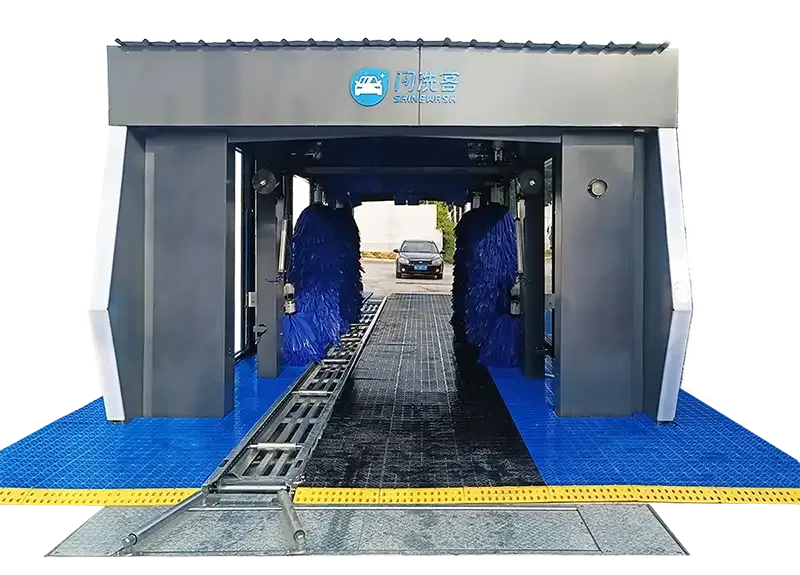
This is the most common automatic wash setup, and it's also where people mess up the most. The conveyor pulls your car through the tunnel, so your job is to get positioned correctly and then get out of the way.
Getting Your Front Tire on the Track Correctly
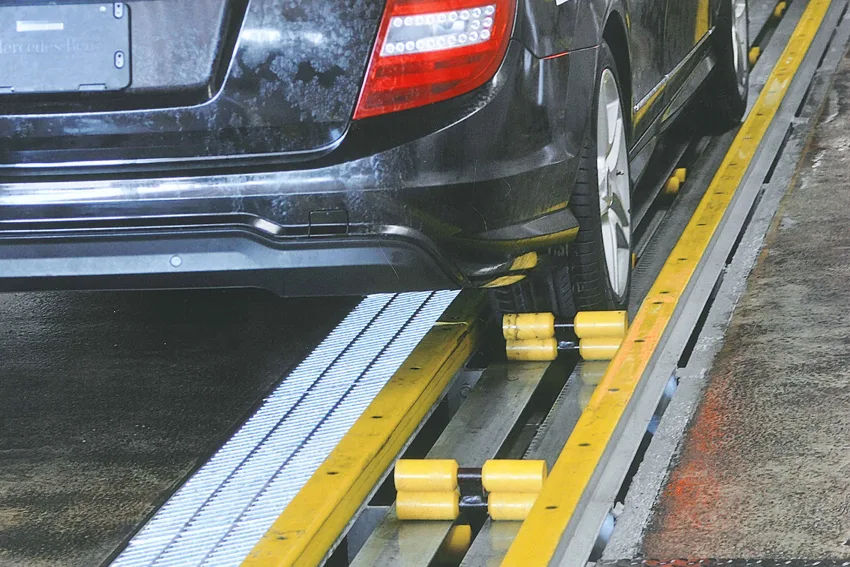
Pull forward slowly until the attendant or the guide light tells you to stop. Your front tire needs to be centered on the conveyor track. If you're off by more than a couple of inches, the track can pull your wheel at an awkward angle, or worse, your tire can slip off entirely.
Look for the guide rails on either side of the track. They're there to help you stay straight. If the wash has a signal light, wait for it to turn green before you do anything.
Red means stop. Green means proceed to the stop point.
Shifting to Neutral at the Right Moment
Once your front tire is on the track and the attendant signals you, shift your automatic transmission to neutral. Do not put it in park. Do not leave it in drive.
Neutral is the only gear that lets the conveyor move your car freely.
For manual transmissions, you'll typically turn the engine off while leaving the car in neutral. Some tunnel washes prefer the engine running. Check the posted instructions at the entrance.
When in doubt, ask the attendant.
Keeping Hands Off the Wheel and Feet Off the Pedals
Once you're in neutral and the car starts moving, take your hands off the steering wheel. Let it self-center. If you grip the wheel, you'll fight the natural alignment of the conveyor, and your car will drift sideways.
Keep your foot off the brake pedal too. Tapping the brake while the conveyor is pulling you can cause a sudden stop that throws off the entire wash cycle. Sit back, relax, and let the machine do its job.
What Happens If You Miss the Trigger Sensor
Some washes use a sensor treadle in the floor to detect when your car is in position. If you stop too far forward or too far back, the sensor won't trigger, and the wash cycle won't start.
If you pull in and nothing happens after ten seconds, check the signal light. If it's still red or not lit, you're probably positioned wrong. Wave down the attendant instead of trying to reposition yourself.
They'll guide you forward or back a few inches.
Decision Branch 2: You're at a Roll-Over / Gantry Wash
Bing (Web (fair-use with source credit))
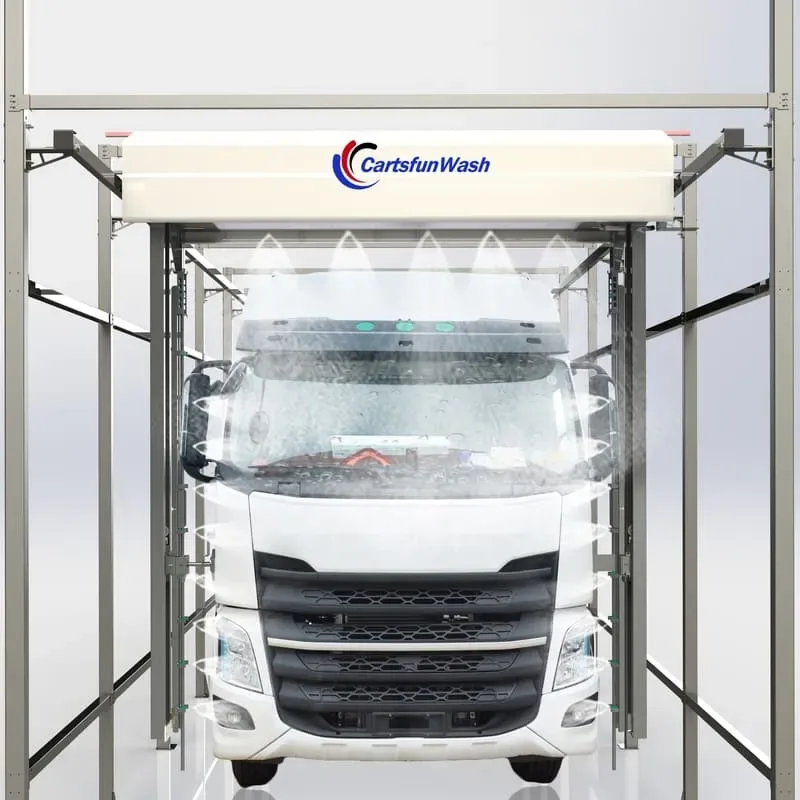
A roll-over wash works differently. You park in one spot, and the machine moves over your car on rails. The entry procedure is simpler but has its own traps.
Why You Stop, Put It in Park (or Neutral with Brake), and Stay Put
Unlike a conveyor wash, the roll-over machine needs your car to stay absolutely still. Shift into park for an automatic transmission. For a manual, shift to neutral and engage the parking brake.
The machine will move forward and backward over your car multiple times. If your car rolls even a few inches, you could end up misaligned, and the brushes could hit your side mirrors or bumpers at the wrong angle.
Positioning Your Vehicle Under the Machine
Most roll-over washes have a painted stop line on the floor or a sensor that tells you where to stop. Pull forward until your front bumper is just past the line, then stop. The machine needs enough clearance in front of and behind your car to complete its full pass.
If you pull too far forward, the rear of your car might not get fully cleaned. If you stop too short, the machine could hit your front bumper on its forward pass.
When to Engage and Release the Brake
After you stop and shift to park, keep your foot on the brake until you see the machine start moving. Some roll-over washes have a slight delay between when you stop and when the cycle begins. Once the machine starts its first pass, you can take your foot off the brake.
Stay in the driver's seat with your seatbelt on. If the machine gets stuck or something goes wrong, you can honk your horn to alert the attendant. Do not open your door or try to get out while the machine is moving.
Decision Branch 3: You're at a Touchless Wash
A touchless wash uses high-pressure water and detergent instead of brushes. The entry procedure is similar to a conveyor tunnel, but the risks are different.
The Same Rules Apply (But Fewer Physical Risks)
You still need to position your front tire on the track and shift to neutral. The same rules about hands off the wheel and feet off the pedals apply. The difference is that without brushes, you don't have to worry about roof racks, antennas, or mirrors getting caught.
That said, a high-pressure spray can still damage loose trim pieces or wobbly license plate brackets. Do a quick walk-around before you enter and make sure nothing is hanging loose.
Why Alignment Still Matters for Sensor Triggers
Touchless washes rely on sensors to map your car's shape and position the sprayers correctly. If you're misaligned, the sensors might not detect your vehicle properly, and you could end up with dry spots on one side or overspray on the other.
Center your car in the bay as precisely as you can. Most touchless washes have a center line marked on the floor. Use it.
Decision Branch 4: You're in a Self-Serve Wand Bay
A self-serve bay is the easiest entry by far, but people still manage to complicate it.
No Alignment Needed – But Watch Your Spray Angle
Pull into the bay and stop with your car roughly centered. You don't need to worry about tracks, sensors, or neutral. Just put the car in park and turn off the engine if the instructions say so.
What you do need to watch is your spray angle. The high-pressure wand can throw dirt and grit into your door seals or force water under your hood if you spray directly at the seams. Start with the wheels and undercarriage, then work your way up.
Common Entry Mistakes That Cause Real Damage
Wikimedia Commons / CZmarlin, Christopher Ziemnowicz, releases all rights but a photo credit would be appreciated if this image is used anywhere other than Wikipedia. Please leave a note at Wikipedia here. Thank you! (CC BY-SA)
Let's talk about the mistakes that actually cost money.
Low-Profile Tires Slipping Off the Track
Low-profile tires have a narrower contact patch, which means they don't grip the conveyor track as well. If your tire slips off, the wheel rim can scrape against the metal track edge, leaving ugly curb rash.
If you have low-profile tires, enter the tunnel as straight as possible and hold the wheel steady until you're sure the track has grabbed. Some washes have a wider track that handles low-profile tires better. Use that lane if available.
Forgetting to Fold Power Mirrors
Power mirrors that stick out past the guide rails are a guaranteed scrape waiting to happen. The brushes hit them, twist them backward, and can break the internal mechanism or snap the mirror glass.
The fix is simple. Fold them before you enter. Make it part of your pre-wash checklist.
Driving Forward Before the Cycle Starts
This one happens when you're nervous or impatient. You shift to neutral, the conveyor starts pulling you, and your instinct says to tap the gas to help it along. Don't.
The conveyor is calibrated to pull at a specific speed. Adding gas can cause your front tire to climb over the track stop, and suddenly your car lurches forward off the track. Let the machine do the work.
What to Do If You Mess Up the Entry
Even with the best tips, things go wrong sometimes. Here's how to handle the most common entry failures.
You Missed the Track and Can't Move
If your front tire ends up off the track and you can't get it back, do not try to gun the engine and force it. Put the car in park, turn on your hazard lights, and wait for the attendant. They have tools and techniques to get you back on track without damage.
The Signal Light Never Turned Green
If you pull into position and the light stays red for more than fifteen seconds, you're probably not triggering the sensor. Try pulling forward an inch or two. If that doesn't work, pull back slightly.
Still nothing? Get the attendant's attention.
Your Vehicle Is Too Big for the Bay
This happens more often than you'd think, especially with lifted trucks, vans with ladder racks, or cars with oversized aftermarket brush guards. If you pull in and the clearance signs are tight, don't risk it. Back out and find a wash that's built for larger vehicles, or use a self-serve bay.
Do You Actually Need an Automatic Wash? When to Skip It
Automatic washes are convenient, but they're not the right choice for every situation.
- Your car has a fresh ceramic coating, Some automatic washes use harsh detergents that can degrade ceramic coatings faster than hand washing. Stick to a touchless wash or hand wash with a ceramic-safe soap.
- Your paint has clear coat failure or deep scratches, The brushes in a friction wash can peel up failing clear coat and make damage worse. Touchless or hand wash only.
- It's below freezing, If the temperature is below 32°F, the water can freeze on your car before you get out of the bay. That's a recipe for frozen door seals and locks.
- Your car is absolutely caked in mud or snow, A quick trip to a self-serve bay to rinse off the heavy stuff first will protect both your car and the wash's equipment.
A Quick Decision Guide for Next Time
Next time you pull up to a car wash, run through this mental checklist.
| If you're at a… | Do this… | Don't do this… |
|---|---|---|
| Conveyor tunnel | Shift to neutral, hands off wheel, feet off pedals | Shift to park, or drive, or touch the brake |
| Roll-over gantry | Shift to park, stay seated, let machine pass | Try to reposition once parked |
| Touchless wash | Center car, shift to neutral, check sensors | Ignore alignment because "there are no brushes" |
| Self-serve bay | Park, turn off engine, watch spray angle | Spray directly at door seals or hood gaps |
And before you even approach the entrance, get in the habit of your thirty-second checklist. Fold mirrors. Retract antenna.
Remove roof rack if possible. Close windows all the way. Check clearance signs.
That simple routine eliminates ninety percent of entry errors.