ByMax Lee
Car Wash Mistakes You Might Be Making
Bing (Web (fair-use with source credit))
Some people do not know how to use a car wash, and it shows in the swirl marks, missed spots, and wasted money at the bay. A surprising number of drivers pull in without prepping their car or understanding how the equipment works, leading to damage or a half-finished job.
The average automatic car wash uses 40 to 60 gallons of water per cycle, per EPA water efficiency guidelines. That’s a lot to waste if you’re not doing it right.
Quick Answer
Some people do not know how to use a car wash. Pre-rinse loose dirt first. Choose the right wash type for your paint.
Follow the bay’s instructions step by step. Dry thoroughly to avoid water spots.
Why So Many People Get Car Washes Wrong
Most mistakes start before the wash even begins. Drivers skip prepping their car, assuming the machine or bay will handle everything. That’s how you end up with mud ground into the paint or soap residue left behind.
Then there’s the confusion over wash types. Touchless systems use high-pressure jets, while soft-cloth and brush washes physically scrub the surface. Pick the wrong one for your car’s finish, and you risk scratches or a lackluster clean.
Manufacturer specs for luxury or matte-painted vehicles often warn against abrasive brushes entirely.
The 3 Main Types of Car Washes and Which One Fits Your Car
Not all car washes work the same, and your car’s finish dictates the best choice. Here’s how they break down:
- Automatic (Tunnel) Wash: Drive-thru system with conveyors and rotating brushes or cloth strips. Best for quick, consistent cleaning but may not be ideal for delicate paint.
- Self-Service Bay: You control the pressure washer and foam brush. Gives you full control but requires more effort and know-how.
- Touchless Wash: Uses high-pressure water jets and chemicals only. Safest for paint but may struggle with heavy dirt.
If your car has a ceramic coating or matte finish, always check the manufacturer’s guidelines. Many recommend touchless or hand washing to preserve the coating.
Automatic Car Wash: How It Works and When to Use It
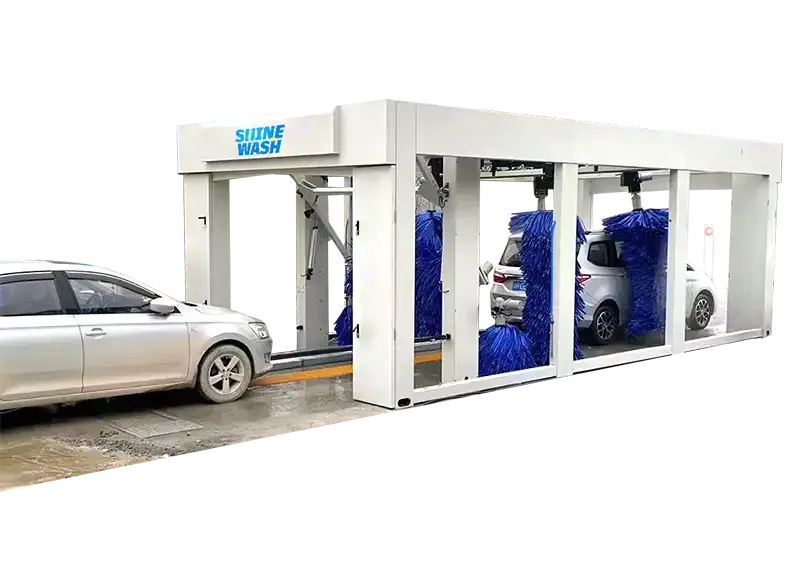
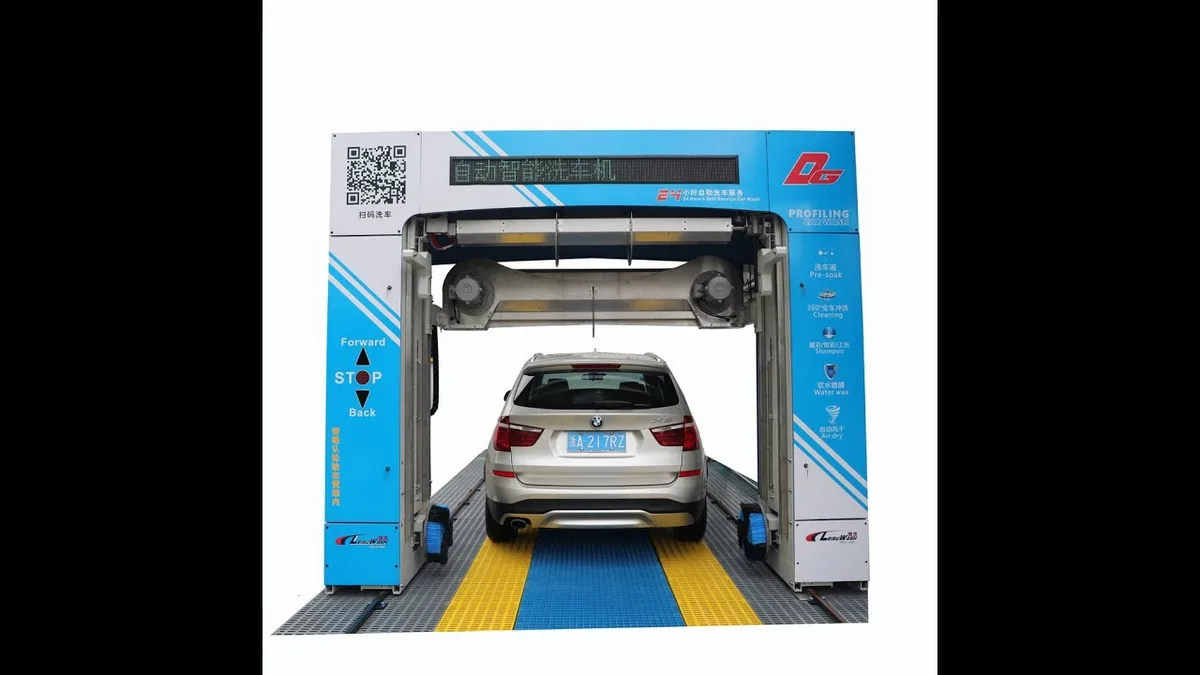
Automatic car washes move your vehicle through a tunnel on a conveyor belt. The system applies pre-soak, soap, rinse, and sometimes wax in sequence. Brushes or soft cloth strips scrub the exterior while nozzles target wheels and undercarriages.
Bing (Web (fair-use with source credit))
Touchless versions skip the physical contact, relying on high-pressure water and detergents. These are safer for paint but may not remove caked-on dirt as effectively. Soft-cloth systems use gentle fabric strips to minimize scratching, while traditional brush washes are more aggressive but risk swirl marks.
Use an automatic wash when you need speed and convenience. It’s ideal for regular maintenance washes, especially in winter when road salt buildup is a concern.
Self-Service Car Wash: Step-by-Step for First-Timers
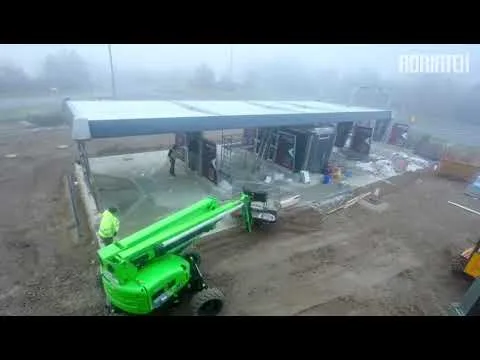
Self-service bays put you in control, but that means knowing the steps. Start by removing loose debris like leaves or trash from the exterior. Then, use the pre-soak function to loosen dirt before applying soap.
Bing (Web (fair-use with source credit))
Work from the top down, rinsing each section before the soap dries. Pay special attention to wheels and wheel wells, where grime builds up fastest. Most bays offer a spot-free rinse option, use it to prevent water spots.
Here’s a quick workflow:
- Pre-rinse with high pressure to remove loose dirt
- Apply soap and let it dwell for 30, 60 seconds
- Scrub with the foam brush (if available) or pressure nozzle
- Rinse thoroughly, top to bottom
- Use the spot-free rinse if offered
- Dry with a microfiber towel or the bay’s air blowers
Avoid using the same brush on wheels and paint. Wheel cleaner chemicals can damage your car’s finish if transferred.
Hand Wash vs. Machine Wash: Which Is Better for Your Paint?
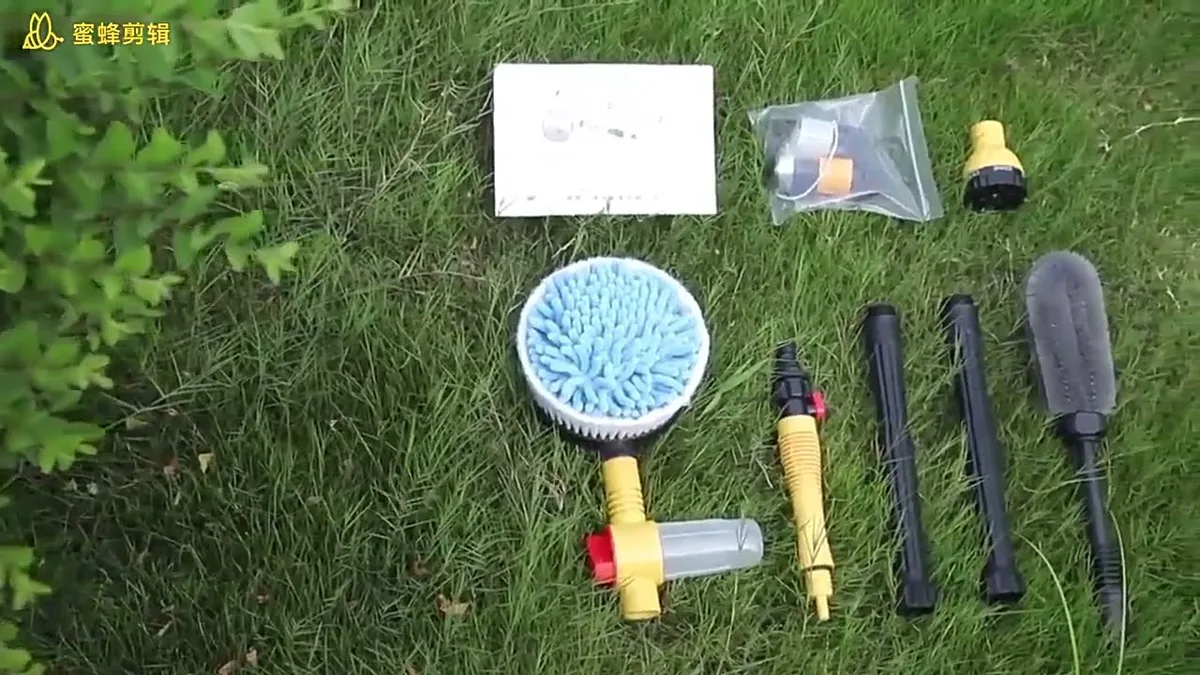
A hand wash gives you the most control and the gentlest clean for delicate finishes. It’s the safest option for cars with ceramic coatings, matte paint, or custom wraps. But it takes time and effort, and you need the right tools.
Bing (Web (fair-use with source credit))
Machine washes are faster and more convenient. Touchless systems are the safest for paint, while soft-cloth and brush washes can clean deeper but risk scratches. If your car has heavy dirt or mud, a machine wash with pre-soak and high-pressure jets may be more effective.
For most daily drivers, a well-maintained automatic wash with soft cloth or touchless options is a practical balance. But for show cars or high-end finishes, hand washing is the gold standard.
The 7 Most Common Car Wash Mistakes (And How to Avoid Them)
Using the Wrong Soap
Household dish soap strips wax and damages paint. Always use a pH-balanced car wash soap. These are formulated to clean without harming protective coatings.
Skipping the Pre-Rinse
Dirt and grime can scratch your paint if you start scrubbing right away. A thorough pre-rinse removes loose debris and makes the wash more effective.
Not Cleaning the Wheels First
Wheel cleaner can be harsh. If you clean the body first, you risk transferring wheel cleaner residue to the paint. Always tackle wheels and tires before moving to the rest of the car.
Letting Soap Dry on the Surface
Soap left to dry creates spots and streaks. Rinse each section immediately after washing to avoid this.
Using a Dirty Brush or Sponge
A brush or sponge loaded with grit will scratch your paint. Rinse it frequently during the wash.
Ignoring the Undercarriage
Salt and grime build up underneath your car, especially in winter. Use the undercarriage spray if your wash offers it.
Skipping the Drying Step
Water spots form when water evaporates on its own. Use a microfiber towel or air blower to dry your car completely.
How Often Should You Really Wash Your Car?
Washing every two weeks is the sweet spot for most drivers. This keeps dirt and contaminants from building up and damaging your paint. In harsh winter climates, wash weekly to remove road salt.
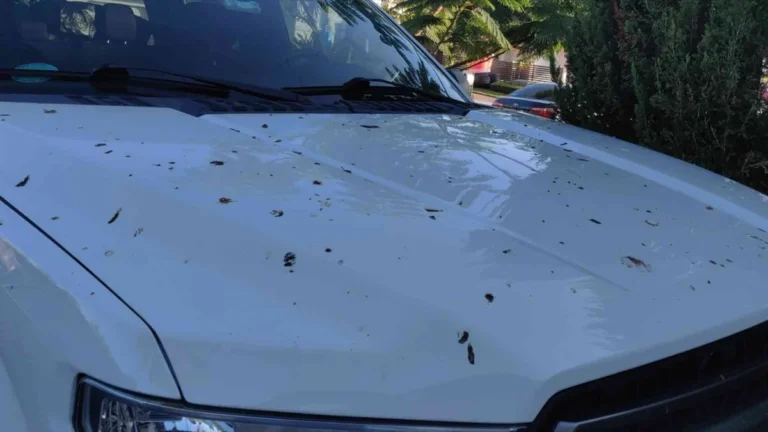
If your car sits outside, it’ll need more frequent washes. Tree sap, bird droppings, and pollen can etch paint if left too long. For garage-kept cars in mild climates, you can stretch it to once a month.
Special Cases: Ceramic Coatings, Matte Paint, and Luxury Cars
Ceramic coatings add a protective layer to your paint but aren’t invincible. They still need regular washing to maintain their hydrophobic properties. Use pH-neutral soaps and avoid abrasive brushes to preserve the coating.
Matte paint requires special care. Never use wax or polish, as these can create glossy spots. Stick to touchless or hand washing with matte-specific products.
Luxury cars often have delicate finishes or custom paint jobs. Always check the manufacturer’s guidelines. Many recommend hand washing or touchless systems to avoid swirl marks.
Winter Car Wash Tips: Salt, Grime, and Undercarriage Care
Winter is the toughest season for your car’s finish. Road salt and de-icing chemicals accelerate rust and corrosion. Wash your car weekly to remove these contaminants.
Pay extra attention to the undercarriage. Salt collects here and can cause serious damage over time. Use the undercarriage spray at the car wash or a pressure washer at home.
Dry your car thoroughly after washing. Cold temperatures can cause water to freeze, leaving behind mineral deposits. A microfiber towel or air blower prevents this.
Cost Breakdown: What You’re Paying For at Each Type of Car Wash
Basic automatic washes start around $8 to $12. These typically include a pre-soak, soap application, rinse, and basic dry. Expect to pay $15 to $25 for premium packages that add wax, wheel cleaning, or undercarriage sprays.
Self-service bays usually cost $5 to $10 for 10 to 15 minutes of time. You control the water pressure and soap application, but you’re also on the clock. Touchless washes fall in the middle, around $10 to $20, depending on add-ons.
Mobile detailing services charge $50 to $150 or more. This covers hand washing, interior cleaning, and sometimes waxing. It’s the most expensive option but offers the deepest clean.
Pro Tips to Get the Best Clean Every Time
Start with a pre-wash inspection. Remove loose items like antennas or detachable roof racks. These can get caught in brushes or damaged by high-pressure jets.
Use the right settings. In self-service bays, start with a wide spray to rinse, then switch to a narrower jet for stubborn grime. For automatic washes, select the undercarriage option in winter.
Time your wash. Early mornings or weekdays are less crowded. You’ll get more time in self-service bays and avoid rushing through the process.
Frequently Asked Questions
Can I take my car through a car wash with a ceramic coating?
Yes, but stick to touchless or soft-cloth systems. Abrasive brushes can wear down the coating over time. Always use pH-neutral soaps to preserve the hydrophobic properties.
How often should I wash my car in winter?
Aim for weekly washes to remove road salt and de-icing chemicals. These accelerate rust and corrosion if left on your car’s undercarriage and paint.
Is it bad to wash my car in direct sunlight?
Yes. Water and soap dry too quickly, leaving spots and streaks. Wash in the shade or on cloudy days for the best results.
Can I use dish soap to wash my car?
No. Dish soap is too harsh and strips wax and sealants. Use a dedicated car wash soap with a neutral pH.
Do automatic car washes damage paint?
They can if the brushes are dirty or worn. Touchless systems are safer for paint. Soft-cloth washes are a middle ground but still carry some risk.
Should I dry my car after a wash?
Always. Letting water air-dry leaves mineral deposits and spots. Use a microfiber towel or air blower for a streak-free finish.