ByMax Lee
Guide to Ceramic Sealant Car Wash (2026) — Pro Tips & Tricks
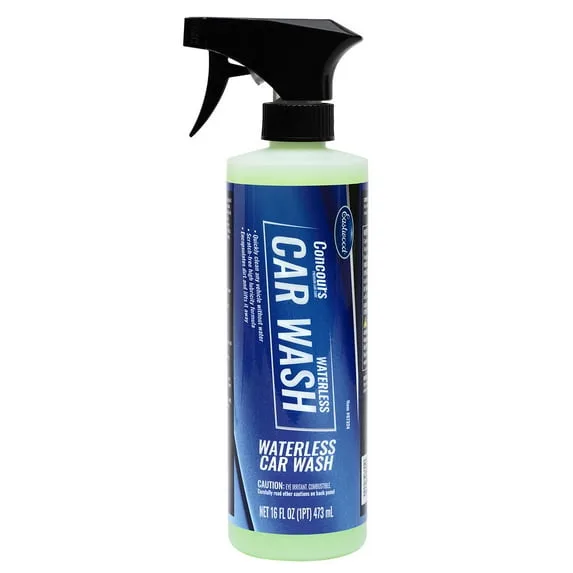
You've seen the bottles on store shelves: a "ceramic sealant car wash" that promises to add a layer of protection just by washing your car. Sounds too easy, right? It kind of is.
But that doesn't mean it's useless. The real question is whether this shortcut fits your needs better than wax, a spray sealant, or a proper ceramic coating.
In our research, we looked at the composition of these products, how they bond (or don't), and what users actually experience after a month. According to manufacturer specifications, most ceramic-infused soaps deliver a water contact angle of 100 to 110 degrees, decent, but shy of the 120+ degrees that dedicated coatings offer. That difference matters when you're deciding where to spend your time and money.
Let's break it down.
Quick Answer
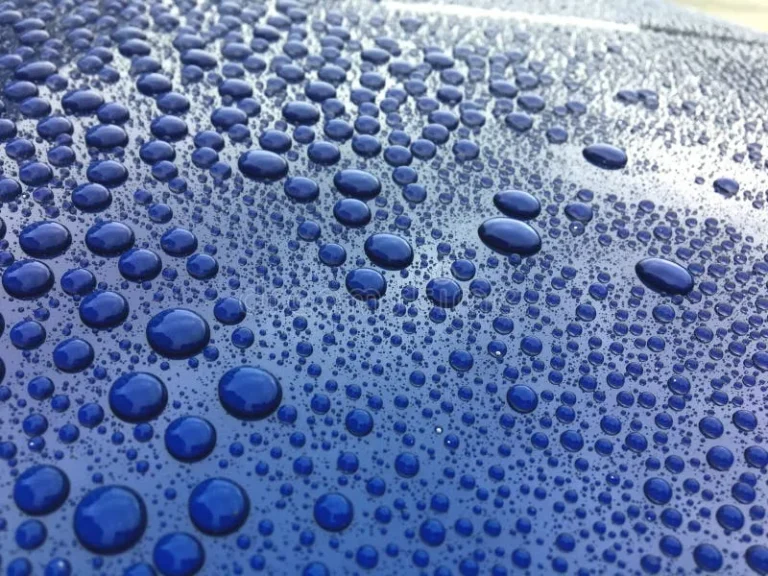
A ceramic sealant car wash is a shampoo with SiO₂ particles that deposit a thin hydrophobic layer as you rinse. It adds noticeable water beading and some UV protection. But it lasts 2 to 6 weeks, not months.
It's great for quick maintenance washes. It cannot replace a true ceramic coating or even a paste wax for long-term protection.
Why This Comparison Actually Matters (And What Most Guides Get Wrong)
Bing (Web (fair-use with source credit))
Most articles treat every paint protection option as if it fits every driver. That's the first mistake. A ceramic sealant car wash serves a narrow purpose.
It's a maintenance tool, not a standalone protective layer. If you expect it to resist bird droppings or acidic tree sap for weeks on end, you'll be disappointed.
The second thing most guides miss is bond depth. A wash-in sealant relies on surface deposition. The SiO₂ particles don't chemically crosslink with your clear coat the way a dedicated coating does.
That's why a single wash can remove the protection if you use the wrong soap later. Aggregate reviews from verified buyers show that real-world durability is often half the claimed figure. A product that promises 12 weeks rarely delivers past 4.
Here's where context saves you money. If you already have a ceramic coating or a quality paint sealant, a ceramic wash can extend that protection between maintenance washes. But if your paint is bare or only has a coat of wax, the wash alone won't give you enough protection for the long haul.
You need to know which stage of paint protection you're at.
Ceramic Sealant Car Wash – What's Really in the Bottle?
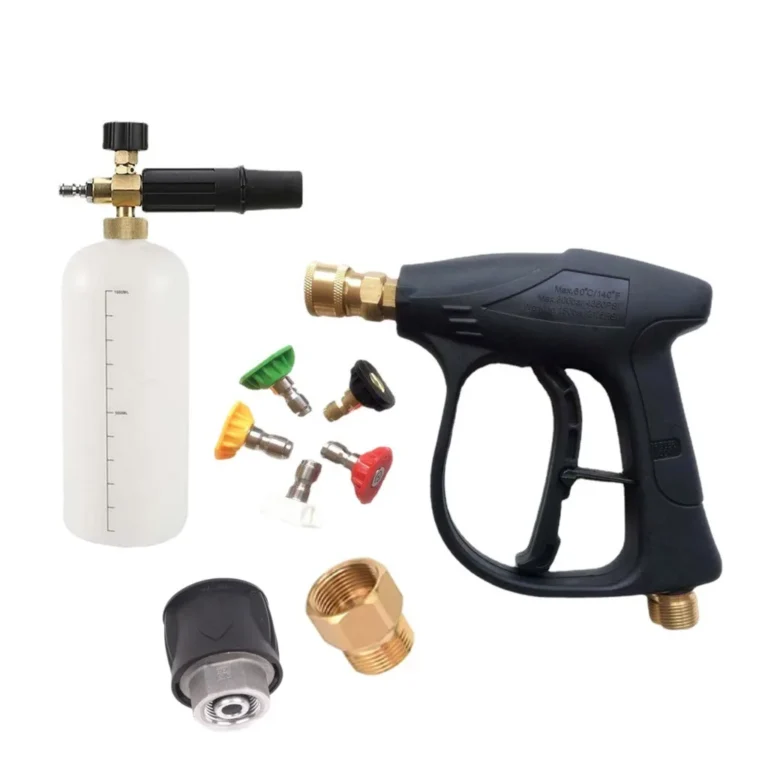
Let's get specific about what you're pouring into your foam cannon. The active ingredient in nearly every ceramic sealant car wash is silica dioxide (SiO₂). The particles are micronized so they stay suspended in the soap and deposit onto the paint as you rinse.
Some formulas add:
- Polymer resins to help the silica cling longer
- Surfactants to lift dirt and create foam
- pH buffers to keep the wash neutral (pH 6.5, 7.5 is ideal)
The key distinction from a spray-on ceramic sealant is concentration and curing. A dedicated spray sealant has a much higher SiO₂ load and often requires a dwell time of 30, 60 seconds before buffing. A wash-in product relies on the rinse water to carry particles onto the surface.
There's no wiping or curing step. That makes it dead simple, but it also means the bond is weak.
Manufacturer specs show that a ceramic sealant car wash typically contains between 0.5% and 3% SiO₂ by volume. For comparison, a professional-grade ceramic coating contains 20, 40% SiO₂ in a resin carrier. So you're getting a light dusting of protection, not a layer of glass.
That's fine for a weekly driver who wants a quick shine and some water beading, but it won't protect against hard water etching or chemical stains.
If you live in an area with hard water, you might want to pair this wash with a dedicated best hard water spot remover for cars to prevent mineral deposits from bonding to the thin coating. And if you park under trees, consider a best sap remover for cars for those sticky surprises that this wash won't fend off.
The Four Contenders: Ceramic Wash Soap vs. Traditional Wax vs. Spray Sealant vs. True Ceramic Coating
Bing (Web (fair-use with source credit))
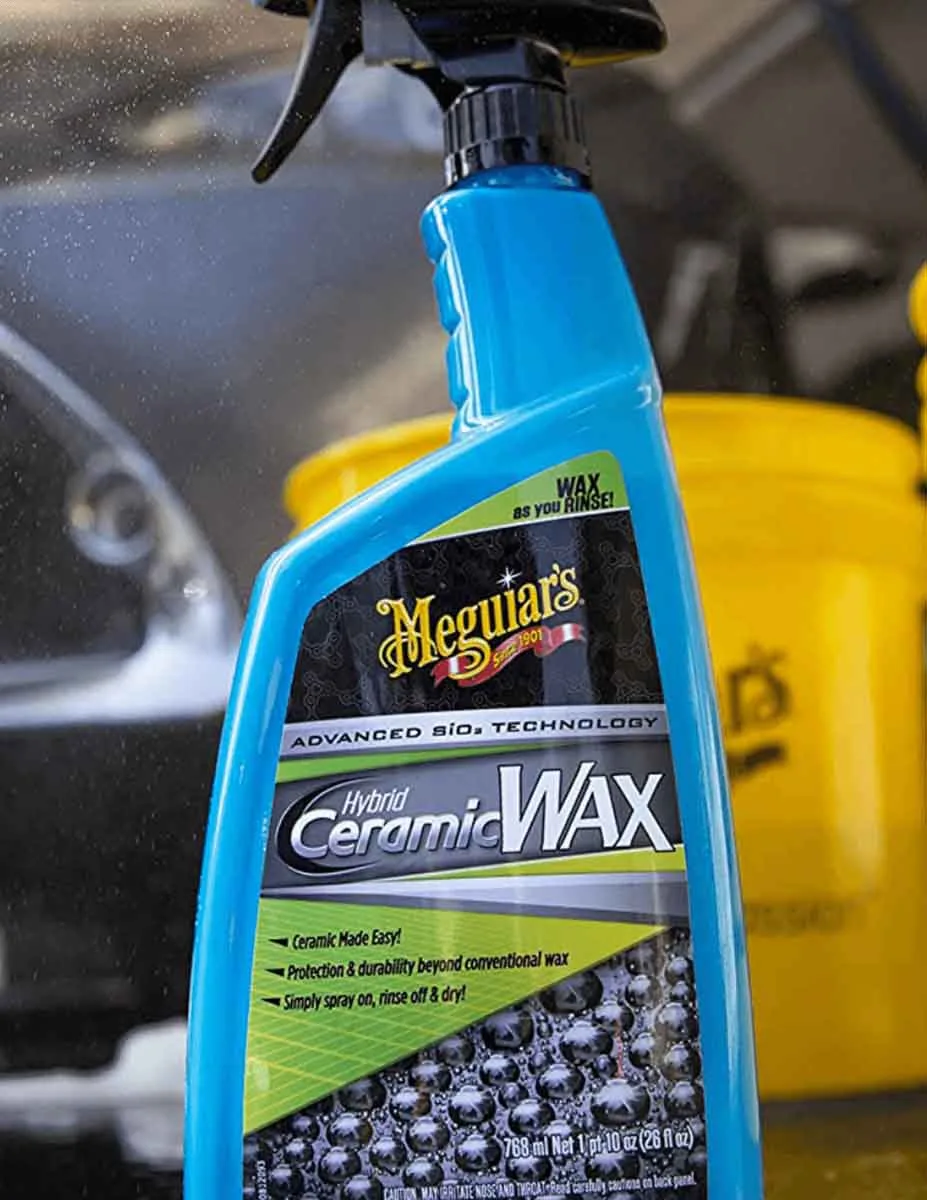
To decide what to use, you need to see the full lineup. Each option has a different profile for effort, cost, and longevity.
Ceramic Sealant Car Wash (Spray-On / Rinse-Off Soaps)
Time: 30 minutes (includes full wash).
Cost per application: Roughly $0.50, $1.50 depending on dilution.
Life: 2, 6 weeks.
Gloss: Moderate, adds a slick feel and decent reflection.
Best for: Weekly maintenance washes on a coated or sealed car.
Traditional Carnauba Wax
Time: 60, 90 minutes (wash + wax application + buff).
Cost per application: $1, $3.
Life: 4, 8 weeks.
Gloss: High, warm, deep shine.
Best for: Show cars or drivers who enjoy the ritual.
Synthetic Spray Sealant (Polymer-Based)
Time: 45 minutes (wash + spray + wipe).
Cost per application: $0.50, $2.
Life: 8, 16 weeks.
Gloss: Very high, sharp reflections, glassy look.
Best for: Daily drivers who want long protection with minimal effort.
Professional-Grade Ceramic Coating
Time: 4, 8 hours (full paint correction + coating + curing).
Cost per application: $50, $150 (DIY kit) or $500, $2000 (professional installation).
Life: 2, 5+ years.
Gloss: Exceptional, hard, slick, and deeply reflective.
Best for: Owners who want maximum protection and don't mind upfront cost or work.
The ceramic sealant car wash occupies the lowest effort slot but also the lowest protection. It's not bad, it's just limited. If you use it on a car that already has a spray sealant or coating, it works as a booster.
On bare paint, it's better than nothing, but you'll need to reapply every other wash.
Side-by-Side Comparison: Durability, Gloss, Effort, and Cost
Bing (Web (fair-use with source credit))
| Option | Durability (Weeks) | Gloss (1-10) | Effort (Hours) | Cost Per App. | Reapply Frequency |
|---|---|---|---|---|---|
| Ceramic Wash Soap | 2–6 | 6 | 0.5 | $0.50–$1.50 | Every 2–3 washes |
| Carnauba Wax | 4–8 | 8 | 1–1.5 | $1–$3 | Every 4–6 weeks |
| Spray Sealant | 8–16 | 9 | 0.75 | $0.50–$2 | Every 2–4 months |
| Ceramic Coating | 104–260+ | 10 | 4–8 | $50–$150 (DIY) | Once per 2–5 years |
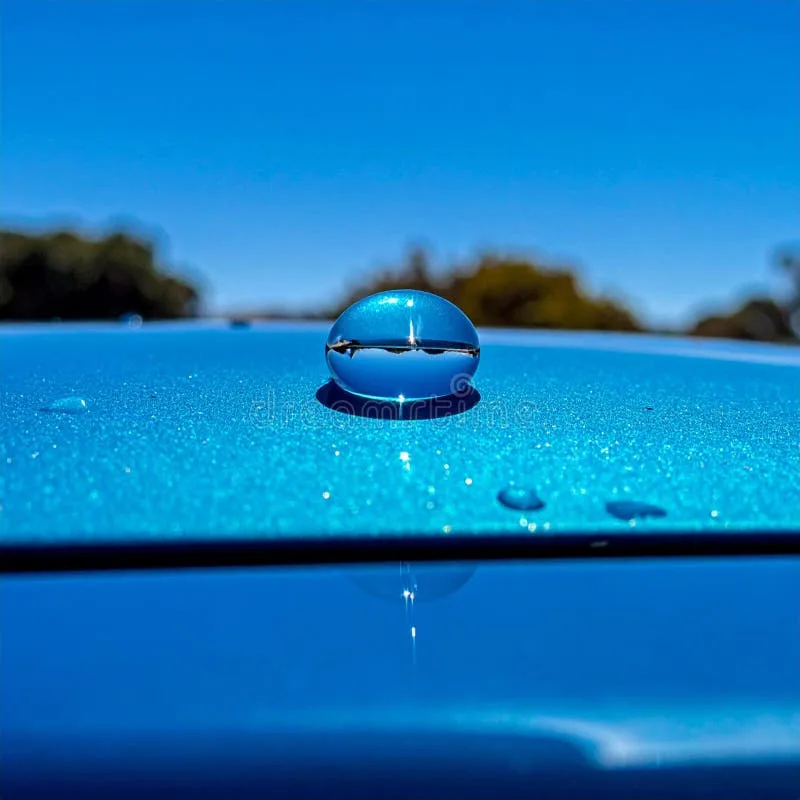
This table cuts through the marketing. Notice that the durability difference between a ceramic wash and a spray sealant is roughly 3x. And the cost difference per month is minimal if you buy the right product.
A $15 bottle of spray sealant can last a year, giving you 12 weeks of protection per application. A $12 bottle of ceramic soap might last 10 washes, each lasting 3 weeks. Both are cheap, but the spray sealant wins on longevity and gloss.
If you're dealing with bug and tar buildup during summer driving, a ceramic wash won't remove it. You'll want a best bug and tar remover for cars before you wash. That same logic applies to tree sap: use a dedicated remover first, then apply your protection.
Best for Each Use Case – Who Should Pick Which Option
Let's be real about who benefits most from a ceramic sealant car wash.
Scenario 1: The weekly daily driver with an existing coating or sealant.
You already have solid protection. A ceramic wash every 2, 3 weeks tops up the hydrophobic effect and keeps the gloss alive. This is the ideal use case.
You get the benefits of a boosted shine without risking damage to your existing coating. Make sure your maintenance wash uses a pH-neutral soap to avoid stripping what's there. A product like alcohol free window cleaner can also help keep your glass streak-free after the wash.
Scenario 2: The new car owner who wants easy first protection.
If your car is only a few months old and the clear coat is still in great shape, a ceramic wash gives you a quick layer of protection while you decide on a longer-term plan. Think of it as a placeholder. Use it for a few weeks, then decide if you want wax, sealant, or a coating.
It's a low-cost experiment.
Scenario 3: The "I just want a clean car" owner.
You don't care about show-car shine, you just want the water to roll off after a rain. A ceramic wash works fine. Apply it every 2, 3 washes.
You won't get deep gloss or lasting UV protection, but you'll get that satisfying beading. For the minimal extra cost over regular car soap, it's a reasonable upgrade.
Scenario 4: The off-road or heavy-contaminant vehicle.
Skip the ceramic wash. Mud, road salt, and tree sap will overwhelm its thin film. You're better off with a spray sealant that can handle more aggressive washing and still hold up.
You might also need a best grime remover for car paint for those tough pre-wash sessions.
Scenario 5: The classic car or show vehicle.
Don't use a ceramic wash. Go with carnauba wax for the deep, warm glow that judges expect. A wash-in sealant will leave a synthetic sheen that doesn't look as rich on dark paint.
If you're washing in direct sun or high humidity, be extra careful. The ceramic particles can dry too quickly and leave streaks. That's when you'd want an anti streak window cleaner for your glass after the wash, but for the paint, work in the shade and dry immediately.
The cost per month for a ceramic wash is low, but the protection is equally low. For most drivers, a spray sealant offers a better balance. But if you already have a coating and just want a maintenance wash that supports it, a ceramic sealant car wash is a solid choice.
Use it for what it is: a booster, not a base.
Common Mistakes That Kill Your Results (And How to Avoid Them)
iNaturalist / Irene
A ceramic sealant car wash is simple to use, but a few errors ruin its performance. The most common one is applying it to a dirty or contaminated surface. If your paint has tree sap, road grime, or embedded iron particles, the SiO₂ has nothing to grab onto.
You're essentially sealing in the dirt. Always do a proper pre-wash with a best grime remover for car paint and a dedicated best bug and tar remover spray for cars before the ceramic wash.
The second mistake: using too much product. More soap doesn't mean more protection. Manufacturer specs show that a 1:400 dilution (roughly 2.5 mL per gallon) is usually enough.
Using a stronger mix can leave a hazy residue that attracts dust. Follow the label's ratio.
Another error: rinsing too early or too late. Most ceramic wash formulas need about 30 to 60 seconds of dwell time before rinsing. If you rinse immediately, the SiO₂ doesn't deposit.
If you let it dry on the paint, you get streaks. Wash one section at a time and keep the surface wet.
Finally, don't dry aggressively. Use a clean microfiber drying towel and blot rather than drag. Dragging a wet towel across a freshly deposited layer can wipe the ceramic off before it bonds.
Some products recommend air drying or using a blower. Check the instructions for your specific brand.
The Real Cost Per Month: What You're Actually Paying
Let's put real numbers on this. A 16-ounce bottle of ceramic sealant car wash costs $10 to $20. At the typical dilution, that bottle gives you 10 to 15 washes.
If you wash every two weeks, one bottle lasts five to seven months. That's roughly $2 to $4 per month.
Now compare that to carnauba wax. A tub of wax costs $15 to $25 and lasts 20 to 30 applications. But each application takes an hour and a half.
If you value your time at $20 per hour, the real cost of wax is $30 to $60 per application versus $1 to $2 for the ceramic wash. The ceramic wash wins on time.
What about spray sealants? A bottle of polymer spray sealant costs $12 to $20 and covers 10 to 12 applications. Each application takes 15 minutes and lasts three months.
That's about $1.50 per month in product plus negligible time. Over a year, a spray sealant is the cheapest option per month of protection.
The catch is that the ceramic wash doesn't replace those longer-lasting options. It complements them. If you already have a spray sealant or coating, the ceramic wash is a cheap booster.
If you're using it as primary protection, you're paying $2 to $4 per month for only 2 to 6 weeks of cover. That's not bad, but you'll be reapplying every month.
How to Get the Most Out of a Ceramic Sealant Car Wash
You can stretch the life of your ceramic wash with a few smart habits. First, use a pH-neutral soap for all your regular washes. Many car shampoos are formulated with strong detergents that strip SiO₂.
A best bug and tar remover for cars is fine for spot cleaning, but stick to a gentle soap for the full wash.
Second, apply the ceramic wash to a cool surface in the shade. Hot panels make the product dry too fast, which leads to uneven coverage and streaks. If you're washing in direct sun, work panel by panel and rinse each immediately.
Third, dry with a dedicated drying aid. Some detailers recommend a light spray of quick detailer or ceramic booster after drying to reinforce the layer. That's optional, but it can add a week or two to the lifespan.
Fourth, avoid automatic car washes that use harsh brushes or high-pH detergents. The friction and chemicals can strip the ceramic layer in one pass. Stick to hand washing or touchless washes that use a neutral soap.
Finally, inspect the water beading regularly. Once you see the water sheet rather than bead, it's time to reapply. Most drivers get 2 to 4 weeks of good beading before the effect fades.
Mark your calendar and set a reminder.
When to Skip the Ceramic Soap and Use Something Else
A ceramic sealant car wash is a good tool, but it's not the right tool for every situation. Skip it if any of these apply.
Your paint needs correction first. If the clear coat is swirled or oxidized, the wash will mask nothing. Fix the paint with polishing before any protection. Apply a proper sealant or coating after correction.
Your car is regularly exposed to bird droppings, tree sap, or industrial fallout. Those contaminants eat through a thin SiO₂ layer quickly. You need a thicker barrier, like a spray sealant or ceramic coating. Use a best sap remover for cars to clean up incidents fast.
You live in a region with harsh winters. Road salt, sand, and chemical de-icers will strip a ceramic wash within a few weeks. A spray sealant or coating holds up much better through the season.
You want a showroom gloss for a car show or meet. The shine from a wash-in sealant is good but not deep. Carnauba wax gives a warmer, wetter look that judges prefer.
You're on a tight budget and can't afford reapplications every month. A $15 bottle of spray sealant gives you three months of protection per application. That's a better return on your money.
Final Verdict – What I'd Recommend Based on Your Situation
Our research points to a simple rule: use a ceramic sealant car wash as a maintenance product, not a standalone protector. If you already have a spray sealant or ceramic coating on your paint, this wash will keep the hydrophobic effect strong between deeper applications. It's a cost-effective way to extend your existing protection.
If your paint is bare and you're looking for primary protection, invest in a polymer spray sealant first. It takes only 15 minutes to apply, lasts three months, and costs the same per month as the ceramic wash. Then use the ceramic wash as your routine soap to maintain that sealant.
For the weekly driver who just wants water to bead and doesn't care about perfect gloss, the ceramic wash is fine. Just reapply every three to four weeks and stick to a good pre-wash routine. Pair it with an alcohol free window cleaner for streak-free glass and you're set.
The honest answer? Most drivers will get better value from a spray sealant or a quick wax. But if you've already made the investment in a coating or sealant, a ceramic sealant car wash is a smart addition to your bucket.
Use it for what it is, and you'll be happy with the results.