ByMax Lee
Guide to Class M1, M2, and M3 Motorcycle Endorsements (2026)
You're standing at the DMV counter. The clerk asks which endorsement you need. And suddenly you realize you have no idea what the difference is between an M1, M2, and M3.
It's a common spot to be in. Class M1, M2, and M3 Motorcycle Endorsements aren't something most people think about until they're staring at that application form.
Here's the thing: picking wrong means you can't legally ride the bike you just bought. Or worse, you get pulled over and cited for operating without the correct endorsement. Alaska divides motorcycle endorsements into three distinct classes based on your vehicle's wheels and engine size.
As of 2026, the rules are clear, but they aren't always intuitive. Let me walk you through each one so you walk out of the DMV with the right endorsement the first time.
Bing (Web (fair-use with source credit))
Quick Answer
Alaska offers three motorcycle endorsements. M1 covers two-wheel motorcycles of any engine size. M2 covers three-wheel motorcycles only.
M3 covers motor-driven cycles under 50cc. Your choice depends entirely on what you ride. If you already have a standard Alaska driver's license, you can operate an M3 vehicle without any additional endorsement.
For anything else, you need the specific endorsement that matches your vehicle.
The Problem: Riding Without the Right Endorsement
Most people figure a motorcycle license is a motorcycle license. You pass a test, get a stamp, and you're good on anything with two wheels. Alaska doesn't work that way.
The state breaks endorsements into three separate categories, and each one locks you into a specific type of vehicle.
The real problem shows up when you buy a different bike later. Maybe you start on a trike because it feels safer on Alaska's gravel roads. You get your M2 endorsement.
Then you decide you want a standard motorcycle for longer highway trips. You can't legally ride it. You have to go back to the DMV, take another test, and pay again.
Alaska State Troopers know the endorsement rules. If you're riding a two-wheel motorcycle with an M2 endorsement, that's a class B misdemeanor. The fine isn't cheap, and the citation stays on your record.
For something that takes an afternoon to sort out at the DMV, it's not worth the risk.
The confusion hits new riders hardest. You might not know which class your vehicle falls into. Is a 49cc scooter a motorcycle?
Does a three-wheel Can-Am Spyder count as a motorcycle or something else? These aren't dumb questions. Alaska's classifications follow specific definitions under Alaska Statute 28.15.111, and they don't always match what common sense would tell you.
Core Explanation: What Each Alaska Endorsement Covers
Bing (Web (fair-use with source credit))
Alaska Statute 28.15.111 lays out the legal framework. The DMV enforces it. But the law uses technical language that isn't always easy to parse.
Let me break it down in plain terms.
M1: Two-Wheel Motorcycles and More
The M1 is the most common endorsement. It covers any two-wheel motorcycle, regardless of engine size. That means a 50cc moped needs an M1.
A 1,200cc Harley needs an M1. A sport bike, a cruiser, a dual-sport, a dirt bike you plan to ride on the road, all M1.
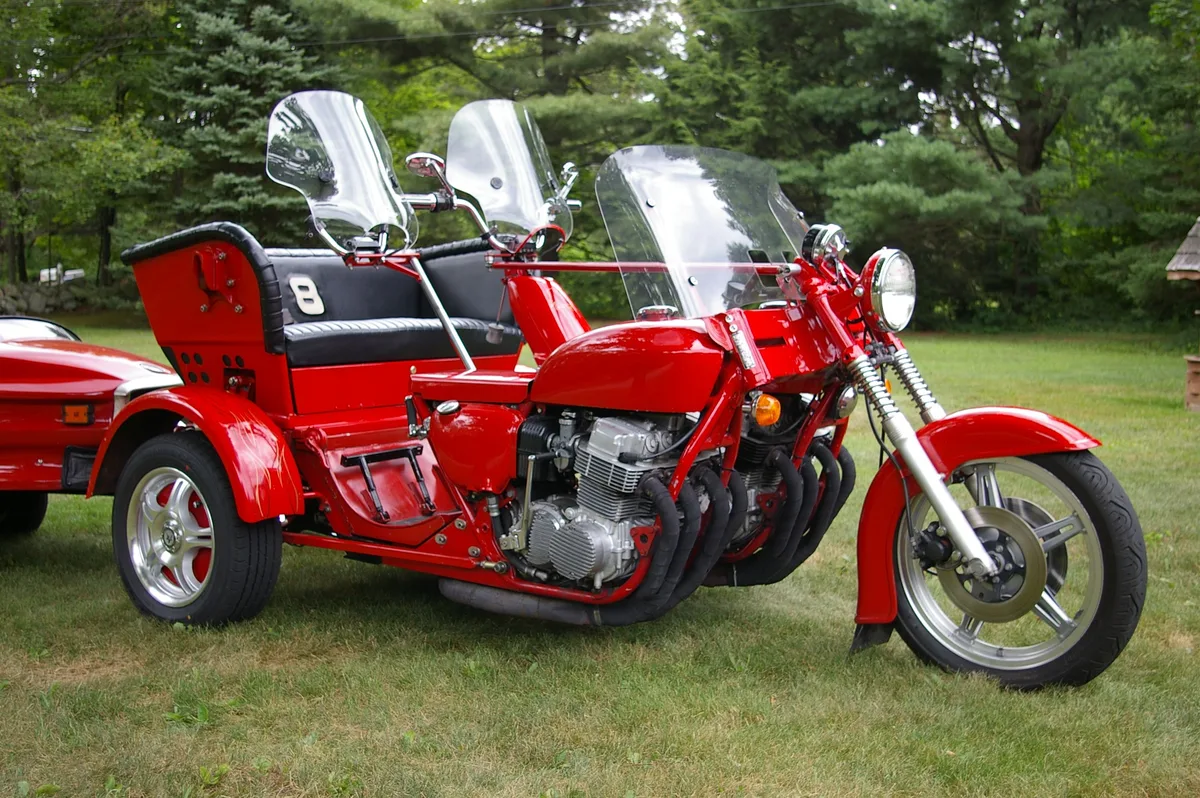
But here's the detail most people miss. An M1 endorsement also allows you to operate a three-wheel motorcycle. If you have an M1, you can legally ride a trike or a Can-Am Spyder.
The M2 endorsement isn't the only path to three wheels. So if you already have an M1, you don't need to add anything to ride a trike.
The M1 requires a written knowledge test and a skills test. You can waive the skills test by completing a Motorcycle Safety Foundation (MSF) course. That's worth doing for the training alone, but it also saves you the stress of testing at the DMV.
M2: Three-Wheel Motorcycles Only
The M2 endorsement exists specifically for three-wheel motorcycles. This covers trikes, conversion trikes, and three-wheeled vehicles like the Can-Am Spyder or Polaris Slingshot. It does not cover two-wheel motorcycles.
Period.
Who is the M2 for? Riders who only plan to ride three-wheeled vehicles. Maybe you have a physical limitation that makes balancing a two-wheeler difficult.
Maybe you just prefer the stability of three wheels on Alaska's unpredictable roads. The M2 gives you that option without requiring you to learn skills you won't use.
The testing process for an M2 is similar to the M1. You need a written test and a skills test. The skills test is adapted for three-wheeled vehicles.
An MSF three-wheel training course can waive the skills test if you prefer.
M3: Motor-Driven Cycles Under 50cc
The M3 is the lightest endorsement. It covers motor-driven cycles, mopeds, scooters, and small motorcycles with engines under 50cc. These vehicles typically top out around 30 mph.
They work well for short trips around Anchorage or Juneau, but they aren't highway-capable.
Here's the catch that surprises most people. If you already have a valid Alaska driver's license (Class D), you don't need an M3 endorsement. Your standard license covers motor-driven cycles.
The M3 is only for people who don't have a regular driver's license but want to operate a moped or scooter legally.
The minimum age for an M3 is 14. That makes it a popular choice for teenagers who need basic transportation but aren't old enough for a full driver's license. The testing requirement is also lighter, just a written knowledge test, no skills test.
Step-by-Step Process: How to Choose Your Endorsement in 3 Decisions
Work through these three questions in order. Each one narrows your options until only the right endorsement remains.
Decision 1: Count the Wheels
Walk out to your vehicle and count the wheels.
- Two wheels, You need an M1 endorsement. This covers every two-wheel motorcycle on the road. No exceptions for engine size, style, or brand.
- Three wheels, You have a choice. An M2 endorsement covers three-wheel motorcycles specifically. But an M1 endorsement also covers three-wheel motorcycles. If you think you might ever ride a two-wheeler, get the M1. If you're certain you'll only ever ride three wheels, the M2 works.
- Three wheels with a sidecar, A motorcycle with a sidecar attached is still considered a two-wheel motorcycle for endorsement purposes. You need an M1, not an M2. Alaska classifies sidecar rigs based on the motorcycle's original configuration.
Decision 2: Check the Engine Size
Once you know the wheel count, look at the engine displacement.
- Over 50cc, You need M1 or M2 depending on wheel count. The 50cc threshold is the dividing line between a motor-driven cycle and a full motorcycle.
- Under 50cc, You have two paths. If you already have a standard Alaska driver's license, you don't need any endorsement. Your Class D covers it. If you don't have a driver's license, you need an M3 endorsement.
Decision 3: Consider Future Plans
This is the question most people skip. It's the one that causes the most headaches later.
- Will you ever ride a two-wheel motorcycle? Even if you're starting on a trike, if there's any chance you'll switch to two wheels later, get the M1 now. It saves you an entire trip to the DMV and another set of test fees.
- Will you ever upgrade from a moped to a motorcycle? If you're 14 and getting an M3 for a scooter, but you know you'll want a real motorcycle at 16, wait for the M1. You'll save the cost and time of getting the M3 endorsement first.
- Are you moving to Alaska from another state? If you have a motorcycle endorsement from your previous state, Alaska honors it. You just need to transfer it when you get your Alaska driver's license. No retesting required as long as your current license is valid.
Comparison: M1 vs. M2 vs. M3 vs. Standard Class D License
Here's a quick reference to see how each option stacks up side by side.
| Endorsement | Vehicles Covered | Two-Wheel OK? | Three-Wheel OK? | Under 50cc OK? | Skills Test Required? | Minimum Age |
|---|---|---|---|---|---|---|
| M1 | Two-wheel motorcycles (any size), three-wheel motorcycles | Yes | Yes | Yes | Yes (waived with MSF course) | 16 |
| M2 | Three-wheel motorcycles only | No | Yes | Yes | Yes (waived with MSF three-wheel course) | 16 |
| M3 | Motor-driven cycles (under 50cc) | Yes (under 50cc) | Yes (under 50cc) | Yes | No | 14 |
| Class D (standard license) | Motor-driven cycles (under 50cc) | Yes (under 50cc) | Yes (under 50cc) | Yes | Already completed | 16 |
The table makes one thing clear: the M1 is the most versatile option. It covers everything from a 49cc scooter to a 1,200cc touring bike to a three-wheel trike. If you're not sure what you'll ride in the future, the M1 is the safest bet.
The M2 makes sense only if you are certain you will never ride a two-wheel motorcycle. It matches the needs of riders who prefer three wheels for stability or comfort.
The M3 is essentially a learner's permit for motor-driven cycles. It exists so 14-year-olds can legally ride mopeds. For anyone with a standard driver's license, it's unnecessary.
Your standard Class D license already covers M3 vehicles. That's worth repeating because it's the most overlooked detail in Alaska's endorsement system. If you're an adult with a regular driver's license and you buy a 49cc scooter, you don't need any additional endorsement.
Your current license is sufficient.
Use Cases: Who Each Endorsement Is Best For
M1 Is Best For
- Commuters who ride a motorcycle to work in Anchorage, Wasilla, or Fairbanks
- Recreational riders who hit the Seward Highway or Denali Highway on weekends
- Anyone who might buy a different bike later, the M1 future-proofs your license
- Riders with a sidecar rig, you need M1, not M2
M2 Is Best For
- Trike riders who prefer three wheels for stability on gravel or uneven roads
- Riders with balance issues who can't safely operate a two-wheel motorcycle
- Can-Am Spyder or Polaris Slingshot owners who know they'll never switch to two wheels
M3 Is Best For
- Teenagers aged 14-15 who need basic transportation before they're old enough for a driver's license
- Adults without a standard driver's license who want to ride a moped or scooter legally
- Short-distance riders in urban areas like downtown Juneau or Anchorage
Standard Class D Is Best For
- Anyone who already has an Alaska driver's license and only wants to ride a moped or scooter under 50cc
- No additional endorsement needed. No extra fees. No extra testing.
Mistakes to Avoid: Common Endorsement Errors in Alaska
Assuming M2 Covers Two-Wheel Motorcycles
This is the most expensive mistake. An M2 endorsement does not allow you to operate a two-wheel motorcycle. Period.
Riders who buy a trike first, get the M2, then later add a two-wheel bike to their garage are in for a rude surprise. You'll need to take the M1 test from scratch.
Buying a 49cc Scooter and Thinking You Need an M3
If you already have a standard Alaska driver's license, you don't. Your Class D covers motor-driven cycles under 50cc. Save yourself the trip to the DMV and the endorsement fee.
Skipping the MSF Course
The Motorcycle Safety Foundation course costs money upfront, but it saves you the DMV skills test. More importantly, it teaches you how to handle real-world hazards. Alaska roads come with gravel, frost heaves, and wildlife.
The MSF course covers all of it.
Not Transferring an Out-of-State Endorsement
If you moved to Alaska with a valid motorcycle endorsement from another state, you don't need to retest. You just need to transfer it when you get your Alaska driver's license. Make sure your current license hasn't expired.
If it has, you'll need to start over.
Costs and Data: Fees, Age Requirements, and Test Pathways
Bing (Web (fair-use with source credit))
Fees
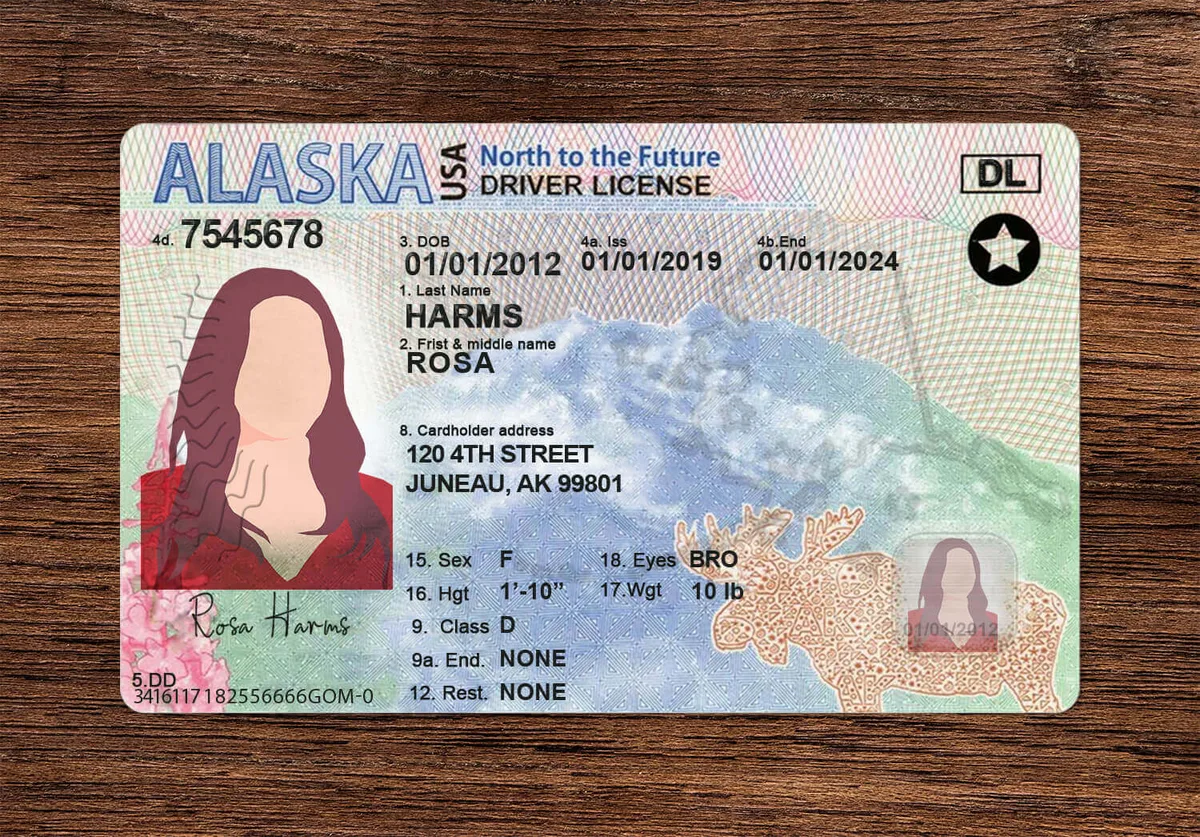
Alaska doesn't charge a separate fee for adding a motorcycle endorsement to your driver's license. The endorsement is included in your standard license renewal fee. As of 2026, a standard Alaska driver's license costs $20 per year.
A five-year license runs $100. The endorsement adds nothing to that.
The MSF course costs between $200 and $400 depending on the provider. That's a one-time cost. It replaces the DMV skills test fee, which is included in your license application.
Age Requirements
| Endorsement | Minimum Age |
|---|---|
| M1 | 16 |
| M2 | 16 |
| M3 | 14 |
| Class D (standard license) | 16 |
Test Pathways
| Endorsement | Written Test | Skills Test | MSF Waiver Available |
|---|---|---|---|
| M1 | Yes | Yes | Yes |
| M2 | Yes | Yes | Yes (three-wheel course) |
| M3 | Yes | No | Not needed |
Where to Take the Test
Alaska DMV offices in Anchorage, Fairbanks, and Juneau offer motorcycle skills testing. Some smaller offices may not have the space or staff. Call ahead to confirm.
The DMV cancels skills tests during snow or ice, so plan your test ride for warmer months between May and September.
Expert Tips: Pro Advice for Alaska Riders
Take the MSF Course Even If You Have Experience
Even experienced riders pick up new techniques in the MSF course. The course covers emergency braking, cornering, and hazard avoidance. Alaska's roads have unique challenges, gravel shoulders, frost heaves, and moose crossings.
The MSF course addresses all of them.
Plan Your Test for Late Spring or Early Summer
Alaska's riding season is short. The DMV cancels skills tests when roads are wet or icy. Schedule your test for May or June.
You'll have better weather and more daylight.
Check Your Vehicle Classification Before You Buy
Before you buy a motorcycle, scooter, or trike, know which endorsement it requires. Ask the seller for the vehicle's classification. Check the engine size.
Count the wheels. Make sure your endorsement matches before you hand over your money.
Keep Your License Valid
If your Alaska driver's license expires, your motorcycle endorsement expires with it. You'll need to retake the written test and skills test to get it back. Set a reminder for your renewal date.
Safety and Legal Compliance: Alaska Laws You Can't Ignore
Helmet Requirements
Alaska does not require all riders to wear a helmet. Riders under 18 must wear one. Everyone else can choose.
That said, aggregate crash data shows helmets reduce the risk of traumatic brain injury by 69 percent. Wear one regardless of the law.
Eye Protection
Alaska law requires all motorcycle riders to wear eye protection. Goggles, a face shield, or a helmet with a visor all qualify. This applies to every rider, regardless of age.
Wind, dust, and bugs at highway speed make eye protection a practical necessity anyway.
Insurance Requirements
Alaska requires liability insurance on all registered vehicles, including motorcycles. The minimum coverage is 50,000/100,000 for bodily injury and 25,000 for property damage. Your endorsement doesn't affect your insurance requirements.
Your bike needs to be insured regardless.
Riding Without the Correct Endorsement
Operating a motorcycle without the correct endorsement is a class B misdemeanor in Alaska. Fines start around $300 and can go higher with court costs. Points go on your driving record.
Your bike can be impounded. You'll also need to get the correct endorsement before you ride again.
For vehicle maintenance tips that apply to all your vehicles, check out the blog at RoadWorthy Labs for practical guidance on keeping your ride in top shape.
Real Scenarios: Three Alaska Riders, Three Different Endorsements
Sarah's Story: The Commuter
Sarah lives in Wasilla and commutes to Anchorage five days a week. She rides a Kawasaki Ninja 650. Her route covers 45 miles of highway, including the Glenn Highway with its notorious frost heaves.
She got her M1 endorsement at 17 after taking the MSF course. Her M1 covers her Ninja completely. She also has a sidecar rig for hauling gear on weekends.
The M1 covers that too. One endorsement, two bikes, no headaches.
Mike's Story: The Trike Rider
Mike has a bad knee from a construction accident. Balancing a two-wheel motorcycle isn't possible anymore. He bought a Can-Am Spyder.
The DMV told him he needed an M2 endorsement. He took the three-wheel MSF course, passed the written test, and got his M2. He's happy with it.
He knows he'll never ride a two-wheeler again, so the M2 fits perfectly.
Emily's Story: The Teenager
Emily is 15 and lives in Juneau. She needs to get to school and her part-time job. She doesn't have a driver's license yet.
She bought a 49cc scooter. The DMV told her she needed an M3 endorsement because she doesn't have a Class D license. She passed the written test, got her M3, and she's on the road legally.
When she turns 16, she'll get her standard driver's license and won't need the M3 anymore.
Frequently Asked Questions
What is the difference between an M1 and M2 endorsement in Alaska?
An M1 endorsement covers two-wheel motorcycles of any engine size and also allows you to operate three-wheel motorcycles. An M2 endorsement covers three-wheel motorcycles only. If you have an M2, you cannot legally ride a two-wheel motorcycle.
Do I need an M3 endorsement to ride a moped in Alaska?
Only if you don't have a standard Alaska driver's license. If you already hold a valid Class D license, it covers motor-driven cycles under 50cc. The M3 is for people who don't have a regular driver's license but want to operate a moped or scooter legally.
Can I ride a three-wheel motorcycle with an M1 endorsement?
Yes. An M1 endorsement covers both two-wheel and three-wheel motorcycles. You do not need a separate M2 endorsement if you already have an M1.
This makes the M1 the most versatile option for riders who might use different types of bikes.
What happens if I get caught riding without the correct endorsement?
Operating a motorcycle without the proper endorsement is a class B misdemeanor in Alaska. You face fines starting around $300, points on your driving record, and possible vehicle impoundment. You'll also need to get the correct endorsement before you ride again.
How old do I have to be to get a motorcycle endorsement in Alaska?
You must be at least 16 for an M1 or M2 endorsement. You can get an M3 endorsement at 14. If you're under 18, you'll need a parent or guardian to sign your application.
Does Alaska waive the skills test if I take a motorcycle safety course?
Yes. Completing a Motorcycle Safety Foundation (MSF) course waives the DMV skills test for both M1 and M2 endorsements. You still need to pass the written knowledge test.
The MSF course also provides training that prepares you for Alaska's unique road conditions.
Decision Guide: Which Endorsement to Get
Bing (Web (fair-use with source credit))
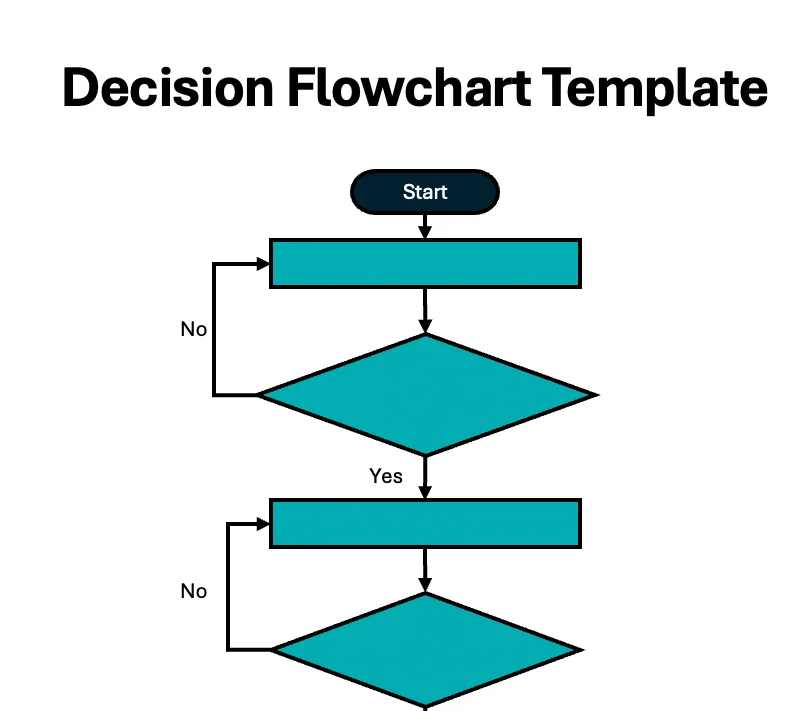
Here's the shortest path to the right answer.
Start here. If you already have a standard Alaska driver's license and you're only riding a moped or scooter under 50cc, you're done. No endorsement needed. Your Class D covers it.
If you're on two wheels, any size. Get the M1. It covers everything from a 50cc moped to a 1,200cc touring bike. It also covers three-wheel motorcycles if you ever add one to your garage.
If you're on three wheels and absolutely sure you'll never ride two. Get the M2. It's the right endorsement for trikes and three-wheeled vehicles. Just don't change your mind later, because you'll need to take the M1 test from scratch.
If you're under 16 and need to ride a moped. Get the M3. It's the only option until you're old enough for a standard driver's license. At 16, you can upgrade.
If you're moving to Alaska from another state. Transfer your existing motorcycle endorsement when you get your Alaska driver's license. No retesting required if your current license is valid.
That's it. Three questions. One answer that fits your situation.
Get the right endorsement the first time, and you can spend your time riding instead of standing in line at the DMV again.
For more guidance on keeping your vehicle in top shape, whether it's a motorcycle, car, or truck, explore our blog for practical maintenance advice and tips.