ByMax Lee
CT $20 Flat Fee for Emissions Testing Explained
Connecticut’s $20 flat fee for mandatory emissions testing services catches many drivers off guard. It’s a fixed cost tied to the state’s biennial emissions inspection, required for most gasoline-powered vehicles before registration renewal.
As of 2026, this fee applies to model years 1983 and newer, with no additional state taxes. The test itself is quick, but missing it can block your registration.
Quick Answer
The Connecticut $20 flat fee covers the mandatory emissions test. It’s a fixed cost for the inspection. The test is required every two years.
Most gasoline vehicles need it for registration. No extra state taxes apply.
Why Connecticut Requires This Fee (And Who Has to Pay)
Connecticut enforces emissions testing to meet federal Clean Air Act standards. The $20 fee funds the program’s operation, including equipment and staff at testing stations.
Bing (Web (fair-use with source credit))
Who pays it? Owners of gasoline-powered vehicles from model year 1983 or newer. Diesel vehicles under 10,000 lbs and newer than 2007 are also included.
Electric and hybrid vehicles are typically exempt, as are motorcycles and vehicles over 25 years old.
Which Vehicles Are Subject to the $20 Fee
The rule is simple: if your vehicle runs on gasoline and was made in 1983 or later, it’s subject to the fee. This includes passenger cars, trucks, and SUVs under 10,000 lbs.
Diesel vehicles from 2007 or newer also require testing. The fee applies regardless of where you got the test done, as long as it’s a state-approved station.
Exemptions exist for:
- Electric vehicles (EVs)
- Hybrid vehicles (in most cases)
- Motorcycles
- Vehicles 25+ years old
- New vehicles (first 2 model years)
How the Emissions Testing Process Works in Connecticut
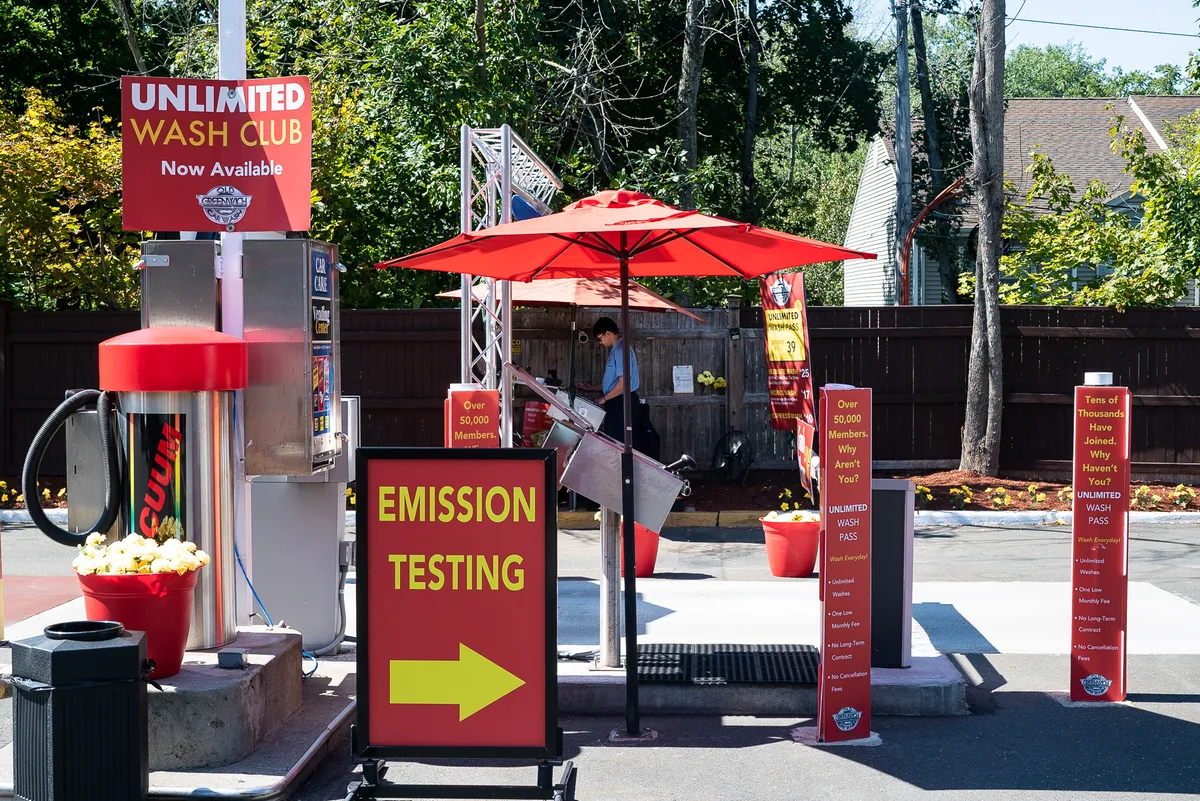
First, find a state-approved testing station. No appointment is needed at most locations, but check ahead for wait times.

Wikimedia Commons / Lyntha Scott Eiler
The test takes about 20-30 minutes. A technician connects your vehicle to diagnostic equipment to measure tailpipe emissions. If your car passes, the results are sent electronically to the CT DMV.
If it fails, you’ll get a report detailing the issue.
You’ll pay the $20 fee at the station, usually by cash or card. Bring your vehicle registration and proof of insurance.
What Happens If You Skip the Test or Fail
Skip the test, and you won’t renew your registration. The CT DMV blocks renewals until the emissions test is completed and the fee is paid.
If your vehicle fails, you have 60 days to repair it and retest for free. After that, you’ll pay the $20 fee again. Common reasons for failure include:
- Faulty oxygen sensors
- Worn spark plugs
- Clogged air filters
- Evaporative system leaks
Driving without a valid registration can lead to fines. As of 2026, the penalty starts at $50 and increases the longer you wait.
How the $20 Fee Fits Into Your Registration Renewal
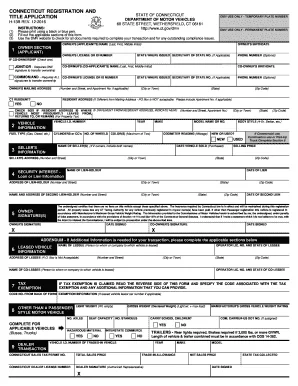
The $20 fee is part of the registration process, not an extra charge. You pay it at the testing station, and the results are sent to the CT DMV automatically.
Bing (Web (fair-use with source credit))
If you renew online, the DMV system checks for a valid emissions test first. Without it, you’ll see a block on your renewal. The fee doesn’t appear on your registration bill, it’s paid separately at the test.
Common Mistakes That Cost You Time and Money
Showing up without your registration is a top mistake. The station can’t process your test without it.
Another error is waiting until the last minute. Testing stations get busy during renewal peaks. Schedule early to avoid delays.
Ignoring a failed test is costly. You have 60 days to fix and retest for free. After that, you’ll pay the $20 fee again.
How to Check If Your Vehicle Is Exempt
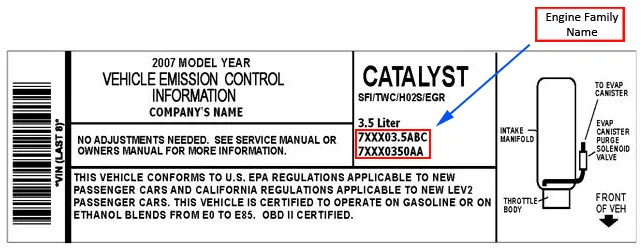
Electric vehicles and most hybrids don’t need testing. Neither do motorcycles or vehicles over 25 years old.
Bing (Web (fair-use with source credit))
New cars are exempt for the first two model years. Diesel vehicles under 10,000 lbs from 2007 or newer are included. Check the CT DMV website for the full list.
Where to Get Your Emissions Test Done
Connecticut has testing stations across the state. Most are private businesses approved by the DMV. You can find the nearest one using the CT DMV’s official locator.
No appointment is needed at most locations. Wait times vary, so check ahead during peak renewal periods. Some stations offer evening or weekend hours for convenience.
FAQs About Connecticut’s Emissions Testing Fee
How often do I need to get my vehicle tested?
You need an emissions test every two years. The cycle aligns with your registration renewal.
What if my car fails the test?
You have 60 days to repair and retest for free. After that, you’ll pay the $20 fee again.
Can I get the test done out of state?
No. Connecticut requires testing at a state-approved station within the state.
Is the $20 fee the same everywhere?
Yes. The fee is flat and set by the state. No station can charge more or less.
What documents do I need to bring?
Bring your vehicle registration and proof of insurance. The station will need both to process your test.