ByMax Lee
CT DMV Address Change: 48-Hour Notice Rule Explained
Yes, Connecticut requires you to notify the DMV within 48 hours of changing your address. The Connecticut 48 hour notice requirement for address changes to DMV applies to all licensed drivers and vehicle owners in the state, and failing to comply can lead to fines or complications with your registration.
This rule is outlined in Connecticut General Statutes § 14-150, which mandates prompt updates to keep your records accurate. Whether you move across town or to a new city in CT, the clock starts ticking as soon as you establish a new residence.
Wikimedia Commons / Artsistra (CC BY-SA)
Quick Answer
The Connecticut 48 hour notice requirement for address changes to DMV is a legal obligation. You must update your address with the CT DMV within 48 hours of moving. This applies to both your driver’s license and vehicle registration.
The rule is enforced under state law. Non-compliance may result in penalties.
The 48-Hour Rule in Plain English
Connecticut doesn’t give you weeks to update your address, it’s 48 hours, period. The law treats this as a critical update, not a suggestion. If you move, the DMV needs to know where to send important notices, like registration renewals or legal documents.
This isn’t just bureaucracy. Outdated addresses can cause missed deadlines, unpaid fines, or even issues during traffic stops. The state takes this seriously, and so should you.
Wikimedia Commons / Versageek (CC BY-SA)
Who This Applies To (and Who Gets a Pass)
This rule covers all Connecticut residents with a driver’s license or registered vehicle. That includes new residents, long-time residents moving within the state, and renters changing apartments.
There are a few exceptions. Military personnel on active duty may have extended deadlines, depending on their orders. Students living temporarily in dorms or off-campus housing might also have different requirements.
But for most people, the 48-hour clock starts the moment you move.
If you’re unsure whether you qualify for an exception, check with the CT DMV directly.
What Happens If You Miss the Deadline
Miss the 48-hour window, and you’re technically in violation of state law. The immediate risk is a fine, up to $100 per Connecticut General Statutes.
Outdated addresses can lead to missed registration renewals. That means driving with an expired registration, which is another fine. If you’re in an accident, incorrect address records can complicate insurance claims or legal proceedings.
The DMV may also suspend your registration until you update your information.
How to Update Your Address the Right Way
You’ve got three options to update your address: online, in person, or by mail. Online is the fastest and easiest for most people.
Online (Fastest Method)
Visit the CT DMV website and use their address change portal. You’ll need your license or registration number, your Social Security number, and proof of your new address. The update is immediate, and you’ll get a confirmation email.
In Person at a DMV Office
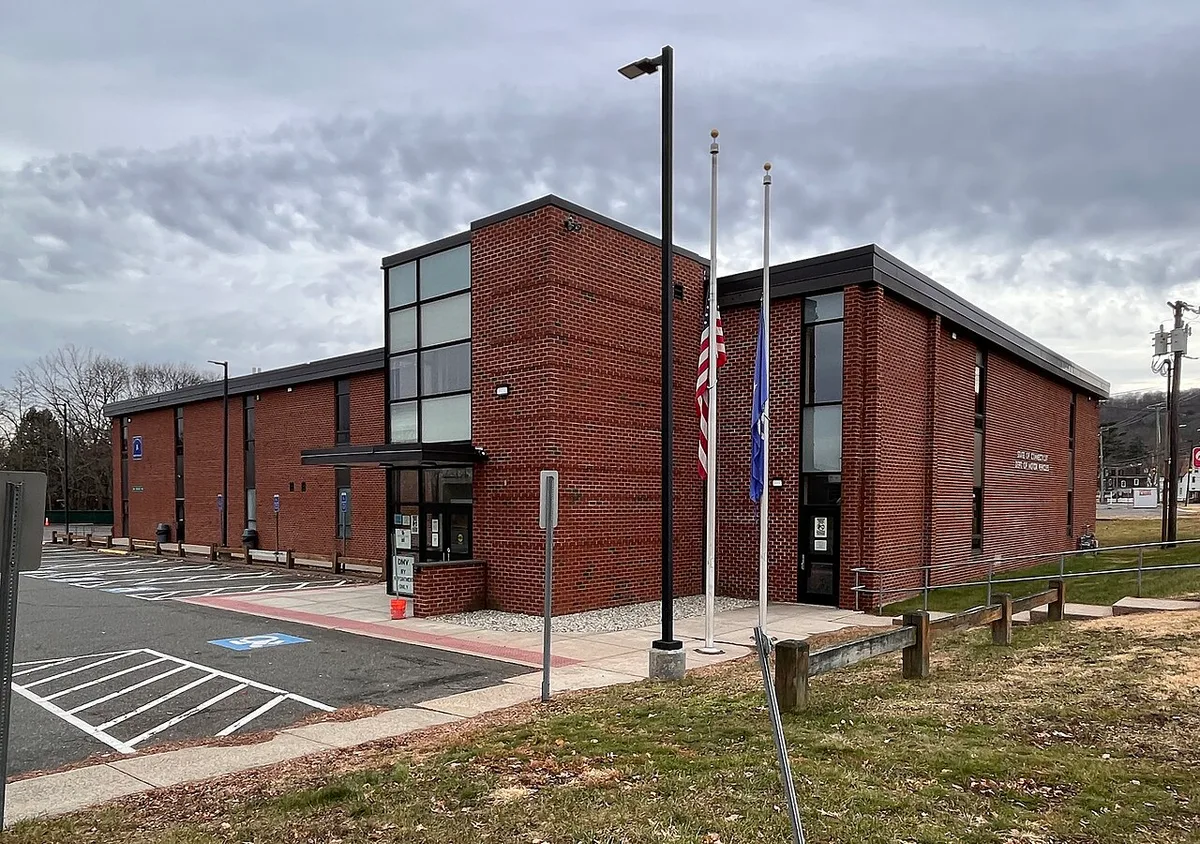
If you prefer face-to-face service, visit a local DMV office. Bring your current license, proof of your new address, and any required forms. Wait times can vary, so check the DMV’s website for the least busy times.
By Mail (If You Can’t Do It Online)
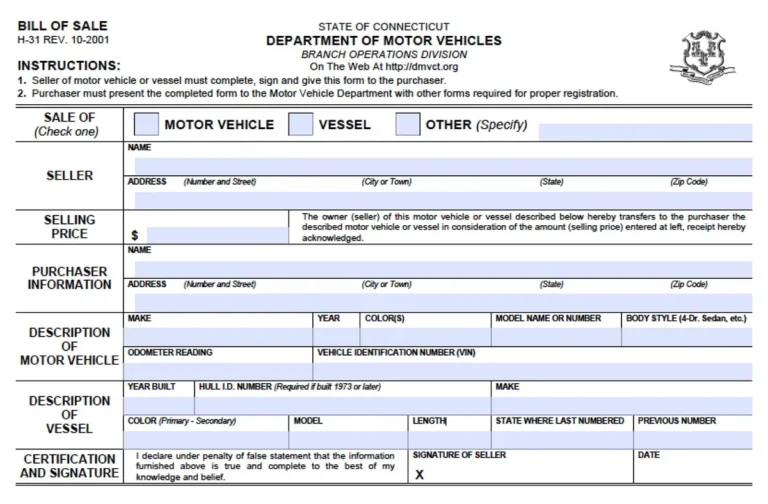
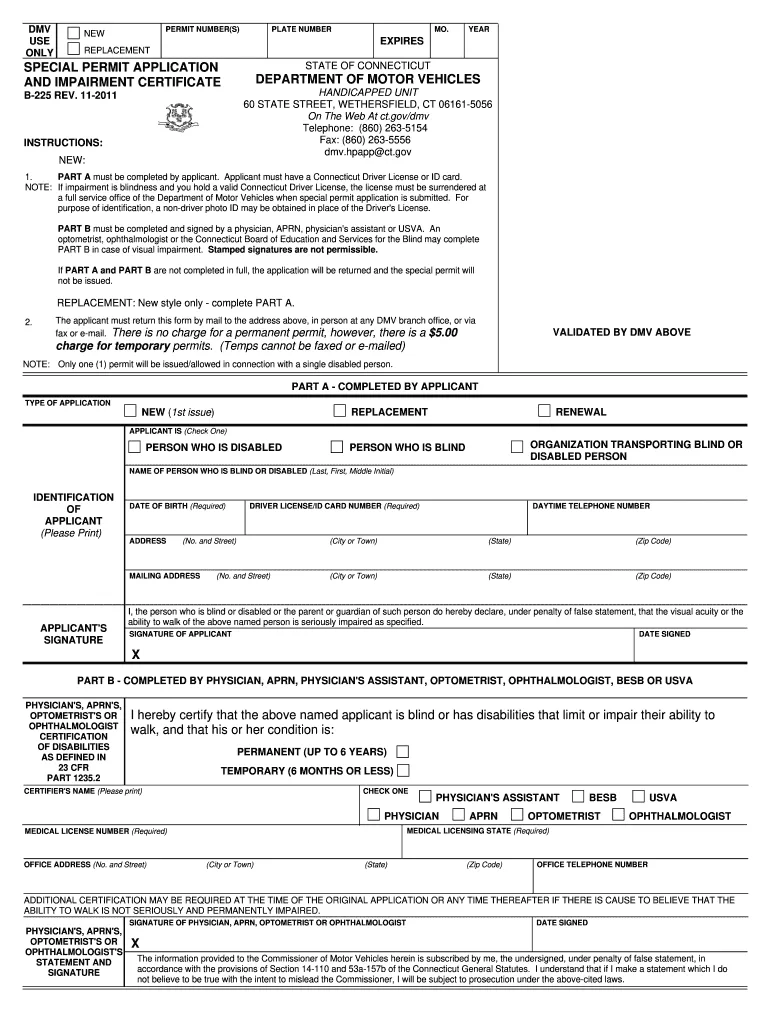
Download and fill out Form B-200 from the DMV website. Mail it to the address listed on the form, along with copies of your proof of address. Processing can take a few weeks, so this isn’t ideal if you’re up against the 48-hour deadline.
Bing (Web (fair-use with source credit))
Proof of Address: What CT DMV Actually Accepts
The DMV won’t take your word for it. You need official proof that matches your new address.
Acceptable documents include:
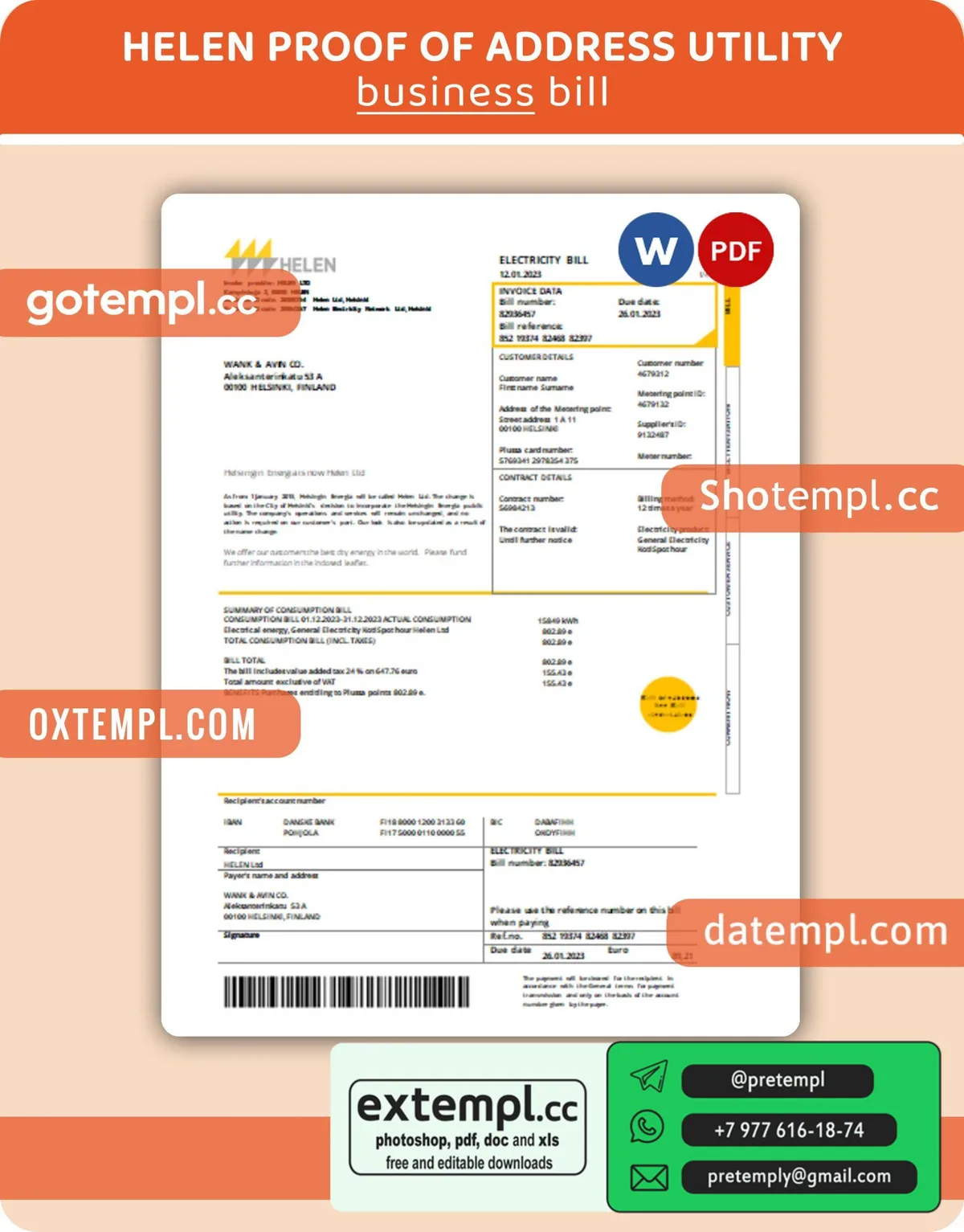
- Utility bill (electric, water, gas)
- Lease or mortgage agreement
- Bank or credit card statement
- Insurance policy or bill
The document must be recent, typically within 60 days, and show your name and new address clearly.
Bing (Web (fair-use with source credit))
Avoid using a P.O. box as your primary address. The DMV requires a physical residential address for licensing and registration purposes.
Updating Your License vs. Registration—Do You Need Both?
Yes, you need to update both. Your driver’s license and vehicle registration are separate records in the DMV system.
If you only update one, the other remains tied to your old address. This can cause confusion during traffic stops or when receiving mail from the DMV.
The process is similar for both, but you’ll need to submit updates for each individually. Online updates often let you handle both at once. In-person or mail submissions may require separate forms.
Common Mistakes That Get People Fined
Waiting too long is the most obvious mistake. But even if you update on time, small errors can cause problems.
Using an outdated or unclear proof of address document will get your submission rejected. Double-check that your name and new address match exactly across all documents.
Another common issue is forgetting to update all vehicles. If you own multiple cars, each registration needs its own address update.
Special Cases: Military, Students, Temporary Moves
Active-duty military personnel often get extended deadlines. If you’re stationed out of state or deployed, check with the DMV about temporary exemptions.
Students living in dorms or temporary housing may also have different requirements. The DMV typically considers your permanent home address as your legal residence, not a temporary school address.
For temporary moves, like a short-term rental, you may not need to update your address at all. But if your stay exceeds 30 days, the 48-hour rule applies.
Quick FAQs About CT’s 48-Hour Rule
Do I need to update my address if I’m only moving temporarily?
No, temporary moves under 30 days don’t require an update. But if your stay becomes long-term, you must comply within 48 hours of establishing residency.
What if I don’t have a utility bill in my name yet?
The DMV accepts other documents like a lease agreement or mortgage statement. If you’re newly moved in, ask your landlord for a signed letter confirming your residency.
Can I update my address over the phone?
No, the DMV doesn’t process address changes by phone. You must use the online portal, visit in person, or mail in the form.
Will I get a new license or registration card in the mail?
Not automatically. If you want a physical card with your new address, you’ll need to request a replacement and pay the fee. The online update alone changes the DMV’s records but doesn’t print a new card.
What’s the penalty for not updating my address?
You could face a fine of up to $100. More importantly, you risk missing critical DMV mail, which can lead to further penalties or legal issues.