Connecticut blue and red light prohibition for private motor vehicles is a strict rule with no gray area. If you’re driving a personal car, truck, or SUV in the state, you can’t legally mount or use blue or red flashing lights, period. This isn’t just a suggestion; it’s written into Connecticut General Statutes § 14-96p, and breaking it can mean fines or even vehicle inspection failures.
As of 2026, the law applies to all non-emergency vehicles, with only a handful of exemptions for authorized personnel. The reasoning is simple: these colors are reserved for police, fire, and EMS to prevent confusion and impersonation.
Quick Answer
Connecticut bans blue and red lights on private vehicles. Only authorized emergency vehicles can use them. Violations risk fines under CGS § 14-96p.
Exemptions exist for police, fire, and EMS only.
Why This Law Exists and Who It Affects
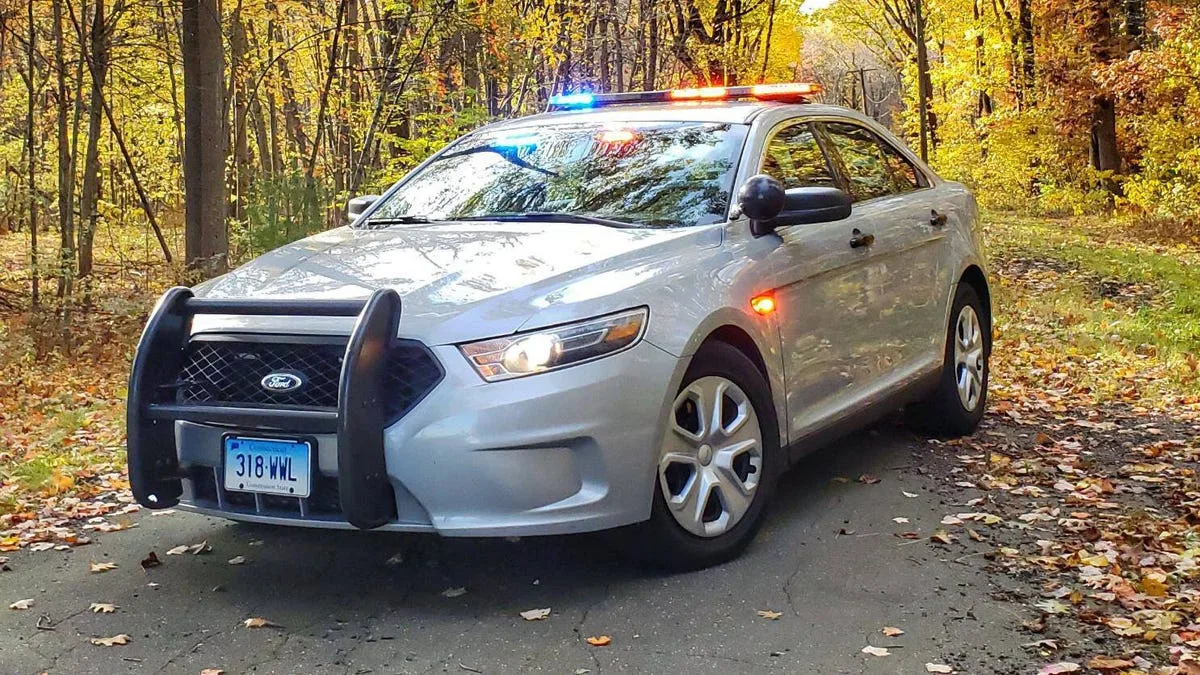
This rule exists to keep roads safe and prevent drivers from mimicking emergency vehicles. When a car with blue or red lights approaches, other drivers expect it to be police, fire, or EMS, and they react accordingly. If a private vehicle uses these colors, it creates dangerous confusion, delays real responders, and can even lead to accidents.
The law affects every private vehicle owner in Connecticut. That includes daily drivers, off-road enthusiasts, and even volunteer responders unless they’re officially authorized.
The Exact Rules: What’s Legal and What’s Not
Blue and red flashing lights are illegal on private vehicles. This covers light bars, dash lights, underglow, or any other installation. The statute doesn’t make exceptions for brightness, size, or visibility, if it’s blue or red and flashing, it’s prohibited.
Steady-burning blue or red lights are also banned. Some drivers assume a non-flashing light is okay, but Connecticut’s law doesn’t distinguish. The only legal use is by authorized emergency vehicles, which include police cars, fire trucks, and ambulances.

Who’s Exempt (And How to Know If You Qualify)
Authorized emergency vehicles are the only exemption. This includes:
- Police cars and motorcycles
- Fire trucks and rescue vehicles
- Ambulances and EMS transports
- State trooper vehicles
Volunteer firefighters and EMTs may qualify, but only if their vehicle is officially registered and equipped per state guidelines. Tow trucks and construction vehicles do not qualify unless they’re part of an official emergency response.
Common Mistakes That Get Drivers in Trouble
Many drivers assume aftermarket light bars are fine if they’re not used on public roads. That’s incorrect, possession alone can lead to a citation. Others believe dim or hidden lights are acceptable, but the law doesn’t care about visibility.
Another frequent error is assuming volunteer status automatically grants permission. Without official authorization and proper vehicle registration, even volunteers can be ticketed. Some also mistakenly think amber or white lights fall under the same restrictions, but those colors have different rules.
What Happens If You Break the Law
You’ll face a fine if caught with illegal blue or red lights. The exact amount varies by jurisdiction, but it’s typically between $100 and $500. Your vehicle may also fail inspection until the lights are removed.
Police can pull you over for visible violations during routine traffic stops. Even if the lights aren’t on, having them installed can still lead to a citation.
How to Check Your Vehicle for Compliance
Start by inspecting the exterior and interior for any blue or red lights. This includes under the dashboard, grille, or roof. Remove any aftermarket installations immediately.
If you’re unsure, a certified mechanic or inspection station can confirm compliance. Connecticut DMV also provides guidance on legal modifications.
Amber, White, and Other Legal Light Options
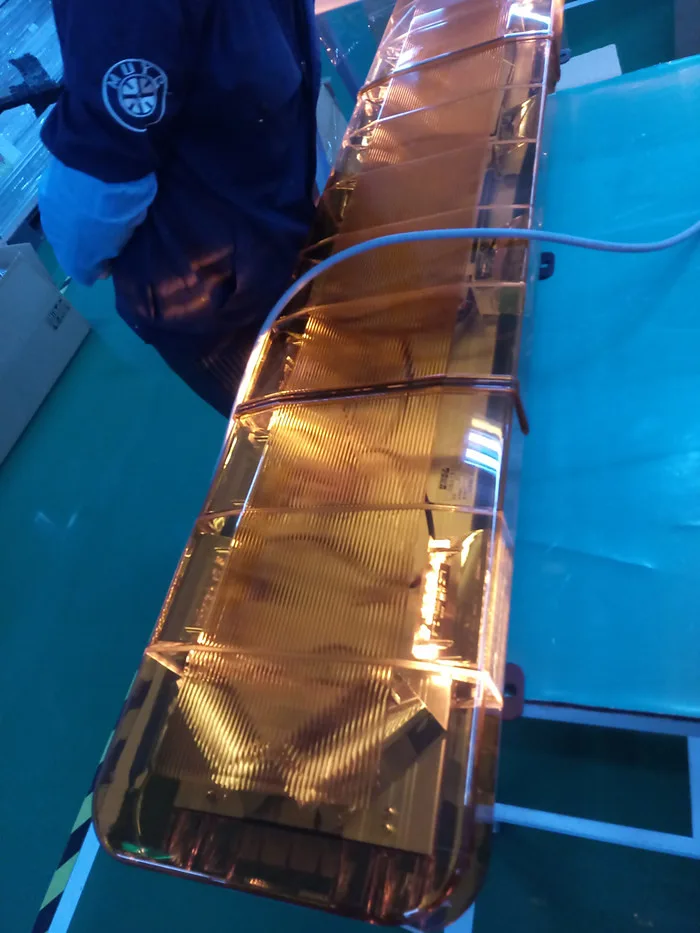
Amber lights are legal for non-emergency use in Connecticut. These are often used on tow trucks, construction vehicles, and utility trucks. White or clear auxiliary lights are also permitted.
Green lights may be allowed for volunteer emergency responders, but only with proper authorization. Always verify local regulations before installing any colored lights.
Neighboring States’ Laws: How Connecticut Compares
New York also prohibits blue and red lights on private vehicles. Massachusetts has similar restrictions, with exemptions for emergency services only. Rhode Island follows the same pattern.
The key difference is enforcement. Some states may be more lenient with certain colors or uses. But in Connecticut, the rule is absolute for private drivers.
Where to Find the Official Rules
The full statute is in Connecticut General Statutes § 14-96p. You can access it through the Connecticut General Assembly website. Local police departments can also provide clarification.
For the most accurate information, always refer to the official state code. The Connecticut DMV website is another reliable resource.
Frequently Asked Questions
Can I use blue lights on my private property?
No, the prohibition applies even on private property if the vehicle is registered for road use. The law doesn’t distinguish between public and private locations for registered vehicles.
What about underglow lights in other colors?
Green, purple, and other colors may be legal, but blue and red are always prohibited. Always check current Connecticut DMV guidelines before installing any colored lights.
Do I need a permit for amber lights?
No permit is required for amber lights on private vehicles in Connecticut. These are generally allowed for non-emergency use like construction or utility work.
Can volunteer firefighters use red lights?
Only if their vehicle is officially authorized and registered as an emergency vehicle. Personal use without proper authorization is still illegal.
What’s the fine for illegal lights?
Fines typically range from $100 to $500 depending on the jurisdiction. The exact amount is set by local courts, not the state statute.
Are LED light bars treated differently?
No, the law applies to all types of lights regardless of technology. LED, halogen, or incandescent blue or red lights are all prohibited on private vehicles.