ByMax Lee
Delaware Abandoned Vehicle Removal: Private & Public Land
Bing (Web (fair-use with source credit))
Dealing with an abandoned vehicle on your property or a public road in Delaware can feel like a legal maze. The Delaware abandoned vehicle removal process on private and public land follows specific rules, and one wrong step can land you in hot water with the DMV or local authorities.
Per Delaware Code Title 21, Chapter 44, the process differs depending on where the vehicle sits and who owns the land. Get it right, and you clear the space legally. Get it wrong, and you risk fines or even a lawsuit.
Quick Answer
The Delaware abandoned vehicle removal process on private and public land requires a 48-hour notice for private property. Public land removals can happen immediately if the vehicle is a hazard. You must use a licensed towing company.
The DMV handles paperwork for unclaimed vehicles.
Delaware’s Abandoned Vehicle Removal: Private vs. Public Land Rules
Private property and public land follow two distinct paths. On private land, you’re in control but must follow strict notice rules. On public land, authorities take the lead, especially if the vehicle blocks traffic or poses a safety risk.
Private Property:
You can remove the vehicle, but only after posting a 48-hour notice. This notice must include the vehicle’s description, location, and your intent to tow. Skip this step, and you could face legal trouble.
Public Land:
Authorities can tow immediately if the vehicle is a hazard. Otherwise, they’ll follow a similar notice process before removal. The Delaware State Police or local agencies usually handle this.
Step-by-Step: Removing an Abandoned Vehicle from Private Land
Bing (Web (fair-use with source credit))
1. Confirm It’s Truly Abandoned
An abandoned vehicle in Delaware is typically inoperable, lacks valid registration, or has been left for an extended period. Check for expired tags, flat tires, or missing parts. If the vehicle is still in use, even occasionally, it’s not abandoned.
2. Post the 48-Hour Notice (The Legal Must-Do)
This is non-negotiable. The notice must be:
- Posted on the vehicle’s windshield or another visible spot
- Include the vehicle’s make, model, VIN, and license plate (if available)
- State your intent to tow if unclaimed
- Provide your contact information
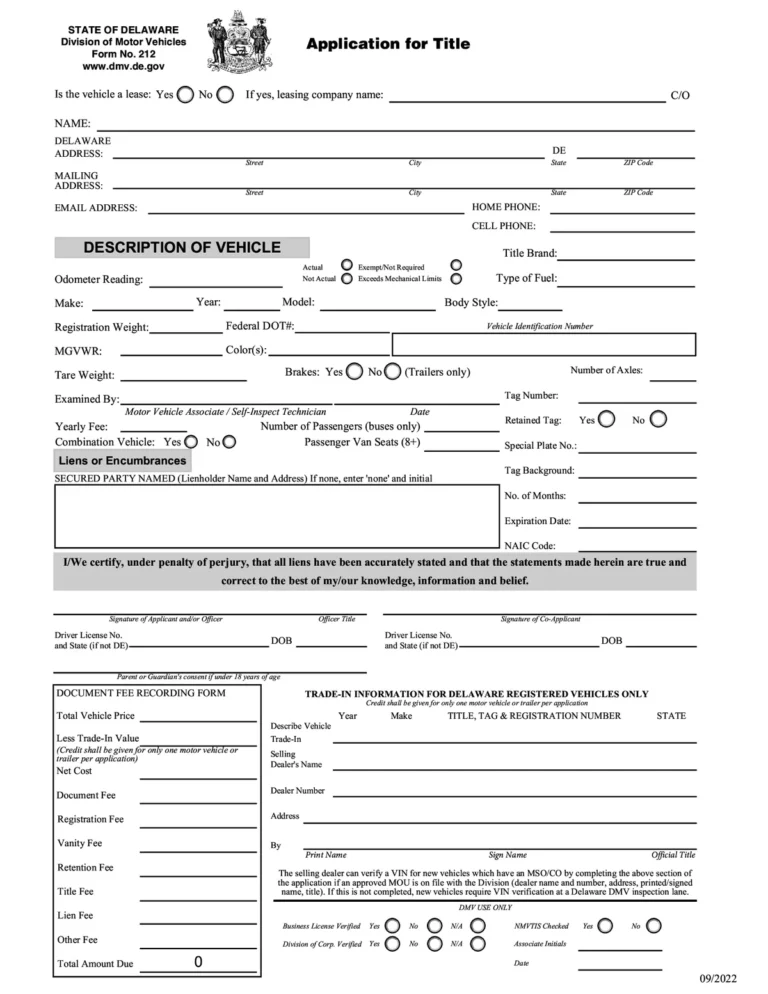
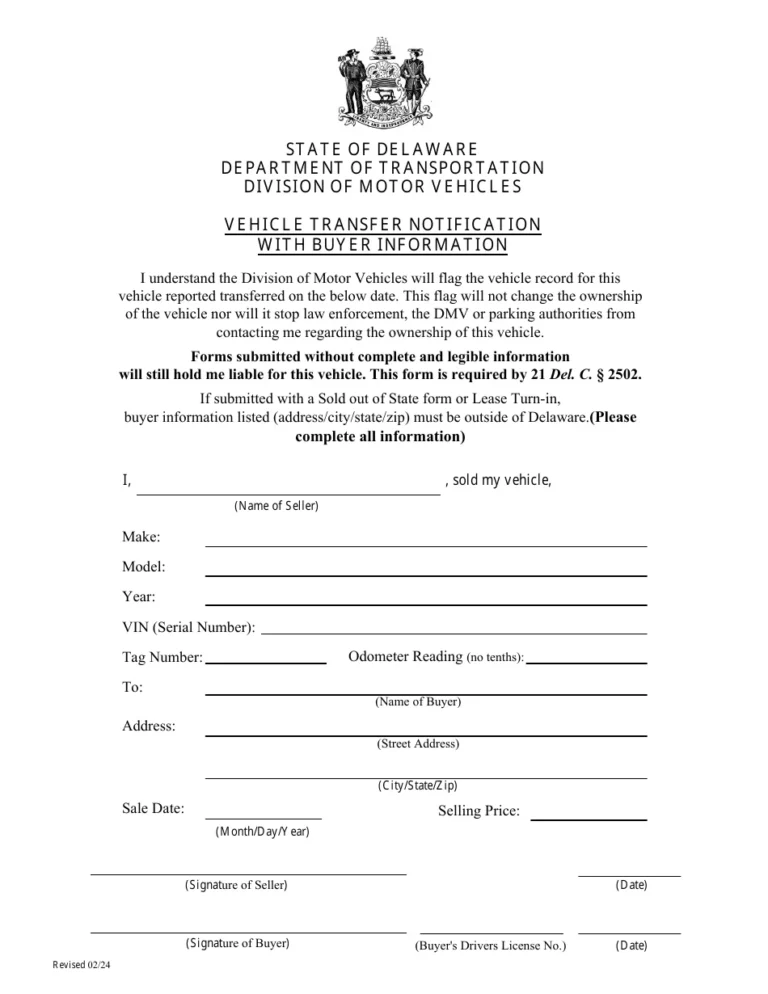
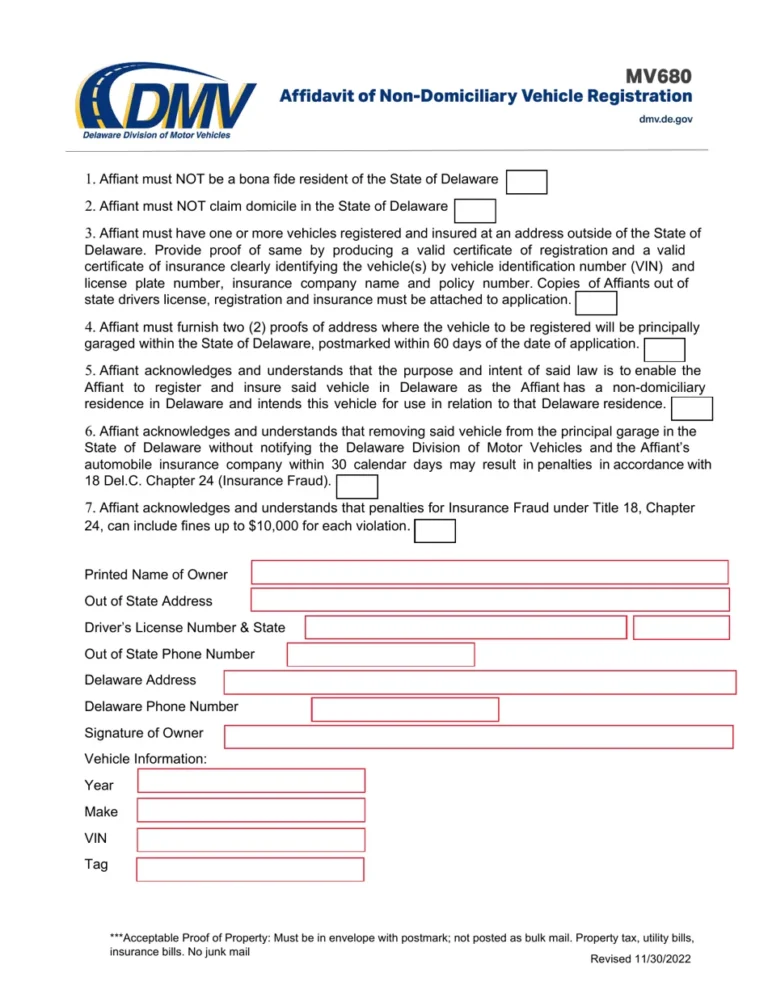
Use the Delaware DMV’s approved form to avoid errors. If the owner doesn’t respond within 48 hours, you can proceed.
3. Hire a Licensed Delaware Towing Company
Not just any tow truck will do. Delaware requires licensed operators for abandoned vehicle removal. Ask for proof of licensing before hiring.
The towing company will handle the physical removal, but you’re responsible for ensuring the process is legal.
For a list of licensed operators, you can refer to the Delaware DMV’s official resources.
4. File the Right Paperwork with the DMV
Submit the notice and towing receipt. This proves you followed the law. Keep copies for your records.
5. What Happens If the Owner Shows Up?
They can reclaim the vehicle by paying towing and storage fees. You must release it once costs are covered. Disputes may require proof of abandonment.
Step-by-Step: Removing an Abandoned Vehicle from Public Land
Bing (Web (fair-use with source credit))
1. Report It to the Right Authority
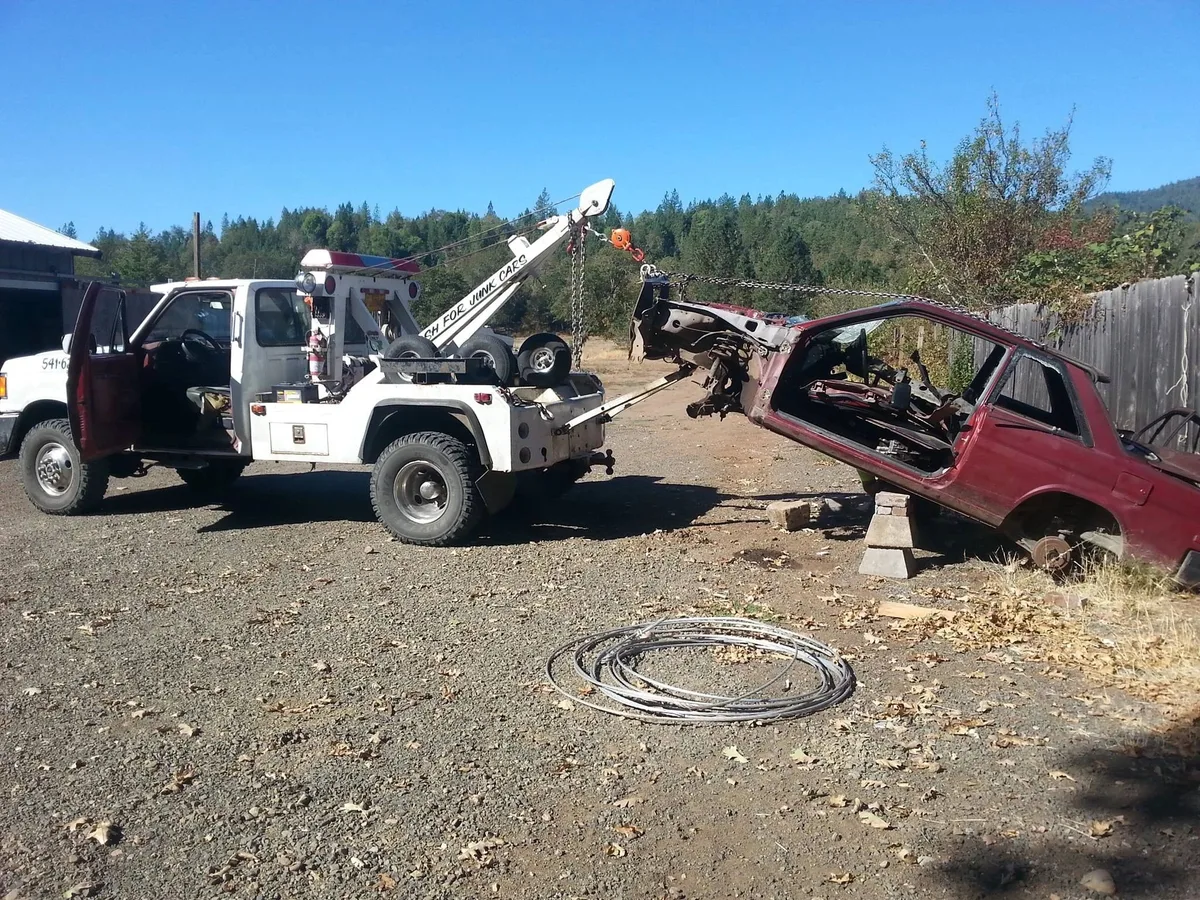
If you spot an abandoned vehicle on public land, report it to the Delaware State Police or your local police department. Provide the location and vehicle details. They’ll assess the situation and determine the next steps.
2. When Police Can Tow Immediately
Public safety comes first. If the vehicle is:
- Blocking traffic
- Creating a hazard (e.g., leaking fluids, no lights at night)
- On a highway or major road
Authorities can tow it without the 48-hour notice. Otherwise, they’ll follow a similar notice process as private property.
3. The DMV’s Role After Removal
Once towed, the vehicle is taken to an impound lot. The DMV is notified, and the owner has a set period (usually 10, 30 days) to reclaim it. If unclaimed, the vehicle may be sold at auction or scrapped.
Costs You Should Expect (Towing, Storage, Fees)
| Fee Type | Estimated Cost |
|---|---|
| Towing (private property) | $100–$250 |
| Daily storage fees | $20–$50/day |
| DMV paperwork/filing fees | $25–$75 |
Property owners typically cover towing and storage costs upfront. If the vehicle is unclaimed, you may recover these fees through the lien sale process. For public land removals, the vehicle owner (if found) is usually responsible for these costs.
Common Mistakes That Get You in Legal Trouble
Skipping the 48-hour notice is the top error. Without it, you risk a lawsuit from the owner. Even if the car looks abandoned, Delaware law requires that notice.
Another mistake is using an unlicensed towing company. Only state-approved operators can legally remove abandoned vehicles. Check the Delaware DMV’s list before hiring.
Finally, ignoring DMV paperwork can delay the process. You must file the right forms to prove you followed the law. Missing this step can void your right to recover towing fees.
What Happens to Unclaimed Vehicles? (Auction, Scrap, or Lien Sale)
Bing (Web (fair-use with source credit))
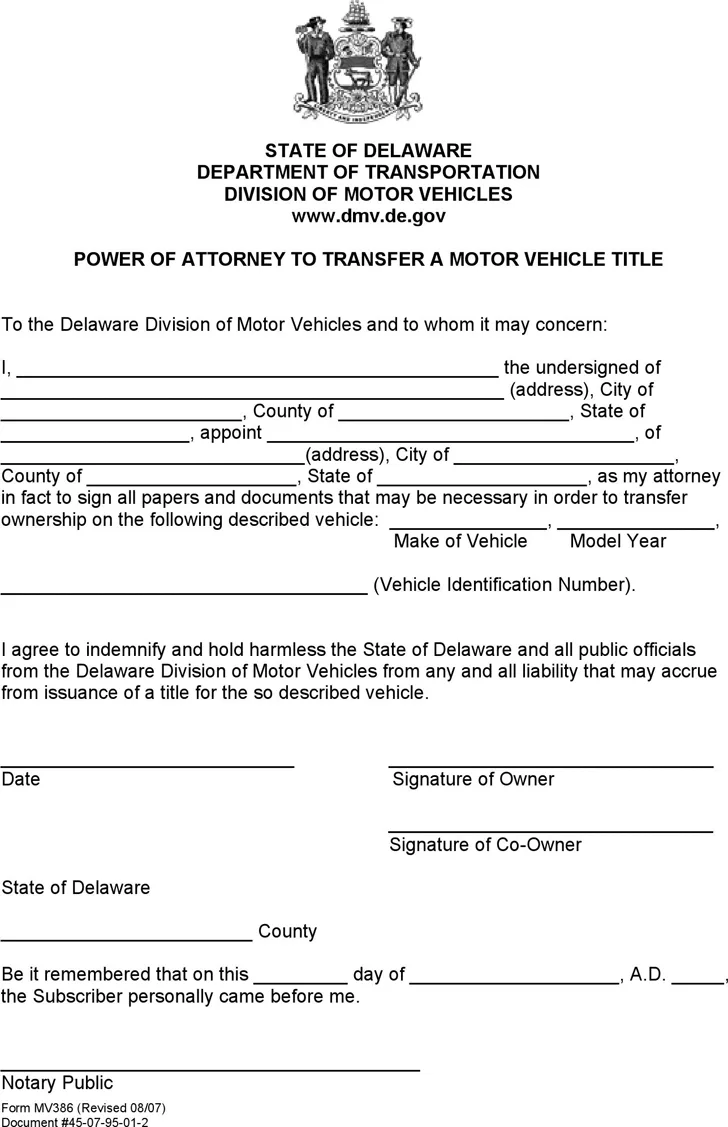
Unclaimed vehicles go through a legal process. After towing, the owner has 10 to 30 days to reclaim it. They’ll pay towing, storage, and any administrative fees.
If unclaimed, the vehicle may be sold at a public auction. The towing company or property owner can recover costs from the sale. Any remaining funds go to the state.
For junk vehicles, the DMV may authorize scrap sale. This applies if the car is inoperable and has no resale value.
Delaware-Specific Rules You Can’t Ignore
Title 21, Chapter 44: The Law in Plain English
This chapter defines abandoned vehicles and removal procedures. It outlines notice requirements, towing rules, and the lien sale process. Ignoring these rules can result in fines or legal action.
Local Ordinances That Add Extra Steps
Some Delaware municipalities have additional regulations. For example, Wilmington may require extra documentation for public land removals. Always check with local authorities to avoid oversights.
FAQs About Delaware Abandoned Vehicle Removal
How long before a car is considered abandoned in Delaware?
Delaware doesn’t set a strict time limit. Instead, it looks at the vehicle’s condition and location. If it’s inoperable, lacks registration, or is left for an extended period, it may qualify.
Can I tow a car parked on my property without notice?
No. You must post a 48-hour notice before towing. This gives the owner a chance to reclaim the vehicle.
Skipping this step can lead to legal trouble.
What if the owner shows up after towing?
They can reclaim the vehicle by paying towing and storage fees. The towing company must release it once fees are settled. If they dispute the removal, they may need to prove ownership.
Who pays for towing and storage?
The property owner typically covers upfront costs. If the vehicle is unclaimed, you may recover fees through auction or lien sale. For public land removals, the owner is responsible if found.
What happens to the vehicle if no one claims it?
It may be sold at auction or scrapped. The towing company or property owner can recover costs from the sale. Any remaining funds go to the state.
Final Checklist: Did You Do It Right?
Here’s how to confirm you followed Delaware’s process correctly.
For Private Property:
You posted a 48-hour notice with the vehicle’s details. You used a licensed towing company. You filed the DMV paperwork.
For Public Land:
You reported the vehicle to the police or DelDOT. Authorities handled the removal if it was a hazard. The DMV was notified for unclaimed vehicles.
If you checked all these boxes, you’re in the clear. If not, revisit the steps to avoid legal issues.