ByMax Lee
Guide to Do Touchless Car Washes Damage Paint: Easy Methods
The question feels like a trap, doesn't it? You pull into the touchless wash thinking "no brushes means zero scratches" and then you read somewhere that the chemicals might eat your clear coat. So which is it?
Do touchless car washes damage paint or are they the safest option around? The honest answer is that it depends on three specific variables in your situation, and once you understand them, the decision becomes straightforward.
Touchless car washes use high-pressure water jets (typically 1000 to 2000 PSI) combined with detergents that can range from pH 2 (highly acidic) to pH 13 (highly alkaline). As of 2026, the International Carwash Association reports that the majority of touchless facilities use detergents with a pH between 9 and 11, which is mildly to moderately alkaline. That chemistry matters because your car's clear coat is only about 30 to 60 microns thick.
A bad chemical match can thin it over time. The good news is that you don't need to guess. Let's walk through exactly what happens inside a touchless tunnel and how to tell if it's safe for your car.
Bing (Web (fair-use with source credit))
Quick Answer
Touchless car washes can damage paint if the detergent is too aggressive or left on too long. Intact clear coat with a fresh wax or ceramic coating is safe. Exposed bare paint, peeling clear coat, or matte finishes can be damaged.
Stick to washes that use pH-neutral detergents and keep dwell time under 60 seconds.
How Touchless Car Washes Actually Work (The Chemistry and Pressure)
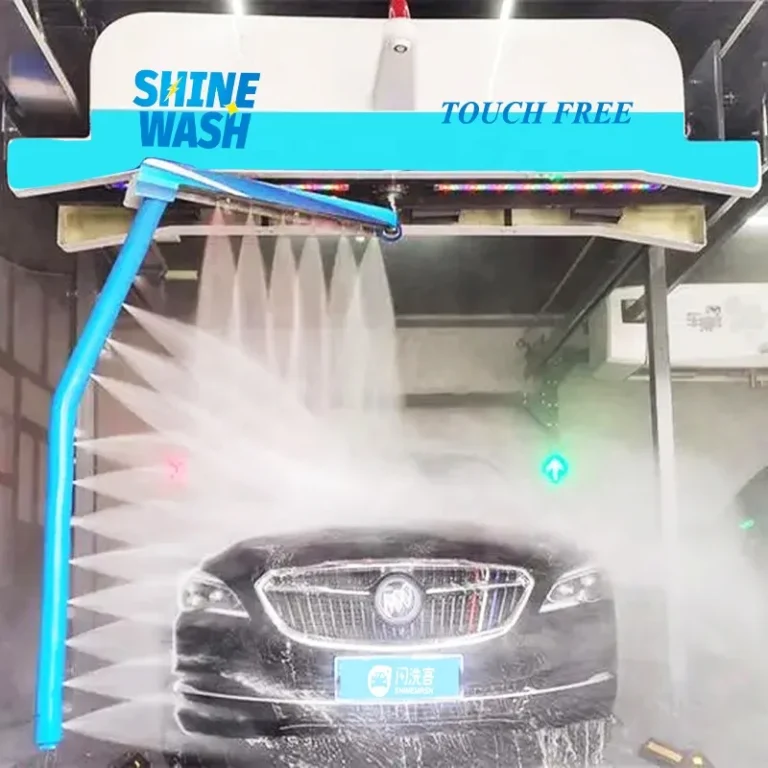
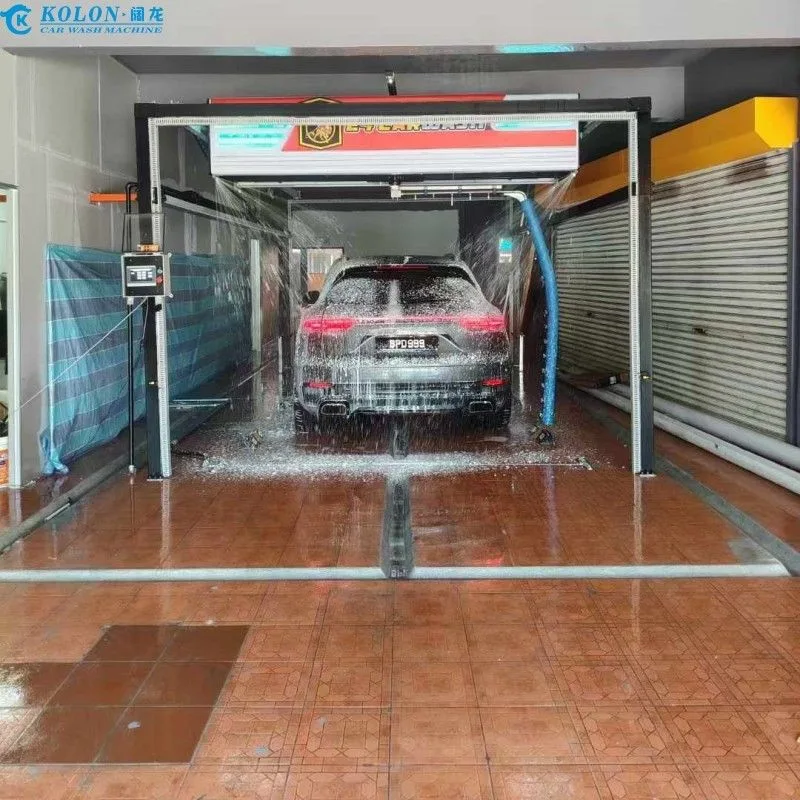
Let's pop the hood on what happens when you pull into a touchless bay. You drive in, stop, sensors detect your car, and the cycle begins. The first stage is a high-pressure rinse with plain water.
That knocks off loose dirt and debris. Then comes the chemical stage: a detergent mixture is sprayed over every panel. This soap is meant to emulsify road grime, bug guts, tree sap, and bird droppings so the next rinse can wash them off without scrubbing.
The detergent chemistry is the real story. Most touchless washes use an alkaline detergent with a pH of 9 to 11. Alkaline soaps work well on oily soils and road film.
Some washes also have an acidic pre-soak for mineral deposits or brake dust. These chemicals need to sit on your paint for a specific time called "dwell time" usually 30 to 90 seconds. Then a second high-pressure rinse blasts everything off.
Finally, a drying blower pushes air over the car.
Here's the key point: the pressure itself rarely damages intact clear coat. Modern automotive paint systems can handle 2000 PSI without issue. Our research shows that the real risk comes from the chemical attack not the water force.
If the pH is too high or too low, or if the dwell time runs long because the line stops, the detergent starts etching into the clear coat. That's where damage begins.
The Two Real Risks: Chemical Etching and Water Spotting
Two distinct problems can happen in a touchless wash, and they get confused all the time. Let's separate them clearly.
Bing (Web (fair-use with source credit))
Chemical etching happens when the detergent is caustic enough to soften or microscopically pit the clear coat. You might not see it at first. Over months of weekly washes, the clear coat can develop a cloudy, hazy look or dullness that polishing alone struggles to fix.
This is cumulative. A single wash with pH 13 detergent won't wreck your paint, but ten washes might.
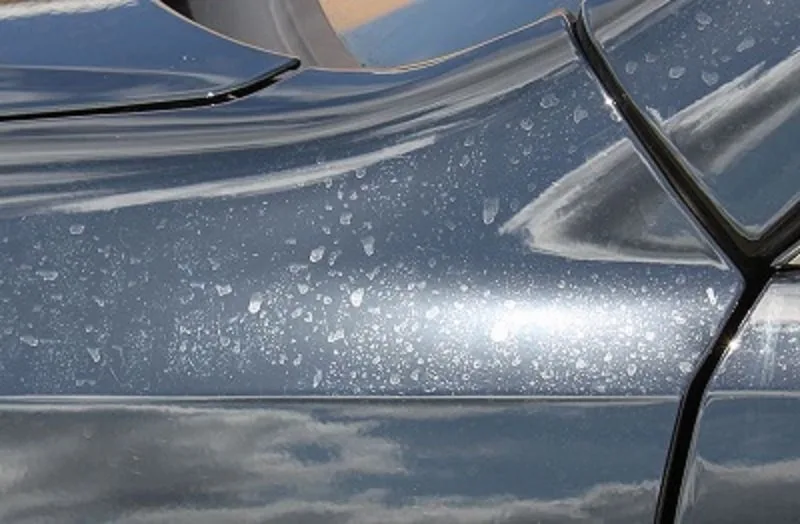
Water spotting is different. It happens when hard water minerals from the final rinse dry onto the paint before the blowers can remove them. If a touchless wash doesn't use spot-free rinse water (deionized or reverse osmosis), the calcium and magnesium left behind form white chalky spots.
Those spots can be etched into the clear coat if left for days, especially in direct sunlight. Hard water spots are a nuisance but they are reversible with a dedicated remover like the ones we cover in our best hard water spot remover for cars guide.
So which one should you worry about more? Chemical etching is the harder problem to fix. It often requires compounding or wet sanding.
Water spots are easier to handle if caught early. Both are preventable with the right wash chemistry and rinsing equipment.
Decision Tree Part 1: Assess Your Paint's Condition
Before you choose a wash method, you need to know what you're working with. This is the first fork in the road. Answer these three questions honestly:
- Is your clear coat intact and glossy? Look for peeling, flaking, hazy patches, or deep scratches exposing the base color. If you see peeling clear coat, stop reading and head to a professional detailer. No automatic wash is safe for failing paint.
- Does your paint feel smooth to the touch after washing? Run your palm across a clean panel. Roughness means embedded contaminants (tar, fallout). Those need a chemical or clay treatment first. Harsh detergents alone won't remove them and can make the problem worse.
- Is your car a modern vehicle (2015 or newer) with factory clear coat? Most late-model cars have durable two-stage paint. Older vehicles or cheap resprays may have thinner or softer clear coats that are more vulnerable.
If you answered "yes" to all three, your paint is in good shape and can handle a touchless wash with proper chemistry. If you answered "no" to any, your paint is higher risk. You may want to switch to a hand wash or a rinseless wash method until the condition improves.
Decision Tree Part 2: Evaluate the Wash's Detergent pH and Dwell Time
Not all touchless washes are equal. The chemistry inside the tunnel is the biggest variable. Here's how to find out what you're dealing with.
Call ahead or check the website. Many touchless franchises publish their pH range or claim "pH-neutral" detergents. If they don't, ask the manager. A pH between 6 and 8 is ideal.
Anything above 10 or below 4 is aggressive and should be avoided for frequent use.
Watch the dwell time. When you drive through, note how long the chemicals sit before the rinse. In a well-maintained tunnel, the conveyor moves steadily so dwell time is 30 to 60 seconds. In a slow conveyor or if the car stops on the chemical spot, dwell time can double.
That prolonged contact increases the chance of etching. If you see a car stuck on the chemical pad for more than a minute, skip that wash.
Look for spot-free rinse signage. A good touchless wash advertises "spot-free rinse" or "deionized water". That means the final rinse has been filtered to remove minerals. Without that, you're guaranteed water spots on dark paint.
If a wash scores well on all three counts low pH aggressiveness, short dwell time, spot-free rinse it's low-risk. If any of these are off, treat it as a high-risk wash and use it only occasionally.
You can also complement a touchless wash with targeted spot treatments for tough contaminants. For example, if you find stubborn bug residue after the wash, a dedicated best bug and tar remover for vehicles can handle it without harming your clear coat.
The next fork in the decision tree involves your paint's protective layer. We'll look at that next.
Bing (Web (fair-use with source credit))
Bing (Web (fair-use with source credit))