ByMax Lee
Guide to Dust on My Car
You walk outside, coffee in hand, and there it is. A fine layer of dust on my car that wasn't there yesterday. It's not dirty enough for a full wash.
But leaving it feels wrong. And wiping it off? That's where people mess up.
Here's the thing nobody tells you. That innocent-looking dust is basically sandpaper. Per ASTM testing standards on automotive paint abrasion, common road dust particles range from 10 to 100 microns in size.
Your clear coat? It's only about 30 to 50 microns thick. Drag dry dust across it, and you're literally grinding away your paint.
The question isn't whether to clean it. It's how to clean it without causing damage. Let's walk through that decision together.
Why Most People Scratch Their Paint Cleaning Dust
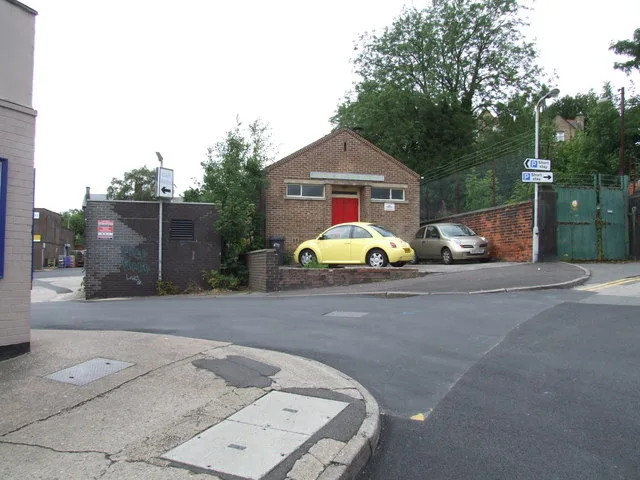
Wikimedia Commons / Dave Hitchborne (CC BY-SA)
The instinct makes sense. You see dust, you grab a rag, and you wipe. That's what most people do.
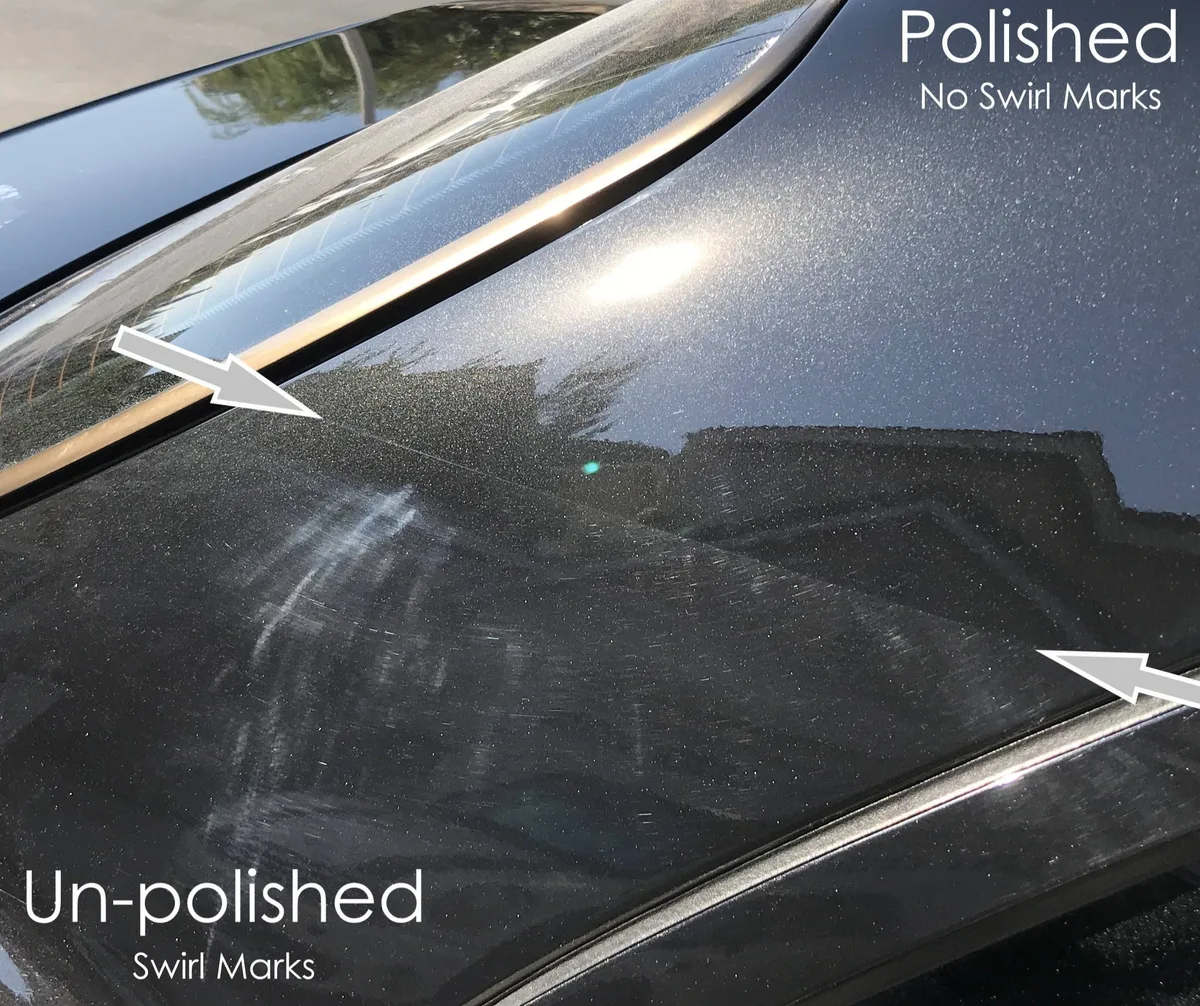
And that's exactly what creates those spiderweb swirl marks you see under bright sunlight.
Here's what happens at a microscopic level. When you drag a dry or even damp cloth across dusty paint, those particles act like tiny cutting tools. The weight of your hand presses them into the clear coat.
The motion drags them across the surface. Every single pass leaves a small scratch.
Aggregate reviews from professional detailers and automotive paint manufacturers agree on this point. A single dry-wipe session can introduce more micro-marring than six months of automatic car washes. That's not hyperbole.
That's documented from clear coat abrasion studies.
The real problem is that most people don't realize how abrasive common dust actually is. Pollen is relatively soft. Construction dust contains silica.
Road dust mixes in brake pad particles and metal shavings. Each type demands a different approach.
If you've ever wondered why your black car looks hazy after a few months of "dusting it off," now you know. That haze isn't dirt. It's thousands of tiny scratches scattering light instead of reflecting it.
What Kind of Dust Is on Your Car? (It Matters More Than You Think)
Not all dust is created equal. The method you choose depends entirely on what you're dealing with. Let's break down the common types and what they mean for your paint.
Pollen (Light Yellow or Greenish Powder)
Pollen shows up heavy in spring and early summer. It's softer than most dust types, which is good news. But it's also sticky.
When moisture hits pollen, it bonds to the clear coat like a weak glue. That's why you'll sometimes see yellow streaks after a light rain.
Best approach: A rinseless or waterless wash works well for pollen, as long as you use enough lubrication.
Road Dust (Gray or Brown Fine Particles)
This is the most common type for daily drivers. Road dust contains everything from tire rubber particles to asphalt fines and soil. It's moderately abrasive and tends to be dry and loose.
Best approach: Always pre-rinse or use a high-lubricity spray before touching it.
Construction or Industrial Dust (Gritty, Visible Particles)
If you park near a construction site, you're dealing with silica dust and concrete fines. This stuff is sharp. It's basically ground-up rock.
Dry-wiping this even once will leave visible scratches.
Best approach: Full rinse with a pressure washer or hose before any contact. Do not skip this step.
Brake Dust (Dark Gray or Black Metallic Powder)
Brake dust accumulates on wheels and lower body panels. It contains iron particles from brake pads. It's fine and metallic, meaning it can embed into clear coat if left too long.
Best approach: Use a pH-balanced wheel cleaner for wheels. For paint, a dedicated iron remover spray is recommended before washing.
The type of dust changes the risk level. Ignoring it is the most common factor in avoidable paint damage. Take ten seconds to look at what's on your car before deciding how to clean it.
The 30-Second Test That Tells You How to Clean It
Before you touch anything, do this quick assessment. It takes less than a minute and tells you exactly which branch of the decision tree to follow.
Step 1: Look at the Dust Layer
Light dusting, You can barely see it, but your finger leaves a clean streak when you swipe it. This is the lowest risk scenario.
Moderate layer, The paint color is visibly dulled, but you can still see the original color underneath.
Heavy accumulation, The car looks gray or beige regardless of its original color. This needs a full wash approach.
Step 2: Check for Moisture
Dry dust, No dew, no rain, no humidity residue. Safe for dry removal methods if done correctly.
Dew dampened, Morning condensation has turned the dust into a thin mud. This is high risk for scratching.
Rain soaked, Water spots mixed with dried mud streaks. Full wash required.
Step 3: Feel the Surface
Run your clean palm lightly across a flat panel like the hood. Don't press. Just glide.
Smooth, The dust is loose and hasn't bonded. Good candidate for quick methods.
Gritty, You feel small bumps. That's bonded contamination or large particles. Needs rinsing first.
Sticky, Tree sap, bird droppings, or industrial fallout. Spot treat before any general cleaning.
This three-step test determines everything that follows. If you skip it, you're guessing. And guessing is how scratches happen.
Decision Tree: Should You Dry Dust, Spray Wipe, or Full Wash?
Based on your 30-second test results, here's the exact decision path to follow.
Bing (Web (fair-use with source credit))
Branch 1: Light Dust on a Protected Surface
Conditions met: Light dusting, dry, smooth feel, and you have wax or ceramic coating on the paint.
Recommended action: Quick detailer spray with a clean microfiber towel.
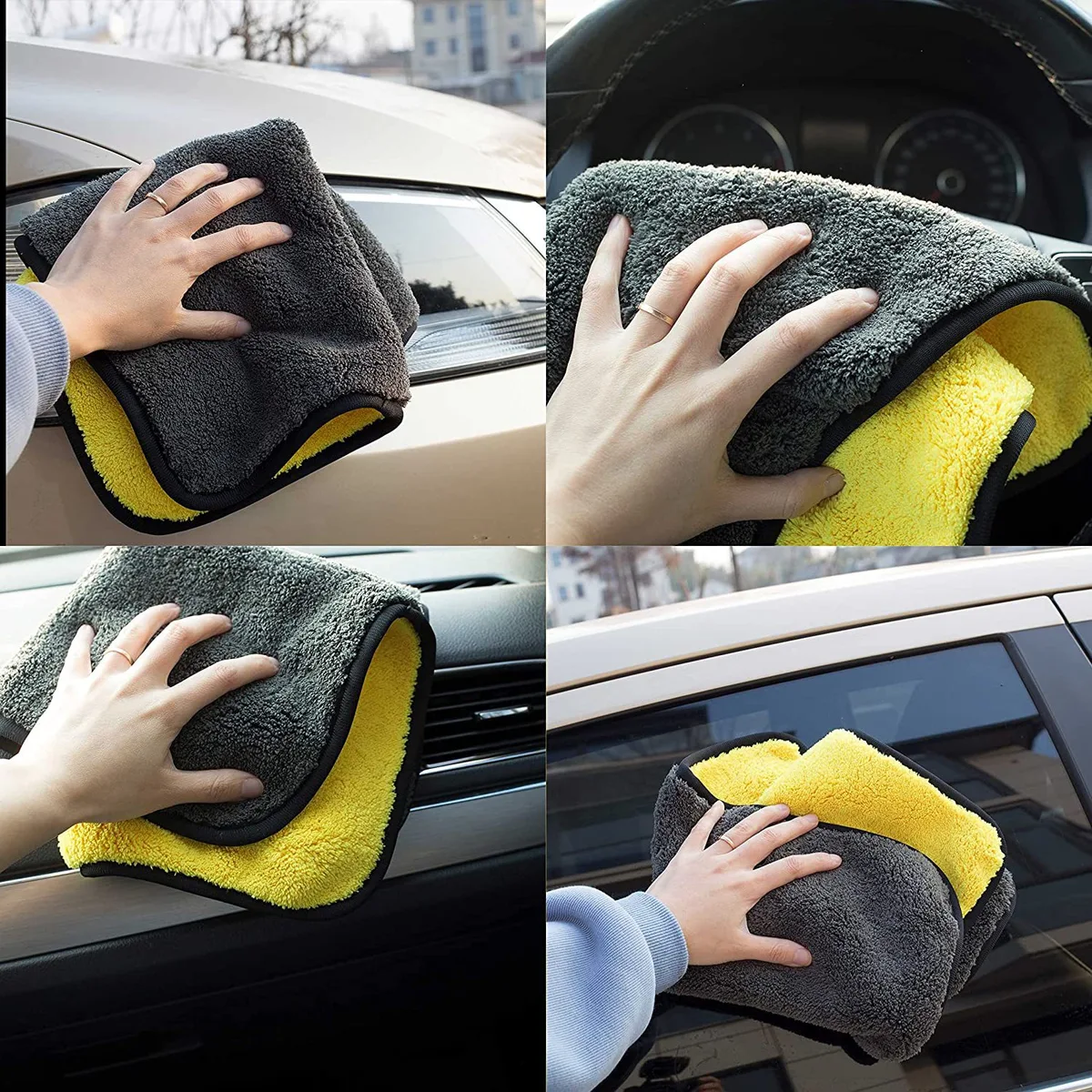
Spray the quick detailer onto one panel at a time. Use a plush microfiber towel with at least 350 GSM. Fold it into quarters so you have eight clean surfaces.
Glide the towel across the panel with almost no pressure. Let the spray do the lifting. Flip to a clean section after every pass.
This works because the lubricants in the spray encapsulate the dust particles and lift them off the paint without dragging them. The protective coating underneath gives you a slick surface that releases contaminants easily.
Skip this if: Your paint is unsealed or oxidized. The dust will stick harder and the quick detailer won't provide enough lubrication.
Branch 2: Heavy Dust or Pollen Layer
Conditions met: Moderate to heavy visible dust, dry, but no heavy grit feeling.
Recommended action: Rinseless wash concentrate diluted to waterless wash ratio.
Mix the rinseless wash at the waterless ratio specified on the bottle, typically around 1 ounce per gallon of distilled water. Fill a spray bottle. Spray liberally on one panel.
Wait 10 to 15 seconds for the solution to encapsulate the particles. Wipe with a damp microfiber towel, then follow with a dry towel to buff.
The key difference here is dwell time and lubricity. You're using more product and giving it time to work. This prevents the dust from being dragged across the surface.
Branch 3: Dust Mixed with Dew, Rain, or Moisture
Conditions met: Any dust layer with visible moisture, dew, or rain residue.
Recommended action: Full contactless rinse first, then assess.
Use a pressure washer or a garden hose with a spray nozzle. Rinse the entire car from top to bottom. The water pressure knocks off the loose dust and rehydrates the bonded particles.
Do not touch the paint during this step.
After rinsing, re-evaluate. If the car looks mostly clean, a rinseless wash is sufficient. If water spots or dirt remain, proceed to a full two-bucket wash.
Branch 4: Construction or Industrial Dust
Conditions met: Visible gritty particles, rough feel, or parking near active construction.
Recommended action: Pressure wash pre-rinse, then foam cannon, then two-bucket method.
This is not negotiable. Construction dust contains silica particles that are harder than your clear coat. Dry contact of any kind will scratch.
Even a damp towel can grind particles into the paint.
Start with a thorough pressure wash using a nozzle no wider than 40 degrees. The recommended pressure for this task is typically between 1200 and 1900 PSI, which you can verify against standard pressure washer specs. Follow with a foam cannon application using a pH-neutral car shampoo.
Let it dwell for three to five minutes to encapsulate and lift the dirt. Rinse. Then proceed with the two-bucket wash method.
The Right Tools for Each Branch (Don't Use the Wrong Towel)
The tool you use matters more than the product. Use the wrong towel, and it doesn't matter how expensive your spray is. You're still scratching.
Microfiber Towel Buying Quick Guide
| Towel Type | GSM Range | Best Use Case | What to Avoid |
|---|---|---|---|
| Plush microfiber | 350-500 GSM | Dust removal, quick detailer | Using on contaminated paint |
| Waffle weave | 300-400 GSM | Drying, glass | Using for dust removal |
| Edgeless microfiber | 400-500 GSM | Final buffing | Using with dry dust |
| Thin microfiber | 200-300 GSM | Interior, wheels | Using on paint at all |
For dust removal specifically: You want a plush, edgeless microfiber towel between 350 and 500 GSM. The higher the GSM, the more surface area to trap dust. Avoid towels with tags or stitched edges.
Those sewn edges can scratch paint all by themselves.
You also need to keep your towels clean. Washing them with fabric softener ruins their absorbency. Use a dedicated microfiber detergent or a free-and-clear liquid soap.
Air dry or tumble dry on no heat.
What About Dusters?
The classic California Car Duster has its place. But paraffin-wax dusters are only safe on lightly dusty surfaces with intact wax protection. On any other surface, they can streak, smear, or scratch.
Use them with caution.
Step-by-Step: The Quick Dust Removal Workflow
Bing (Web (fair-use with source credit))
Let's walk through the actual process for the most common scenario. Light to moderate dry dust on a protected surface. This is what 80 percent of daily drivers face.
Step 1: Park in the shade. Direct sunlight heats the panel and causes sprays to evaporate before they can lift the dust. That leaves residue and streaks.
Step 2: Do the feel test. Run your palm across the hood. If it's smooth, proceed. If it's gritty, skip to the rinse step.
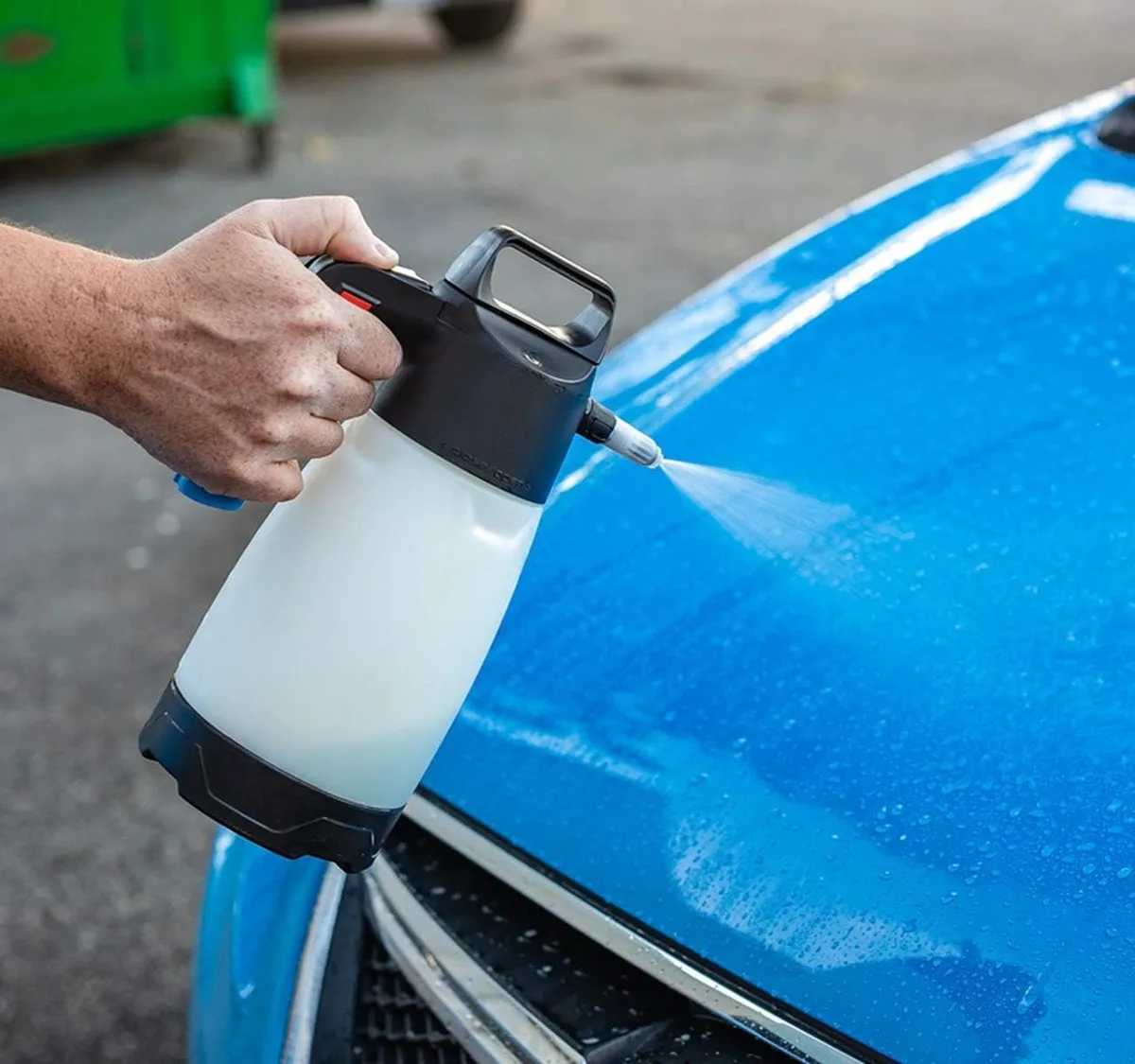
Step 3: Spray one panel at a time. Start with the roof. Work top to bottom. Use a rinseless wash diluted to waterless ratio or a dedicated quick detailer.
Spray enough that the surface looks wet, not damp.
Step 4: Fold your microfiber towel into quarters. This gives you eight clean surfaces. Never use a dirty towel face twice.
Step 5: Glide, don't press. Let the lubricant do the work. Use a straight back-and-forth motion or a single pass. No circles.
Circles concentrate scratches into visible patterns.
Step 6: Flip and repeat. Once you've used all eight towel faces, grab a fresh towel. Never reuse a towel that's picked up dust.
Step 7: Buff dry with a separate towel. Use a clean dry microfiber to remove any remaining moisture. This prevents water spots and gives you that just-washed look.
Total time for a sedan is about eight to ten minutes. That's faster than dragging out a hose and bucket.
Mistakes That Send Dust Straight Into Your Clear Coat
Bing (Web (fair-use with source credit))
Here are the errors we see most often in verified buyer feedback reports. Avoid these and your paint stays glossy for years.
Using a dry towel on dry dust. This is the number one killer of clear coats. Without lubrication, dust particles roll across the paint like tiny ball bearings. Each one leaves a scratch.
Applying too much pressure. You don't need to scrub. The chemical action of the spray does the lifting. Your hand is just there to guide the towel.
Light pressure only.
Using the wrong towel. Cotton rags, terry cloth, and old t-shirts all feel soft. Under a microscope, they're rough enough to scratch clear coat. Stick to automotive-grade microfiber.
Working on a hot surface. Hot panels cause spray products to evaporate instantly. The dust stays put. The product residue dries on the paint.
You end up wiping dry chemicals across the surface.
Skipping the rinse with heavy dust. If the 30-second test told you the dust is thick or gritty, listen to it. No amount of lubricant makes dragging construction dust across your paint safe.
Reusing a contaminated towel. Once a microfiber towel picks up dust, that dust is embedded in the fibers. Using that same towel on another panel just redistributes the grit. Use fresh towels.
What About Dusters? When They Work and When They Don't
The California Car Duster has been around for decades. It's a cotton mop head treated with paraffin wax. The theory is that the wax attracts and holds dust particles without scratching.
Here's the reality. Dusters work well in one specific scenario. Light, dry, loose dust on a well-waxed surface.
If those three conditions are met, you can sweep the duster across the panel and pick up dust without touching the paint.
But there are catches. The duster itself must be clean. If the mop heads pick up grit from a previous use, that grit stays in the fibers.
You're then dragging it across your paint on the next pass.
The paraffin wax can leave streaks in direct sunlight or on warm panels. Some formulations also leave a residue that attracts more dust over time. And dusters cannot handle bonded contaminants.
Pollen that's been sitting with morning dew won't lift off. It'll smear.
Our recommendation. Keep a duster for between-wash touchups on a garage-kept car with good protection. Don't use it on a daily driver parked outside.
The risk of dragging embedded grit outweighs the convenience.
How Protection Level Changes Everything (Wax vs. Sealant vs. Ceramic)
The amount of protection on your paint directly determines how safe dust removal is. A well-protected surface releases dust easily. A bare or oxidized surface grabs onto it.
Let's look at the three common protection levels and what they mean for dust management.
| Protection Type | Lifespan | Dust Release | Best Dust Method | Risk Level |
|---|---|---|---|---|
| Natural wax (carnauba) | 4-8 weeks | Good | Quick detailer | Low with care |
| Synthetic sealant | 3-6 months | Very good | Rinseless wash | Very low |
| Ceramic coating | 2-5 years | Excellent | Spray and wipe | Minimal |
| No protection | N/A | Poor | Full wash only | High |
Ceramic coatings are the gold standard for dust management. The surface becomes so slick that dust barely sticks. A light rinse or even a heavy dew can wash it off.
When you do need to wipe, the lubricity of the coating reduces friction dramatically.
Synthetic sealants offer strong chemical resistance and good slickness. They're more durable than wax but slightly less slick than ceramic.
Natural carnauba wax provides warmth and depth of gloss. It also offers decent dust release, but it degrades faster. Once the wax wears thin, dust starts bonding to the clear coat itself.
No protection at all. If your paint is bare or oxidized, every dust removal is high risk. The dust embeds into microscopic pores in the clear coat. Unprotected paint accumulates swirl marks at roughly three times the rate of waxed paint.
If you haven't applied protection in the last few months, do that first. A ceramic spray coating is the easiest option for beginners. It takes about 30 minutes and transforms how your car handles dust.
Real-World Scenarios: Daily Driver, Street Parking, Garage Queen
Different situations call for different strategies. Here's how the decision tree plays out in real life.
The Daily Driver Parked Outside
You park at work, at the store, and overnight in your driveway. Your car accumulates a light dust layer every day. You don't have time for a full wash twice a week.
Best approach: Keep a spray bottle of rinseless wash and a pack of clean microfiber towels in your trunk. Do a quick panel-by-panel wipe every other morning. It takes five minutes.
Do this on cool panels only, preferably before you drive.
Watch out for: Bird droppings and tree sap. These bond quickly and need spot treatment. Don't wipe them with a dry towel.
The Street Parker Near Construction
Your apartment has street parking only. There's a new building going up two blocks away. Your car has a fine gray dust layer every morning.
Best approach: Accept that you need a full rinse every time. Keep a water sprayer filled with plain water. Give the car a quick rinse before any contact.
The water gun for car wash type attachments on a garden hose work well for this. After the rinse, use your normal dust removal process.
Watch out for: The dust accumulating inside door jambs and around the trunk seal. Open and wipe these areas weekly to prevent abrasive buildup.
The Weekend Car in a Garage
Your car lives in a garage. It gets driven on weekends only. Dust settles from the air and from driving it out and back in.
Best approach: A California Car Duster for the light garage dust, followed by a quick detailer spray once a month. The paint stays protected because it's rarely exposed to the elements.
Watch out for: Garage dust that mixes with humidity. If your garage is damp, the dust can bond to the paint. In that case, use a quick detailer spray instead of the duster.
The Family Hauler with Kids
Your SUV picks up kids from school, hauls groceries, and rarely gets pampered. Dust mixes with fingerprints, food crumbs, and mystery stains.
Best approach: Once a week, do a proper rinseless wash. Use the Garry Dean method where you pre-soak multiple towels in the rinseless solution, then use each one on a single panel. The higher lubricity handles the mixed contamination better than a quick detailer.
Watch out for: Handprints and sticky residue around door handles. These attract extra dust. Wipe them with a dedicated interior-safe cleaner to prevent the dust from building up thick layers.
When to Just Leave the Dust Alone and Walk Away
Sometimes the smartest move is to do nothing. Dust doesn't damage paint by sitting there. It only causes harm when you start rubbing it around.
Leave it alone if the dust is heavy and you don't have time for a proper rinse. A dry quick detailer wipe on thick dust is worse than leaving it dirty for another day. The same goes for dusty cars parked in direct sunlight.
Wait until the panels cool down in the evening.
You should also walk away if your towels are all dirty. Reusing a contaminated microfiber towel is one of the fastest ways to introduce swirl marks. It's better to drive a dusty car for a day than to scratch it with a gritty rag.
The One-Product Solution for Most Dust Situations
If you only buy one product for dust management, make it a rinseless wash concentrate. A single bottle dilutes into multiple uses. It works as a quick detailer at waterless ratios.
It works as a rinseless wash at standard ratios. And it works as a clay lubricant when you need to decontaminate.
Rinseless wash products offer the best balance of lubricity, cleaning power, and safety across all dust types. They encapsulate particles rather than just pushing them around.
Mix a small batch in a spray bottle for daily dust touchups. Keep a larger bucket mix for weekly maintenance. You get professional-grade protection without needing a driveway full of buckets and hoses.
To get the most out of your rinseless wash, pair it with the car washing attachment for garden hose for a quick pre-rinse when needed.
FAQs
Can I use a dry microfiber towel to dust my car?
No. A dry microfiber towel on dry dust acts like sandpaper. Always use some form of lubrication, even if it's just a quick detailer spray.
How often should I dust my car?
It depends on your environment. Once a week is reasonable for most daily drivers. More often if you park under trees or near construction.
Less often if your car stays in a garage.
Will a ceramic coating keep dust off my car?
No coating keeps dust off entirely. But ceramic coatings make dust release much easier. A light rinse or a spray wipe lifts it away with minimal friction.
Is it safe to use a California Car Duster?
Only on light, dry dust over a protected surface. Avoid using it on gritty dust, damp paint, or unprotected clear coats.
What's the best towel for dust removal?
A plush, edgeless microfiber towel between 350 and 500 GSM. The higher GSM traps dust in the fibers rather than dragging it across the paint.
Can I use waterless wash on construction dust?
No. Construction dust contains silica particles that are harder than clear coat. Always rinse construction dust off completely before any contact.
If you've been using the wrong wash methods and noticed scratches, check out what detailers use for proper protection like the Perfextion Car Wash Shampoo in foaming gun for a safer approach going forward.