Florida’s $10,000 property damage liability PDL minimum coverage is the state’s legal baseline for protecting others if you’re at fault in a crash. It’s not optional, every registered vehicle in Florida must carry it, and driving without it triggers fines, license suspension, and reinstatement hassles.
This requirement kicks in the moment you hit the road, covering damage to another person’s car, fence, or building up to $10,000 per accident. As of 2026, Florida’s no-fault system still mandates this minimum, even though it won’t pay for your own repairs or injuries.
Quick Answer
Florida $10000 property damage liability PDL minimum coverage is the state’s required insurance for property damage you cause to others. It pays up to $10,000 per accident. It does not cover your own vehicle.
Florida law requires it for all registered cars. Proof must be carried when driving.
What Florida’s $10,000 PDL Minimum Coverage Actually Means
This is Florida’s bare-bones legal requirement for property damage liability. If you cause an accident, PDL covers the cost of repairing or replacing the other party’s property, whether that’s their car, a mailbox, or a storefront window.
It’s not a suggestion. Florida Statute 627.7279 explicitly sets the $10,000 minimum, and the Florida Office of Insurance Regulation enforces it. Without it, you’re driving illegally, and the consequences start the moment you’re pulled over or involved in a crash.
Note that PDL only covers others’ property. Your own car’s damage falls under collision coverage, which is separate and optional. Many drivers assume PDL protects them too, that’s a costly mistake.
Why Florida Requires $10,000 in Property Damage Liability
Florida’s no-fault insurance system prioritizes quick payouts for minor accidents. But it still holds at-fault drivers financially responsible for property damage they cause. The $10,000 minimum ensures that, at the very least, there’s some financial protection for the other party.
The state’s high rate of uninsured drivers, around 20%, also plays a role. Without mandatory PDL, more accidents would leave victims with no recourse for repairs. Florida’s approach balances affordability for drivers with basic protection for others.
This requirement also aligns with the state’s broader financial responsibility laws. If you can’t prove insurance, you risk losing your license, registration, and even facing court fees. The Florida Department of Highway Safety and Motor Vehicles actively checks compliance through an electronic database.
What PDL Covers (and What It Doesn’t)
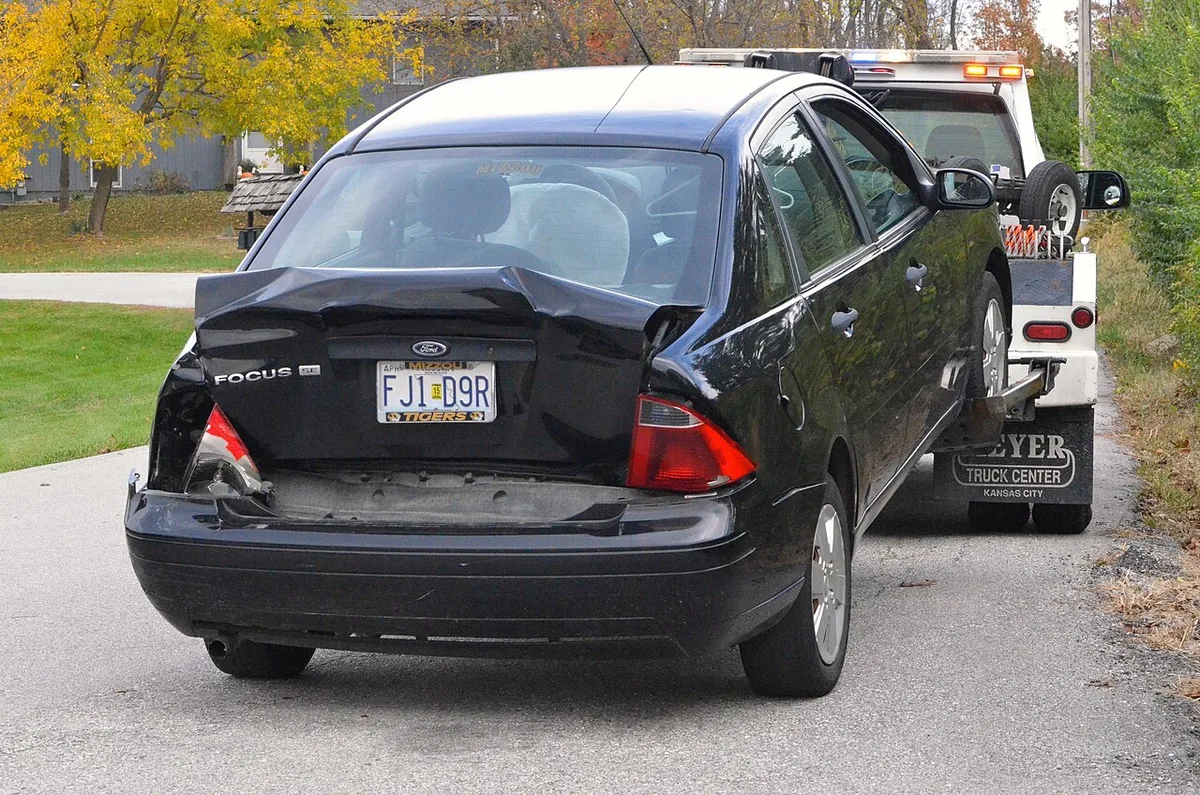
PDL pays for damage you cause to someone else’s property in an at-fault accident. That includes their car, a fence, a building, or even a street sign. It’s strictly for their losses, not yours.
Here’s what PDL does not cover:
- Your own vehicle’s repairs
- Medical bills for you or others
- Damage from non-accident events like theft or fire
- Intentional damage or illegal activity
If the damage exceeds $10,000, you’re on the hook for the difference. That’s why many drivers opt for higher limits, especially in areas with expensive vehicles or property.
Who Needs This Coverage in Florida
Every driver with a registered vehicle in Florida needs PDL. That includes:
- New residents who just moved to the state
- Teen drivers added to a family policy
- Owners of older cars who skip full coverage
- Rental car users
Even if you don’t drive often, the law doesn’t make exceptions. The moment your car is registered, PDL is mandatory. And if you’re caught without it, the penalties apply regardless of your driving history.
For those with a loan or lease, lenders typically require higher limits. But the state’s $10,000 minimum is the absolute floor for legal compliance.
The Risks of Sticking to the $10,000 Minimum
$10,000 sounds like a lot until you total a luxury car or plow into a commercial building. In today’s market, even a modest sedan can cost $15,000, $20,000 to replace. If you’re at fault, you’re personally responsible for any amount over your PDL limit.
Here’s what can happen if you’re underinsured:
- You pay out of pocket for the remaining damage
- The other party sues you for the difference
- Your wages could be garnished if a judgment is issued
Florida’s no-fault system doesn’t protect you from lawsuits in severe cases. If the other driver’s damages exceed your coverage, they can, and often will, pursue you for the balance.
Penalties for Driving Without PDL in Florida
Florida doesn’t take uninsured driving lightly. The first offense carries a $150 fine and a license suspension until you provide proof of insurance. You’ll also pay a reinstatement fee to get back on the road.
Repeat offenses escalate quickly. A second violation jumps to a $250 fine and a longer suspension. The state may also require an SR-22 certificate, which labels you as a high-risk driver and spikes your insurance rates.
The Florida Department of Highway Safety and Motor Vehicles monitors compliance electronically. If your insurance lapses, even for a day, you could face penalties. There’s no grace period for being uninsured.
How to Get (and Prove) PDL Coverage
Start by purchasing a policy from any insurer licensed in Florida. The $10,000 PDL minimum is standard, but you can opt for higher limits. Most insurers offer quotes online in minutes.
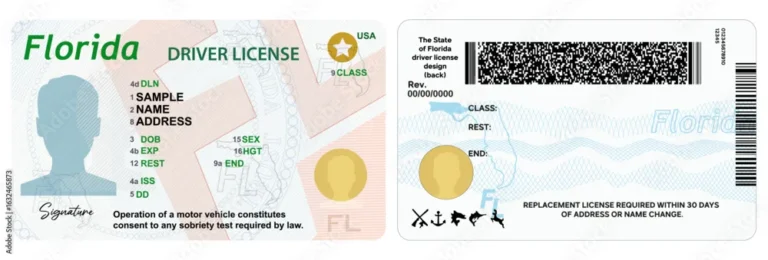
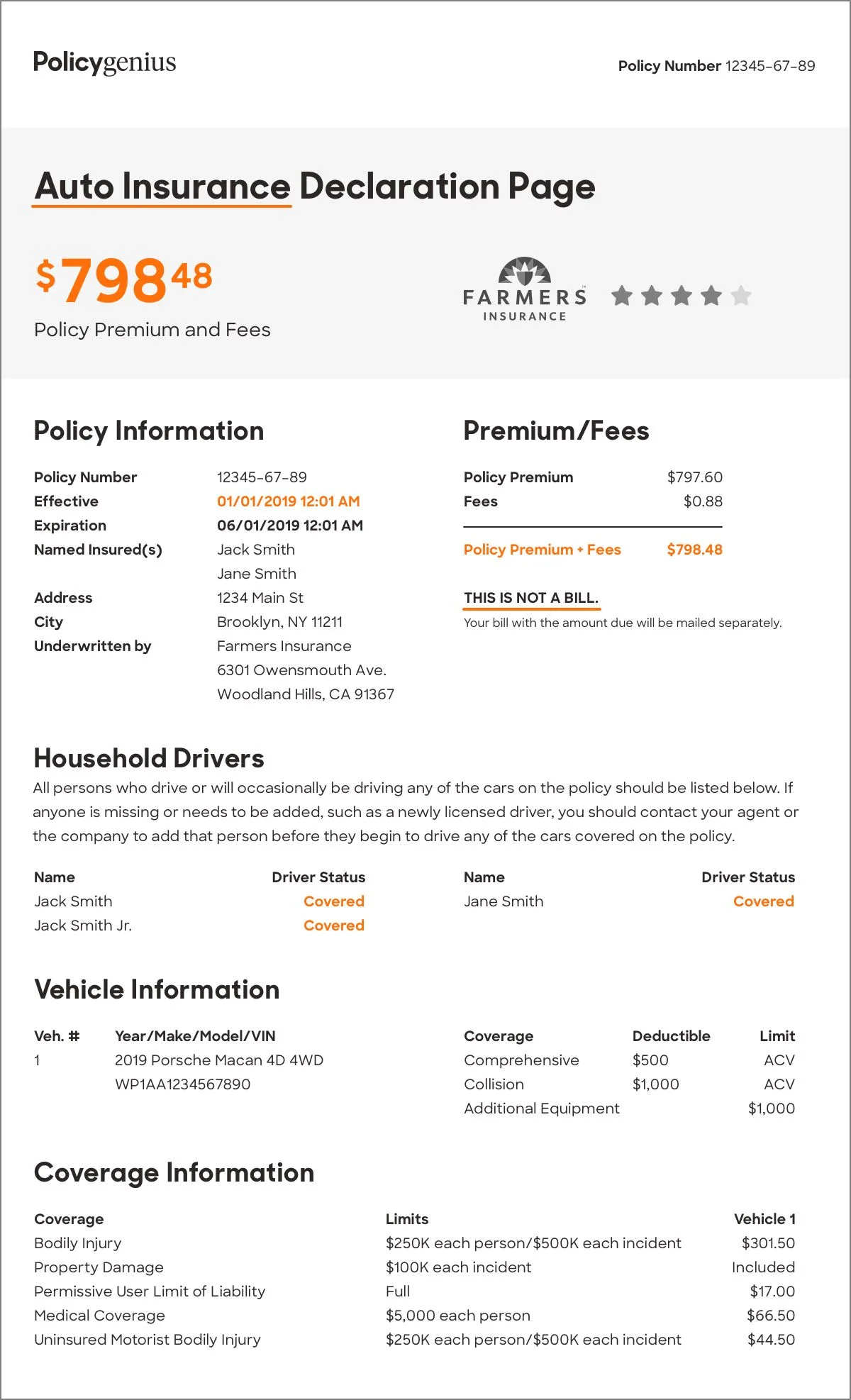
Once you have coverage, you’ll receive an insurance card. Keep a digital or physical copy in your vehicle at all times. Florida law requires you to show proof if a law enforcement officer asks.
The state also verifies coverage through its electronic database. Your insurer reports your policy status directly. If you switch providers, make sure there’s no gap in coverage to avoid penalties.
When $10,000 Isn’t Enough: Real-World Scenarios
A $10,000 limit might cover a fender bender, but it falls short in many common situations. Hitting a newer car could easily exceed that amount. A single accident involving a Tesla or a luxury SUV can rack up $20,000 or more in repairs.
Commercial property damage is another risk. Knocking down a storefront sign or damaging a building can quickly surpass your limit. You’d be personally responsible for the difference.
Even a multi-vehicle pileup can strain the minimum. If you’re at fault and damage three cars, $10,000 may not stretch far enough. Higher limits provide a buffer against these real-world costs.
How Much Does $10,000 PDL Cost in Florida?
The average cost for minimum PDL coverage in Florida ranges from $50 to $150 per year. Your exact rate depends on factors like your driving record, age, location, and the vehicle you drive.
Urban areas like Miami or Orlando tend to have higher premiums due to increased traffic and accident rates. Rural drivers often pay less for the same coverage.
Shop around for quotes. Rates can vary significantly between insurers for the same minimum policy. Bundling with other coverage, like PIP or collision, may also lower your overall cost.
Common Mistakes Florida Drivers Make With PDL
Many drivers assume PDL covers their own car. It doesn’t. That’s a separate collision policy.
Others let their insurance lapse between policies. Even a one-day gap can trigger penalties and reinstatement fees.
Some drivers also forget to update their insurance after moving. Florida requires continuous coverage, regardless of where you live in the state.
Finally, don’t assume the minimum is enough. If you have assets to protect, higher limits can prevent financial hardship after an accident.
How to Decide If You Need More Than $10,000
Start by looking at your assets. If you own a home, savings, or other valuable property, higher limits protect you from lawsuits. The more you have to lose, the more coverage you should consider.
Next, think about where you drive. Urban areas with expensive cars and high repair costs make $10,000 riskier. Rural drivers may face lower risks but should still weigh the potential costs.
Finally, check your budget. Higher limits add only a few dollars per month to your premium. For most drivers, the extra protection is worth the small cost.
Florida PDL FAQs
Does PDL cover my own car if I cause an accident?
No. PDL only pays for damage you cause to others’ property. Your own vehicle needs collision coverage for accident repairs.
What happens if damage exceeds my $10,000 limit?
You’re personally responsible for the difference. The other party can sue you for the remaining amount.
Can I drive in Florida with out-of-state insurance?
Only if your policy meets Florida’s minimum requirements. Most out-of-state policies do, but you must update to a Florida policy within 30 days of becoming a resident.
Is PDL the same as full coverage?
No. Full coverage includes PDL plus collision and comprehensive. PDL alone is the legal minimum but offers limited protection.
How do I prove I have PDL coverage?
Carry your insurance card or a digital copy. Florida also verifies coverage electronically through its database.
Can I get PDL without a car?
No. PDL is tied to a registered vehicle. If you don’t own a car but drive occasionally, consider a non-owner policy.
The Bottom Line: Is $10,000 PDL Right for You?
The $10,000 minimum meets Florida’s legal requirement, but it’s often not enough. If you have assets or drive in high-risk areas, higher limits provide better protection.
For drivers with older cars and limited assets, the minimum may be sufficient. Just be aware of the risks if you cause significant damage.
Always compare quotes and consider your personal financial situation. A small increase in premiums can save you thousands in the long run.