Georgia emissions testing exemptions for vehicles under three years old are simpler than most folks expect. If you've just titled a newer ride in the Atlanta metro, you can probably skip the sniff test this year.
The state waives testing for the first three model years under O.C.G.A. § 40-2-20. As of 2026, that saves new owners the standard $25 fee and a station visit. Let's walk through how the exemption actually works.
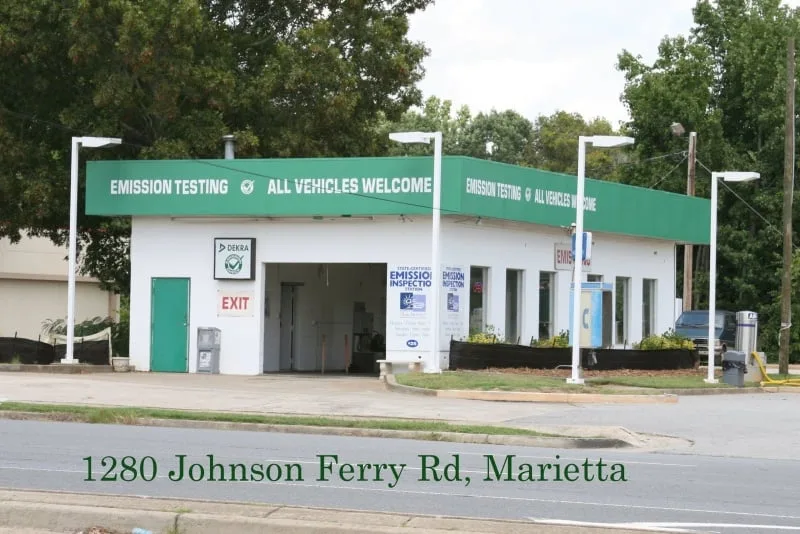
Georgia Emissions Test Exemptions for Newer Vehicles
Does Georgia Exempt New Cars from Emissions Testing?
Yes, Georgia exempts new cars from emissions testing for their first three model years. The exemption applies only in counties that require testing at all. If you live outside those zones, your car is exempt regardless of age.
The rule is tied to model year, not the date you bought the car. A 2024 model is exempt through the 2026 testing cycle. Once it turns four model years old, you must test before registration.
We cover broader state motor vehicle rules that affect owners across the U.S. Georgia's approach is friendly to new-car buyers but strict after the window closes.
Quick Answer: The 3-Year Rule
Georgia emissions testing exemptions for vehicles under three years old follow a model-year rule. New vehicles are exempt for their first three model years. This applies in all Georgia testing counties.
You pay no test fee during that period. Verify the year using the VIN or sticker.
Which Georgia Counties Require Emissions Testing?
Only the 13 metro Atlanta counties enforce the emissions program. If you register outside that zone, no test is needed at any age.
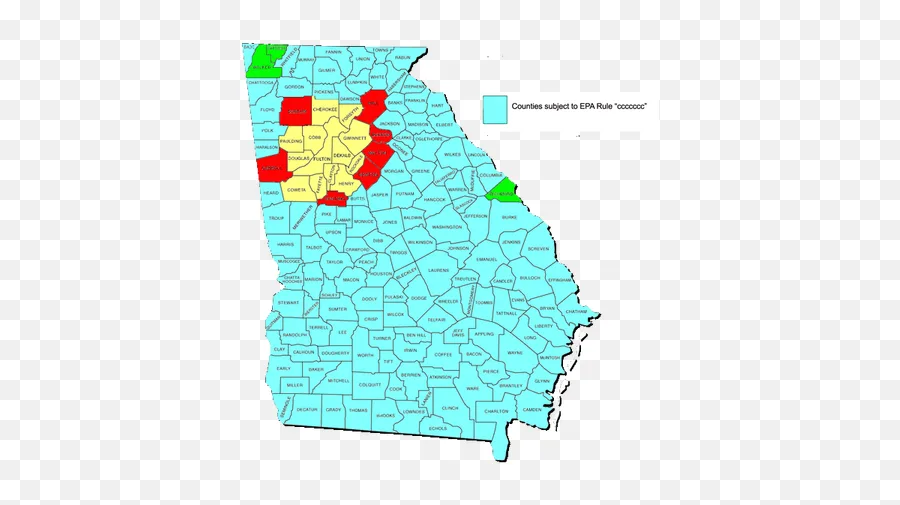
The counties are Cobb, DeKalb, Fulton, Gwinnett, Clayton, Cherokee, Douglas, Forsyth, Hall, Henry, Paulding, Rockdale, and Walton. If your registration address is not in one of these, you skip testing entirely.
The Georgia Environmental Protection Division outlines the program on its official site (https://epd.georgia.gov). They update county lists when boundaries shift. Always check your registration card for the testing flag.
Here’s a quick view of the testing zone:
| County | Testing Required? | Exemption for Under 3 Yrs |
|---|---|---|
| Cobb | Yes | Yes |
| Fulton | Yes | Yes |
| Gwinnett | Yes | Yes |
| Hall | Yes | Yes |
| Outside listed | No | Not needed |
If you move from a non-testing county to a testing one, the rule kicks in at your next renewal. The age of your car on that date decides if you test.
Our vehicle compliance hub compares Georgia to other state programs.
How the Exemption Works (Model Year vs. Purchase Date)
The exemption uses model year, not purchase date. This trips up many owners who think their sale receipt matters. It doesn’t.
Follow this logic:
- If model year is current year, you are exempt.
- If model year is one year prior, you are exempt.
- If model year is two years prior, you are exempt.
- If model year is three or more years prior, you must test.
A 2023 car in 2026 is two model years old. It qualifies for the waiver. A 2022 car in 2026 is four years old and needs a passing test.
The Georgia Department of Revenue handles registration based on this clock. Dealer paperwork often notes the exemption automatically. You still must confirm the model year on file is correct.
Leased vehicles get the same break. The clock starts at the manufacturer's model year, not the lease start.
How to Check If Your Vehicle Qualifies
You can confirm eligibility in five minutes with two documents. The door jamb sticker shows the model year plainly. Your title or registration also lists it.
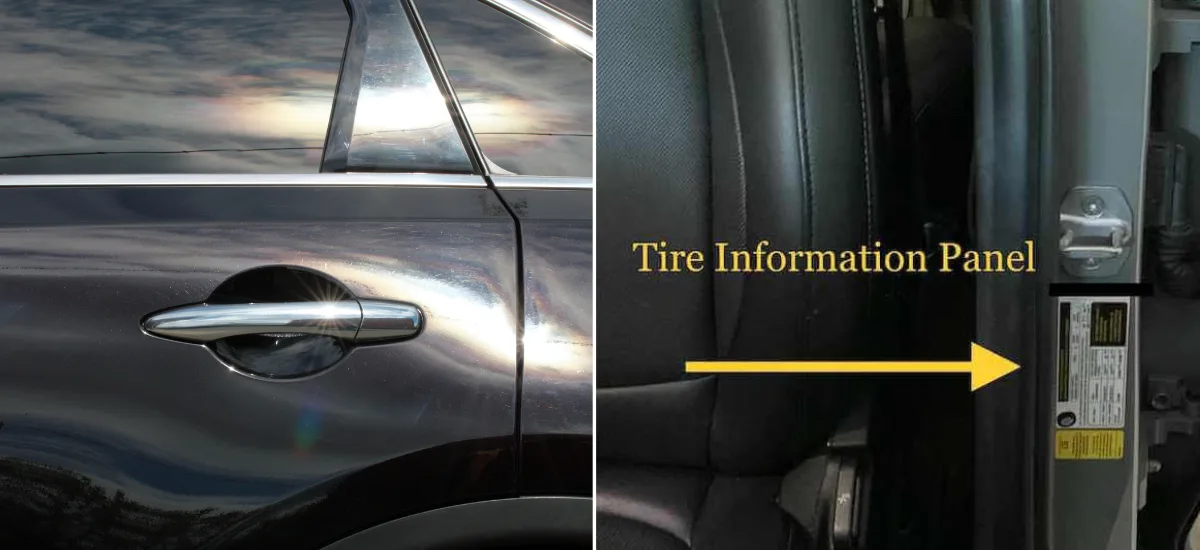
Step one: open the driver door and find the certification label.
Step two: read the "MODEL YEAR" line.
Step three: subtract that number from the current year.
If the result is 0, 1, or 2, you are exempt. If it is 3 or more, plan for a test.
You can also use the Georgia Clean Air Force online tool. Enter your VIN and it returns the status. Keep a screenshot in case the tag office questions it.
What You Need to Prove the Exemption
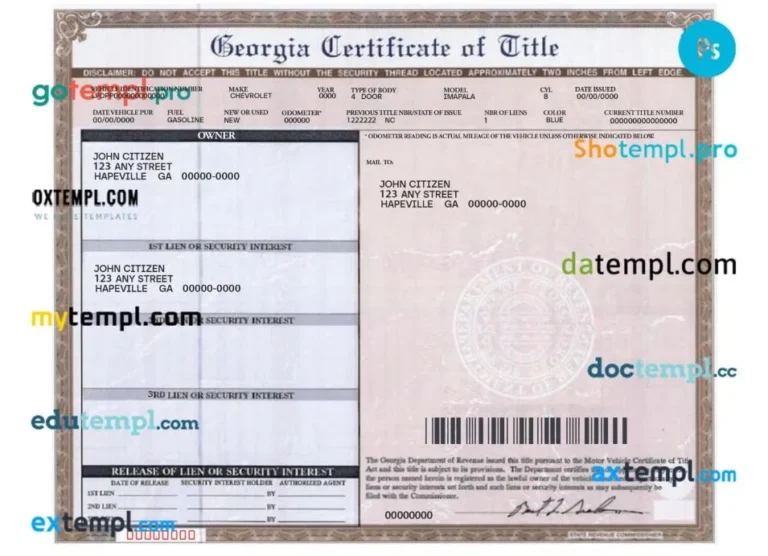
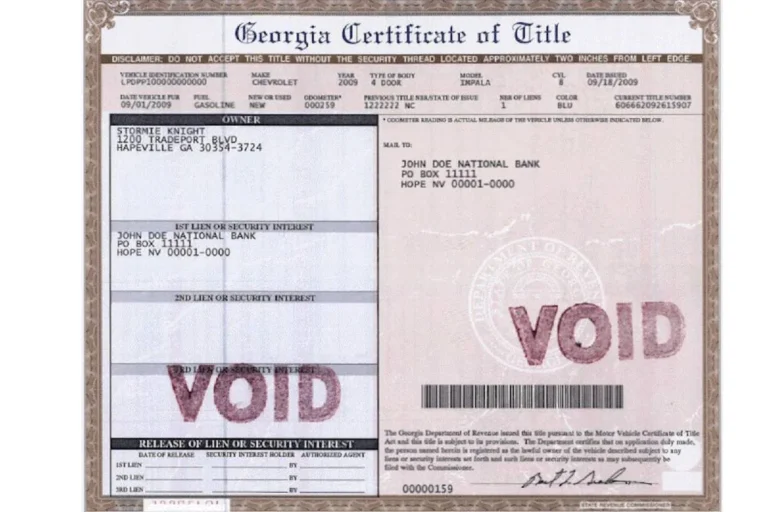
You don’t need a special form to claim the exemption. The state relies on your vehicle’s model year in its records. Your title or registration already lists this.
If you bought from a dealer, they usually file the paperwork with the correct year. Double check the model year on your registration card. If it’s wrong, contact the county tag office to fix it before your renewal.
For private sales, bring the title showing the model year when you register. The clerk will verify it against the VIN.
What Happens If You Ignore the Rules?
Skip the test when required and you won’t get your registration. Georgia blocks renewals until you pass or qualify for a waiver. You’ll also face a late fee.
If you’re pulled over with an expired registration, you’ll get a ticket. The fine starts at $85 and goes up from there. Fixing it means paying the fee plus the test cost.
The state doesn’t issue warnings. They simply deny your plates until you comply.
Common Mistakes That Get People in Trouble
Assuming the exemption lasts three years from purchase is the top error. It’s three model years, not three years since you bought it. A 2021 car bought in 2023 is already past the window.
Another mistake is ignoring county lines. Move from a non-testing county to a testing one and the rule applies at your next renewal. Some owners don’t realize they’ve crossed into a testing zone.
Forgetting to update your address can also cause problems. The state mails renewal notices based on your registration address. If it’s wrong, you might miss the deadline.
What If Your Car Is Just Over 3 Years Old?
Once your car hits the four-model-year mark, you must test. There’s no grace period or extension. The cutoff is strict.
If your car fails, you’ll need repairs before retesting. Georgia offers one free retest within 30 days. After that, you pay the full fee again.
Some older vehicles qualify for other exemptions. Classic cars over 25 years old are exempt.
Other Georgia Emissions Exemptions You Might Qualify For
Electric vehicles are exempt from emissions testing. Hybrids follow the same three-year rule as gas cars. Diesel vehicles under 8,500 pounds also get the new-car exemption.
Vehicles over 25 years old are exempt as classics. Motorcycles and farm equipment don’t require testing. Government and military vehicles are often exempt too.
Here’s a quick reference:
| Vehicle Type | Exemption Status |
|---|---|
| New gas cars | 3 model years |
| Electric | Full exemption |
| Hybrids | 3 model years |
| Classics (25+ years) | Full exemption |
| Motorcycles | No testing required |
FAQs About Georgia’s New Car Emissions Exemption
Does the exemption apply if I bought my car used but it’s still under 3 years old?
Yes. The exemption is based on the vehicle’s model year, not ownership history. A 2023 model bought used in 2025 still qualifies.
What if my car’s model year is wrong on the registration?
Contact your county tag office to correct it. Bring your title or the door jamb sticker as proof. They’ll update the record before your next renewal.
Can I get a waiver if my older car fails the test?
Georgia offers a one-time waiver if repairs exceed $650. You must provide receipts and apply through the Georgia Clean Air Force.
Do I need to do anything special to claim the exemption?
No. The state automatically applies it based on your vehicle’s model year in its system. Just register as usual.
What happens if I move into a testing county with an older car?
You’ll need to pass an emissions test at your next renewal. The exemption only applies to new cars under three model years old.
Are diesel trucks exempt under the same rule?
Yes, if they’re under 8,500 pounds. Heavier diesels follow different federal testing rules.