ByMax Lee
Report a GA Traffic Accident Over $500 to Police
Georgia reporting a traffic accident to local police for damages over $500 is required by state law. If your crash happens on a public road and the damage appears to exceed $500, you must report it immediately to the proper authority. Skipping this step can lead to legal trouble and insurance complications.
The rule comes from O.C.G.A. § 40-6-273, which mandates reporting any accident with property damage over $500. As of 2026, this threshold remains unchanged, and the law applies whether you’re at fault or not.
Bing (Web (fair-use with source credit))
Quick Answer
Georgia reporting a traffic accident to local police for damages over $500 is mandatory. You must notify law enforcement if the crash occurs on a public road. The $500 threshold is based on apparent damage at the scene.
Failure to report can result in a misdemeanor charge.
Why Georgia’s $500 Rule Exists
This law ensures accidents are properly documented for legal and insurance purposes. It helps prevent hit-and-run incidents and provides a clear record for claims. The $500 threshold balances minor incidents with serious collisions.
The rule also supports Georgia’s traffic safety initiatives by tracking accident patterns. Without it, many crashes would go unreported, leaving gaps in road safety data.
The Exact Law: O.C.G.A. § 40-6-273 Explained
O.C.G.A. § 40-6-273 requires drivers to report accidents involving injury, death, or property damage over $500. The law applies to all public roads in Georgia, including city streets and state highways.
The statute specifies that the report must be made immediately if possible. If law enforcement doesn’t arrive at the scene, you must file a report with the nearest police agency. This ensures compliance even in minor accidents.
Who You Call Depends on Where the Crash Happened
Inside city limits
If the accident occurs within a city, call the local police department. They have jurisdiction over municipal roads and will respond to the scene.
Outside city limits (county roads)
For crashes on county roads outside city boundaries, contact the county sheriff’s office. They handle law enforcement in unincorporated areas.
On state highways or interstates
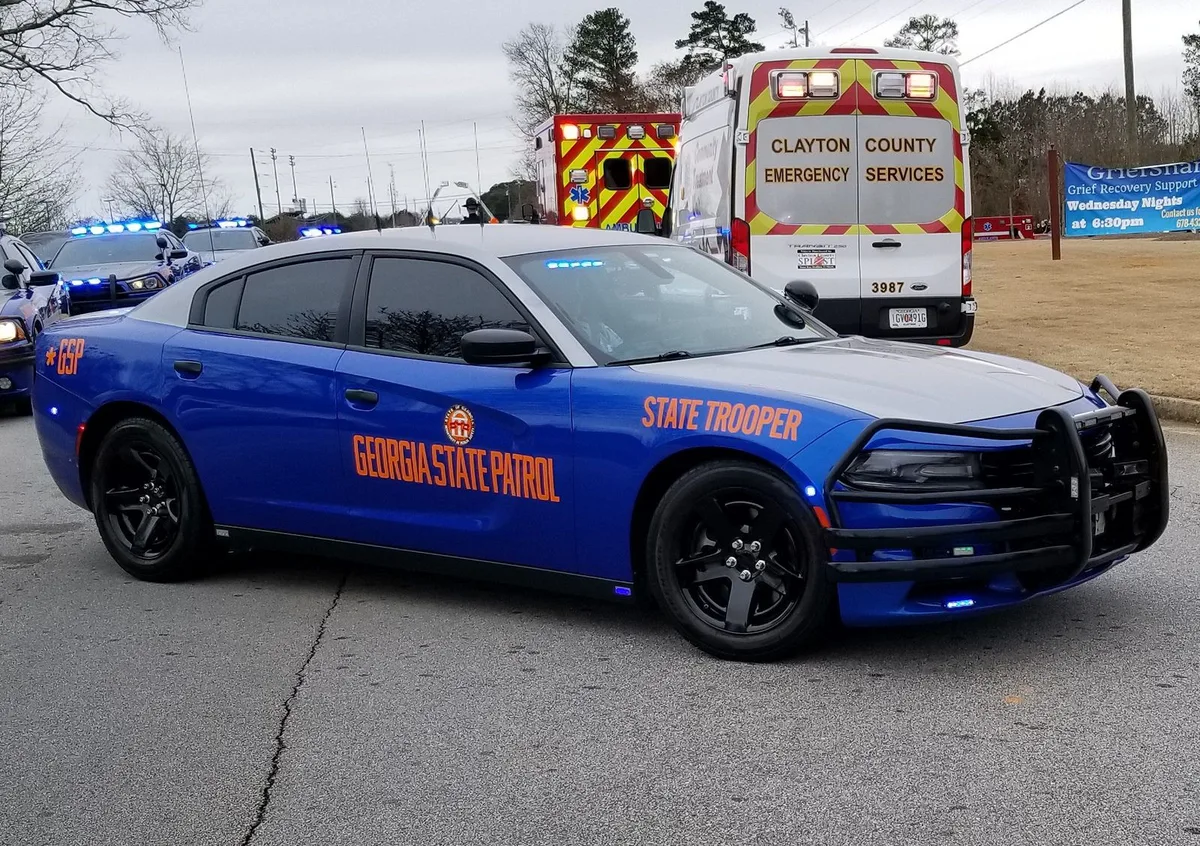
Accidents on state highways or interstates fall under the Georgia State Patrol’s jurisdiction. Call them directly or dial 911 for assistance.
Bing (Web (fair-use with source credit))
How to Decide If Damage “Exceeds $500”
Estimating damage at the scene can be tricky, but the law uses an "apparent" standard. If the damage looks like it could cost more than $500 to repair, you must report it.
Common signs of damage over $500 include visible dents, broken lights, or misaligned body panels. When in doubt, it’s safer to report the accident to avoid legal consequences.

Wikimedia Commons / Pedro Ribeiro Simões from Lisboa, Portugal (CC BY)
Step-by-Step: What to Do at the Scene
If the car is drivable
Pull over to a safe spot out of traffic. Turn on your hazard lights to alert other drivers. Check for injuries before assessing vehicle damage.
If the car isn’t drivable
Stay in your vehicle if it’s unsafe to move. Call 911 immediately if there are injuries or a traffic hazard. Do not attempt to move a severely damaged car.
If the other driver leaves
Note the license plate, make, and model if possible. Call the police right away to report a hit-and-run. This preserves your ability to file a claim later.
What Happens If You Don’t Report
You risk a misdemeanor charge under O.C.G.A. § 40-6-273. The penalty can include fines up to $1,000 or jail time. Your insurance company may also deny your claim without a police report.
Even if the other driver agrees not to report, you’re still legally required to do so. Verbal agreements don’t override Georgia law. The other party could later change their story.
Police Report vs. Insurance Claim: What’s the Difference?
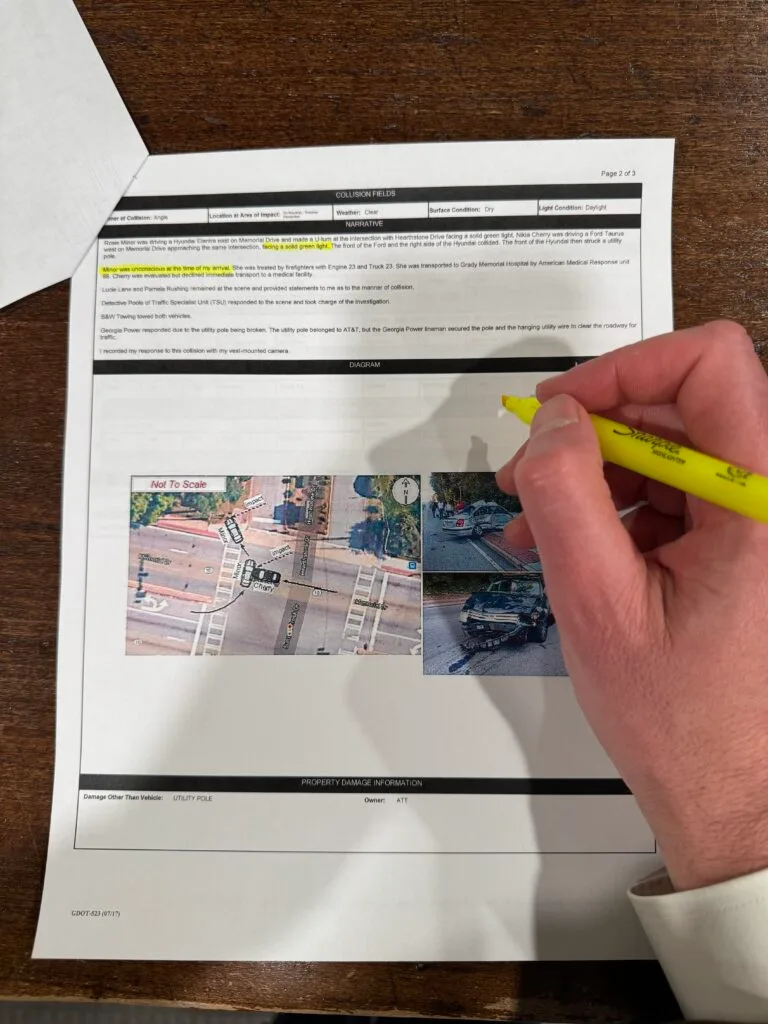
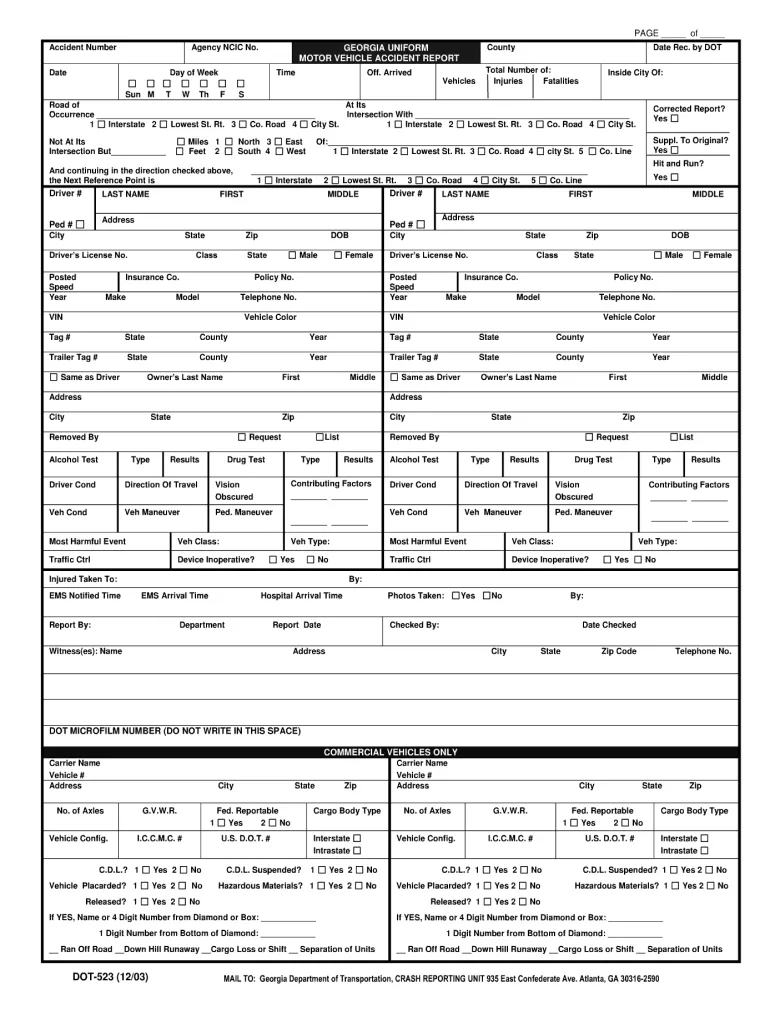
A police report is a legal document filed with law enforcement. It provides an official record of the accident details. Insurance companies use this to determine fault and process claims.
An insurance claim is your request for coverage from your provider. It’s separate from the police report but often requires one. Without it, your insurer may delay or deny payment.
How to Get Your Official Crash Report Later
You can request a copy from the responding police agency. Most departments provide reports online or in person. There’s usually a small fee for the document.
The report includes details like date, time, location, and involved parties. It may also note the officer’s assessment of fault. This is valuable for insurance and legal purposes.
Bing (Web (fair-use with source credit))
Common Mistakes That Cost You
Assuming damage is under $500 without a professional estimate is risky. What looks minor can be expensive to repair. Always err on the side of reporting.
Leaving the scene before exchanging information is another error. Even if you plan to report later, you must stop and share details. Failure to do so can lead to hit-and-run charges.
Not calling the right agency can cause delays. If you’re unsure, dial 911 and they’ll direct you. Calling the wrong department can waste precious time.
Frequently Asked Questions
Does the $500 rule apply to private property accidents?
No, the statute specifically covers public roads. However, your insurance may still require a report for private property claims.
Can I file a report online instead of calling?
Some departments allow online reporting for minor accidents. Check your local police or sheriff’s website for options.
What if the other driver refuses to exchange information?
Call the police immediately. They can assist in obtaining the necessary details. Never leave the scene without this information.
How long do I have to report the accident?
The law requires immediate reporting when possible. If you can’t call at the scene, do so as soon as it’s safe.
Will my insurance rates go up if I report?
Reporting doesn’t automatically raise rates. Fault determination and your policy terms affect premiums. Always check with your insurer.
What if I’m not sure about the damage amount?
When in doubt, report it. The $500 threshold is based on apparent damage at the scene. Underestimating can lead to legal trouble.