ByMax Lee
Guam Salvage Title Rules for Wrecked Vehicles
Guam salvage title requirements for wrecked or destroyed vehicles kick in when a car's damage hits 75% of its fair market value. If your vehicle's been totaled, you'll need to follow Guam's specific process to get a salvage title before you can sell, rebuild, or scrap it.
As of 2026, Guam's Department of Revenue and Taxation (DRT) enforces this rule strictly. Skipping steps can lead to fines or legal trouble. Here's how to determine if your vehicle qualifies and what to do next.
YouTube / Flipping Cars 4 Fun (YouTube thumbnail (fair-use with source credit))
Quick Answer
Guam requires a salvage title for any vehicle damaged to 75% or more of its value. You must submit proof of ownership, insurance paperwork, and damage photos to the Guam DRT. The process takes 1 to 4 weeks.
Driving a wrecked vehicle without a salvage title is illegal.
The Core Issue: When Does a Vehicle Become "Salvage" in Guam?
Guam's threshold is clear. If the cost to repair your vehicle meets or exceeds 75% of its fair market value, it's considered a total loss. This applies whether the damage comes from a collision, flood, fire, or theft recovery.
The Guam DRT doesn't just rely on your estimate. They require an official assessment from an insurance adjuster or licensed appraiser to confirm the damage percentage. Without this, you can't move forward with a salvage title.
Who needs to pay attention? Owners of wrecked vehicles, buyers of salvage cars, and military personnel stationed in Guam with damaged vehicles. If you're in any of these groups, the salvage title process is non-negotiable.
Determining Your Vehicle's Status: Total Loss vs. Repairable
Guam classifies salvage vehicles in two ways: repairable and non-repairable. The difference comes down to whether the vehicle can safely return to the road.
If the damage is under 75%, you might still repair it without a salvage title. But once it hits that threshold, the vehicle is legally considered a total loss. At this point, you must apply for a salvage title before doing anything else with the car.
YouTube / Arbitter Auto Appraisals (YouTube thumbnail (fair-use with source credit))
How do insurance claims factor in? If your insurer declares the vehicle a total loss, they'll typically handle the salvage title process for you. But if you're keeping the vehicle for parts or a rebuild, you'll need to take the lead.
Requirements for Owners: Getting the Salvage Title Issued
If you own a wrecked vehicle in Guam, the first step is gathering the right paperwork. You'll need:
- The original vehicle title or a court order if it's lost
- A completed Application for Salvage Certificate of Title from the Guam DRT
- Proof of ownership like your registration or bill of sale
- Insurance paperwork declaring the vehicle a total loss
- Clear photos of the damage from multiple angles
- A VIN verification conducted by the Guam DMV or a licensed inspector
Once you have everything, submit it to the Guam DRT in Hagåtña. They'll review your documents and issue a salvage certificate of title if everything checks out. This typically takes 1 to 4 weeks, depending on their workload.
YouTube / Simple Living (YouTube thumbnail (fair-use with source credit))
Fees vary, but expect to pay around $25 to $50 for the salvage title itself. If you're buying a salvage vehicle from someone else, you'll also need a bill of sale and the seller's salvage title to transfer ownership. For more on title transfers, check out our guide on how Michigan handles salvage title requirements.
The Rebuilt Title Path: Bringing a Wrecked Vehicle Back on the Road
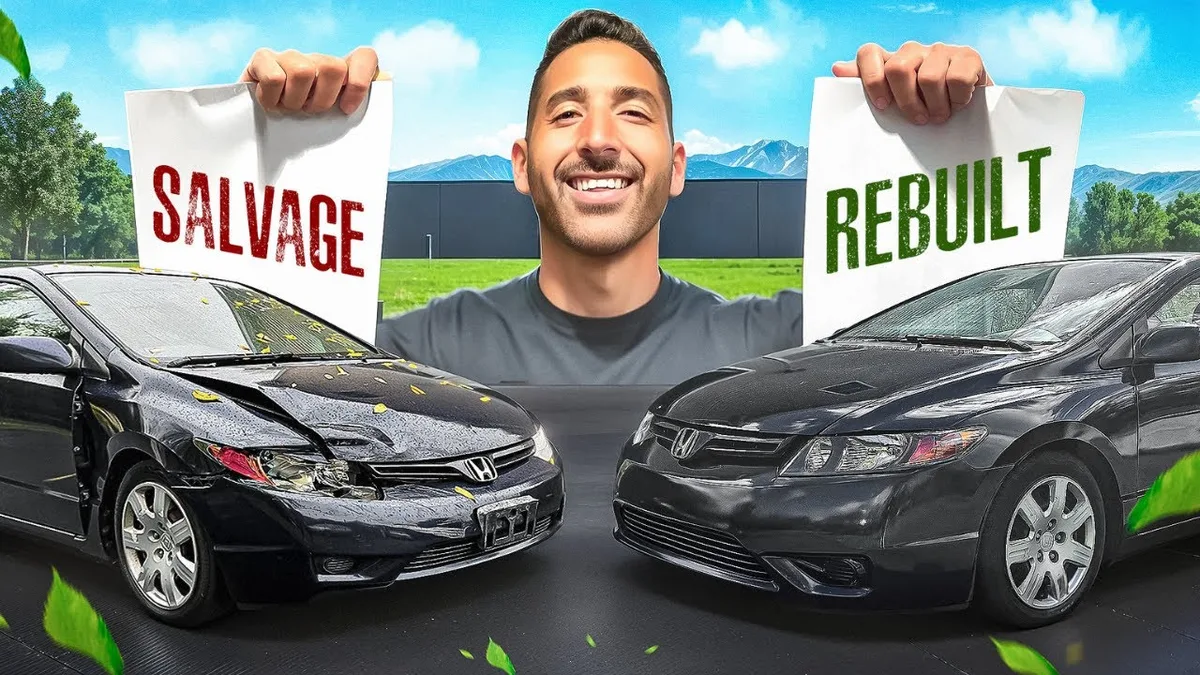
Not all salvage vehicles are destined for the scrapyard. If your car is repairable, you can rebuild it and apply for a rebuilt title in Guam. This isn't a quick or easy process, but it's worth understanding if you're considering it.
First, you'll need to repair the vehicle to meet Guam's safety standards. This often means replacing major components like the frame, engine, or suspension. Once the repairs are complete, you must schedule an inspection with the Guam DMV.
The inspection checks for:
- Structural integrity with no major frame damage
- Functional brakes, lights, and signals
- Properly installed safety features like seatbelts and airbags
- No signs of fraud such as altered VINs

YouTube / Lou Trottier (YouTube thumbnail (fair-use with source credit))
If your vehicle passes, you'll receive a rebuilt title, which allows you to register and insure it. Keep in mind that rebuilt titles come with restrictions. Some insurers may offer limited coverage, and resale value is often lower.
You might also want to review our article on antique vehicle registration in Michigan to understand how different jurisdictions handle special title categories.
Common Mistakes That Delay the Process
One of the biggest errors is submitting incomplete paperwork. Missing even one document like the VIN verification or damage photos can send your application back to square one.
Another common pitfall is skipping the required inspection. Guam doesn't allow rebuilt vehicles on the road without passing their safety check. Driving a rebuilt car without this approval can result in fines or even impoundment.
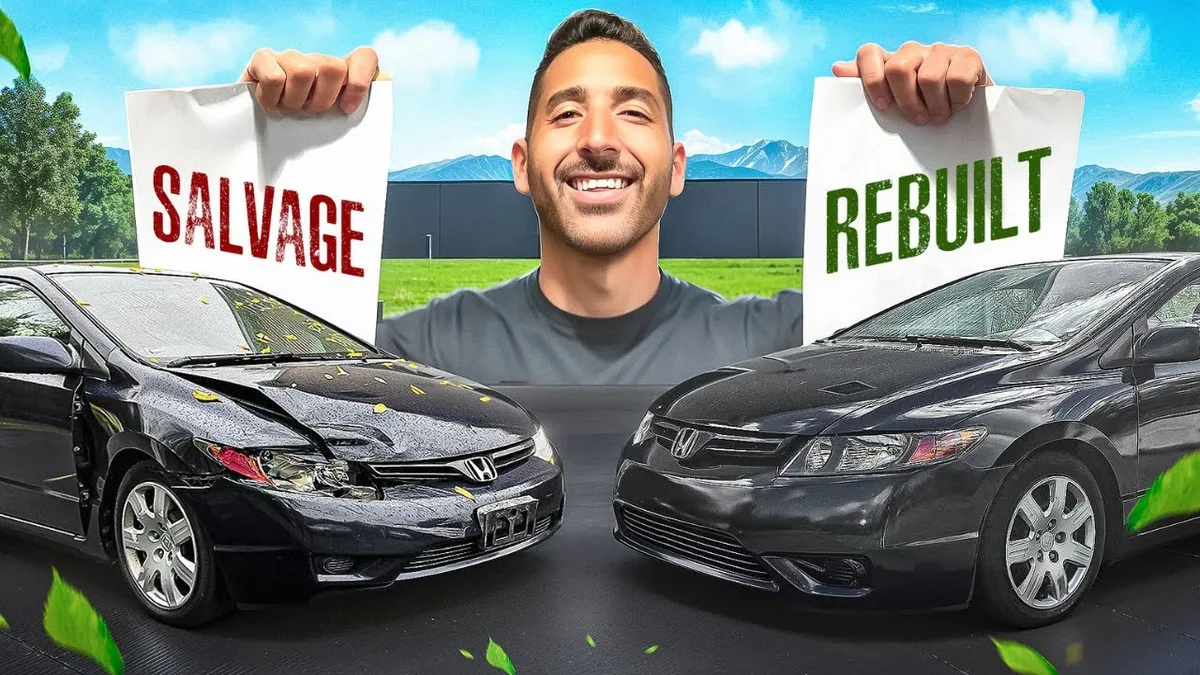
YouTube / Flipping Cars 4 Fun (YouTube thumbnail (fair-use with source credit))
Some owners also try to drive their wrecked vehicle while waiting for the salvage title. This is illegal in Guam and can lead to serious penalties. Always tow the vehicle until the title is issued.
Finally, be cautious of fraud. Salvage title scams like fake paperwork or VIN tampering are a real risk. Stick to official Guam DRT channels and verify all documents before submitting.
If you're buying a rebuilt vehicle, consider a VIN verification service to confirm the vehicle's history before you invest.
Costs and Fees You'll Face in Guam
You'll pay several fees throughout the salvage title process. Knowing them upfront helps you budget properly. The biggest cost is rarely the title itself.
The real expenses come after.
What Does a Guam Salvage Title Cost?
The Guam DRT charges approximately $25 to $50 for issuing a salvage certificate of title. This fee applies whether you're the original owner or buying a salvage vehicle.
Inspection and Rebuilt Title Costs
If you plan to rebuild the vehicle, expect to pay additional fees. The rebuilt vehicle inspection runs around $50 to $100, depending on the complexity of the repairs. Once your vehicle passes inspection, the rebuilt title application costs another $25 to $50.
Hidden Expenses to Watch For
Repairs on a salvage vehicle can quickly exceed your budget. Frame straightening, airbag replacement, and flooding damage often run into the thousands. Storage fees at a salvage yard can also add up if you need time to gather documents.
Insurance represents another hidden cost. Many Guam insurers refuse to offer full coverage on salvage or rebuilt titles. You may only get liability coverage, which means you're unprotected if you cause an accident.
Legal Warnings and Safety Compliance
Getting a salvage title wrong can lead to serious legal consequences in Guam. The DRT takes title fraud and illegal driving of wrecked vehicles very seriously.
YouTube / Dirt Legal (YouTube thumbnail (fair-use with source credit))
Driving a Salvage-Titled Vehicle in Guam
You cannot legally drive a wrecked vehicle on Guam roads without the proper paperwork. If your car has been declared a total loss but you haven't received the salvage title yet, tow it instead.
Driving an uninsured, unregistered wrecked vehicle can result in fines, impoundment, or even criminal charges. The same applies if you try to register a rebuilt vehicle without passing the required safety inspection first. For more on vehicle registration deadlines, see our guide on when to register a vehicle in Michigan.
Fraud Risks and Penalty Warnings
Salvage title fraud is a real problem in Guam and across the U.S. Common scams include:
- Falsifying damage reports to avoid the salvage title process
- Altering vehicle identification numbers to hide a car's history
- Selling a rebuilt vehicle without disclosing its salvage history
- Submitting forged insurance documents to the DRT
Guam treats these offenses as criminal acts. Penalties can include heavy fines, vehicle impoundment, and imprisonment. The National Insurance Crime Bureau tracks these fraud patterns and provides resources for reporting suspicious activity.
If you're buying a salvage vehicle, always verify the paperwork through official channels and consider a third-party VIN check to confirm the vehicle's history.
Insurance Limitations for Salvage and Rebuilt Vehicles
Insurance companies view salvage and rebuilt titles as high-risk. Most will only offer liability coverage for these vehicles. Full coverage is rare and usually comes with higher premiums.
Before you commit to rebuilding a salvage car, check with your insurance provider first. Understanding what coverage is available will help you make an informed decision about whether the project is worth the added cost and risk.
Decision Guide: Which Path Is Right for You?
Once you understand the requirements and costs, you need to decide what to do next. The right choice depends on your situation, your budget, and how much work you're willing to handle.
Should You Keep the Salvage Title or Rebuild?
If your vehicle has sentimental value or is a rare model, rebuilding may be worth the effort. Classic cars, limited-edition models, or vehicles tied to family history often justify the expense.
For most everyday cars, rebuilding costs outweigh the benefits. A typical economy car bought at a salvage auction can cost $3,000 to $8,000 to repair properly, depending on the damage. You'll also spend hundreds on inspections and title paperwork.
When to Sell vs. When to Repair
Selling your wrecked vehicle is the simplest option if you want to cut losses. You can sell it to a salvage yard, a private buyer looking for parts, or an auction house. Selling as-is means you won't deal with repairs or inspections.
Repairing makes sense if you have mechanical skills, access to affordable parts, and a clear budget. Be honest about your abilities. Poor repairs on a rebuilt vehicle can lead to safety hazards or failed inspections later.
If you're unsure, get quotes from at least two repair shops before deciding. Compare the total repair cost plus title fees against the vehicle's market value after rebuilding. If repairs exceed 50% of the post-repair value, selling is usually the smarter move.
Frequently Asked Questions
Can I drive a salvage vehicle in Guam while waiting for the title?
No. You cannot legally drive a salvage vehicle on Guam roads without the proper title and registration. If your vehicle has been declared a total loss, you must tow it until the salvage certificate is issued.
Driving it without documentation can result in fines or impoundment.
How long does the salvage title process take in Guam?
The Guam DRT typically processes salvage title applications within 1 to 4 weeks. Processing times can vary depending on how complete your paperwork is and how busy the office is. Make sure every required document is included to avoid delays.
Do I need a Guam inspection before registering a salvaged vehicle?
Yes, if you plan to rebuild and register the vehicle. A rebuilt vehicle must pass a Guam DMV safety inspection before you can get a rebuilt title and registration. The inspection checks structural integrity, brakes, lights, and safety features.
Can I get insurance on a salvage-titled vehicle in Guam?
Most insurers offer only liability coverage for salvage or rebuilt titles. Full coverage is rare and usually comes with higher premiums. Shop around and be upfront about the vehicle's history to find the best available coverage.
What's the difference between a salvage title and a junk title in Guam?
A salvage title means the vehicle is repairable and can potentially return to the road after passing inspection. A junk title means the vehicle is deemed non-repairable and cannot be legally driven again. Junk vehicles are typically sold for parts or scrap only.