ByMax Lee
Hawaii 30-Day Address Change for Vehicle Records
Wikimedia Commons / Phil Venditti (CC BY)
If you’ve moved in Hawaii, the Hawaii 30 day address change notification requirement for vehicle records isn’t just a suggestion, it’s the law. Miss the deadline and you risk fines, missed registration renewals, or even legal trouble if your vehicle is involved in an incident.
Hawaii Revised Statutes require you to update your vehicle registration with the DMV within 30 days of moving. As of 2026, this applies to all vehicle owners, whether you’ve relocated within the state or just arrived from the mainland.
Quick Answer
Hawaii requires a 30 day address change notification for vehicle records. You must update your vehicle registration with the DMV. The deadline applies to all Hawaii residents.
Late updates can result in penalties.
Why Hawaii’s 30-Day Address Change Rule Matters for Your Vehicle
This rule keeps your vehicle records accurate. The state uses your address for critical mail, like registration renewals and tax notices. If your address is outdated, you might not receive these documents.
It also ensures law enforcement can locate you if needed. Outdated records can complicate insurance claims or legal matters after an accident.
The Quick Answer: What You Must Do and When
You have 30 days from the date of your move to notify the Hawaii DMV. This applies whether you moved across the street or from another state. The clock starts the moment you establish residency at your new address.
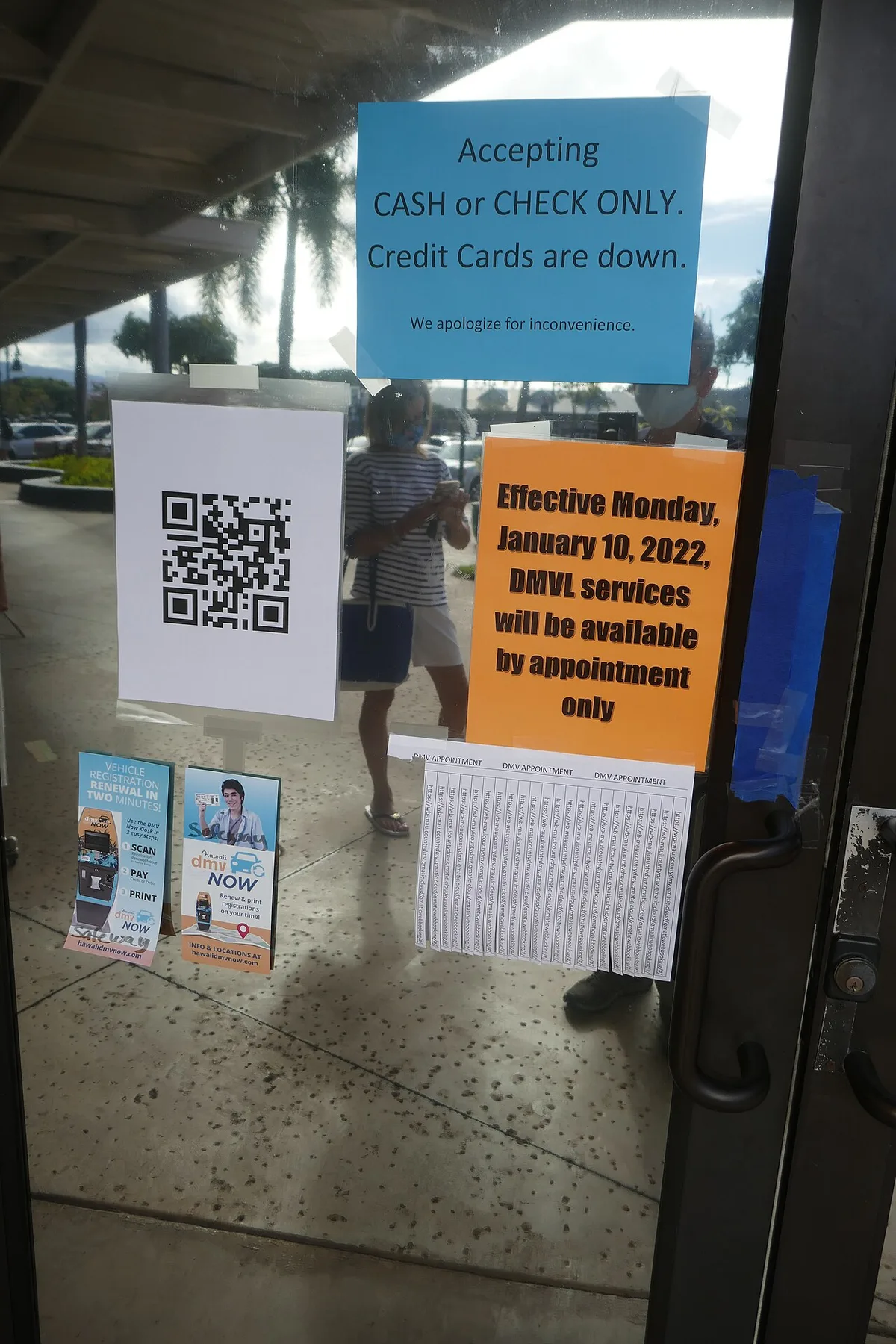
Submit the update in person or online, depending on your county’s DMV options. Some counties may require an in-person visit for certain cases, like if you need to update your driver’s license as well.
Who Needs to Update Their Vehicle Address in Hawaii
All Hawaii vehicle owners must comply. This includes residents who moved within the state and new residents who recently relocated to Hawaii. Even if you’re only temporarily staying in Hawaii, you may need to update your address if you’re considered a resident.
Military personnel stationed in Hawaii are also subject to this rule. If you’re active duty and have established residency, you must update your vehicle records within the same 30-day window.
What Happens If You Miss the 30-Day Deadline
You could face fines. Hawaii DMV may impose penalties for late notifications, and these can add up over time. In some cases, your vehicle registration could be suspended until you update your address.
You might miss important mail. Registration renewals, tax notices, and other critical documents are sent to the address on file. If it’s outdated, you won’t receive them.
It can complicate legal matters. If your vehicle is involved in an accident or violation, outdated records can make it harder to resolve insurance claims or legal issues.
Step-by-Step: How to Update Your Address with Hawaii DMV
Bing (Web (fair-use with source credit))
Start by gathering your documents. You’ll need proof of your new address, like a utility bill or lease agreement. Your vehicle registration and driver’s license are also required.
Visit your local DMV office or use the online portal if available. Some counties offer online updates for address changes, but others require in-person visits. Check your county’s DMV website for specifics.
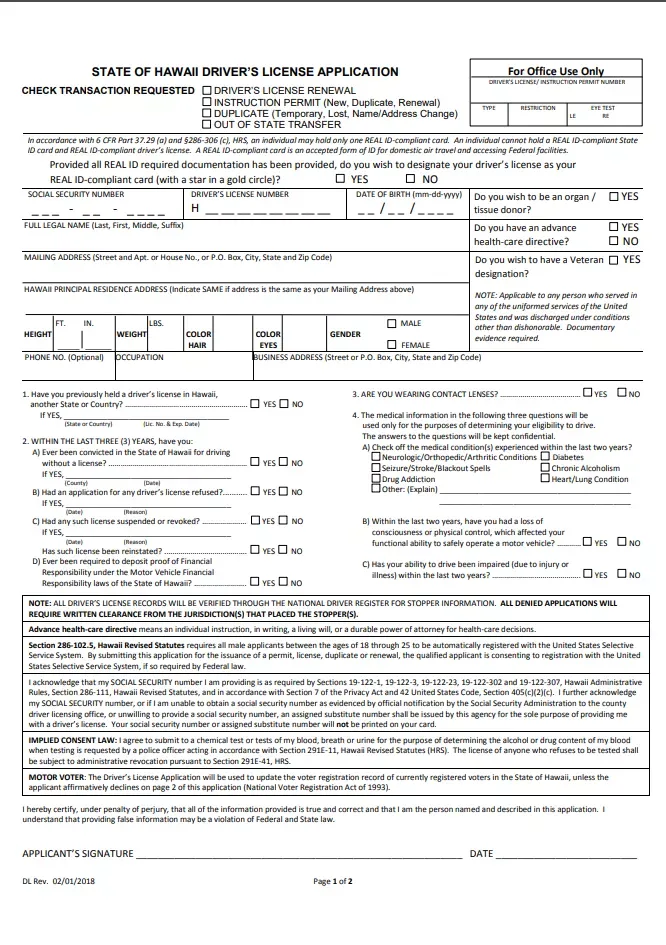
Complete the address change form. Provide your vehicle details, new address, and contact information. Double-check for accuracy to avoid delays.
Submit the form along with your documents. If you’re updating in person, bring your current registration and license. Online submissions may require you to upload scans of your documents.
Documents You’ll Need to Prove Your New Address
Bing (Web (fair-use with source credit))
You’ll need two proofs of residency. Acceptable documents include a utility bill, bank statement, or rental agreement. The documents must show your name and new address.
Bring your current vehicle registration. This confirms your ownership and current details. If you don’t have it, you may need to request a duplicate.
Your driver’s license is also required. If your license address is outdated, you’ll need to update that too. Some DMV offices allow you to do both at the same time.
Online vs. In-Person: Which Method Works Best for You
Online updates are faster and more convenient. They’re ideal if you have all your documents scanned and ready. Not all counties offer this option, so verify availability first.
In-person visits work best if you need to update multiple records. If your driver’s license address is also outdated, a DMV office can handle both updates in one trip. This method ensures immediate confirmation.
Some situations require in-person visits. If you’ve lost your registration or need a replacement, you’ll likely need to go to the DMV. Complex cases, like name changes alongside address updates, also benefit from in-person assistance.
Military and Out-of-State Movers: Special Cases
Active-duty military personnel have the same 30-day requirement. If you’ve established residency in Hawaii, you must update your vehicle records. Bring your military orders as proof of residency if needed.
Out-of-state movers must update their address within 30 days of becoming a Hawaii resident. This includes registering your vehicle in Hawaii if it’s not already. You’ll need to provide proof of residency and pass a vehicle inspection.
Temporary residents may have different rules. If you’re only in Hawaii for a short time, check with the DMV to see if you need to update your address. Some exceptions apply for students or short-term workers.
Common Mistakes That Get People Fined
Waiting too long is the most common mistake. The 30-day window is strict, and delays can result in fines. Set a reminder as soon as you move to avoid missing the deadline.
Using an old address on forms can cause issues. Always double-check that you’ve entered your new address correctly. A small error can lead to missed mail or legal complications.
Forgetting to update your driver’s license is another oversight. Your vehicle registration and driver’s license should match. If one is updated but not the other, you could face penalties.
How This Affects Your Vehicle Tax and Registration Renewals
Your vehicle tax bill goes to the address on file. If it’s wrong, you won’t get the notice and could face late fees. Hawaii ties vehicle taxes to registration, so outdated info can delay renewals.
Registration renewals are mailed to your listed address. Miss the notice and your registration could lapse. Driving with an expired registration is illegal and carries fines.
Some counties send reminders via email. Still, the postal address is the primary method. Always keep both current to avoid gaps in coverage.
Where to Go: Hawaii DMV Offices by County
Bing (Web (fair-use with source credit))
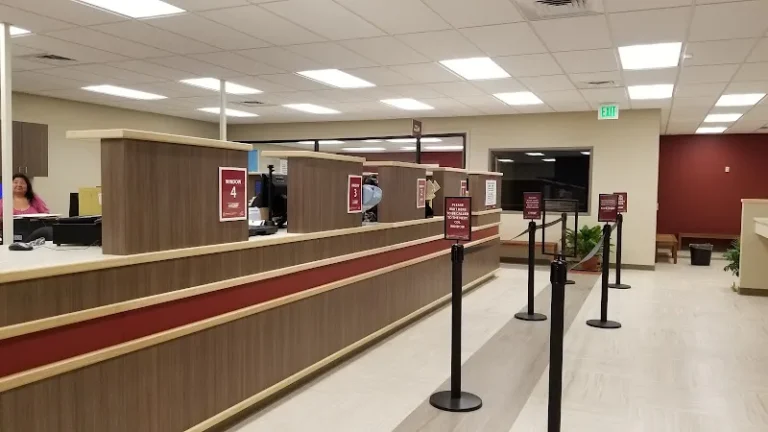
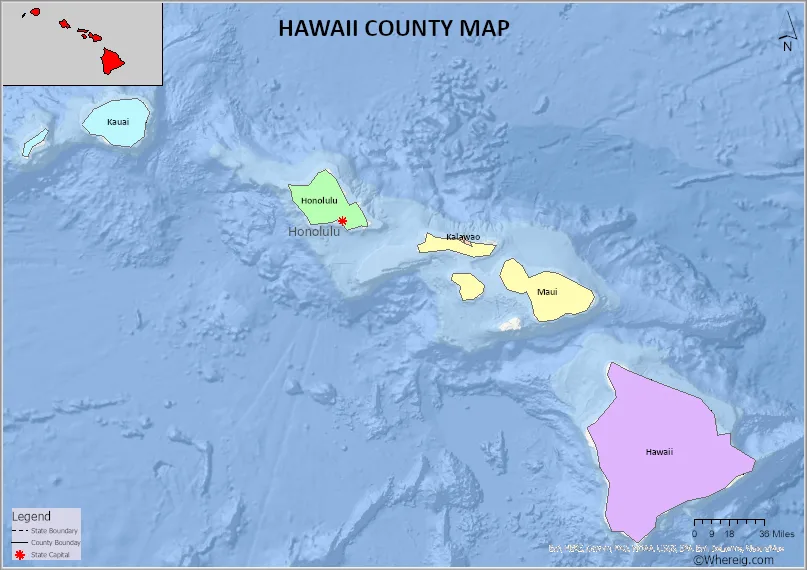
Oahu residents use the Honolulu DMV offices. The main location is at 1199 Dillingham Blvd. Satellite offices are in Kapolei, Kaneohe, and Pearl City.
Maui has DMV offices in Kahului, Lahaina, and Wailuku. Check the Hawaii DMV site for hours and services. Some locations require appointments.
Big Island residents visit offices in Hilo or Kona. Kauai has a DMV in Lihue. Rural areas may have limited services, so plan ahead.
FAQs About Hawaii’s Vehicle Address Change Rule
Do I need to update my address if I’m only renting short-term?
No, short-term rentals don’t require an update. Only permanent residents must comply. If you’re staying longer than 30 days, check with the DMV.
Can I update my address by mail?
Some counties allow mail-in updates. Call your local DMV to confirm. You’ll still need to provide proof of residency.
What if I don’t have a utility bill in my name?
A lease agreement or bank statement works too. The document must show your name and new address. Some DMVs accept a notarized letter from your landlord.
Will my insurance be affected?
Possibly. Insurers use your address to calculate rates. Always notify your provider after updating with the DMV.
How do I know if my update was processed?
You’ll receive a new registration card by mail. If you don’t get it within two weeks, contact the DMV. Online updates may provide immediate confirmation.
Final Checklist Before You Submit
Gather your documents first. You’ll need proof of residency, vehicle registration, and driver’s license. Double-check that all names and addresses match.
Fill out the form completely. Missing fields can delay processing. If you’re unsure about a section, ask a DMV representative for help.
Submit before the 30-day deadline. Set a calendar reminder to avoid late fees. Keep a copy of your submission for your records.
Verify your new address on all documents. Your registration, license, and insurance should all reflect the change. This ensures you stay compliant and avoid future issues.