ByMax Lee
Hawaii Vehicle Mod Permit Guide: Engine Swaps & More
Bing (Web (fair-use with source credit))
If you’re swapping an engine or making major changes to your car in Hawaii, you’ll need a Hawaii reconstruction permit for significant vehicle modifications and engine swaps. This isn’t just paperwork, it’s how the state ensures your build is safe and street-legal.
As of 2026, Hawaii requires this permit for any modification that alters the vehicle’s original design or safety features, like engine swaps or frame changes. Skip it, and you risk fines or even having your car impounded.
Quick Answer
A Hawaii reconstruction permit for significant vehicle modifications and engine swaps is required for major changes. This includes engine swaps, frame alterations, or suspension modifications. The process involves inspections and paperwork.
Fees vary by county but typically range from $20 to $50.
Do You Need a Hawaii Reconstruction Permit for Your Mods?
You need this permit if your modifications change the vehicle’s structure, safety, or emissions compliance. Engine swaps almost always require it. So do frame cuts, suspension lifts, or drivetrain changes.
Minor upgrades like stereo systems, exhaust tips, or cosmetic changes usually don’t. But if you’re unsure, check with your local Hawaii Department of Transportation office.
What Counts as a “Significant” Modification in Hawaii?
Hawaii defines significant modifications as any change that affects the vehicle’s safety, emissions, or identity. Here’s what triggers the permit requirement:
- Engine swaps: Replacing the original engine with a different make, model, or displacement
- Frame or chassis alterations: Cutting, welding, or reinforcing the frame
- Suspension changes: Lift kits, lowered suspensions, or modified steering components
- Drivetrain modifications: Swapping transmissions, differentials, or converting from 2WD to 4WD
- Body structural changes: Removing or adding doors, modifying the roof, or altering the wheelbase
Cosmetic changes like paint, body kits, or interior upgrades typically don’t require a permit. But if your mod affects how the car handles, its weight distribution, or emissions output, you’ll need to go through the reconstruction process.
Engine Swaps: When You Need a Permit (and When You Don’t)
Engine swaps are one of the most common reasons for a reconstruction permit. You’ll need one if you’re:
- Swapping to a different engine manufacturer (e.g., putting a Ford engine in a Toyota)
- Increasing the engine displacement beyond the original specifications
- Changing the fuel type (e.g., gasoline to diesel or electric)
You might not need a permit if you’re:
- Replacing the engine with an identical model (same make, year, and specifications)
- Upgrading to a newer version of the same engine family (check with HDOT first)
Even if your swap seems minor, always confirm with the Hawaii Department of Transportation. Some counties, like Honolulu, have stricter rules than others.
Hawaii’s Reconstruction Permit vs. Standard Registration
A standard registration is for vehicles that meet factory specifications. A reconstruction permit is for vehicles that have been significantly altered.
Here’s how they differ:
| Factor | Standard Registration | Reconstruction Permit |
|---|---|---|
| Purpose | Factory-spec vehicles | Modified or rebuilt vehicles |
| Inspection Required | Basic safety check | VIN verification, safety inspection, emissions test (if applicable) |
| Paperwork | Title, proof of insurance | Title, modification receipts, engineer’s certification (for structural changes) |
| Fees | Standard registration fee | Additional permit fee ($20–$50) |
| Processing Time | Usually same-day | 1–4 weeks (depends on inspections) |
A reconstruction permit is a temporary step. Once your vehicle passes all inspections, you’ll update your registration to reflect the modifications.
Step-by-Step: How to Get Your Modified Vehicle Legal in Hawaii
Start by gathering your paperwork. You’ll need the title, proof of insurance, and receipts for all modifications. Missing documents are the top reason applications get delayed.
Next, schedule a VIN verification. This confirms your vehicle’s identity matches the paperwork. Some counties require this before you even apply.
Paperwork You’ll Need Before You Start
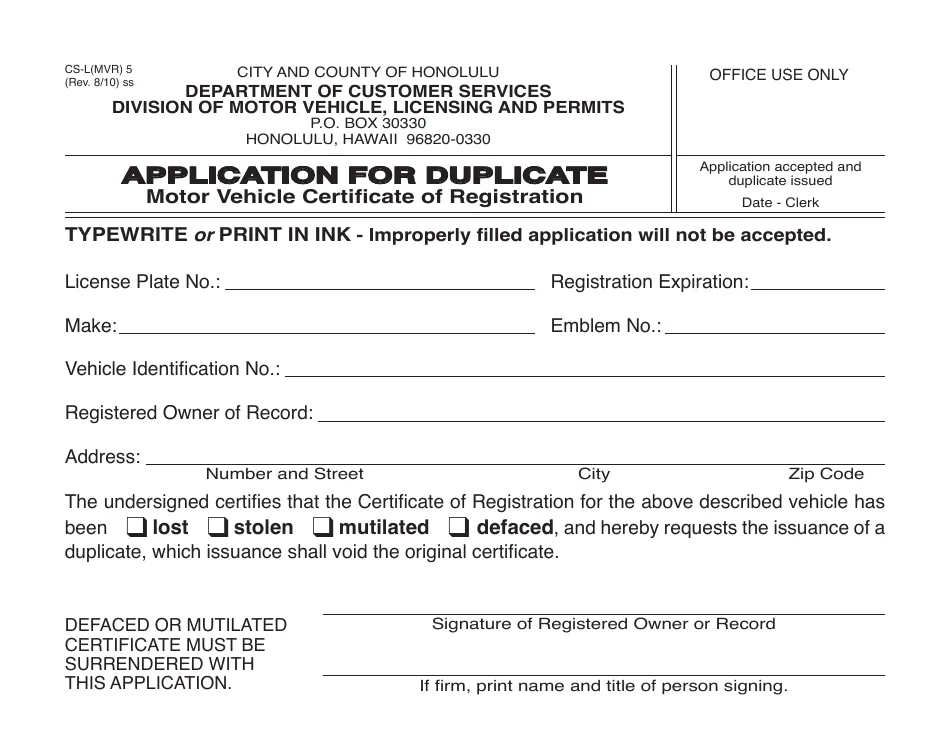
The core documents are non-negotiable. Bring the title, bill of sale, and modification receipts. If you’re doing a major structural change, you’ll also need an engineer’s certification.
Bing (Web (fair-use with source credit))
For engine swaps, include the new engine’s specs. The state wants to verify emissions compliance.
The core documents are non-negotiable. Bring the title, bill of sale, and modification receipts. If you’re doing a major structural change, you’ll also need an engineer’s certification.
Bing (Web (fair-use with source credit))
For engine swaps, include the new engine’s specs. The state wants to verify emissions compliance.
VIN Verification and Safety Inspection
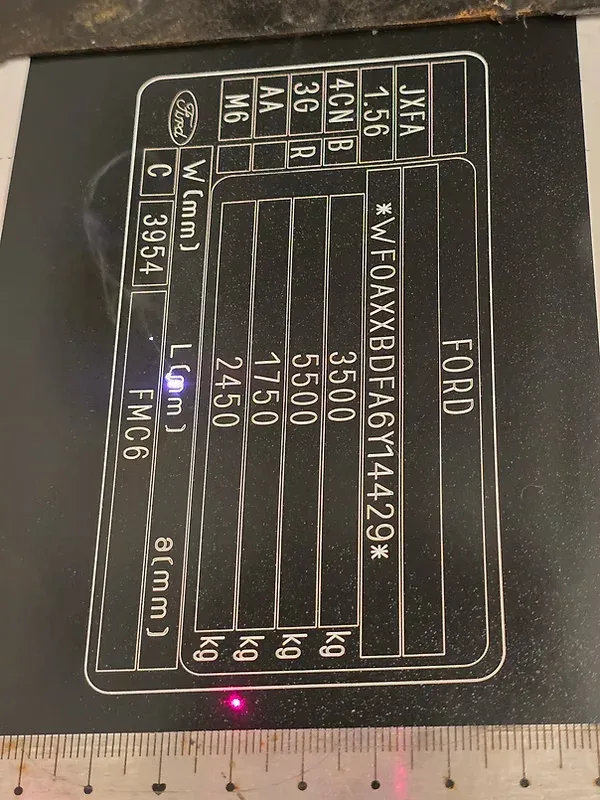
A certified inspector will check your VIN. They’ll also verify the vehicle’s structure matches the paperwork. This step catches mismatched parts or incomplete builds.
Bing (Web (fair-use with source credit))
After VIN verification, you’ll need a safety inspection. This covers brakes, lights, steering, and other critical systems. Fail here, and you’ll need to fix the issues before reapplying.
Emissions Testing (If Your Swap Requires It)
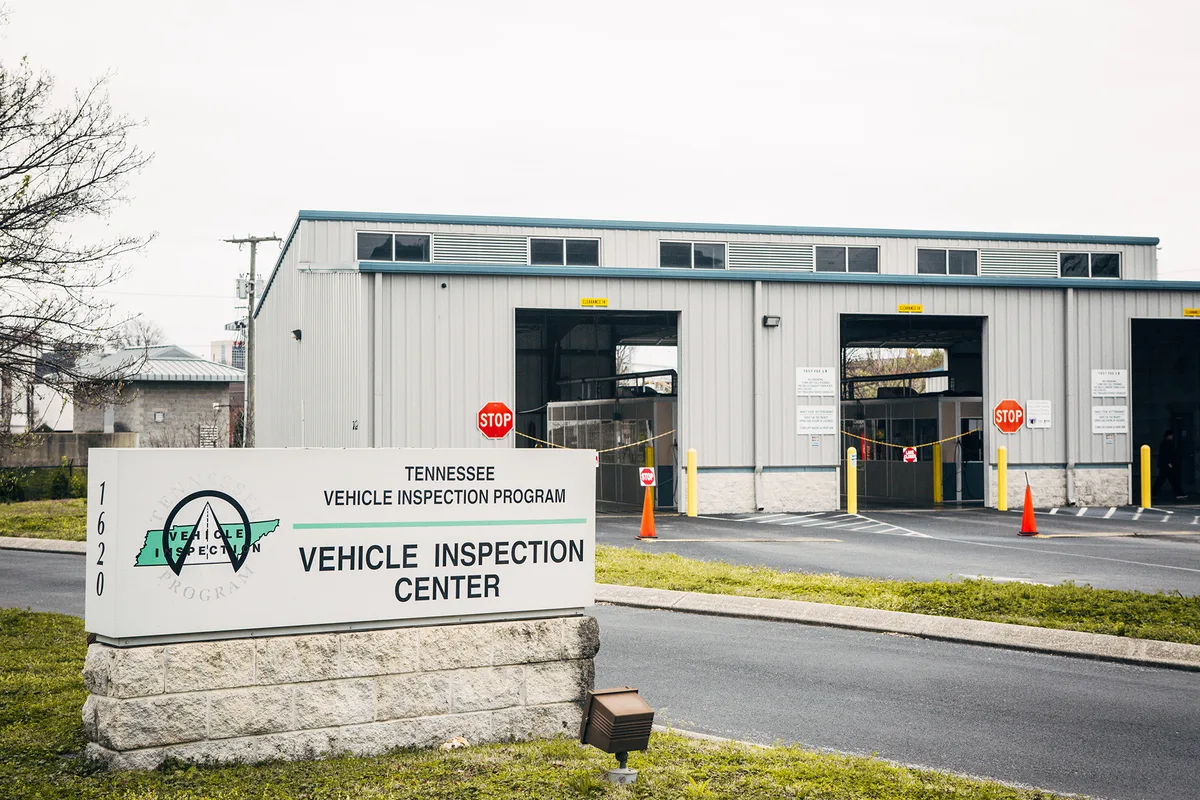
Not all engine swaps need emissions testing. Vehicles older than 1975 are often exempt. Newer swaps must meet Hawaii’s emissions standards.
Bing (Web (fair-use with source credit))
If your swap changes the fuel type, expect extra scrutiny. Diesel-to-gasoline conversions, for example, require additional documentation. Check with the Hawaii Department of Health for the latest rules.
Engineer’s Certification for Structural Changes
If you’ve modified the frame, chassis, or load-bearing components, you’ll need a licensed engineer’s sign-off. This proves your changes won’t compromise safety.
The engineer’s letter must detail the modifications and confirm they meet safety standards. Without it, your permit will be denied.
County-Specific Rules: Honolulu, Maui, Big Island, Kauai
Honolulu has the strictest rules. They require emissions testing for most swaps and have limited inspection slots. Book early to avoid delays.
Maui and Hawaii County are slightly more lenient. But they still enforce VIN verification and safety inspections. Kauai has the fewest inspection stations, so plan ahead.
Here’s a quick comparison:
| County | Emissions Test | Inspection Availability | Fees |
|---|---|---|---|
| Honolulu | Required for most | Limited, book ahead | $20–$50 |
| Maui | Required for newer | Moderate | $20–$40 |
| Hawaii (Big Island) | Often exempt for older | Good | $20–$35 |
| Kauai | Required for newer | Very limited | $20–$45 |
Costs, Fees, and Processing Times
The reconstruction permit itself typically costs between $20 and $50. This varies by county, with Honolulu on the higher end. Expect to pay extra for inspections and emissions tests.
Processing times range from one to four weeks. Delays usually happen when paperwork is incomplete or inspections fail.
Common Reasons Permits Get Denied (And How to Avoid Them)
Missing paperwork is the top reason for denial. Double-check you have the title, modification receipts, and any required certifications.
Failed inspections are another common issue. Brake, light, or steering problems will get you rejected. Fix these before your inspection appointment.
Modified vs. Salvage Title Rebuilds: Key Differences
A modified vehicle keeps its original title. A salvage rebuild starts with a salvage title and requires a separate reconstruction process.
Salvage rebuilds often need more documentation. You’ll prove the vehicle was properly repaired and is now roadworthy. Modified vehicles just need to show the changes are safe and legal.
What Happens If You Skip the Permit?
Driving without a permit can lead to fines. If you’re pulled over, you may also face a fix-it ticket. This requires you to correct the issue and show proof to a court.
In worst-case scenarios, your vehicle could be impounded. You’d then need to pay towing and storage fees on top of the permit costs.
Pro Tips from Hawaii Builders Who’ve Been Through It
Start the process early. Inspection slots fill up fast, especially in Honolulu. Book your VIN verification and safety inspection as soon as you begin modifications.
Keep every receipt. The state wants proof of all parts and labor. Organize them by modification type to speed up the paperwork review.
Talk to local builders. Many Hawaii car clubs have members who’ve navigated the process. Their firsthand experience can save you time and headaches.
Frequently Asked Questions
Do I need a permit for a simple exhaust upgrade?
No. Minor modifications like exhaust systems, stereo upgrades, or cosmetic changes don’t require a reconstruction permit. Only changes that affect safety, emissions, or structural integrity trigger the requirement.
How long does the inspection process take?
It typically takes 1 to 4 weeks. Delays happen when paperwork is incomplete or inspections fail. Submit everything at once to avoid back-and-forth.
Can I drive my car while waiting for the permit?
No. Driving a modified vehicle without a valid permit can result in fines or impoundment. Wait until you’ve passed all inspections and received approval.
What if my modification fails the safety inspection?
You’ll need to fix the issues and reschedule the inspection. Common failures include brake problems, lighting issues, or steering defects. Address these before reapplying.
Are there exemptions for classic cars?
Yes. Vehicles older than 1975 are often exempt from emissions testing. However, they still need to pass safety inspections and meet structural requirements.