Hawaii safety check requirements for mopeds and motorcycles 2025 are strict, and skipping them can mean fines or registration holds. Every registered bike in the state must pass an annual inspection covering brakes, lights, tires, and more under Hawaii Revised Statutes Chapter 286.
The check isn’t just paperwork. Per Hawaii Administrative Rules, your moped or motorcycle must meet specific standards like a minimum 2/32" tire tread depth and a 92 dB(A) exhaust noise limit. Here’s what you need to know to stay legal.
Quick Answer
Hawaii safety check requirements for mopeds and motorcycles 2025 mandate an annual inspection.
All registered bikes must pass.
The check covers brakes, lights, tires, and exhaust.
Fees range from $10 to $25.
Inspections are valid for one year.
Why This Inspection Matters (And What Happens If You Skip It)
Riding without a valid safety check sticker in Hawaii is illegal. Police can pull you over and issue a citation, with fines up to $200 depending on the county. Worse, you won’t be able to renew your registration until the bike passes inspection.
Beyond the legal risks, these checks catch problems before they cause accidents. Faulty brakes or bald tires are common failure points. Addressing them early keeps you safer on Hawaii’s roads, where salt air and frequent rain accelerate wear.
Who Needs a Safety Check in Hawaii
All mopeds and motorcycles registered in Hawaii require an annual safety check. This includes:
- Locally registered bikes
- Out-of-state vehicles brought into Hawaii
- Rental mopeds and motorcycles used by tourists
New motorcycles may be exempt for the first two years. Confirm with the Hawaii Department of Transportation. Vintage or antique bikes have special rules, so check with your county’s DMV.
What Gets Checked: Moped vs. Motorcycle Differences
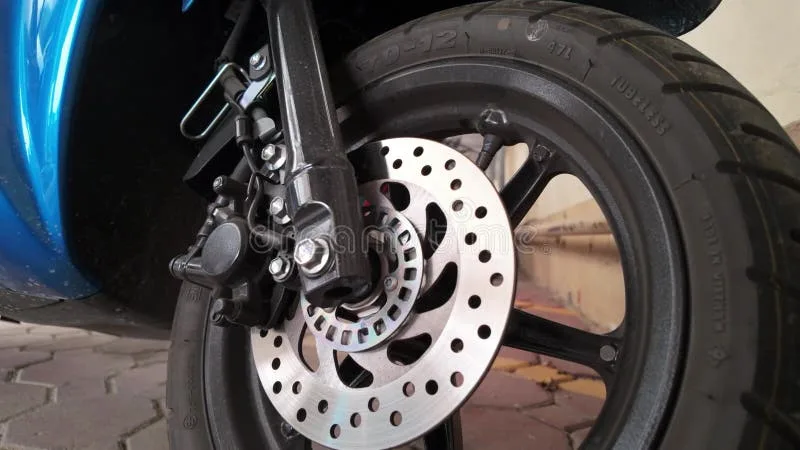
Mopeds and motorcycles share most inspection criteria, but there are key differences. Here’s what inspectors look for on both, with motorcycle-specific additions noted.
Common checks for mopeds and motorcycles:
- Brakes: Front and rear must function properly
- Tires: Minimum 2/32" tread depth, no cracks or bulges
- Lights: Headlight, taillight, brake light, and turn signals must work
- Horn: Must be audible from a reasonable distance
- Mirrors: Must be secure and provide clear rear visibility
- Exhaust: No excessive noise (92 dB(A) max) or leaks
- Steering: Must operate smoothly without excessive play
- Frame: No cracks or structural damage
- Reflectors: Must be present and visible
Motorcycle-only checks:
- Clutch and throttle: Must engage and disengage smoothly
- Footrests: Must be present if designed for a passenger
- Windshield: If equipped, must be secure and unobstructed
- License plate illumination: Must be visible at night
Mopeds often have simpler lighting systems but are held to the same visibility standards as motorcycles.
Step-by-Step: How to Get Your Bike Inspected in Hawaii
Getting your moped or motorcycle inspected in Hawaii is straightforward if you prepare ahead.
Find a certified station Only Hawaii Department of Transportation-approved stations can perform safety checks. Use the HDOT’s official list to locate one near you.
Prep your bike Run through the pre-inspection checklist to fix obvious issues before your appointment.
Bring required documents You’ll need your vehicle registration and proof of insurance.
Pay the fee Inspection fees typically range from $10 to $25. Cash is often preferred.
Undergo the inspection The process usually takes 15 to 30 minutes. The inspector will check all required components.
Address failures (if any) If your bike fails, you’ll receive a detailed report. Most stations allow a free re-inspection within 14 days.
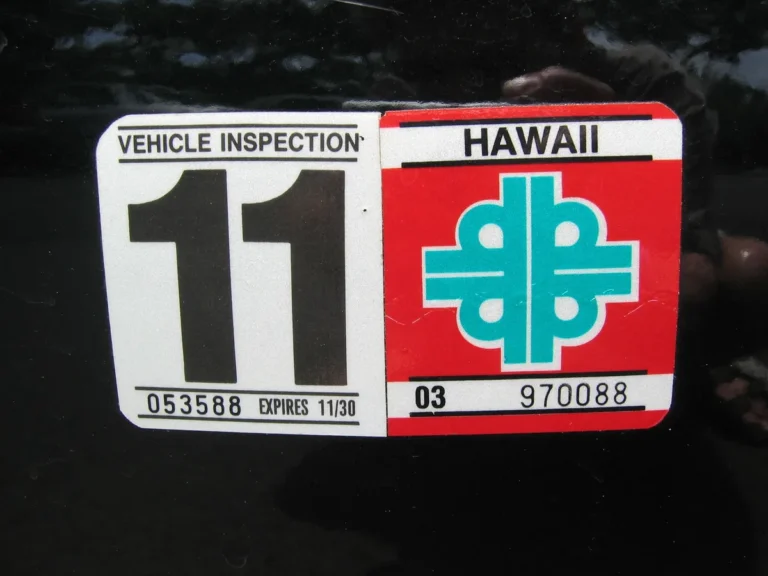
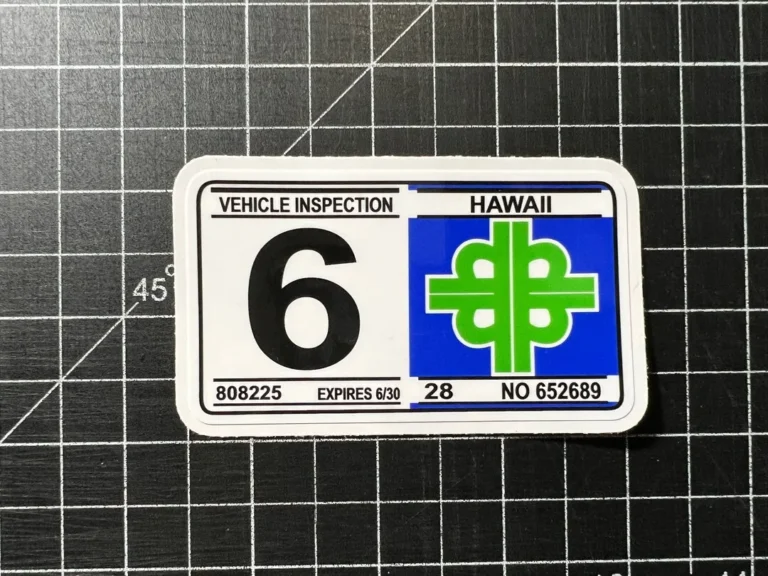
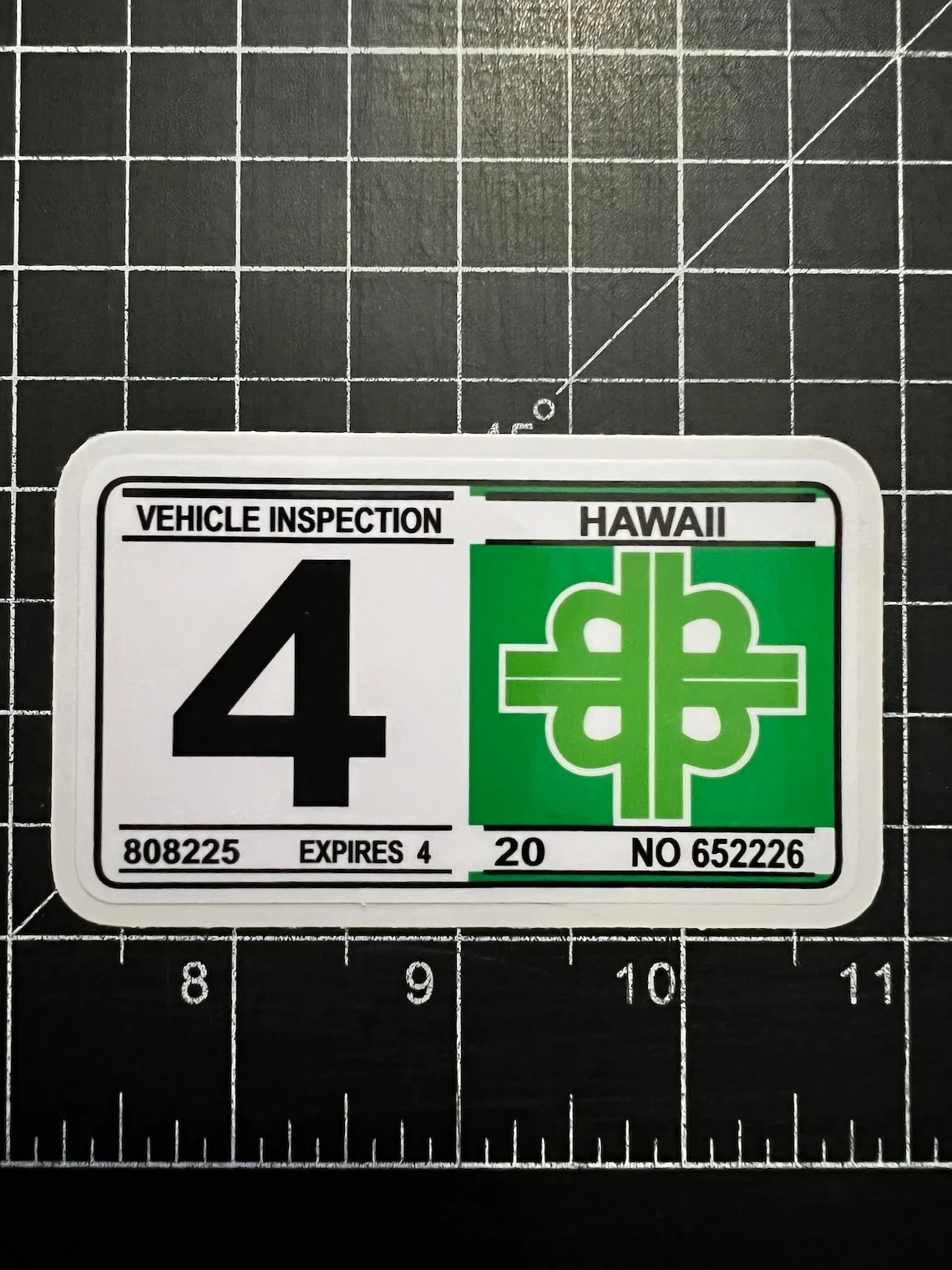
Display your sticker Once passed, the inspector will affix a color-coded sticker to your bike. This sticker is your proof of compliance.
Pre-Inspection Checklist (Avoid a Fail on the First Try)
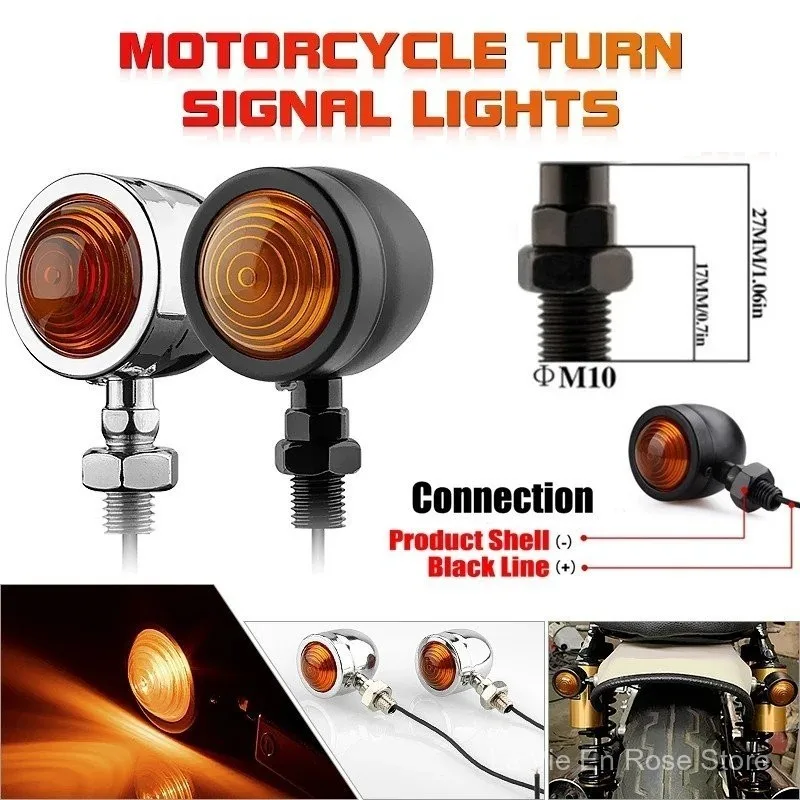
A quick pre-check can save you a return trip. Start with the basics: test all lights, including headlight, taillight, brake light, and turn signals. Burnt-out bulbs are a top reason for failure.
Next, inspect your tires. Look for cracks, bulges, or tread worn below 2/32". Use a tread depth gauge or the penny test: insert a penny upside down into the tread.
If you see Lincoln’s head, your tires are unsafe.
Check your brakes. Squeeze the lever or pedal to ensure firm resistance. Spongy brakes or excessive travel mean trouble.
Also verify your horn, mirrors, and reflectors are intact and functional.
A quick pre-check can save you a return trip. Start with the basics: test all lights, including headlight, taillight, brake light, and turn signals. Burnt-out bulbs are a top reason for failure.
Next, inspect your tires. Look for cracks, bulges, or tread worn below 2/32". Use a tread depth gauge or the penny test: insert a penny upside down into the tread.
If you see Lincoln’s head, your tires are unsafe.
Check your brakes. Squeeze the lever or pedal to ensure firm resistance. Spongy brakes or excessive travel mean trouble.
Also verify your horn, mirrors, and reflectors are intact and functional.
Common Reasons for Failing (And How to Fix Them)
Most failures come from simple oversights. Worn tires, non-functional lights, and faulty brakes top the list. Replacing a bulb or brake pad is often a quick, cheap fix.
Excessive exhaust noise is another frequent issue. Aftermarket exhausts often exceed the 92 dB(A) limit. Swapping back to a stock or compliant system usually solves this.
Loose or missing mirrors, broken reflectors, and improperly adjusted handlebars also trigger failures. Tighten all fasteners and ensure all required components are present before your inspection.
Hawaii’s Legal Consequences for Expired or Failed Inspections
Riding with an expired safety check sticker can cost you. Fines start around $50 and can reach $200, depending on the county. You’ll also face a registration hold until the bike passes inspection.
If you’re pulled over with a failed inspection, you’ll likely get a citation. The officer may also require you to correct the issues before allowing you to ride again.
Ignoring the inspection requirement can also void your insurance coverage. In an accident, this could leave you financially responsible for damages.
County-Specific Rules: Honolulu, Maui, Kauai, and Big Island
Each county in Hawaii handles safety checks slightly differently. Honolulu has the most inspection stations, while rural areas may have fewer options. Fees also vary by county, typically between $10 and $25.
Maui and Kauai often have stricter enforcement due to tourism. Rental mopeds are closely scrutinized, and police frequently check for valid stickers. On the Big Island, stations may be spread out, so plan ahead.
Check with your local Hawaii DMV for the most current county-specific details. Some counties also offer mobile inspection units for remote areas.
Special Cases: New Bikes, Out-of-State Vehicles, and Rentals
New motorcycles may be exempt from the first two years of inspections. Confirm with the dealer or HDOT, as rules can change. Out-of-state vehicles must pass a Hawaii safety check within 30 days of registration.
Rental mopeds and motorcycles must also comply. Tourists should verify the rental company has a valid inspection sticker before riding. If you’re renting long-term, check who’s responsible for maintaining the inspection.
Vintage or antique bikes have unique requirements. These often include special plates and modified inspection criteria. Contact your county DMV for specifics.
Pro Tips to Pass on the First Attempt
Clean your bike before the inspection. Dirt can obscure lights or reflectors, leading to an unnecessary failure.
Check your battery. Weak batteries often cause lighting systems to fail during inspection. Replace old batteries or charge them fully before your appointment.
Bring a toolkit. If you’re fixing minor issues on the spot, having basic tools can save you a return trip. A screwdriver, wrench, and spare bulbs are handy.
Frequently Asked Questions
How often do I need a safety check in Hawaii?
You need an annual safety check for mopeds and motorcycles. New bikes may be exempt for the first two years, but confirm with HDOT.
What’s the fine for an expired inspection sticker?
Fines start around $50 and can go up to $200. You’ll also face a registration hold until the bike passes inspection.
Can I get a safety check with a modified exhaust?
Only if it meets the 92 dB(A) noise limit. Many aftermarket systems exceed this, so check before modifying.
Do rental mopeds need safety checks?
Yes. Rental companies must ensure their mopeds and motorcycles pass inspection. Tourists should verify the sticker is valid before riding.
What if my bike fails the inspection?
You’ll get a list of required repairs. Most stations allow a free re-inspection within 14 days if you return with the same bike.
Are there mobile inspection units in Hawaii?
Some counties offer mobile units for remote areas. Check with your local DMV for availability and schedules.