ByMax Lee
Hawaii Inter-Island Vehicle Shipping Rates & Schedules
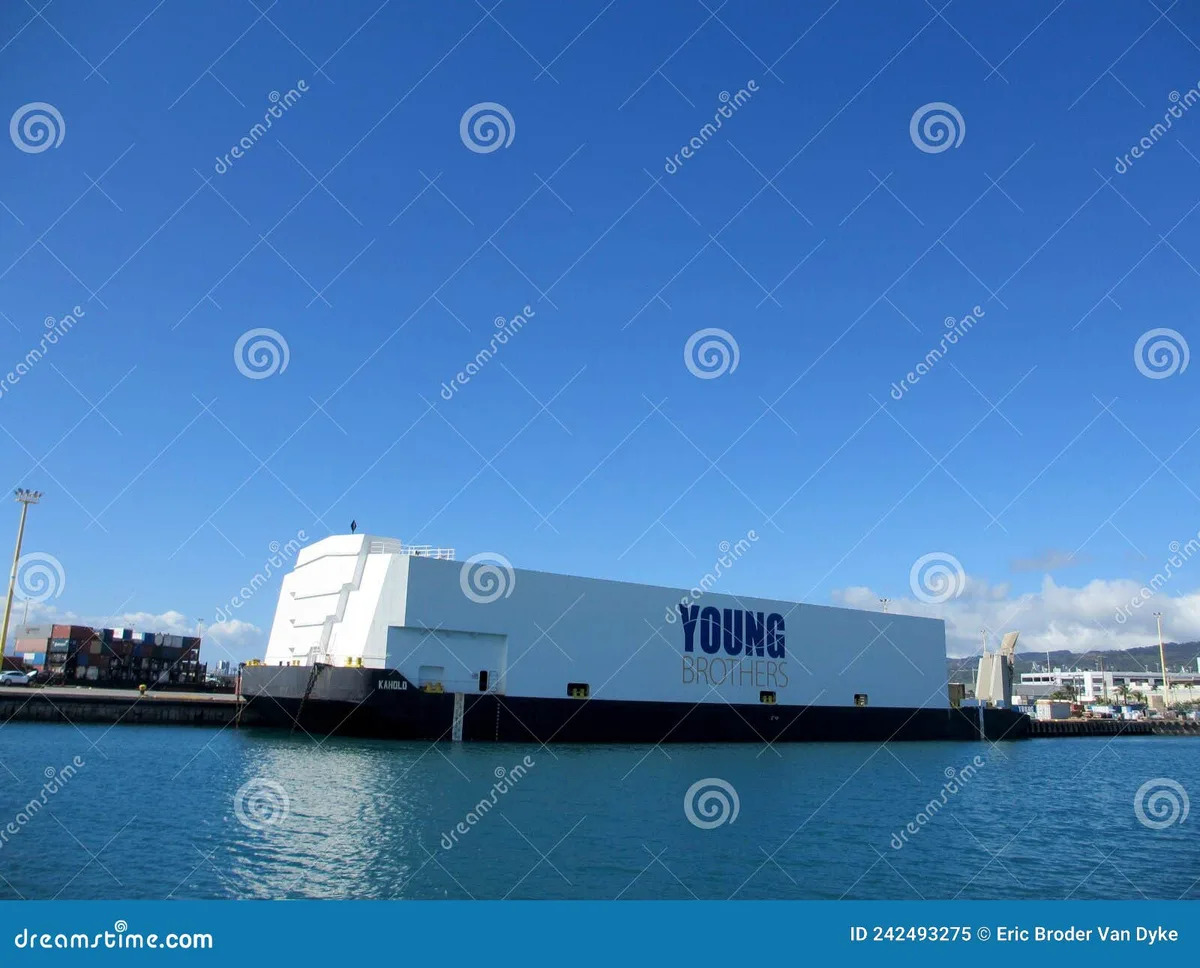
Shipping your car between Hawaiian islands doesn’t have to be a mystery. Hawaii Young Brothers vehicle shipping rates and scheduling between islands follow a clear, regulated system, you just need to know how it works. Young Brothers is the only major carrier for inter-island vehicle transport, and their rates depend on your vehicle’s size, the route, and current fuel surcharges.
As of 2026, their published tariff sets base rates by length, with most sedans falling under the 15-foot tier. The process is straightforward once you understand the steps.
Quick Answer
Hawaii Young Brothers vehicle shipping rates and scheduling between islands are set by a PUC-approved tariff. Rates start around $220, $300 for sedans under 15 feet. Transit times range from 1 to 3 days depending on the route.
Fuel surcharges add 10, 15% to the base rate.
Bing (Web (fair-use with source credit))
How Young Brothers Vehicle Shipping Works Between Hawaii Islands
Young Brothers operates a roll-on/roll-off barge service between major ports. Vehicles drive onto the barge at the origin terminal and off at the destination. This method is efficient and keeps costs lower than containerized shipping.
The carrier serves six main ports: Honolulu (Oahu), Kahului (Maui), Hilo and Kawaihae (Hawaii Island), Nawiliwili (Kauai), and Kaunakakai (Molokai). Lanai has limited service. Each port has specific cut-off times, usually 24, 48 hours before sailing.
Who Needs This and Why It’s the Only Real Option
Residents moving between islands rely on Young Brothers because it’s the only regulated, high-volume carrier. Military personnel on PCS orders use it to transport personal vehicles. Car dealerships also use the service to move inventory between showrooms.
Alternatives like container shipping via Matson exist but are less frequent and often more expensive for single vehicles. Private barge charters are cost-prohibitive for most individuals.
Step-by-Step: How to Ship Your Car (or Truck, or Bike)
Start by measuring your vehicle’s length, height, and weight. These dimensions determine your rate tier. Check the current tariff on the official Young Brothers website for exact pricing.
Next, gather your paperwork: vehicle title or registration, and a valid ID. Non-running vehicles require special handling and incur extra fees. Book your spot by calling or using the online form, then drop off your vehicle at the terminal before the cut-off time.
Here’s the basic workflow:
- Measure your vehicle and confirm the rate tier
- Complete the booking form with VIN and owner details
- Provide proof of ownership (title or registration)
- Drop off at the origin terminal within the cut-off window
- Pick up at the destination terminal after arrival notice
What Affects Your Cost (And How to Keep It Low)
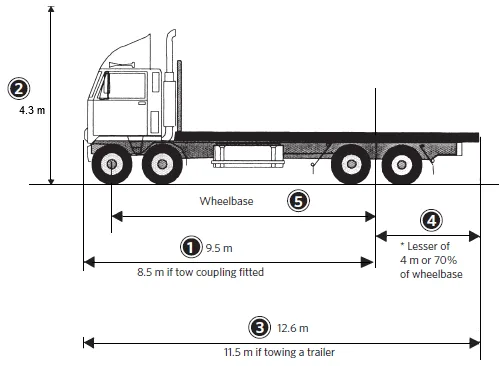
Your base rate depends on vehicle length. Young Brothers uses three main tiers: under 15 feet, 15, 20 feet, and over 20 feet. Sedans and most SUVs fall into the first two categories.
Bing (Web (fair-use with source credit))
Other cost factors include:
- Route: Oahu to Maui is typically the cheapest, while outer islands like Molokai or Lanai cost more
- Fuel surcharge: A percentage added to the base rate, updated monthly
- Vehicle condition: Non-running vehicles add a $50, $100 fee
- Seasonal demand: Summer months often see higher rates due to increased volume
To minimize costs, ship during off-peak periods if possible. Ensure your vehicle is running and has less than a quarter tank of fuel. Double-check your measurements to avoid being bumped into a higher tier.
Exact Rates by Vehicle Size and Route
Base rates are filed with the Hawaii Public Utilities Commission. As of 2026, a sedan under 15 feet costs about $220 from Oahu to Maui. The same vehicle to Hawaii Island runs around $300.
Larger vehicles jump to the next tier at 15, 20 feet, adding roughly $50, $100.
Fuel surcharges currently add 10, 15% to the base rate. These adjust monthly based on diesel prices. Check the latest tariff on the Young Brothers site before booking.
Here’s a quick rate snapshot for common routes:
| Vehicle Size | Oahu–Maui | Oahu–Hawaii Island | Oahu–Kauai |
|---|---|---|---|
| Under 15 ft | ~$220 | ~$300 | ~$280 |
| 15–20 ft | ~$280 | ~$380 | ~$350 |
| Over 20 ft | ~$400+ | ~$500+ | ~$450+ |
Sailing Schedule: When Your Car Leaves and Arrives
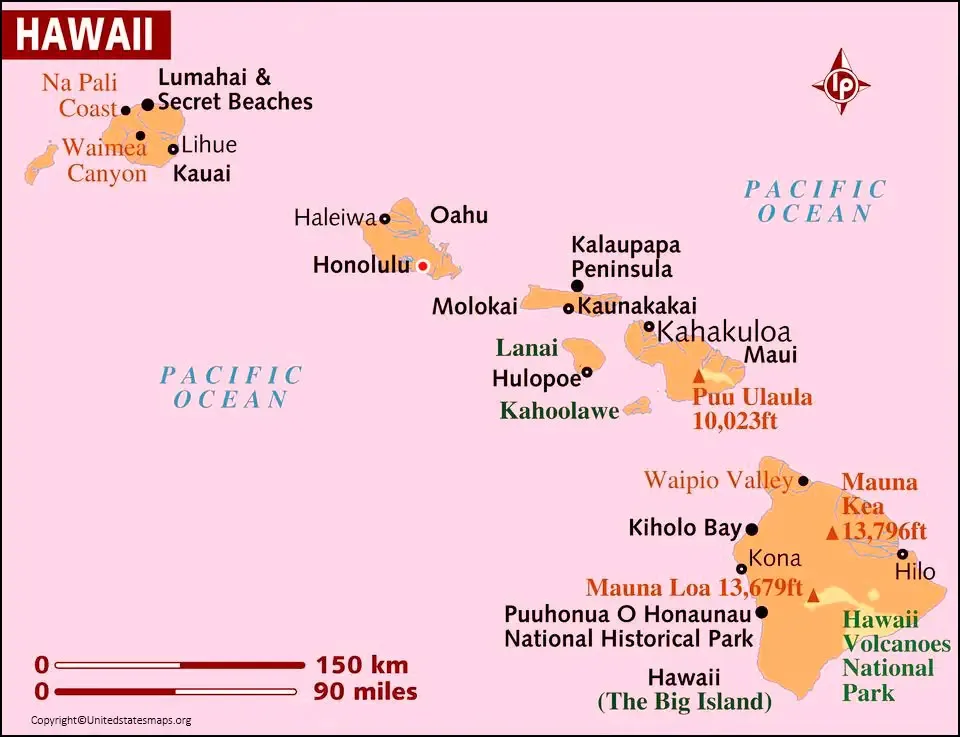
Young Brothers runs daily sailings between Oahu and Maui. Oahu to Hawaii Island and Kauai typically sail 3, 4 times per week. Molokai and Lanai have limited service, often once or twice a week.
Bing (Web (fair-use with source credit))
Transit times vary by route. Oahu to Maui takes about 1 day. Oahu to Hawaii Island or Kauai usually takes 2 days.
Outer islands like Molokai or Lanai may take 2, 3 days depending on connections.
Cut-off times are strict. Most terminals require drop-off 24, 48 hours before sailing. Miss the window and you’ll wait for the next available barge.
Paperwork and Prep You Can’t Skip
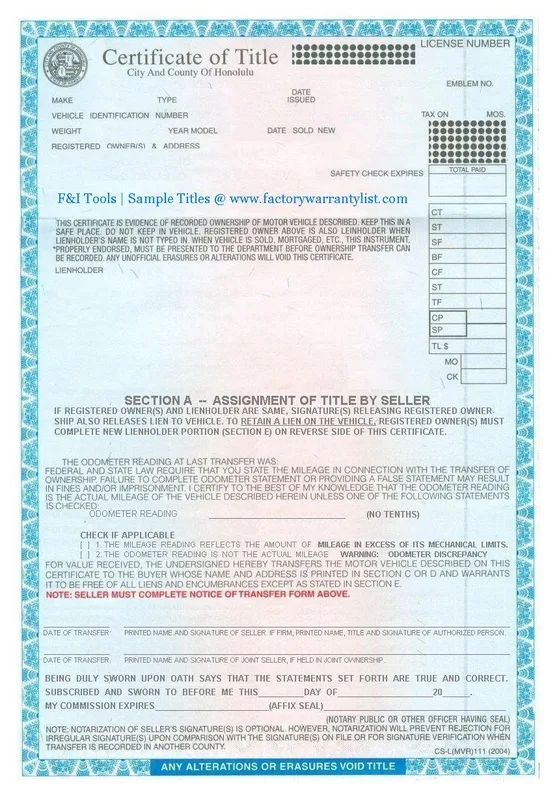
You’ll need the vehicle title or registration in your name. A valid government-issued ID is also required. If the title is lien-held, bring a notarized letter from the lienholder authorizing the shipment.
Bing (Web (fair-use with source credit))
Prep the vehicle before drop-off. Fuel should be under a quarter tank. Remove all personal items and loose parts.
Ensure the battery is charged and the vehicle runs unless you’ve declared it non-operable.
Common Mistakes That Delay or Cost You Extra
Showing up without proper paperwork is the top reason for delays. Missing title or registration means no shipment. Double-check your documents before heading to the terminal.
Underestimating your vehicle’s size leads to surprise fees. Measure from bumper to bumper, including spare tires or roof racks. If you’re close to a tier cutoff, round up to avoid last-minute charges.
Other frequent issues include:
- Arriving after the cut-off time and missing the sailing
- Leaving personal items in the vehicle, which may be removed at your expense
- Forgetting to declare a non-running vehicle, resulting in extra fees at the terminal
Alternatives to Young Brothers (And Why They’re Rarely Better)
Matson offers container shipping for vehicles but it’s designed for commercial cargo. Costs are higher for single vehicles and scheduling is less frequent. You’d also need to arrange terminal pickup, adding complexity.
Private barge charters exist but are expensive. A full barge charter can cost thousands, making it impractical for individuals.
Some consider selling their car and buying another on the new island. This can work for older vehicles but often costs more than shipping when you factor in taxes, registration, and the hassle of finding a replacement.
FAQs: Real Questions from Hawaii Residents
How far in advance should I book my vehicle?
Book at least 1, 2 weeks ahead for popular routes like Oahu to Maui. Summer months fill up faster, so aim for 3 weeks if possible. Last-minute spots may be available but aren’t guaranteed.
Can I ship a car with a salvage title?
Yes, but you’ll need to provide the salvage title and any required state documentation. Some terminals may have additional inspection requirements. Check with Young Brothers before booking.
What if my car doesn’t run?
Non-running vehicles can be shipped but require a $50, $100 surcharge. You must declare this at booking. The terminal will need to tow it on and off the barge.
Do I need to be present when my car is loaded?
No, you can drop off your vehicle and leave. Just ensure all paperwork is complete and the keys are with the terminal staff. Someone with ID will need to pick it up at the destination.
Are there weight limits for vehicles?
Standard passenger vehicles under 10,000 lbs are accepted. Oversized or commercial vehicles may require special arrangements. Always confirm with Young Brothers before booking.
Can I ship personal items inside my car?
No. All personal items must be removed. The carrier isn’t responsible for loose items, and they may be removed at your expense.
Empty the trunk, glove box, and cabin before drop-off.
Final Checklist Before You Book
Confirm your vehicle’s exact length and height. These determine your rate tier. Measure from bumper to bumper, including any accessories.
Gather your title or registration and a valid ID. If the title isn’t in your name, bring authorization from the owner. Non-running vehicles need to be declared upfront.
Check the sailing schedule for your route. Daily service runs to Maui, while other islands have limited sailings. Plan your drop-off to meet the 24, 48 hour cut-off.
Remove all personal items and reduce fuel to under a quarter tank. Ensure the battery is charged and the vehicle is in working order unless declared otherwise.
Review the current tariff and fuel surcharge on the Young Brothers site. Rates can change monthly, so verify before finalizing your booking.