Black Friday deals are live on Amazon · limited-time discounts, grab them before they’re gone
Grab the deals

ByMax Lee
How Long After Ceramic Coat to Wash Car: Ultimate Timing Guide
After a ceramic coating is applied, wait at least 7 days before washing the car unless the coating manufacturer or installer gives different instructions. The coating may feel dry within hours, but drying and curing are not the same process.
During the cure period, water, shampoo, pressure, friction, and contaminants can interfere with the coating’s bond. A careful first week helps the coating level properly, develop its intended water behavior, and reach its expected durability. For more on this, see our guide on oklahoma antique car registration guide for 25 year.
Quick Answer: When Can You Wash a Ceramic-Coated Car?
For most professionally installed or DIY ceramic coatings:
- First 24 hours: Keep the vehicle completely dry.
- 24–48 hours: Avoid rain, washing, sprinklers, dew, and standing water whenever possible.
- Days 3–6: Continue avoiding routine washing unless the product instructions specifically allow it.
- After 7 days: Perform a gentle hand wash with pH-neutral car shampoo.
- After 2–4 weeks: The coating is generally closer to its fully cured state, although the exact time depends on the product, temperature, humidity, and application conditions.
The product’s technical sheet always takes priority. Some coatings specify a shorter initial dry period, while others require a longer cure time. The manufacturer’s application guidance is more reliable than a generic internet timetable because formulations differ.
Why Ceramic Coatings Need Time to Cure
A ceramic coating is a liquid coating made from reactive materials, commonly including silane or siloxane chemistry. After application, solvents evaporate and the coating chemically bonds with the prepared paint surface. It then continues hardening as it cures. For more on this, see our guide on nevada vehicle registration deadline after buying a car.
This process has several stages:
- Flash time: The product begins to set and is leveled by the installer.
- Initial drying: The surface becomes touch-dry but may still be vulnerable.
- Early cure: The coating becomes more resistant to water and light contact.
- Full cure: The coating reaches its intended hardness and chemical resistance.
A coating that feels smooth does not necessarily have its final resistance. In practice, the most common mistake is treating a newly coated car like a fully cured one because the paint looks dry.
Washing too soon can introduce water spots, streaks, mineral deposits, or uneven coating behavior. Aggressive contact can also disturb high spots that were not fully leveled during installation.

Credit: gleamworksceramic.ca
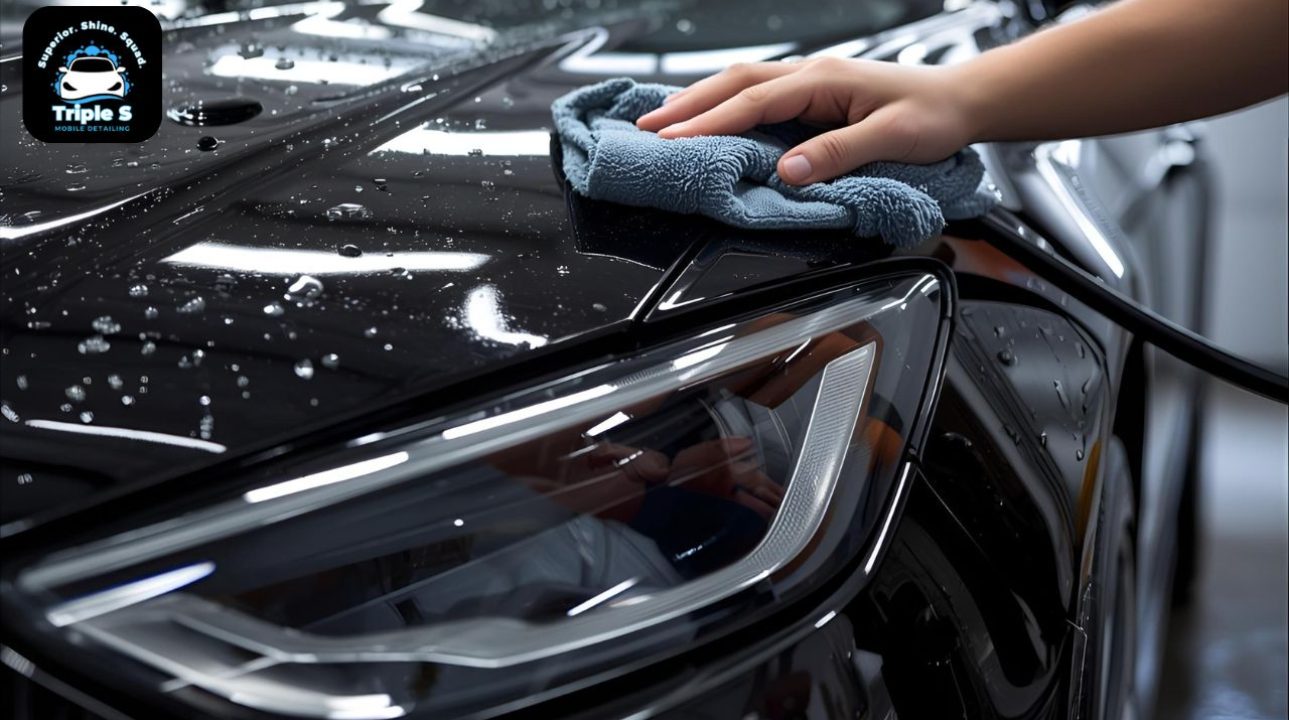
The strong reflection shows the smooth, freshly coated paint surface that should remain undisturbed during curing.
Ceramic Coating Wash Timeline
| Time after application | What to do | What to avoid |
|---|---|---|
| First 24 hours | Keep the car indoors or fully sheltered | Water, rain, dew, washing, touching the paint |
| 24–48 hours | Keep exposure to moisture as low as possible | Sprinklers, wet covers, pressure washing, bird-bath-style rinsing |
| Days 3–6 | Inspect for contamination without rubbing the surface | Shampoo, automatic washes, clay bars, polishing, waxing |
| Day 7 onward | Begin a careful hand wash if the product allows it | Brushes, harsh chemicals, contaminated towels |
| Weeks 2–4 | Continue gentle maintenance and observe water behavior | Abrasive products and unnecessary machine polishing |
This is a conservative schedule, not a universal rule. Temperature, humidity, ventilation, coating thickness, and the installer’s curing setup all affect the result. A garage with controlled conditions may produce a different cure rate from a cold, damp driveway.
What If It Rains Before the Coating Cures?
Rain during the first 24–48 hours is undesirable, but it does not automatically mean the coating has failed. Do not panic-wash the vehicle immediately. Extra rubbing while the coating is still curing can cause more harm than the rain itself.
Instead:
- Move the car under cover as soon as practical.
- Let the surface dry naturally or follow the installer’s instructions.
- Do not wipe away rainwater with a dry towel.
- Look for mineral spots, streaks, or areas where water is behaving differently.
- Contact the installer if heavy rain, flooding, or prolonged water exposure occurred soon after application.
If the coating was professionally installed, ask the detailer whether they applied a temporary curing aid or topcoat. Do not add a random spray sealant unless the product maker confirms that it is compatible.
What to Do About Bird Droppings, Tree Sap, and Road Film
Keeping the car dry does not mean leaving damaging contamination on the paint. Bird droppings, insect residue, and tree sap can etch or stain clear coat and coating surfaces, particularly in direct sun.
During the cure period:
- Remove contamination as soon as possible without scrubbing.
- Soak a clean microfiber towel with distilled water or the installer-approved product.
- Place it over the contamination briefly to soften it.
- Lift or blot the residue rather than dragging it across the paint.
- Use a second clean towel if any gentle wipe is necessary.
- Ask the installer before using an all-purpose cleaner, solvent, or tar remover.
Do not use a dry towel on hardened bird droppings. Do not scrape sap or residue with a fingernail, plastic card, razor, or abrasive pad.
How to Perform the First Wash After Ceramic Coating
Once the recommended waiting period has passed, wash the car carefully. The first wash is not the time to test strong chemicals, scrub heavily, or use an automated tunnel.
1. Choose the right conditions
Wash in shade, on cool paint, and away from strong wind. A hot panel causes shampoo to dry quickly and increases the chance of mineral spotting.
Before starting, gather:
- pH-neutral automotive shampoo
- A clean wash mitt
- Two buckets with grit guards, if available
- A gentle hose or pressure washer used at a sensible distance
- Several clean, plush microfiber drying towels
- A separate towel for wheels and lower panels
The two-bucket washing method helps reduce the amount of grit transferred back onto the coated paint.
2. Rinse loose dirt away
Rinse the entire vehicle from top to bottom. Pay attention to wheel arches, rocker panels, lower doors, and the rear bumper, where heavier grit collects.
A pressure washer can be used after the initial cure if it is handled responsibly. Keep the nozzle away from trim gaps and seals, avoid extremely close spraying, and never use a concentrated jet to force dirt across the paint.
3. Wash from the top down
Clean the roof, glass, hood, upper doors, and upper fenders before moving to the lower panels. Rinse the mitt frequently in the plain-water bucket.
Use straight, overlapping passes with minimal pressure. Let the shampoo and mitt loosen contamination rather than trying to polish the surface through friction.
4. Rinse thoroughly
Do not allow shampoo to dry on the paint. Rinse panel by panel if the weather is warm, and make sure no soap remains around badges, mirrors, handles, grilles, or trim.
5. Dry without scrubbing
Use a clean microfiber drying towel or a filtered air blower. Lay the towel on the surface and gently pull it across the panel, or blot rather than rubbing aggressively.
A coated vehicle may shed much of the rinse water, but drying is still important. Remaining droplets can leave mineral deposits, especially in areas with hard water.
Is a Pressure Washer Safe After Ceramic Coating?
Yes, a pressure washer is generally safe after the coating has cured when used correctly. The pressure itself is not the main problem; excessive closeness, a narrow nozzle, damaged trim, and abrasive dirt are the bigger risks.
Use these precautions:
- Start with a wide spray pattern.
- Keep a reasonable distance from the paint.
- Avoid spraying directly into door seals and damaged edges.
- Do not use a turbo nozzle on painted panels.
- Pre-rinse heavily soiled areas before touching them.
- Never use a pressure washer as a substitute for a proper wash mitt.
During the first curing period, follow the product’s instructions rather than assuming pressure washing is acceptable. If you need equipment for drying or compressed air around wheels and trim, choose equipment based on the appropriate air-system capacity rather than maximum pressure alone.
Which Soap Is Safe for Ceramic Coating?
Use a car shampoo labeled pH-neutral, coating-safe, or designed for regular maintenance washing. A good maintenance shampoo should provide lubrication without leaving heavy wax, abrasive particles, or aggressive solvents behind.
Avoid using:
- Household dish soap
- Laundry detergent
- Degreasers intended for engines
- Strong alkaline cleaners for routine bodywork
- Abrasive compounds
- Wash-and-wax products unless approved for the coating
- Clay bars during the early cure period
A high-pH cleaner may be appropriate occasionally for heavy buildup, but routine washing should remain gentle. The coating’s hydrophobic behavior can also be temporarily reduced by traffic film, oils, and mineral deposits without meaning the coating has failed.
Can You Use an Automatic Car Wash?
Avoid automatic washes with rotating brushes, stiff cloth strips, or poorly maintained equipment. These systems can introduce fine scratches and may carry abrasive grit from one vehicle to another.
A touchless wash is usually less physically abrasive, but its detergents can be strong. It is useful as an emergency pre-cleaning option, not necessarily the best long-term maintenance routine.
The safest approach is a careful hand wash using clean tools. If you must use a commercial wash during the cure period, ask the installer first and avoid any wash that applies wax, sealant, tire dressing overspray, or abrasive brushing.
How Often Should You Wash a Ceramic-Coated Car?
Wash the car whenever contamination requires it rather than waiting for a fixed calendar date. For many vehicles, a gentle wash every two to four weeks works well, but driving conditions matter more than the number of days.
Wash more frequently when the car is exposed to:
- Road salt or winter brine
- Heavy dust or construction areas
- Coastal air and salt spray
- Mud and agricultural roads
- Frequent highway driving
- Tree sap, insects, or bird droppings
Regular washing prevents contamination from building into a film that masks the coating’s water behavior. It also reduces the need for aggressive chemical cleaning later.
Ceramic Coating Maintenance After the First Wash
After the coating has cured, maintenance is straightforward but not maintenance-free.
Use clean tools
A dirty wash mitt or drying towel can scratch paint even when the coating is present. Keep separate tools for wheels, exhaust tips, and painted panels. Wash microfiber towels separately from cotton laundry and do not use fabric softener.
Dry mineral-heavy water promptly
If your water contains substantial minerals, dry the vehicle before droplets evaporate. A filtered water system or air blower can reduce spotting, but neither replaces proper washing.
Protect the coating from contamination
Whenever possible, park away from tree sap, bird roosts, and industrial fallout. Covered parking helps, but do not place a car cover on a dirty vehicle because trapped grit can create abrasion.
Use toppers selectively
A ceramic coating topper or silica-based maintenance spray may refresh slickness and water behavior, but compatibility matters. Use only a product approved by the coating manufacturer or installer. A topper can mask symptoms temporarily, so it should not be used to conceal poor washing technique or contamination buildup.
Inspect rather than assume failure
Reduced beading can result from oils, road film, mineral deposits, or an incompatible product. Clean the surface properly before deciding the coating has failed. If the problem remains, have the vehicle inspected instead of immediately polishing the paint.
What Happens If You Wash Too Soon?
Washing before the recommended cure period may:
- Leave streaks or uneven-looking areas
- Cause premature water spotting
- Disturb uncured high spots
- Reduce uniform bonding or surface behavior
- Introduce fine scratches through unnecessary contact
- Remove or interfere with a temporary curing product
A single accidental splash does not necessarily ruin a coating. The risk depends on the product, exposure, water quality, temperature, and whether the surface was rubbed. The safest response is to minimize contact, dry the vehicle only according to the installer’s instructions, and request professional guidance if the coating looks uneven.
Common Ceramic-Coating Washing Mistakes
Treating “dry to the touch” as fully cured
The surface can feel dry while the coating continues to harden. Follow the stated cure time, not just the appearance or feel of the paint.
Using a cover immediately
A cover can trap moisture against a newly coated surface and may move grit across the paint. Ask the installer before covering the vehicle during the initial cure.
Wiping off rain with a dry towel
Dry wiping can grind mineral residue and road dust into the coating. Rinse or soften contamination first.
Using household cleaners
Dish soap and general-purpose cleaners are not automatically safe for automotive coatings. Use products intended for vehicle paint.
Applying wax without checking compatibility
Some waxes and sealants can alter water behavior or leave a film that makes the coating appear less effective. Compatibility is more important than adding another layer.
Assuming a ceramic coating prevents scratches
Ceramic coating can improve chemical resistance and make cleaning easier, but it is not an impact shield. It will not stop stone chips, deep scratches, or careless washing marks.
When Should You Contact the Installer?
Contact the installer promptly if:
- The car was soaked within the first day
- You see persistent streaks or cloudy patches
- Water behavior differs sharply between panels
- The coating appears to be peeling or separating
- You accidentally used a strong chemical or abrasive product
- You are unsure whether a topper or cleaner is compatible
Keep the invoice, product name, application date, and care instructions. Coating warranties often depend on following the installer’s maintenance requirements, so documenting the issue is better than trying several corrective products first.
For broader vehicle upkeep, also check your local inspection requirements; for example, understanding regional vehicle standards can help you separate cosmetic coating care from legally required maintenance.
Frequently Asked Questions
How long after ceramic coat can I wash my car?
For a conservative general rule, wait seven days before washing. However, the product’s instructions and the installer’s guidance take priority. Some coatings permit washing sooner, while others require a longer cure period.
Can I wash my car 24 hours after ceramic coating?
Only if the coating manufacturer or installer specifically permits it. Many products should remain dry for at least the first 24 hours, and a full wash at that point may still be premature.
What if it rains after ceramic coating?
Avoid wiping the wet vehicle. Move it under cover when possible, let it dry safely, and ask the installer whether any follow-up treatment is needed. Rain does not automatically destroy the coating.
Can I use a pressure washer after ceramic coating?
Yes, after the initial cure period, provided you use a wide spray pattern, maintain distance, and avoid forcing water into seals or damaged edges. Do not pressure-wash extremely close to the paint.
Is pH-neutral soap required?
A pH-neutral automotive shampoo is the safest choice for routine washing. Stronger cleaners may be useful for specific contamination but should not replace a gentle maintenance wash.
How often should a ceramic-coated car be washed?
Many vehicles benefit from washing every two to four weeks, but wash sooner after salt, mud, bird droppings, tree sap, or heavy road film. Contamination level matters more than a fixed schedule.
Can I use a drying towel after ceramic coating?
Yes, once the recommended cure period has passed. Use a clean, soft microfiber towel and blot or glide it lightly over the paint. Never use a contaminated towel or scrub dry dirt.
Does ceramic coating eliminate the need to wash the car?
No. It makes contamination easier to remove and can improve water behavior, but the surface still needs regular washing. Neglected dirt, minerals, and organic residue can affect both appearance and coating performance.
Final Takeaway
The safest answer to how long after ceramic coat to wash a car is at least seven days, unless the coating’s instructions specify otherwise. Keep the vehicle dry and untouched during the first 24–48 hours, protect it from contamination, and delay routine washing until the recommended cure period has passed.
For the first wash, use shade, clean microfiber tools, pH-neutral shampoo, gentle rinsing, and minimal pressure. Avoid brush washes, harsh chemicals, dry wiping, and unnecessary polishing. Consistent, careful maintenance will help the coating retain its gloss, water behavior, and protective performance for longer.








