Black Friday deals are live on Amazon · limited-time discounts, grab them before they’re gone
Grab the deals

ByMax Lee
How to Get a Loan to Buy a Car Wash: Expert Tips to Secure Funding
Buying an operating car wash can be an attractive way to enter the automotive-services industry, but lenders view it as a significant commercial acquisition—not a standard personal loan. The property, tunnel or bay equipment, water systems, environmental obligations, customer volume, and the business’s cash flow all affect whether financing is available.
The strongest applications answer one central question:
Will this car wash generate enough reliable cash flow to repay the loan after paying operating expenses, taxes, maintenance, and the owner’s compensation?
This guide explains how to get a loan to buy a car wash, which financing options may fit, what lenders review, how to evaluate the deal, and how to improve your approval odds in 2026. For more on this, see our guide on montana car registration deadline buy or move.
Start by Defining What You Are Buying
Before contacting lenders, separate the purchase into its individual assets. A “car wash” may include some or all of the following:
- The operating business and its customer relationships
- Land and buildings
- Automatic tunnel or in-bay equipment
- Self-service bays and vacuum stations
- Water-reclamation and treatment systems
- Point-of-sale systems, membership software, and signage
- Inventory and cleaning chemicals
- Existing leases, service contracts, and permits
- The seller’s brand or franchise rights
The financing structure depends heavily on this breakdown. For example, a real estate loan may be appropriate for the land and building, while equipment financing may cover a replacement conveyor or payment terminal. Working capital may need a separate line of credit.
Do not assume the seller’s asking price is the amount you should borrow. You may also need funds for:
- Down payment and closing costs
- Equipment repairs or replacement
- Deferred maintenance
- Utility deposits
- Insurance premiums
- Licenses and permits
- Payroll during the transition
- Initial chemical and supply purchases
- Marketing and membership promotions
- A cash reserve for seasonal slowdowns
A common mistake is using every available dollar for the acquisition and opening with no operating cushion. A lender may prefer a slightly smaller purchase loan combined with a documented working-capital reserve. For more on this, see our guide on oklahoma antique car registration guide for 25 year.
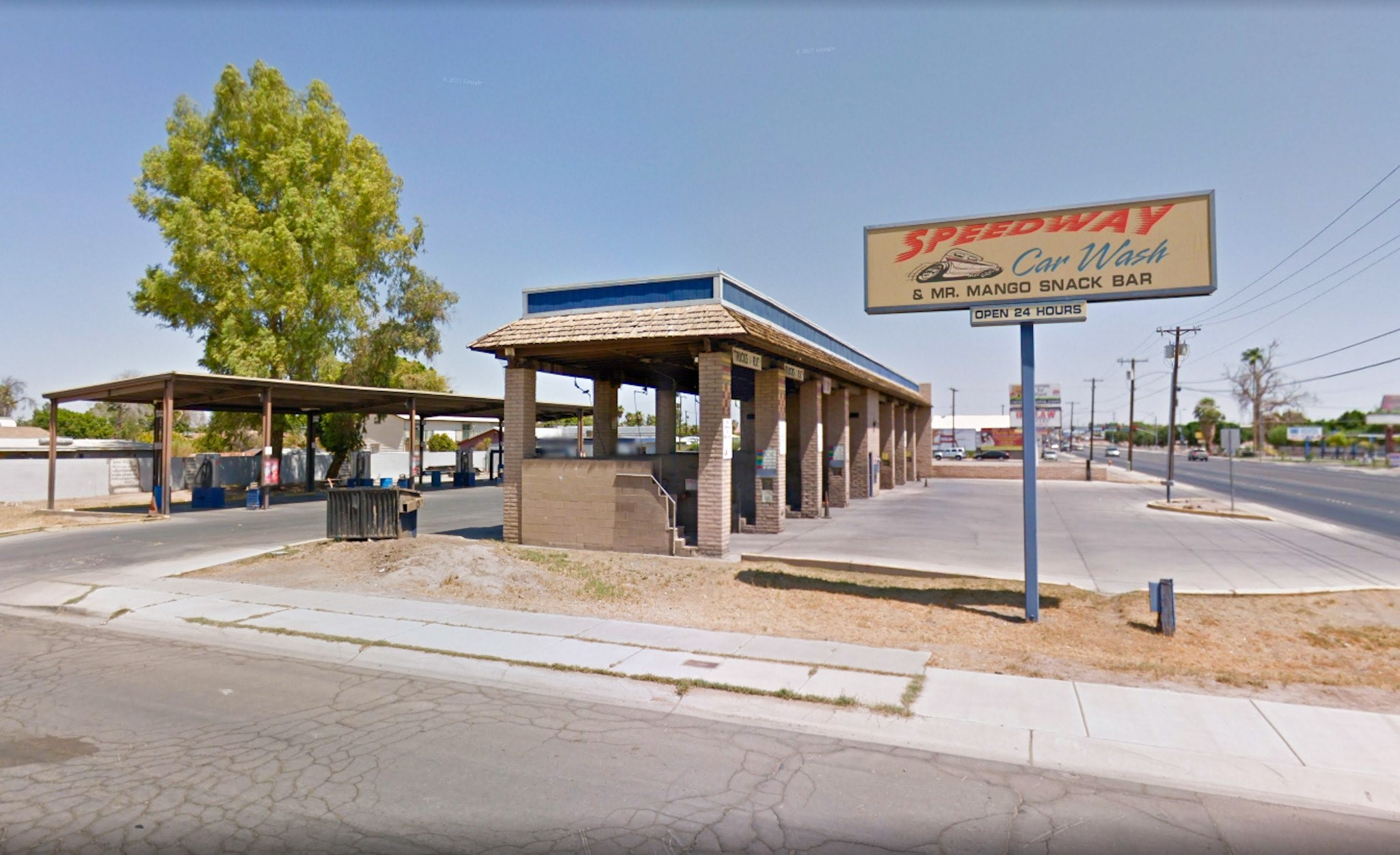
An operating wash should be evaluated as both a property purchase and an equipment-heavy business.
Credit: www.tmcfinancing.com
Understand How Car Wash Loans Are Underwritten
Commercial lenders usually assess three connected risks:
1. Borrower risk
The lender reviews your personal and business credit, liquidity, management experience, debt obligations, and willingness to invest your own capital.
You do not always need previous car wash ownership. However, you should show experience that transfers to the business, such as:
- Managing employees
- Operating a service business
- Handling equipment maintenance
- Managing customer memberships
- Controlling costs and inventory
- Supervising vendors and contractors
- Reading financial statements
If you lack industry experience, strengthen the application with an experienced operating partner, consultant, manager, or seller transition agreement. For more on this, see our guide on used car from ca arizona registration sales tax.
2. Business cash-flow risk
The lender will examine whether the existing operation can support the proposed debt. This typically includes:
- Revenue by service line
- Monthly and annual profit-and-loss statements
- Bank deposits and tax returns
- Membership or subscription revenue
- Average ticket size
- Vehicle count and wash volume
- Labor, water, sewer, chemical, utility, and repair costs
- Seasonality and weather sensitivity
- Owner add-backs and unusual expenses
Reported profit is not automatically the same as available debt-service cash flow. A lender may remove questionable add-backs or adjust expenses that a new owner will actually incur.
One important measure is the debt-service coverage ratio, often abbreviated DSCR:
[ \text{DSCR} = \frac{\text{Cash flow available for debt service}}{\text{Annual principal and interest payments}} ]
A ratio above 1.0 means the projected cash flow exceeds scheduled debt payments. Lenders set their own requirements, and the acceptable level varies by loan type, borrower strength, collateral, and risk. Ask the lender how it calculates cash flow rather than relying on the seller’s preferred number.
3. Collateral and transaction risk
The lender may evaluate:
- The appraised value of the land and building
- Equipment condition and resale value
- Environmental conditions
- Title and survey issues
- Leases and easements
- Water and sewer capacity
- Zoning and operating permits
- The purchase agreement
- Whether the asking price is supported by earnings
A car wash can have valuable real estate but obsolete equipment, or excellent equipment on leased land. Those situations require different loan structures.
Choose the Right Financing Structure
There is no single “car wash loan.” The best structure often combines two or more types of funding.
SBA 7(a) financing
An SBA 7(a) loan can potentially finance an eligible business acquisition, real estate, equipment, working capital, and certain other project costs. The lender—not the Small Business Administration—makes the loan, while the SBA guarantee can reduce the lender’s risk when the transaction meets program requirements.
Eligibility, borrower equity, collateral, repayment terms, fees, and guarantee requirements must be confirmed with a participating lender. Review current program information directly through the U.S. Small Business Administration rather than relying on an old blog post or a broker’s summary.
SBA financing may be useful when:
- You are buying an operating business
- The transaction includes multiple asset classes
- You need working capital along with acquisition funding
- The business has documented historical cash flow
- You are willing to provide a personal guarantee when required
SBA loans are not automatically easier or cheaper. The application can require extensive documentation, and approval depends on the lender’s underwriting as well as program rules.
SBA 504 financing
SBA 504 financing is generally designed for major fixed assets such as owner-occupied commercial real estate and long-term equipment. It may be worth exploring when the transaction is heavily weighted toward a building, land, or substantial equipment.
It is less flexible for working capital and may require a separate loan or cash reserve for operating needs. Ask a Certified Development Company or participating lender whether the proposed acquisition fits the program.
Conventional commercial loans
A bank or credit union may offer a conventional term loan secured by the business assets, real estate, or both. Conventional financing can be competitive for borrowers with:
- Strong personal credit
- Significant liquidity
- Relevant operating experience
- A profitable business with consistent records
- Valuable collateral
- A lower loan-to-value ratio
The trade-off is that conventional lenders may be less flexible when the buyer is inexperienced or the financial history is inconsistent.
Equipment financing
Equipment financing can fund specific assets such as:
- Tunnel components
- Vehicle conveyors
- Pumps and dryers
- Vacuums
- Water-reclamation equipment
- Payment kiosks
- Air compressors
- Point-of-sale hardware
The equipment itself commonly serves as collateral, but approval still depends on the borrower and the asset’s condition. Used equipment may require an inspection, valuation, maintenance records, and a shorter repayment period.
For capital planning, review the practical difference between tank size, CFM, and duty cycle in commercial air-system planning before accepting a quote for a replacement compressor.
Commercial real estate financing
If you are purchasing the land and building, a commercial mortgage may be appropriate. The lender will likely require an appraisal, title work, environmental review, insurance, and evidence that the property is legally suited for the intended use.
Real estate financing may have a longer term than equipment financing, but it does not eliminate the need to budget for repairs, equipment replacement, or working capital.
Seller financing
Seller financing can bridge a valuation gap or make a transaction possible when bank financing covers only part of the price. The seller may accept a promissory note for a portion of the purchase price.
Important points to negotiate include:
- Interest rate
- Amortization period
- Maturity or balloon date
- Payment schedule
- Subordination to the senior lender
- Personal guarantees
- Security interest
- Default rights
- Whether payments are deferred during transition
Seller financing is not free money. It must be modeled alongside the bank loan and operating expenses.
Personal loans and unsecured credit
Personal loans, credit cards, and unsecured online financing are generally poor choices for a full car wash acquisition because the amount may be inadequate and the cost can be high. They may be appropriate only for a small, clearly defined expense that will not endanger business cash flow.
Avoid funding a major acquisition with short-term debt simply because approval is fast.
Build a Complete Acquisition Budget
Your loan request should show exactly how every dollar will be used. A lender is more comfortable with a detailed sources-and-uses schedule than with a round request such as “$1 million for the purchase.”
Example sources and uses format
| Uses of funds | What to document |
|---|---|
| Purchase price | Signed letter of intent or purchase agreement |
| Real estate | Appraisal, survey, title information |
| Equipment | Asset list, age, condition, service records |
| Repairs and upgrades | Contractor estimates or vendor quotes |
| Inventory | Current inventory schedule |
| Closing costs | Attorney, appraisal, environmental, lender, and filing costs |
| Licenses and permits | Local requirements and estimated fees |
| Working capital | Payroll, utilities, chemicals, insurance, and reserve |
| Franchise or transfer fees | Franchisor documentation, if applicable |
Then identify the sources:
- Buyer cash injection
- Bank or credit-union loan
- SBA-backed financing
- Equipment loan
- Seller note
- Investor equity, if applicable
Keep a contingency reserve. Car wash equipment is exposed to water, chemicals, freezing temperatures, constant vehicle traffic, and high usage. A small mechanical problem can interrupt revenue quickly.
Perform Due Diligence Before Applying
Do not wait until after loan approval to investigate the business. Financing is easier when major risks have already been identified and priced.
Review several years of financial records
Request and reconcile:
- Business tax returns
- Profit-and-loss statements
- Balance sheets
- Bank statements
- Sales-tax filings
- Payroll records
- Utility bills
- Chemical and supply invoices
- Repair and maintenance invoices
- Membership reports
- Point-of-sale reports
- Customer counts and average ticket data
Compare reported sales with bank deposits and point-of-sale records. Large unexplained differences require an explanation before you rely on the numbers.
Verify revenue quality
Not all revenue has the same value. Examine:
- Unlimited-wash membership totals
- Monthly churn and cancellation rates
- Promotional discounts
- Gift-card sales
- Fleet accounts
- Cash versus card transactions
- Revenue concentration by season
- Revenue attributable to the seller personally
Memberships can improve predictability, but they also create future service obligations. Confirm that the reported member count represents active, paying customers.
Inspect equipment and infrastructure
Hire an experienced car wash equipment technician or qualified engineer to inspect:
- Conveyor and chain systems
- Brushes, cloth, and arches
- Pumps, motors, blowers, and dryers
- Water-reclamation equipment
- Drainage and plumbing
- Electrical panels and controls
- Chemical delivery systems
- Vacuum stations
- Payment terminals
- Roof, pavement, and structural elements
Obtain a written estimate for immediate repairs and likely replacements. A seller may describe equipment as “working,” but that does not mean it has a reasonable remaining service life.
For operational planning, establish documented washing procedures and chemical controls. A customer-facing hand-wash or detailing component may also benefit from a consistent paint-safe washing process, although that method should not substitute for professional tunnel-equipment maintenance.
Confirm legal and environmental compliance
Work with local professionals to verify:
- Zoning and permitted use
- Building and occupancy approvals
- Water-discharge requirements
- Sewer capacity and fees
- Stormwater obligations
- Chemical storage rules
- Fire and electrical compliance
- Sign permits
- Accessibility requirements
- Waste disposal procedures
- Pending violations or notices
Environmental due diligence is particularly important because contamination, drainage problems, or unapproved wastewater practices can create expensive liabilities. Depending on the property and lender, a Phase I environmental site assessment may be required.
Research the market and competition
Evaluate:
- Traffic counts and access points
- Visibility and turning movements
- Nearby competing washes
- Population and daytime employment
- Local vehicle ownership patterns
- Weather and seasonal demand
- New construction planned nearby
- Pricing and membership offerings
- Customer reviews and complaints
Location is valuable only if customers can enter and exit safely and conveniently. A property with high traffic but difficult access may underperform a less visible site with better ingress and egress.
Prepare a Lender-Ready Business Plan
A lender does not need a glossy presentation. It needs a credible explanation of how the business will operate and repay debt.
Include these sections:
Executive summary
State:
- Purchase price
- Amount requested
- Buyer equity
- Financing structure
- Location
- Business type
- Relevant buyer experience
- Expected closing date
Business and transaction description
Explain whether you are purchasing:
- Assets only
- The legal entity
- Real estate and business together
- A franchise location
- A leased site and operating business
List what is included and excluded from the transaction.
Management plan
Identify who will handle:
- Daily operations
- Staffing and scheduling
- Equipment maintenance
- Bookkeeping
- Marketing
- Vendor management
- Compliance
If you will not be onsite, explain how you will supervise the general manager and verify daily sales.
Financial projections
Prepare monthly projections for at least the first year and annual projections for subsequent years. Include conservative, expected, and downside cases.
Model changes in:
- Wash volume
- Average price
- Membership growth
- Utility costs
- Payroll
- Chemical costs
- Repairs
- Insurance
- Debt payments
A useful downside case might assume lower volume, delayed equipment upgrades, or higher repair expense. The point is not to make the numbers look attractive; it is to show that you understand what could go wrong.
Repayment plan
Explain which cash flow will pay the loan and identify secondary repayment support, such as collateral or personal liquidity. Avoid saying only that “the business will be profitable.” Show the calculation.
Gather the Documents Lenders Usually Request
Requirements vary, but prepare a digital folder containing:
- Personal financial statement
- Personal tax returns
- Business tax returns
- Personal and business bank statements
- Credit authorization
- Resume and management history
- Purchase agreement or letter of intent
- Business plan
- Financial projections
- Seller’s financial statements
- Equipment list and valuations
- Real estate appraisal, if available
- Lease and landlord information
- Licenses and permits
- Insurance information
- Environmental reports
- Franchise documents, if applicable
- Existing debt schedules
- Litigation or bankruptcy disclosures
- Sources-and-uses statement
Incomplete applications create delays and can make the borrower appear disorganized. Label files clearly, reconcile totals, and explain unusual deposits or expenses before the lender asks.
Improve Your Approval Odds
Strengthen your personal financial profile
Before applying:
- Pay obligations on time
- Reduce revolving credit utilization where practical
- Correct inaccurate credit-report information
- Avoid opening unnecessary new accounts
- Maintain documented liquid savings
- Prepare explanations for past credit problems
Do not hide weak credit. A concise explanation, proof of resolution, and evidence of improved payment history are more useful than vague assurances.
Invest meaningful equity
Lenders generally want the buyer to have money at risk. Your contribution may come from savings or another permitted source, but the lender will want documentation showing where it came from.
Do not borrow your entire down payment without disclosing it. Undisclosed borrowed funds can violate loan conditions and undermine the application.
Choose a realistic purchase price
If the seller’s price is based on projected improvements rather than historical performance, the lender may not accept the valuation. Base your offer on verified cash flow, asset condition, and required capital expenditures.
A lower price with a funded repair reserve may be safer than paying more for a “turnkey” wash that has not been independently inspected.
Use an experienced team
A commercial lender, transaction attorney, accountant, insurance adviser, equipment specialist, and environmental professional can each identify different risks. Their fees should be included in the acquisition budget.
When comparing lenders, ask:
- Do you finance car wash acquisitions?
- Do you lend on used equipment?
- How do you calculate cash flow?
- What equity contribution is expected?
- Is a personal guarantee required?
- What collateral will be taken?
- Are there prepayment penalties?
- How long does underwriting usually take?
- What conditions must be met before closing?
Apply selectively rather than submitting incomplete applications to many lenders at once.
Understand the Loan Offer Before Signing
Compare offers using the total cost and risk—not just the interest rate.
Review:
- Fixed or variable interest rate
- Annual percentage rate where provided
- Principal amount
- Amortization period
- Maturity date
- Monthly payment
- Origination and underwriting fees
- Appraisal and environmental costs
- Collateral requirements
- Personal guarantee
- Debt-service covenants
- Reporting requirements
- Prepayment terms
- Late fees and default provisions
- Required deposits or treasury services
- Restrictions on additional borrowing
A long amortization can reduce the monthly payment but increase total interest and leave you with a large balance at maturity. A short equipment loan may match the asset’s useful life but create heavy early payments.
Ask the lender to provide a payment schedule and a written list of closing conditions. Have your attorney review documents before you commit.
What to Do If a Lender Says No
A denial is information, not necessarily the end of the project. Ask whether the problem was:
- Weak credit
- Insufficient equity
- Inadequate collateral
- Unstable cash flow
- Unsupported valuation
- Environmental risk
- Limited management experience
- Excessive existing debt
- Incomplete documentation
Then address the specific issue. You might:
- Negotiate a lower purchase price
- Increase the cash contribution
- Add seller financing
- Bring in an experienced operating partner
- Separate real estate and equipment financing
- Improve the financial records
- Obtain an independent equipment inspection
- Build a longer cash reserve
- Pursue an SBA-focused lender
- Wait until credit or liquidity improves
Be cautious with lenders that promise guaranteed approval, demand large upfront fees without clear disclosures, or avoid explaining the full cost of borrowing.
Frequently Asked Questions
How much money do I need to buy a car wash?
The required amount depends on the property, location, equipment, business performance, and transaction structure. Your total project budget may include the purchase price, buyer equity, closing costs, repairs, working capital, and reserves. Do not rely on a generic industry price range; obtain a valuation and build a property-specific budget.
Can I get a car wash loan with bad credit?
Possibly, but options may be limited and more expensive. A lender may require additional equity, collateral, a stronger guarantor, seller financing, or an experienced operating partner. Review your credit reports and resolve errors before submitting an application.
Is an SBA loan good for buying a car wash?
An SBA-backed loan can be useful for an eligible acquisition that combines business assets, equipment, real estate, and working capital. Approval is not automatic, and the lender must verify eligibility, repayment ability, collateral, and the transaction structure. Discuss the deal with a participating SBA lender early.
Can I finance the land, building, equipment, and business together?
Sometimes. A single loan may cover multiple eligible uses, or the project may require a commercial mortgage plus equipment financing and a working-capital line. The right approach depends on asset values, lender policy, repayment terms, and the purchase agreement.
What credit score is required?
There is no universal minimum that applies to every car wash loan. Lenders consider the full profile, including credit history, liquidity, experience, collateral, cash flow, and equity. A strong score helps, but it cannot compensate for weak business records or an unrealistic purchase price.
Do lenders require a personal guarantee?
Many small-business and acquisition loans require one, particularly when the borrower is a newly formed company. The guarantee can make you personally responsible if the business defaults, so understand its scope before signing.
How long does financing take?
Timing varies based on the lender, transaction complexity, appraisal, environmental review, documentation, and seller cooperation. Start financing discussions before signing a binding agreement, and include adequate time for lender due diligence and closing conditions.
Should I buy the property or lease the site?
Owning property can provide control and collateral but requires more capital and creates responsibility for taxes, maintenance, and real estate debt. Leasing may reduce the initial purchase price but exposes you to rent increases, renewal risk, assignment restrictions, and landlord approval requirements. Compare both structures using projected cash flow and long-term control.
Final Checklist Before Applying
Use this checklist to confirm that your application is ready:
- Purchase price is supported by verified financial performance
- Business and real estate components are clearly separated
- Equipment has been independently inspected
- Environmental and permit risks have been investigated
- Personal and business credit information is accurate
- Buyer equity and its source are documented
- Working capital and repair reserves are included
- Monthly projections show loan repayment capacity
- Downside assumptions have been modeled
- Purchase agreement allows time for financing and due diligence
- Attorney and accountant have reviewed the transaction
- Multiple suitable lenders have been compared
- The proposed payment remains manageable under conservative conditions
Conclusion
Getting a loan to buy a car wash requires more than good credit and a promising location. You need a defensible purchase price, verified cash flow, realistic projections, inspected equipment, documented buyer equity, and a financing structure that matches the assets being acquired.
Start by defining the transaction, investigate the business before relying on its numbers, and speak with lenders that understand commercial acquisitions. Compare SBA, conventional, equipment, real estate, and seller-financing options rather than accepting the first offer.
Most importantly, preserve enough cash to operate and repair the wash after closing. A carefully underwritten acquisition gives you a better chance of securing funding—and a much stronger chance of keeping the business financially healthy after the loan is approved.








