ByMax Lee
How to Remove Road Tar from Ppf Without Damaging the Self-Healing Layer: Expert Tips
You’ve invested in paint protection film (PPF) to keep your car looking flawless. But what happens when stubborn road tar sticks to your PPF?
Scrubbing too hard can ruin the self-healing layer you rely on, leaving unsightly marks and weakening the protection. Don’t worry—there’s a way to remove that tar safely, preserving your car’s shine and the film’s powerful defense. Keep reading to discover simple, effective methods you can use right now to tackle road tar without causing damage.
Your car deserves the best care, and you’re about to learn exactly how to give it.
What Is Road Tar And Its Impact On Ppf
Road tar is a sticky, black substance used in paving roads. It often splashes onto vehicles during travel. Tar stains can be tough to remove from Paint Protection Film (PPF).
Sources of road tar include freshly paved roads, construction sites, and road repairs. Cars drive over tar, spreading it on tires and surfaces. This leads to tar spots on your car’s PPF.
Effects on Paint Protection Film can be damaging if tar is left untreated. Tar can stick firmly and may cause staining or discoloration. It also attracts dirt, making your car look dirty.
Challenges with the self-healing layer of PPF arise because this layer is delicate. Harsh chemicals or scrubbing can damage it. The self-healing layer helps fix small scratches but can be harmed by improper tar removal.
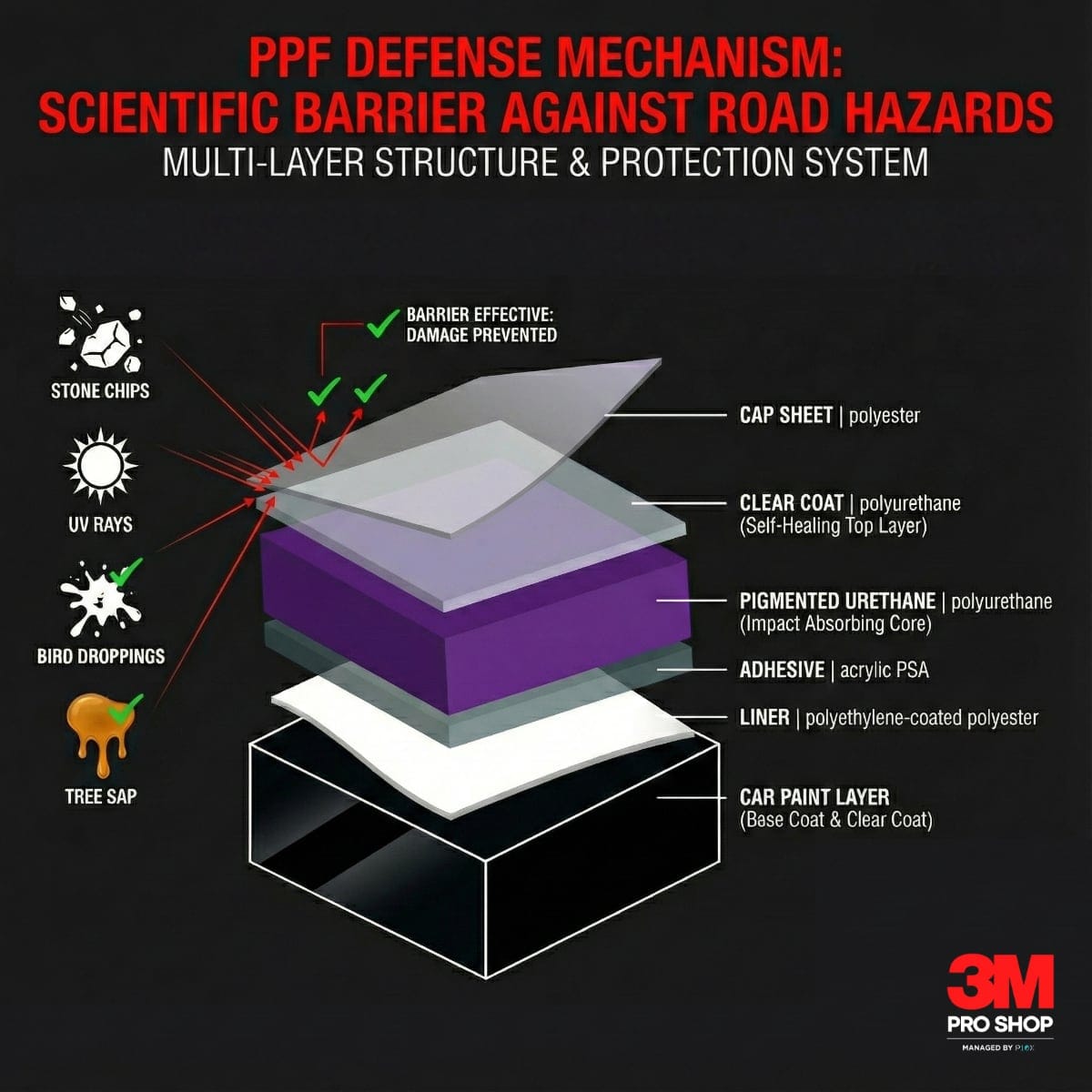
Credit: www.3mproshop.com.my
Safe Materials For Removing Road Tar
Isopropyl alcohol and mineral spirits are safe solvents to remove road tar. They clean without harming the paint protection film (PPF). Avoid strong chemicals like acetone or paint thinners. These can damage the self-healing layer of the PPF.
Use a soft microfiber cloth or sponge to apply cleaners gently. Do not scrub hard. This prevents scratches and keeps the film intact. A plastic scraper or an old credit card helps lift tar without scraping the surface.
| Material | Use | Notes |
|---|---|---|
| Isopropyl Alcohol | Removes tar gently | Safe for PPF, dries fast |
| Mineral Spirits | Dissolves sticky tar | Use sparingly, test first |
| Microfiber Cloth | Applies cleaner, wipes tar | Soft, non-scratching |
| Plastic Scraper | Lifts tar carefully | Prevents damage to PPF |
Step-by-step Removal Process
Clean the area by washing off dirt and dust first. Use mild soap and water. Dry the surface with a soft cloth to avoid scratches.
Choose a tar remover safe for PPF. Apply a small amount on a clean microfiber cloth. Dab gently on the tar spots. Avoid rubbing hard to protect the self-healing layer.
Let the cleaner sit for a few minutes to soften the tar. Use a soft plastic scraper or your fingernail to lift the tar gently. Wipe away loosened tar with a clean cloth. Repeat if needed but stay gentle to keep the film safe.

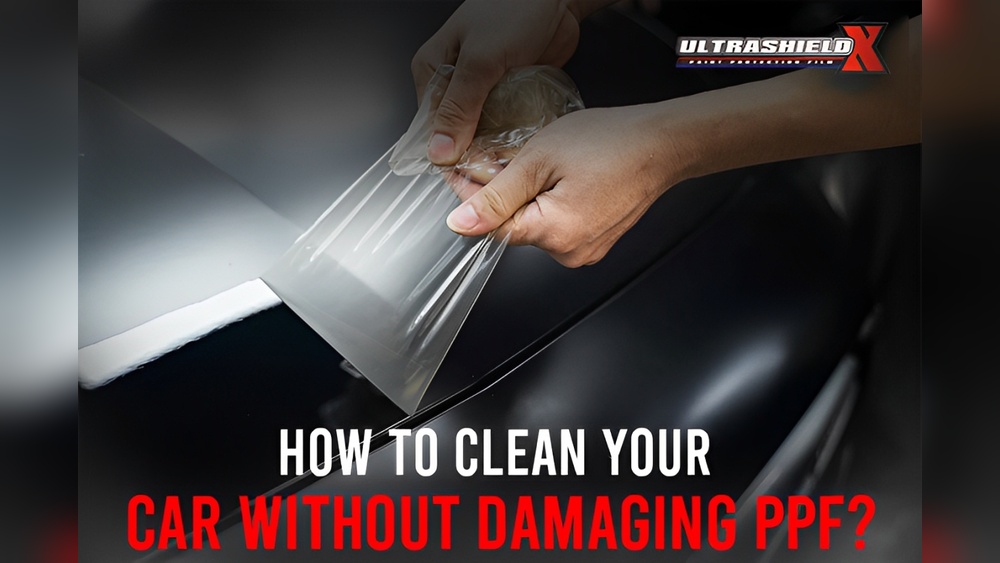
Credit: www.ultrashieldx.com
Protecting The Self-healing Layer
Cleaning road tar from paint protection film (PPF) needs care. The self-healing layer is delicate and can be harmed by harsh methods.
Keep the surface cool. Warm temperatures make the tar softer and easier to remove. Avoid cleaning under hot sun or after driving.
Never use abrasive tools like scrapers or hard brushes. They can scratch or damage the film’s protective layer.
Use a gentle tar remover or warm soapy water with a soft cloth. Let the product sit for a few minutes to loosen the tar.
After cleaning, rinse the area well with clean water. Dry with a soft, clean towel to avoid water spots.
Apply a quality PPF-friendly wax or sealant. This helps protect the surface and keeps the self-healing properties working well.
Preventive Measures Against Tar Build-up
Regular washing keeps the paint protection film (PPF) clean and safe. Dirt and tar do not stick well on a clean surface. Use gentle soap and soft cloths to avoid scratches. Wash your car every two weeks or after long trips.
Protective sprays create a thin layer on the PPF. This layer stops tar from sticking tightly. Spray the product evenly and let it dry before driving. It helps keep the self-healing layer healthy and strong.
Choosing the right driving routes reduces tar exposure. Avoid roads with fresh tar or construction work. Drive on well-maintained streets when possible. This simple step lowers the chance of tar build-up on your car.
Credit: www.detailingdevils.com
Conclusion
Removing road tar from PPF needs care and patience. Use gentle cleaners and soft cloths to avoid harm. Avoid harsh chemicals or scrubbing hard on the self-healing layer. Small steps protect your paint protection film and keep it looking new.
Clean tar spots as soon as you see them. This keeps your car’s surface smooth and safe. With the right methods, your PPF will stay strong and clear. Careful cleaning helps your car shine longer and stay protected.