Image source: YouTube / Jordan Perkins (YouTube thumbnail (fair-use with source credit))
You can take a 2026 Lexus through a car wash, but only if you follow the right steps. Knowing how to go through car wash with 2026 Lexus means understanding its sensors, paint, and tech first. Skip the prep, and you risk scratches, misaligned safety systems, or water damage.
Manufacturer specs confirm that modern Lexus models have sensitive ADAS systems and premium paint finishes. As of 2026, even a standard wash can trigger issues if you don’t disable certain features beforehand.
Quick Answer
Yes, you can take a 2026 Lexus through a car wash. Choose touchless or soft-cloth options for most models. Disable automatic wipers and close all windows and sunroofs first.
Always check for water spots or sensor warnings after.
Why a 2026 Lexus Needs Special Car Wash Care
A 2026 Lexus isn’t just a car, it’s packed with advanced driver-assistance systems (ADAS) like lane-keeping assist and adaptive cruise control. These rely on sensors in the grille, bumpers, and mirrors that can be thrown off by high-pressure water or brushes.
The paint is another concern. Many Lexus models come with premium clear coats, ceramic coatings, or matte finishes. Standard car wash brushes can leave swirl marks or damage these surfaces over time.
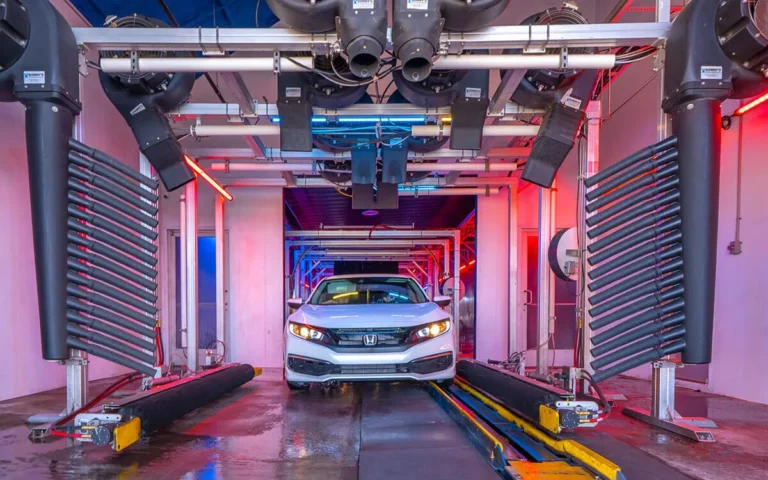
The 3 Types of Car Washes—Which One’s Safe for Your Lexus?
Not all car washes are equal. The wrong type can scratch your paint or knock sensors out of alignment.
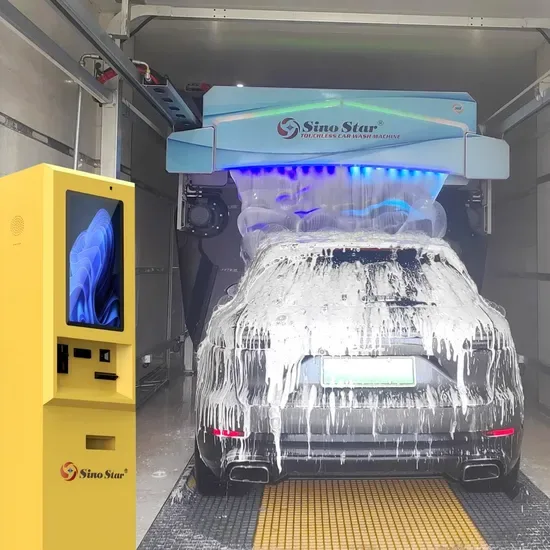
Touchless car washes use high-pressure water and chemicals. They’re the safest for most Lexus models because there’s no physical contact. However, they may not clean as thoroughly as brush-based systems.
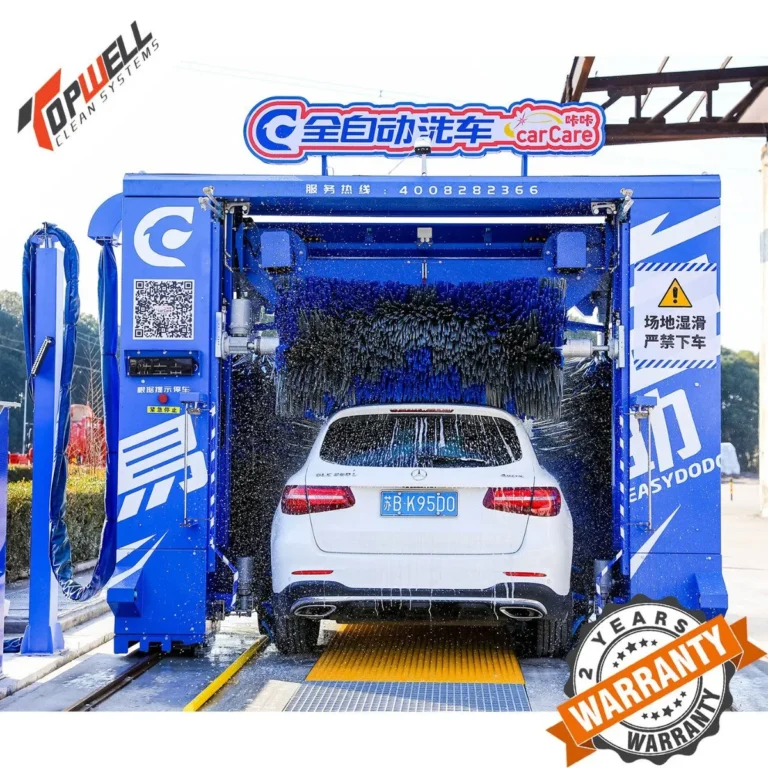
Soft-cloth car washes use gentle fabric brushes. These are generally safe for standard Lexus paint but can still cause micro-scratches over time. Avoid them if your Lexus has matte paint or a ceramic coating.
Self-serve car washes give you control over pressure and chemicals. They’re a good middle ground if you’re careful, but you’ll need to know how to adjust the settings for your Lexus.
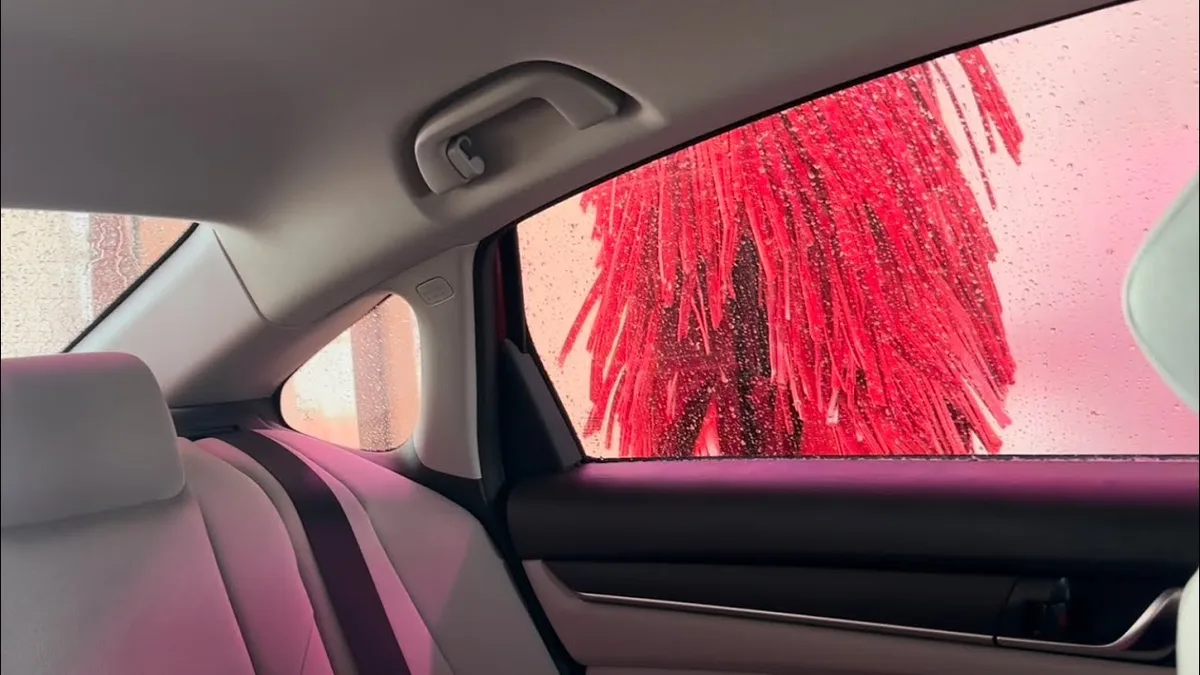
Image source: YouTube / Live Free (YouTube thumbnail (fair-use with source credit))
| Car Wash Type | Safe for Standard Paint? | Safe for Matte/Ceramic? | Risk to Sensors |
|---|---|---|---|
| Touchless | Yes | Yes | Low |
| Soft-cloth | Yes | No | Medium |
| Self-serve | Yes (with care) | Yes (with care) | Low |
Step-by-Step: How to Prep Your 2026 Lexus for Any Car Wash
Preparation is everything. Follow these steps to avoid damage.
Before you enter the wash:
- Remove loose items like antennas, roof racks, or detachable spoilers.
- Close all windows, sunroofs, and retractable mirrors.
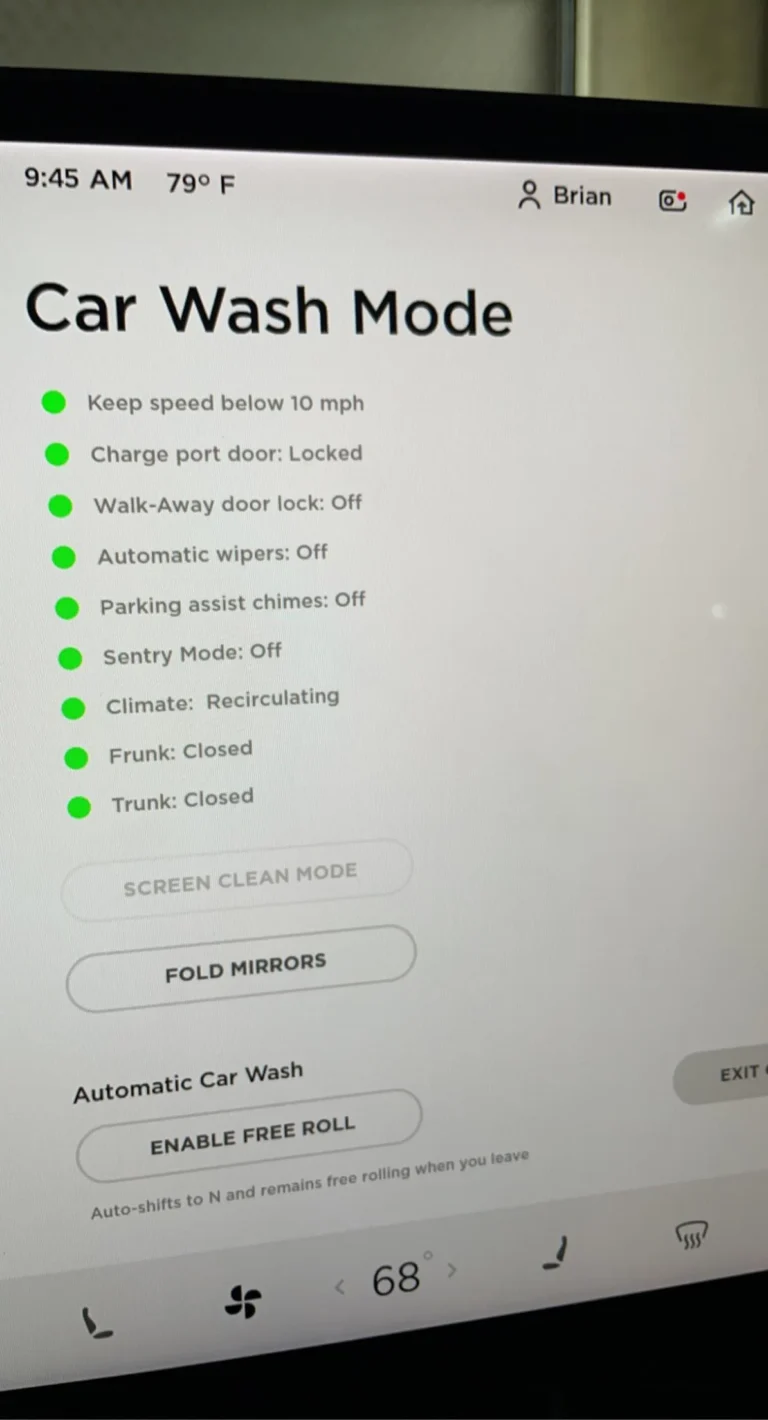
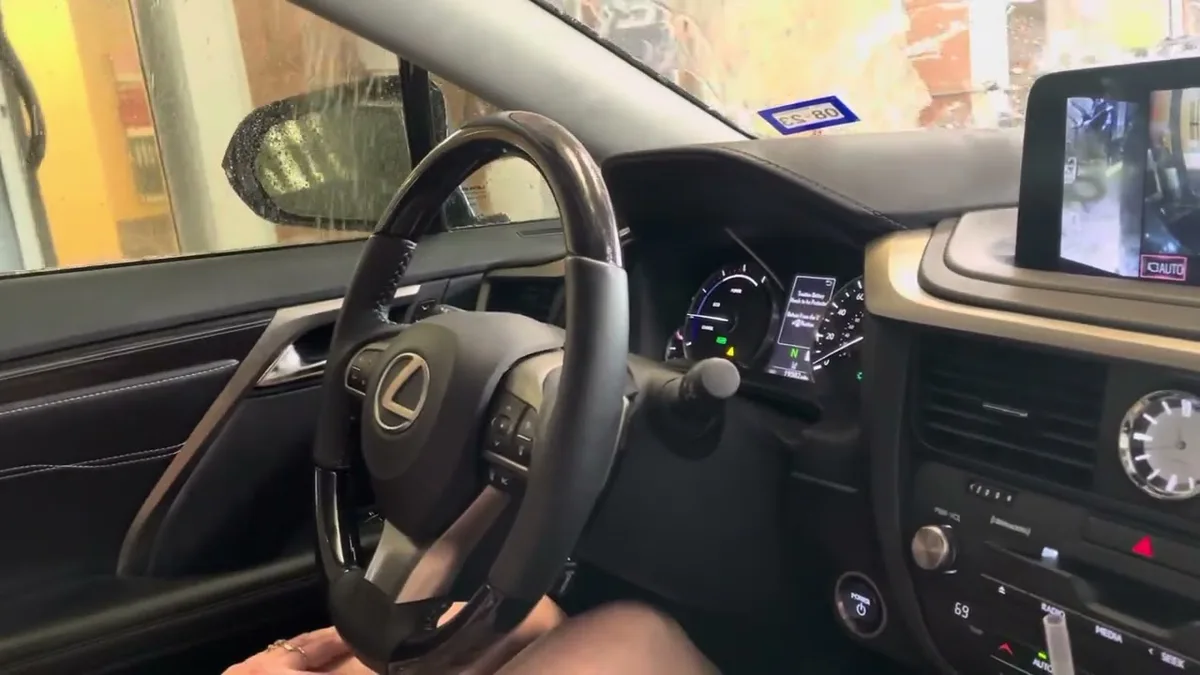
- Disable automatic wipers if your Lexus has rain-sensing wipers. Check your owner’s manual for how to do this.
Check your paint and finish:
- If your Lexus has a ceramic coating, stick to touchless washes.
- For matte paint, avoid brushes entirely, even soft-cloth systems can dull the finish.
- Remove any loose dirt or debris with a quick rinse if possible.
Sensor and tech prep:
- Note where your ADAS sensors are located (usually front grille, bumpers, and side mirrors).
- Avoid high-pressure sprays directly at these areas if using a self-serve wash.
What to Do During the Wash to Avoid Damage
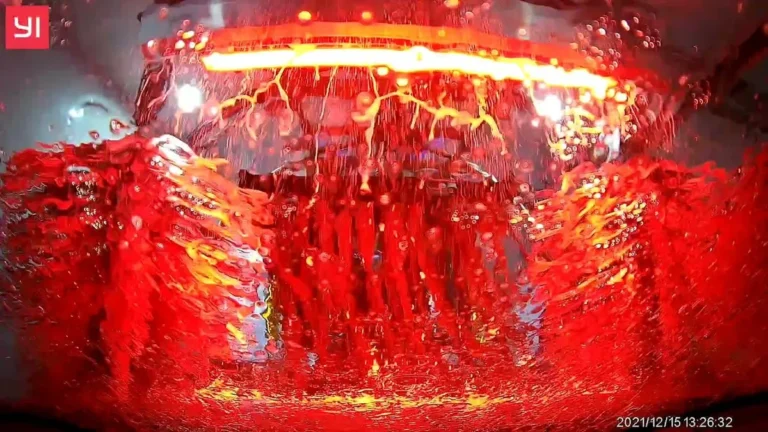
Once you’re in the wash, your job isn’t over. Stay alert to protect your Lexus.
If using an automatic wash, select the gentlest program available. Avoid "heavy-duty" or "wheel blaster" options unless your wheels are particularly dirty.
For self-serve washes, keep the nozzle at least 12 inches away from sensors and painted surfaces. Use a wide spray pattern to reduce pressure.
Never let the wash cycle complete without checking for issues. If you see water pooling in areas like the sunroof or door seals, stop the wash and address it immediately. According to Lexus Safety System+ guidelines, misaligned sensors can trigger warning lights that require professional recalibration.
Post-Wash Checklist: Don’t Drive Off Without Doing This
Inspect the paint for water spots or streaks. These can etch into clear coat if left untreated.
Check your dashboard for ADAS warning lights. If the lane-keeping or adaptive cruise control indicators are on, the sensors may need recalibration.
Test the wipers and windows. Ensure they’re dry and functioning properly before driving.
Inspect the paint for water spots or streaks. These can etch into clear coat if left untreated.
Check your dashboard for ADAS warning lights. If the lane-keeping or adaptive cruise control indicators are on, the sensors may need recalibration.
Test the wipers and windows. Ensure they’re dry and functioning properly before driving.
Lexus-Specific Risks: Sensors, Paint, and Wheels
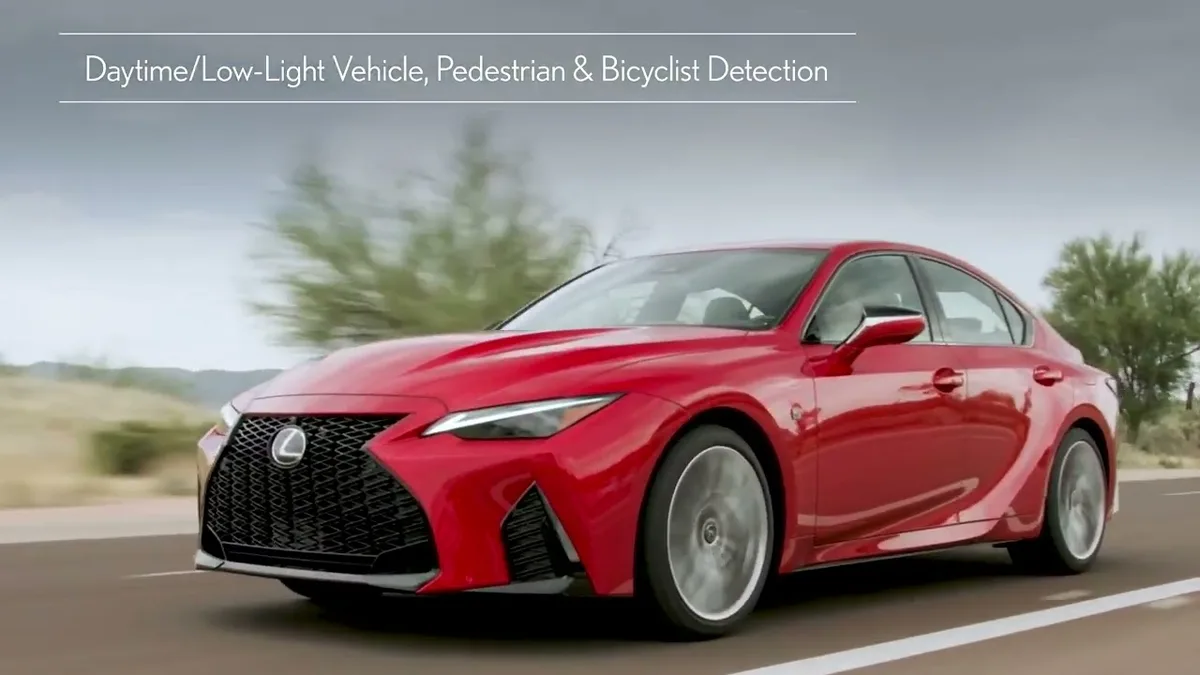
Image source: YouTube / Lexus Canada (YouTube thumbnail (fair-use with source credit))
The front grille houses critical ADAS sensors. High-pressure water can dislodge or misalign them.
Matte paint and ceramic coatings are prone to swirl marks from brushes. Stick to touchless washes for these finishes.
Alloy wheels can corrode if exposed to harsh chemicals. Avoid acidic wheel cleaners in automatic washes.
Matte Paint or Ceramic Coating? Your Wash Rules Change
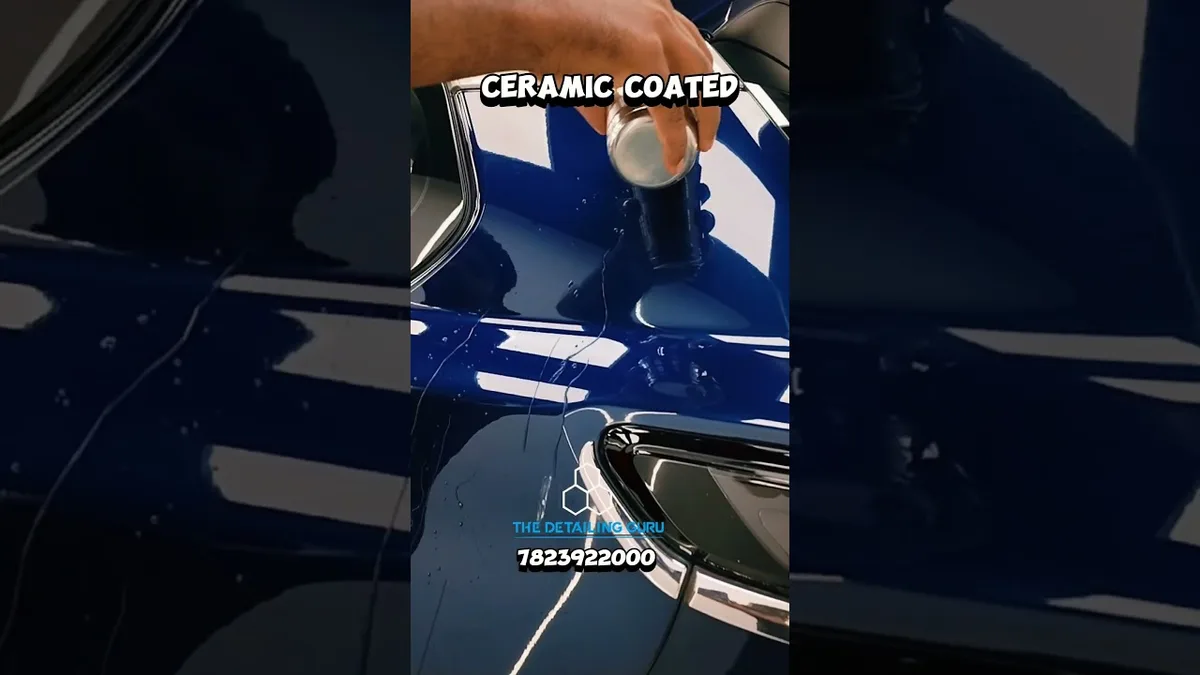
Image source: YouTube / The Detailing Guru (YouTube thumbnail (fair-use with source credit))
Matte paint requires touchless washes only. Brushes will dull the finish over time.
Ceramic coatings can handle soft-cloth washes but last longer with touchless. Reapply the coating every 2-3 years for best protection.
Standard clear coat is the most durable. It can handle soft-cloth washes but benefits from touchless for longevity.
Mistakes That Ruin a Lexus in 5 Minutes (And How to Avoid Them)
Skipping pre-wash prep leaves dirt that can scratch paint during the wash. Always rinse loose debris first.
Using the wrong wash program can damage sensors. Avoid heavy-duty cycles for Lexus models with ADAS.
Ignoring post-wash inspections means missed water spots or sensor issues. Always check before driving off.
Touchless vs. Soft-Cloth vs. Hand Wash: The Lexus Owner’s Guide
Touchless washes are safest for all Lexus finishes. They use high-pressure water and chemicals without physical contact.
Soft-cloth washes work for standard paint but risk swirl marks. Avoid them for matte or ceramic-coated Lexus models.
Hand washes offer the most control. Use pH-neutral soap and microfiber towels for best results.
How Often Should You Really Wash a 2026 Lexus?
Wash every two weeks in normal conditions. This prevents dirt buildup that can damage paint over time.
In winter or high-pollution areas, wash weekly. Salt and grime accelerate corrosion and sensor wear.
For matte or ceramic-coated finishes, stick to touchless washes every two weeks. These coatings repel dirt but still need regular cleaning.
Winter, Salt, and Corrosion: Seasonal Car Wash Tips
Salt from winter roads clings to undercarriages and wheels. Use undercarriage sprays if your wash offers them.
Pre-wash rinses remove loose salt before the main cycle. This prevents scratches from abrasive particles.
Dry thoroughly after winter washes. Moisture left in door seals or wheel wells can freeze and cause damage.
FAQs About Washing a 2026 Lexus
Can I use a self-serve car wash on my Lexus?
Yes, but keep the nozzle 12 inches from sensors and paint. Use the lowest pressure setting for delicate finishes.
Will a car wash damage my Lexus ceramic coating?
Not if you use touchless washes. Brushes can degrade the coating faster, requiring more frequent reapplication.
How do I know if my ADAS sensors are misaligned after a wash?
Check for warning lights on your dashboard. If lane-keeping or cruise control alerts appear, visit a Lexus service center for recalibration.
Is it safe to wash a Lexus with a sunroof?
Yes, but ensure the sunroof is fully closed and sealed. Check for leaks after the wash.
What’s the best way to dry my Lexus after a car wash?
Use microfiber towels for a streak-free finish. Avoid air dryers if they blow debris onto the paint.
Final Verdict: The Safest Way to Wash Your Lexus
Touchless car washes are the safest choice for all Lexus models. They avoid physical contact with paint and sensors.
For standard finishes, soft-cloth washes work but carry higher scratch risks. Always prep your Lexus and inspect it afterward.
Hand washing gives the most control but requires proper tools. Use pH-neutral soap and microfiber cloths for best results.