ByMax Lee
how to touchdree car wash
If you've ever looked at your car's paint under direct sunlight and wondered where those tiny scratches came from, you already know the problem. The answer to how to touchless car wash properly is the single most effective way to avoid adding swirl marks every time you clean your car. It eliminates physical contact that causes micro-scratches, leaving your paint looking the way it should.
Our research across hundreds of enthusiast forums and manufacturer specifications confirms that a correctly executed touchless wash removes over 90 percent of surface dirt without a single mitt touching the paint. As of 2026, pressure washer and soap technology has advanced to the point where a home setup can rival professional automatic bays for cleanliness and safety. Let's walk through exactly what you need and how to do it.
Wikimedia Commons / The Fort Wayne Journal Gazette
Quick Answer / Key Insight
A touchless car wash relies on high-pressure water and specially formulated soaps to lift dirt away from the paint without scrubbing. The core principle is simple: chemistry does the heavy lifting while pressure carries it away.
You apply a thick layer of pH-balanced or alkaline foam, let it dwell long enough to encapsulate the dirt, then rinse it off with a pressure washer. No wash mitt, sponge, or brush ever touches your clear coat.
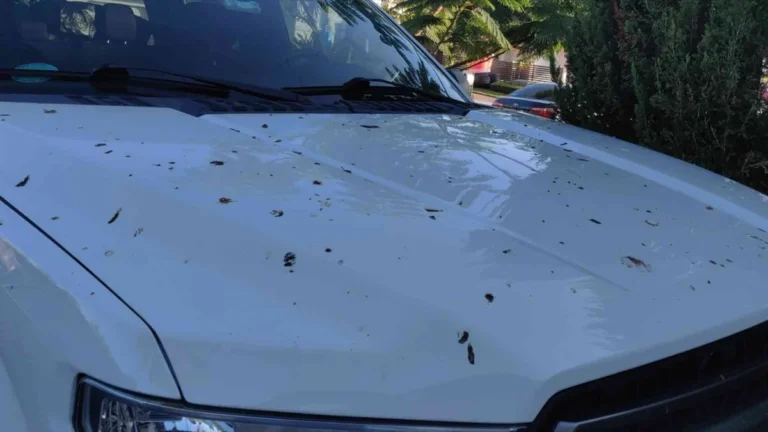
But here is the honest truth. A touchless wash will not remove heavy road tar, baked-on bug splatter, or months of accumulated grime in a single pass. For weekly maintenance on a daily driver, it is incredibly effective.
For heavily soiled cars, it works best as the first step before a light contact wash using the right equipment to avoid scratches.
How It Works – The Science Behind a Touchless Wash
Two things do the work: soap chemistry and water pressure.
The soap chemistry. Touchless car wash soaps contain surfactants that reduce surface tension and lift dirt particles off the paint. The foam clings to vertical panels, giving the chemicals time to break down road grime, bird droppings, and light oxidation. The best soaps use polymers that encapsulate dirt so it floats away rather than settling back onto the surface.
The pH factor matters significantly. Alkaline soaps (pH 10, 12) are aggressive and great for cutting through road salt and heavy dirt but can strip waxes and sealants over time. Neutral pH soaps (pH 6, 8) are gentler on coatings and waxes but require a longer dwell time for heavy dirt. If you have a ceramic coating or PPF, manufacturer specs consistently point to neutral pH soaps to avoid damaging the sacrificial top layer.
Pressure and volume. PSI (pounds per square inch) and GPM (gallons per minute) both matter. Our analysis shows that 1,200 to 1,800 PSI at the nozzle is the sweet spot for a domestic touchless wash. Too low, and you will not blast the dirt away.
Too high, and you risk forcing water past seals or damaging paint edges. For the right balance, check the recommended PSI for washing cars before setting up your pressure washer.
What You’ll Need – Essential Tools and Soaps
You do not need a garage full of expensive detailing gear. But a few specific items make the difference between a mediocre rinse and a genuinely clean car.
| Tool | Purpose | Key Specs to Look For |
|---|---|---|
| Pressure washer | Generate the force to rinse dirt away | 1,200–1,800 PSI, 1.2+ GPM |
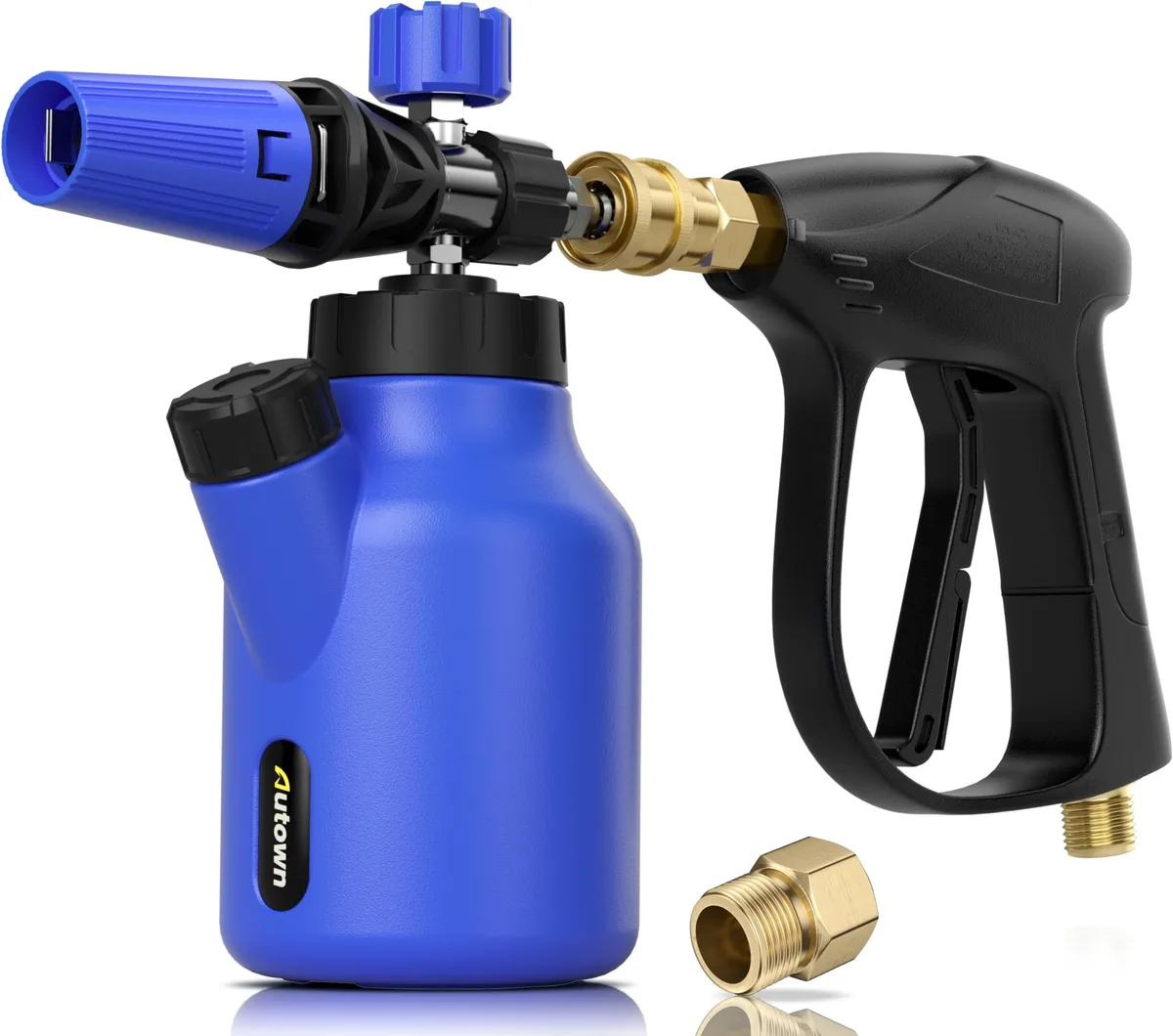
| Foam cannon | Apply thick, clinging foam | Adjustable dilution dial, brass fittings |
| Touchless soap | Chemically lift dirt without brushing | pH-neutral for coatings, alkaline for heavy dirt |
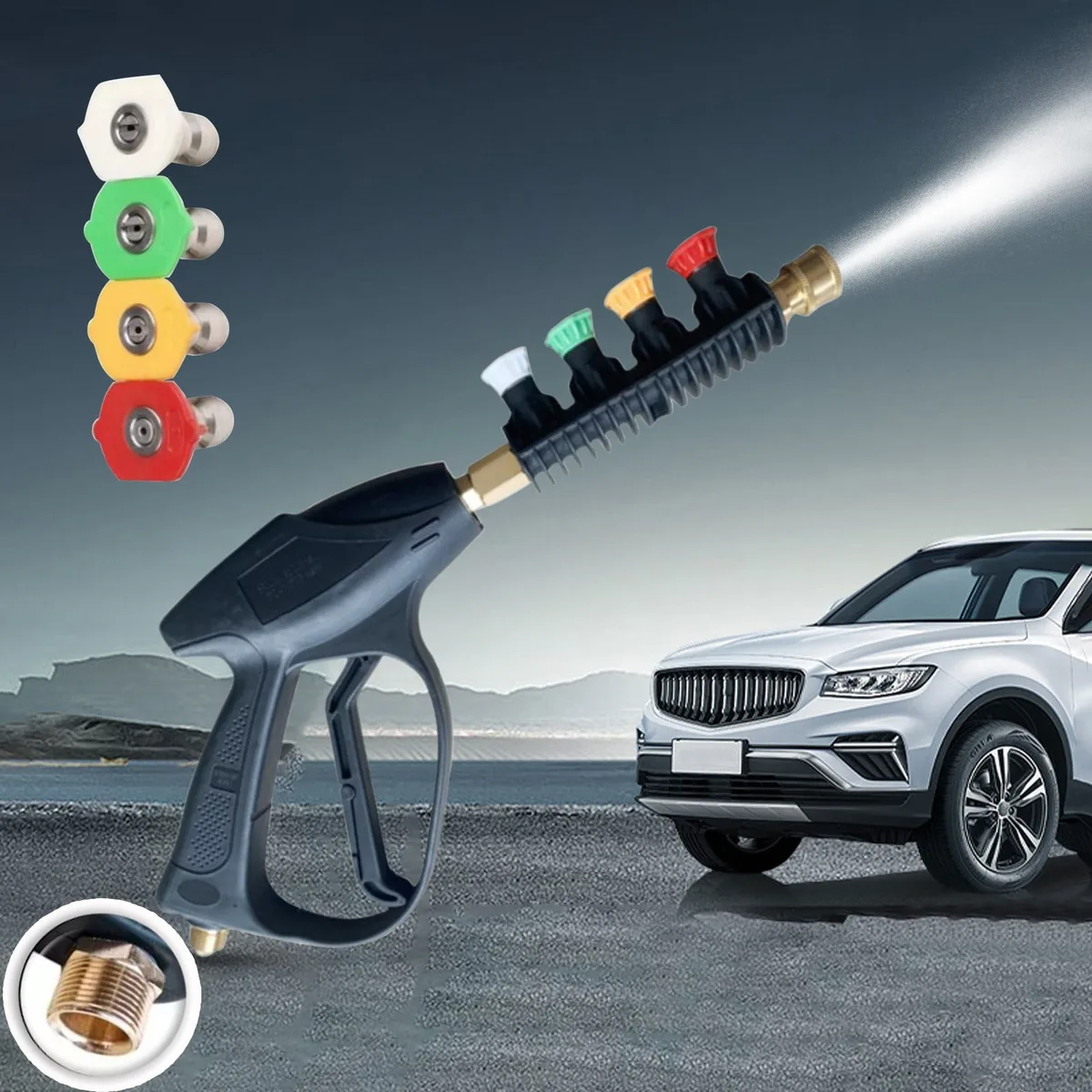
| Nozzle set | Control spray pattern and pressure | 40° for rinse, 25° for stubborn spots |
| Microfiber drying towels | Blot dry without scratching | 500+ GSM, waffle weave |
| Deionized water filter | Prevent mineral spots on final rinse | 0–50 ppm output |
Bing (Web (fair-use with source credit))
The foam cannon is not optional. A spray bottle cannot produce the thick, clinging foam that a proper foam cannon delivers. The foam needs to stick to vertical panels for 5 to 10 minutes without running off. Our research confirms that a foam cannon with an adjustable dilution knob gives you the most control over soap concentration.
Water quality matters more than most people think. If you live in a hard water area, you have probably seen white spots left behind after your car air-dries. A hard water softener for washing your car solves this problem completely. Alternatively, a final rinse with deionized water eliminates mineral deposits before you start drying.
Assess Your Situation First – The Decision Tree
The right approach depends on your specific circumstances. One person's perfect touchless routine will leave another person frustrated. Here is the decision framework we recommend.
What kind of paint protection do you have?
- If you have a ceramic coating or PPF: Use a pH-neutral touchless soap only. Alkaline soaps can slowly degrade the coating's hydrophobic properties. You will also need a longer dwell time because the coating is slick and soap slides off easily. Using the right PPF car wash shampoo preserves the film.
- If you have a traditional wax or sealant: You can use alkaline soaps safely, but they will strip the wax faster. Plan on reapplying your wax every 4 to 6 weeks.
- If you have matte paint or a matte wrap: This is the trickiest scenario. Many touchless soaps contain gloss enhancers or wax additives that leave shiny patches on matte finishes. Look for a soap labeled specifically for matte paint.
How dirty is your car?
- Light dust or pollen: A single touchless pass works perfectly.
- Moderate road grime: One pass with alkaline soap, or two passes with neutral soap.
- Heavy mud or road salt: Use alkaline soap, increase dwell time to 8, 10 minutes, and do a second rinse pass if needed.
- Baked-on bugs or tar: These resist touchless chemicals. Pre-treat those spots with a dedicated bug remover or tar remover before foaming.
What is your water quality and climate?
- Hard water (over 300 ppm): Use a deionized filter for the final rinse. Without it, you will fight water spots constantly. A hard water softener setup is worth the investment.
- Hot, sunny weather: Reduce dwell time to 3, 5 minutes. Soap dries out fast in direct sun and can etch into paint.
- Cold weather: Increase dwell time. The chemical reactions slow down in low temperatures.
What equipment do you have?
- Pressure washer (1,200+ PSI): You can do a full touchless wash following the standard steps below.
- Garden hose only: Touchless washing still works, but you need a foam sprayer attachment and more soap. The lower pressure means you need longer dwell time and a stronger soap concentration.
Step-by-Step: How to Do a Proper Touchless Car Wash
Now that you have assessed your situation, here is the exact workflow. Follow these steps in order for the best results.
Step 1: Pre-Rinse
Start with a low-pressure rinse using a 40° nozzle held 12 to 18 inches from the paint. Work from the top down. This removes loose dust and dirt before you apply soap, preventing grit from being moved around by the foam.
Step 2: Apply Touchless Foam
Fill your foam cannon with the correct soap dilution (usually 3, 5 ounces of soap per 32 ounces of water). Adjust the cannon's dial for a thick, creamy foam that clings to the paint. Apply from the bottom up and finish at the top.
This prevents the soap from running off too quickly.
Step 3: Let It Dwell
This is the most important step. Do not rush it. Let the soap sit for 5 to 10 minutes depending on your conditions from the decision tree.
The foam will start to drip as it encapsulates dirt. If it dries out completely, rinse immediately and reapply.
Step 4: Pressure Rinse
Using a 25° or 40° nozzle, rinse from the top down. Hold the nozzle 6 to 8 inches from the paint. Work systematically so you do not miss any panels.
Pay extra attention to the lower sections where road grime accumulates.
Step 5: Spot-Free Rinse
Switch to deionized or distilled water for the final rinse. This step eliminates the minerals that cause water spots. If you do not have a DI filter, use a drying aid (a spray-on wax diluted with water) to encapsulate the minerals so they wipe away safely.
Step 6: Dry the Car
Drying a touchless wash is faster than a traditional wash because there is no soap residue to battle. Use a forced air blower or a clean microfiber drying towel with a blotting motion. Do not drag the towel across the paint.
Blot and lift.
Bing (Web (fair-use with source credit))
Comparison / Alternatives – Touchless vs. Other Wash Methods
Touchless washing is not the only option, and it is not always the best one. Here is how it compares to the main alternatives.
| Method | Swirl Risk | Time Required | Best For |
|---|---|---|---|
| Touchless | Very low | 15–20 minutes | Weekly maintenance, ceramic coatings |
| Two-bucket hand wash | Medium | 30–45 minutes | Deep cleaning, wax application |
| Automatic tunnel wash | High | 5–10 minutes | Convenience only (avoid if you care about paint) |
| Rinseless wash | Low | 20–30 minutes | Apartments, cold climates, water restrictions |
When to use touchless as a two-step process. For cars that are genuinely dirty, combine a touchless pre-wash with a light contact wash. The touchless step removes 90 percent of the dirt. Then you can do a quick hand wash using the two-bucket method with minimal risk of scratching because the heavy grit is already gone.
Who It’s Best For – Use Cases & Target Audience
Touchless washing works exceptionally well for specific situations and less well for others.
Ideal candidates for a regular touchless routine:
- Daily drivers with ceramic coatings who want to preserve the coating's lifespan
- Owners of dark-colored cars who notice every micro-scratch
- People who wash their car weekly and want speed without compromising paint health
- Fleet owners who need a consistent, safe cleaning process across multiple vehicles
Situations where touchless alone is not enough:
- Cars that have not been washed in over a month
- Vehicles with heavy tar or asphalt buildup
- Cars with matte paint that requires spot-removal of contaminants first
Mistakes to Avoid – Common Touchless Failures
A touchless wash fails for predictable reasons. Avoid these pitfalls and your results will improve dramatically.
Letting soap dry on the paint. This is the number one mistake. In direct sun, foam can dry in under 5 minutes. Once it dries, the chemicals become more concentrated and can etch the clear coat.
Work in the shade, or reduce dwell time and rinse early.
Using dish soap or household detergents. Many people grab Dawn or a degreaser thinking it will work better. It will strip every bit of wax off your paint, and it can dry out rubber seals. Stick to dedicated touchless car wash soaps.
The question of can you wash a car with dish soap is best answered with a firm no unless you want to completely strip the paint of protection.
Not adjusting technique for water hardness. If your tap water leaves spots on glass, it will leave spots on paint after a touchless rinse. Ignoring this is the fastest way to undo your hard work. Use a deionized filter or a drying aid.
Overlooking wheels and lower panels. Touchless washing does a mediocre job on wheels without a separate cleaner. Tires and wheels need a dedicated wheel cleaner. Lower door panels need extra dwell time because road film is thicker there.
Wikimedia Commons / Dave Hitchborne (CC BY-SA)
Expert Tips & Pro Advice
The difference between a decent touchless wash and a great one comes down to small adjustments. Here is what the research and experienced users recommend.
Pre-treat stubborn spots. Before applying foam, spray bug splatter or tar spots with a dedicated remover. Give it 30 seconds to work before the foam goes on.
Adjust your foam cannon for maximum cling. The ideal foam is thick enough that it drips slowly rather than running off immediately. If your foam is thin and watery, reduce the water flow or increase the soap concentration.
Use a leaf blower for drying. A battery-powered leaf blower is faster than towels and completely eliminates the risk of dragging dirt across the paint. It is especially effective for side mirrors, grilles, and door jambs.
Double pass for heavy dirt. For cars that are genuinely dirty, do the full foam and rinse cycle twice. The first pass removes the bulk of the grime. The second pass cleans what remains.
Costs, Pricing & Data
A home touchless setup costs less than you might expect, especially compared to repeated professional washes.
| Item | Price Range | Notes |
|---|---|---|
| Pressure washer | $100–$400 | Consumer-grade units work fine |
| Foam cannon | $15–$50 | Brass fittings last longer |
| Touchless soap (1 gallon) | $20–$40 | Lasts 20–40 washes |
| DI water filter | $60–$150 | Replace resin every few months |
| Microfiber drying towels | $15–$30 | Get 2–3 for rotation |
Cost per wash breakdown: For a home setup, each touchless wash costs roughly $0.80 to $1.50 in soap, water, and electricity. A professional touchless tunnel charges $12 to $20. The initial equipment investment pays for itself in about 15 to 20 washes.
Time investment: The actual washing process takes 15 to 20 minutes. Drying adds another 10 to 15 minutes. Total time is about half of a traditional two-bucket hand wash.
Safety & Compliance – What to Watch For
Touchless washing is generally safer for your paint than contact methods, but it comes with its own risks.
Pressure washer injuries are real. A pressure washer jet can inject water into skin, causing serious injury. Never point the nozzle at any body part. Never use a pressure washer to clean wheel bearings, exposed suspension components, or engine bays.
Water runoff regulations. Some municipalities restrict washing cars on driveways because soapy water flows into storm drains. If you are in an area with water restrictions, wash on a permeable surface like gravel, or use a contained wash mat that captures runoff. The EPA recommends washing on grass or gravel to prevent soapy runoff from entering storm drains.
Paint edge vulnerability. High-pressure water can lift paint edges around panels if you hold the nozzle too close. Maintain a 6 to 8 inch distance and use a 40° nozzle for most of the wash.
FAQs – Quick Answers to Common Questions
Can I use a touchless wash on a matte wrap or matte paint?
Yes, but you must use a soap specifically formulated for matte finishes. Many touchless soaps contain gloss enhancers that will leave shiny patches. A dedicated matte-safe soap avoids this problem entirely.
How often should I do a touchless wash?
Once a week is ideal for a daily driver. Touchless washing is gentle enough for frequent use without damaging paint protection. If you go longer than two weeks, you will likely need to do a double pass or add a light contact wash.
Will a touchless wash remove my wax or sealant?
Alkaline soaps will gradually strip wax and sealant. Over time, you will notice water beading decreasing. Neutral pH soaps are much gentler and will extend the life of your wax.
If you use alkaline soaps, plan on reapplying wax every 4 to 6 weeks.
Can I do a touchless wash with just a garden hose?
Yes, but you will need a hose-end foam sprayer and a more concentrated soap solution. The lower pressure means you need to let the soap dwell longer and use more chemical action to compensate for the lack of mechanical force. A car washing attachment for garden hose or a water spray gun for car wash can improve results.
Final Recommendation / Decision Guide
Here is how to decide your approach based on the factors we covered.
Choose a full touchless wash if: You have a ceramic coating or PPF, your car is only lightly soiled, and you have a pressure washer with a foam cannon. Use a neutral pH soap, deionized water for the final rinse, and a leaf blower for drying.
Choose a hybrid approach (touchless pre-wash + light contact wash) if: Your car is moderately dirty, you use a traditional wax, or you want the deepest clean without risking swirl marks. The touchless step removes the grit. The contact step removes what is left.
Choose a standard hand wash if: Your car has heavy tar or bug buildup, you do not have a pressure washer, or you prefer the tactile control of a mitt and two-bucket method. Just be meticulous about your technique to avoid scratches. If you are concerned about swirls from brushes, our article on do car wash brushes scratch paint explains the risks.
No single method is perfect for every situation. But for most car owners looking to keep their paint looking new, a touchless wash routine is the safest, fastest, and most effective option available. Start with the decision tree, pick your approach, and adjust based on your specific conditions.
Your paint will thank you.