ByMax Lee
How to Use an Automatic Car Wash Properly
Image source: YouTube / Mattias Car Wash Machines (YouTube thumbnail (fair-use with source credit))
If you’ve ever pulled up to an automatic car wash and frozen at the entrance, you’re not alone. Knowing how open automatic car wash systems work can save you time, money, and frustration. Most modern facilities use a simple sensor-based system, but the exact steps depend on your vehicle and the wash type.
As of 2026, the average automatic car wash cycle takes 5, 8 minutes and uses about 30, 70 gallons of water. The key is understanding the workflow before you roll up.
Quick Answer
Drive onto the conveyor and stop at the marked line. The system detects your car and prompts payment. Select your wash program at the kiosk.
Stay in neutral with your foot off the brake. The conveyor moves your car through automatically.
How Automatic Car Washes Work
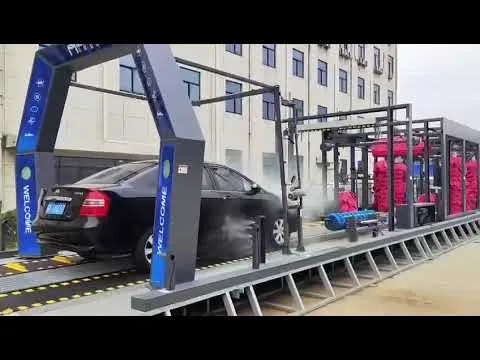
Automatic car washes rely on sensors, conveyors, and high-pressure systems. Laser or infrared sensors measure your vehicle’s dimensions to align the wash equipment. The conveyor belt then moves your car through stages like pre-soak, scrubbing, rinsing, and drying.
Most facilities offer two main types: touchless (high-pressure water jets) and soft-cloth (rotating brushes). Touchless systems are gentler on paint but may miss stubborn grime. Soft-cloth washes provide a deeper clean but can leave micro-scratches if the brushes aren’t maintained.
What to Do Before You Enter
Preparation prevents damage and ensures a smooth wash. Remove loose items like bike racks, antennas, or magnetic signs. Fold in your side mirrors if they extend beyond your vehicle’s width.
Check your tire pressure, low pressure can cause misalignment on the conveyor. Close all windows, sunroofs, and convertible tops to avoid water damage. If your car has a rear spoiler or low ground clearance, verify the wash’s height limits first.
Step-by-Step: How to Start the Wash
Pull up slowly to the entrance until your front tires align with the conveyor tracks. The system’s sensors will detect your vehicle and illuminate a "Stop" light or display a message.
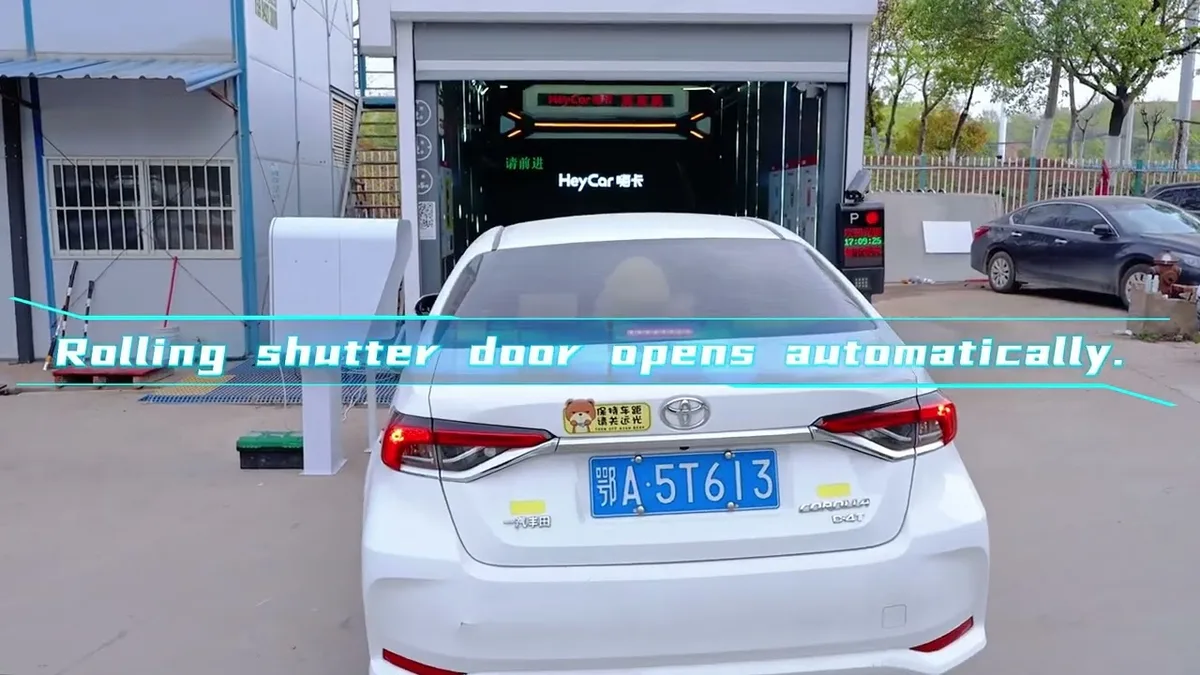
Image source: YouTube / MONEXgroup (YouTube thumbnail (fair-use with source credit))
At the payment kiosk, select your wash program. Options typically include basic, standard, and premium packages, with add-ons like wax or undercarriage cleaning. Payment methods vary, most accept credit/debit cards, cash, or mobile pay.
Some locations use RFID tags for membership holders.
Once payment is confirmed, the system will prompt you to shift into neutral (for manual transmissions) or keep your foot off the brake (for automatics). The conveyor will then pull your car forward into the wash bay.
Choosing the Right Wash Program
The best program depends on your needs and vehicle condition. A basic wash removes light dirt and is the fastest option. Standard washes add a pre-soak and clearer rinse for better results.
Premium packages often include wax or sealant for extra shine and protection. If you drive in harsh conditions (salt, mud, or pollen), consider an undercarriage wash to prevent corrosion. For vehicles with sensitive paint or aftermarket finishes, touchless washes are the safer choice.
What Happens If the Car Wash Doesn’t Detect Your Car
The system may fail to recognize your vehicle if it’s too low, too high, or poorly aligned. If the sensors don’t trigger, try inching forward or backward slightly. Some washes require you to center the car precisely on the conveyor tracks.
If the issue persists, check for obstructions like mud or snow blocking the sensors. Most facilities have a reset button or an attendant to assist. Never force the car forward if the system hasn’t engaged.
Touchless vs. Soft-Cloth: Which Should You Use
Touchless car washes use high-pressure water jets and chemicals to clean without physical contact. They’re ideal for vehicles with delicate paint or aftermarket finishes. The trade-off is they may struggle with caked-on dirt or road tar.
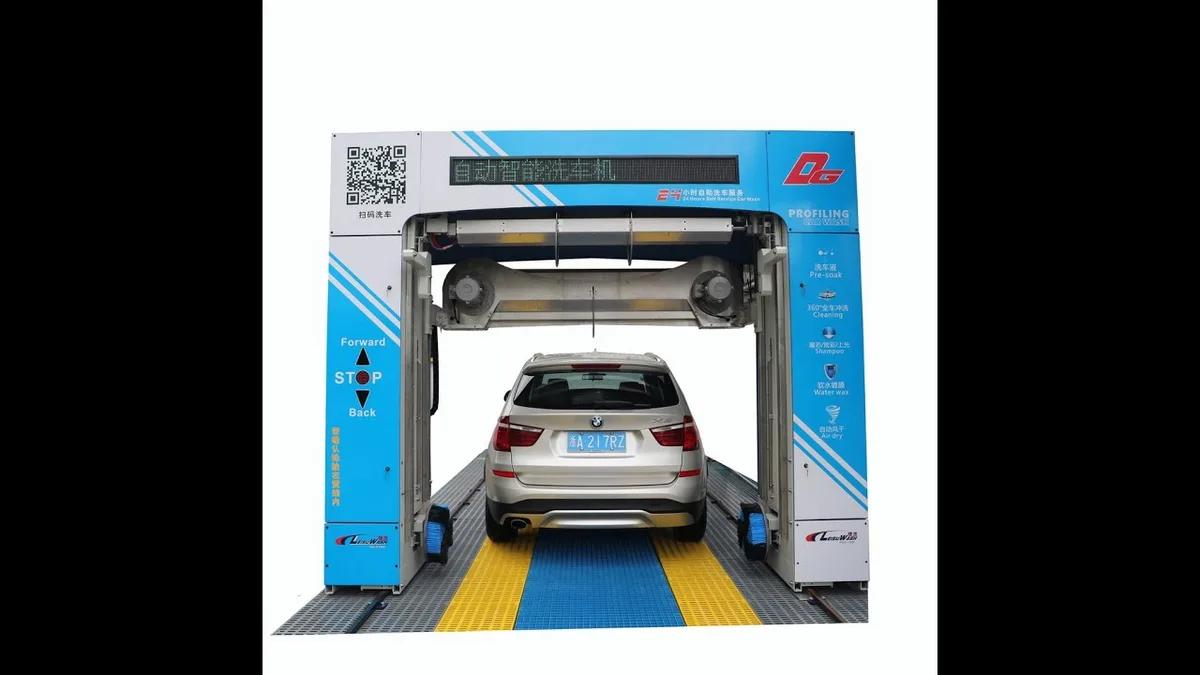
Image source: YouTube / wang wiki (YouTube thumbnail (fair-use with source credit))
Soft-cloth washes use rotating brushes or microfiber strips to scrub the surface. They provide a deeper clean but can leave micro-scratches over time if the brushes are dirty or worn. For daily drivers with standard paint, soft-cloth is often the better balance of cleanliness and convenience.
Common Mistakes That Ruin the Experience
Entering with your foot on the brake can damage the conveyor system. Always shift to neutral and release the brake before the wash starts. Another common error is leaving windows or sunroofs open, which can lead to water damage inside the cabin.
Skipping the pre-wash inspection can also cause problems. Remove loose items like floor mats or trash that might get sucked into the equipment. For trucks or SUVs with roof racks, check if they’re compatible with the wash height.
Vehicle Limits: Will Your Car Fit
Most automatic car washes accommodate vehicles up to 6.5, 8 feet tall and 22 feet long. Lifted trucks, tall vans, or vehicles with roof-mounted accessories may exceed these limits. Always check the facility’s posted height and length restrictions before entering.
Image source: Wikimedia Commons / Frank H. Nowell
Low-clearance vehicles like sports cars or modified sedans can also be problematic. Some washes have raised tracks that might scrape the undercarriage. If your car sits lower than 4 inches off the ground, look for a facility with a flat conveyor or opt for a hand wash.
Costs, Memberships, and Saving Money
A basic automatic car wash typically costs $8, $15. Premium packages with wax or sealant can run $20, $25. Memberships or subscriptions often reduce the per-wash cost by 20, 50 percent, making them a good option for frequent users.
Some chains offer unlimited wash plans for a monthly fee. These are ideal if you drive daily or live in an area with harsh weather conditions. Always compare the cost of a membership to your actual usage to ensure it’s worth the investment.
Safety & Damage Prevention Tips
Never exit your vehicle during the wash. The conveyor and equipment are automated and can cause serious injury. Keep your hands and feet inside the car at all times.
If your car has aftermarket parts like custom spoilers or wide body kits, confirm they’re compatible with the wash. Some facilities won’t accept vehicles with modifications that exceed standard dimensions.
Frequently Asked Questions
Do automatic car washes damage paint?
Touchless systems are generally safe for all paint types. Soft-cloth washes can cause micro-scratches if the brushes are dirty or worn. Regular maintenance of the wash equipment reduces this risk.
Can I wash a truck with a lift kit?
Most automatic car washes have height limits of 6.5, 8 feet. A lifted truck may exceed this, so check the facility’s restrictions first. Some locations offer special bays for taller vehicles.
What if my car gets stuck in the wash?
Stay calm and follow the facility’s instructions. Most systems have an emergency stop button. If available, use the intercom to call for assistance.
How often should I use an automatic car wash?
For daily drivers, a wash every 2 weeks helps prevent dirt buildup. In harsh climates with salt or pollen, weekly washes may be necessary. Over-washing can strip wax, so balance frequency with your car’s needs.
Do I need to tip at an automatic car wash?
Tipping isn’t expected at fully automated facilities. If an attendant assists you, a small tip is appreciated but not required. Self-serve or full-service washes may have different customs.