Idaho lacks annual vehicle safety and emissions inspection requirements for most drivers. The Idaho lack of annual vehicle safety and emissions inspection requirement means you won’t face yearly checks unless you live in Ada or Canyon Counties. This rule simplifies ownership but raises questions about safety and environmental impact.
As of 2026, Idaho remains one of the few states with no statewide mandate for either safety or emissions inspections. The exception is limited to two counties under federal Clean Air Act guidelines. This makes registration faster but shifts responsibility to drivers.
Quick Answer
Idaho does not require annual vehicle safety inspections. Emissions testing is also not required statewide. Only Ada and Canyon Counties mandate biennial emissions checks.
All other counties have no inspection requirements for registration.
The Short Answer: No Statewide Requirement
Idaho’s approach is hands-off for most of the state. You’ll only deal with inspections if you’re in Ada or Canyon Counties, where emissions testing happens every two years. Everywhere else, you register your vehicle without any safety or emissions checks.
This policy stems from Idaho’s rural nature and lower population density. The state meets federal air quality standards outside those two counties, so no additional testing is required.
How Idaho’s Vehicle Inspection Rules Actually Work
Idaho’s vehicle inspection rules are minimal by design. The state follows federal guidelines under the Clean Air Act, which only require emissions testing in areas that don’t meet air quality standards. Currently, that’s just Ada and Canyon Counties.
For safety inspections, Idaho has none. The state relies on federal safety standards for new vehicles and periodic law enforcement checks for equipment violations. This means your car’s brakes, lights, and tires aren’t routinely inspected unless you’re pulled over.
The Idaho Transportation Department (ITD) oversees registration but doesn’t administer inspections. Their role is to ensure vehicles meet basic equipment standards, which are checked during traffic stops or at registration if issues are visible.
The Only Exceptions: Ada and Canyon Counties
Ada and Canyon Counties are the only places in Idaho with emissions testing. This is due to their classification as EPA nonattainment areas for air quality. Vehicles registered in these counties must pass a biennial emissions test.
The test checks for excessive pollutants from your vehicle’s exhaust. It’s required every two years for most gasoline-powered cars and light trucks. Diesel vehicles and newer models (typically under 5 years old) are often exempt.
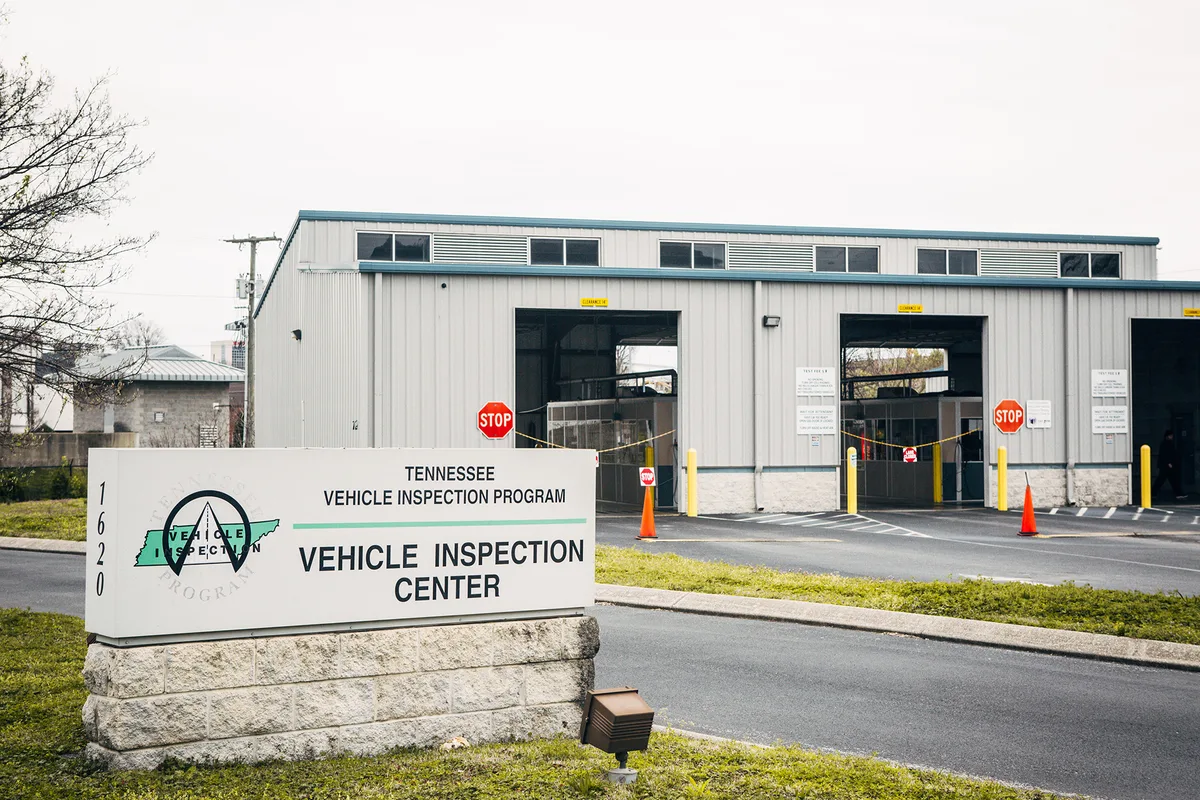
If your vehicle fails, you’ll need to repair it and retest. The Idaho Division of Motor Vehicles provides a list of approved testing stations.
Why Idaho Skips Annual Inspections (And What That Means for You)
Idaho’s lack of inspections reduces costs and bureaucracy for drivers. The state saves on administrative overhead, and residents avoid inspection fees that can add up in other states. It also speeds up the registration process.
However, it shifts responsibility to vehicle owners. Without mandatory checks, it’s up to you to ensure your car is safe and environmentally compliant. This can lead to more vehicles on the road with unresolved mechanical issues.
For the environment, the impact is mixed. While most of Idaho meets air quality standards, the lack of statewide emissions testing means older, higher-polluting vehicles may continue operating without oversight.
What You Still Need to Do for Vehicle Registration
Idaho requires proof of insurance and payment of registration fees. You’ll need your title, VIN, and odometer reading for new registrations. Renewals are simpler, often handled online or by mail.
If you’re in Ada or Canyon Counties, you must provide proof of a passing emissions test. This is the only inspection-related requirement in the state.
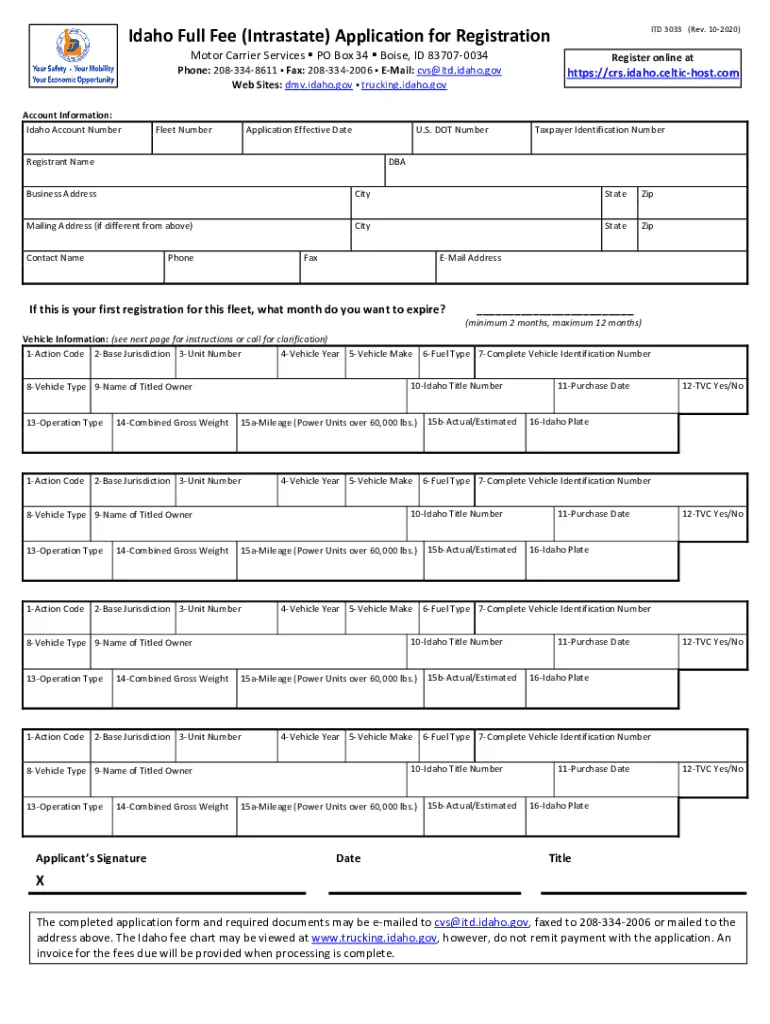
Out-of-state vehicles must meet Idaho’s minimum equipment standards. This includes working lights, brakes, and tires.
Moving to Idaho? What to Know About Your Out-of-State Car
If you’re relocating to Idaho, you have 30 days to register your vehicle. You’ll need to provide proof of ownership, insurance, and a VIN inspection. The latter is a one-time check to verify your vehicle’s identification number.
Emissions testing is only required if you’re registering in Ada or Canyon Counties. If your car is newer than 5 years, it may be exempt from this test.
No safety inspection is needed, but your car must meet basic equipment standards. If your vehicle fails to meet these, you’ll need to make repairs before registration is approved.
Common Misconceptions (And Why They Trip People Up)
Many assume Idaho requires annual safety inspections like neighboring states. This isn’t true except for the two counties with emissions testing. The confusion often comes from drivers moving from states with stricter rules.
Another myth is that emissions testing is required statewide. In reality, it’s limited to Ada and Canyon Counties. Even there, it’s only every two years, not annually.
Some believe older vehicles are exempt from all testing. While newer cars may skip emissions tests, older models in Ada and Canyon Counties still need to comply.
When You Should Get a Voluntary Inspection
Even if it’s not required, a voluntary inspection can catch issues early. This is especially useful before long road trips or if you’ve noticed warning signs like strange noises or handling problems.
Pre-purchase inspections are highly recommended when buying a used car. A mechanic can identify hidden problems that might cost you later.
For emissions, a voluntary test can help ensure your vehicle is running cleanly. This is particularly useful if you’re concerned about your environmental impact or plan to drive in areas with stricter rules.
Idaho vs. Other States: How It Compares
Idaho stands out for its minimal inspection requirements. Most states mandate annual safety inspections, emissions tests, or both. Idaho’s approach is more relaxed, with only two counties requiring emissions checks.
Here’s how it stacks up against neighbors:
| State | Safety Inspection | Emissions Testing |
|---|---|---|
| Idaho | No | Only Ada & Canyon Counties |
| Washington | No | Only select counties |
| Oregon | No | Only Portland & Medford areas |
| Utah | Yes (annual) | Yes (annual in some counties) |
| Montana | No | No |
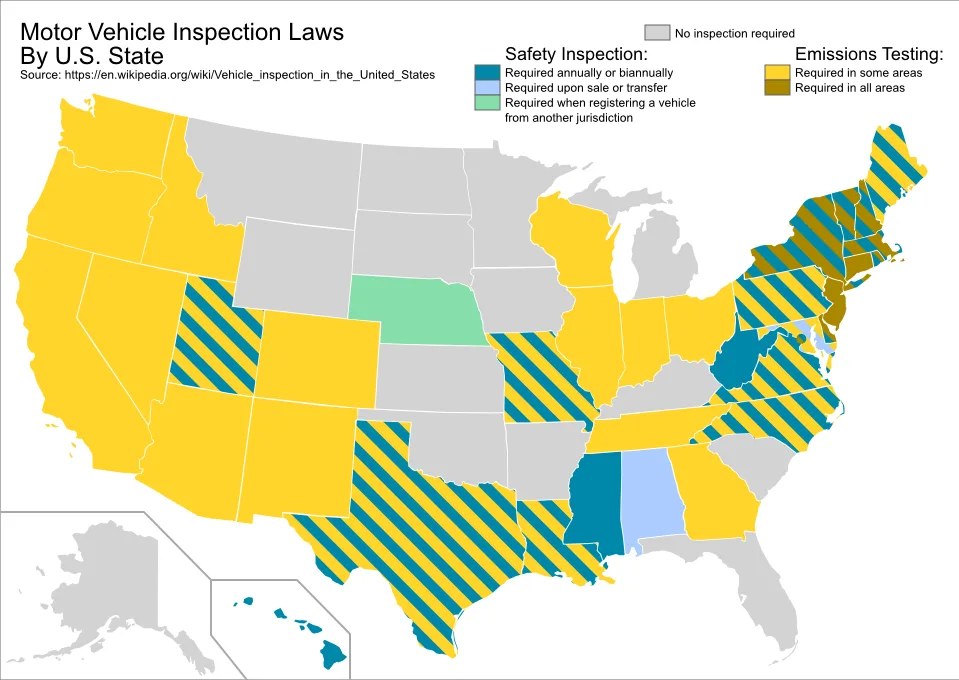
Idaho’s lack of safety inspections aligns with states like Washington and Oregon. But unlike those states, Idaho has no statewide emissions program.
FAQs About Idaho’s Vehicle Inspection Rules
Do I need a safety inspection to register my car in Idaho?
No. Idaho does not require safety inspections for vehicle registration anywhere in the state.
Which counties in Idaho require emissions testing?
Only Ada and Canyon Counties require biennial emissions testing. All other counties have no emissions requirements.
How often do I need an emissions test in Ada County?
Vehicles in Ada County must pass an emissions test every two years. Newer vehicles may be exempt for the first few years.
Can I register my car in Idaho if it fails emissions in Ada County?
No. You must pass the emissions test before registering in Ada or Canyon Counties. Repairs and a retest are required if your vehicle fails.
What happens if I don’t get an emissions test in Ada County?
You won’t be able to renew your registration. The DMV will block registration until you provide proof of a passing emissions test.
Are diesel vehicles exempt from emissions testing in Idaho?
Yes. Diesel-powered vehicles are generally exempt from emissions testing in Ada and Canyon Counties. Check with the DMV for specific rules.