Idaho’s roads see their share of tractors, construction equipment, and other slow-moving vehicles. The Idaho law on slow moving vehicles delaying three or more cars exists to keep traffic flowing safely. It’s a simple rule with real consequences if ignored.
Per Idaho Code § 49-640, if your vehicle is moving slower than the normal speed of traffic and three or more cars line up behind you, you must pull over when it’s safe. This applies to most public roads, but there are exceptions.
Quick Answer
The Idaho law on slow moving vehicles delaying three or more cars requires you to pull over when safe. It applies if you’re moving slower than traffic. Three or more vehicles behind you triggers the rule.
Fines can apply if you don’t comply.
What Idaho’s Slow-Moving Vehicle Law Actually Says
Idaho’s law is straightforward. Any vehicle moving slower than the normal traffic flow must pull over when three or more vehicles are delayed behind it. This is outlined in Idaho Code § 49-640.
The law targets vehicles that can’t maintain at least 25 mph on roads with a posted speed limit of 35 mph or higher. It’s designed to prevent congestion and reduce accident risks from frustrated drivers attempting unsafe passes. As of 2026, enforcement remains active, particularly in rural areas where slow-moving farm equipment is common.
The 3-Car Rule: When You Must Pull Over
The rule activates when three or more vehicles line up behind you. If you’re operating a slow-moving vehicle and this happens, you must pull over at the first safe opportunity.
There’s no strict time limit, but the law expects prompt action. Ignoring the rule can lead to a traffic citation. Idaho State Police and local law enforcement enforce this, especially on highways where traffic builds up quickly.
Which Vehicles Count as “Slow-Moving” in Idaho
Not every slow vehicle falls under this law. Idaho defines slow-moving vehicles as those traveling significantly below the posted speed limit. This typically includes:
- Farm tractors and implements
- Construction equipment
- Animal-drawn carts
- Vehicles with a maximum speed of 25 mph or less
The law doesn’t apply to vehicles temporarily slowing due to traffic or road conditions. It’s specifically for vehicles that are inherently slow.
How to Legally Operate a Slow-Moving Vehicle in Idaho
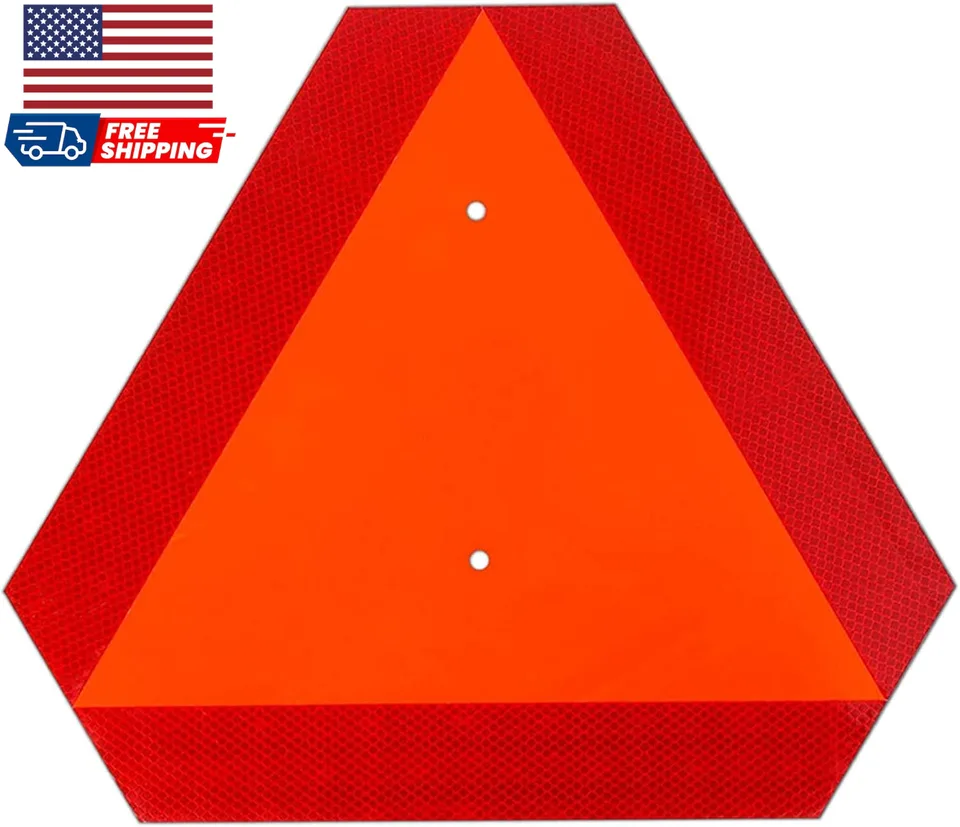
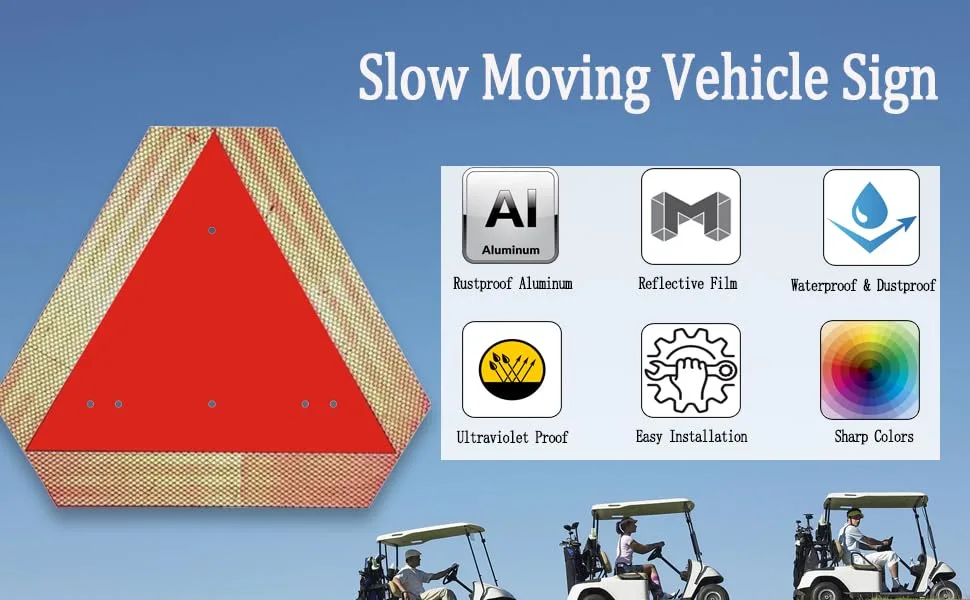
Operating a slow-moving vehicle in Idaho comes with clear responsibilities. You must display a slow-moving vehicle (SMV) emblem, a reflective orange triangle, on the rear of your vehicle. This warns other drivers about your slower speed.
You’re also required to stay as far to the right as safely possible. If you’re on a road with a shoulder, use it when safe to let faster traffic pass. The law doesn’t require you to pull over if there’s no safe place to do so, but you must still be mindful of traffic building up behind you.
SMV Emblem Requirements
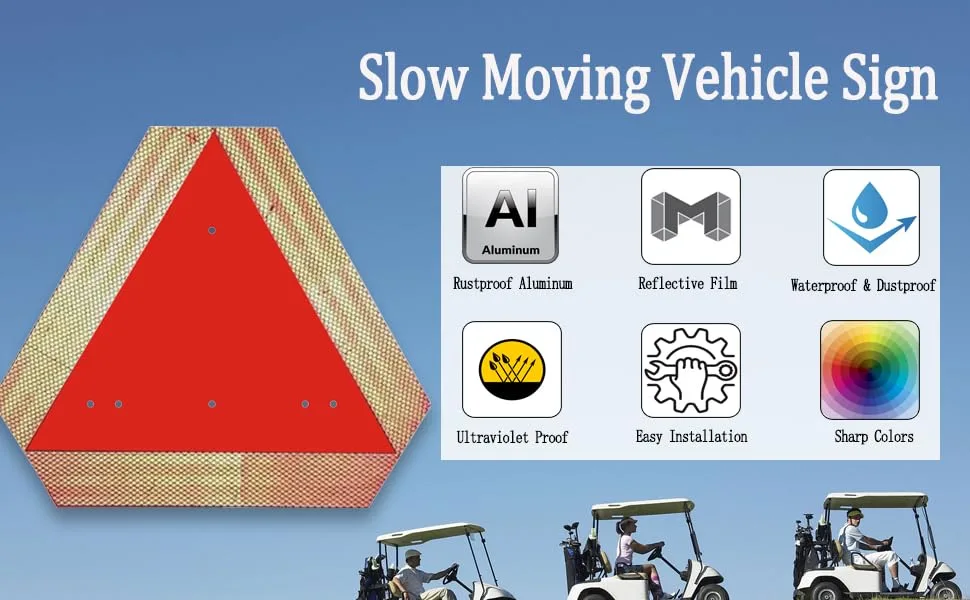
Idaho Code § 49-944 mandates that all slow-moving vehicles display an SMV emblem. The emblem must be:
- A fluorescent orange triangle with a red reflective border
- Mounted between 2 and 6 feet from the ground
- Visible from at least 500 feet to the rear in daylight
Without this emblem, you risk a fine and endanger yourself and others. The emblem is a critical safety feature that alerts drivers to your vehicle’s slow speed.
Where the Law Applies (and Where It Doesn’t)
The rule applies to all public roads in Idaho where the speed limit is 35 mph or higher. This includes state highways, county roads, and city streets with posted limits above 35 mph.
It doesn’t apply on roads with lower speed limits or where pulling over isn’t safe. Private roads and driveways are also exempt. The law focuses on situations where traffic flow is a concern, not residential or low-speed areas.
What Happens If You Break the Law
Violating Idaho’s slow-moving vehicle law can result in a traffic citation. Fines typically range from $50 to $100, depending on the jurisdiction.
More importantly, ignoring the rule can create dangerous situations. Frustrated drivers may attempt risky passes, increasing collision risks. Law enforcement can pull you over if they observe a clear violation.
Common Misunderstandings That Get Drivers in Trouble
Many drivers assume the law only applies to farm equipment. It actually covers any vehicle moving slower than the normal flow of traffic. This includes older cars, motorcycles, or even bicycles in some cases.
Another misconception is that you only need to pull over if you’re going extremely slow. The law triggers when you’re delaying three or more vehicles, regardless of your exact speed. Even going 10 mph under the limit can require you to pull over if traffic builds up.
Real-World Scenarios: When to Pull Over (and When You Don’t Have To)
If you’re driving a tractor on a 55 mph highway and see three cars lined up behind you, you must pull over. The same applies if you’re in a construction vehicle moving at 20 mph on a 45 mph road.
You don’t have to pull over if there’s no safe place to do so. For example, on a narrow road with no shoulder, you can continue until you reach a wider section. The law expects you to use common sense and prioritize safety.
Idaho’s Official Sources for the Full Legal Text
For the exact wording of the law, refer to Idaho Code § 49-640 and § 49-944. These sections cover the slow-moving vehicle requirements and the 3-car rule in detail.
The Idaho Transportation Department provides additional resources and guidance on traffic laws. For enforcement questions, the Idaho State Police website is a reliable source. Always check the most current version of the code, as laws can be updated.
Frequently Asked Questions
Does the 3-car rule apply on all Idaho roads?
No. It applies only to public roads with speed limits of 35 mph or higher. Lower-speed roads and private property are exempt.
What’s the fine for violating the slow-moving vehicle law?
Fines typically range from $50 to $100. The exact amount depends on the jurisdiction and circumstances.
Do I need an SMV emblem if I’m only driving a slow car?
Yes. Any vehicle moving slower than the normal traffic flow must display the emblem if it’s inherently slow, like farm equipment or construction vehicles.
Can I be pulled over for going too slow even if no cars are behind me?
No. The law specifically requires three or more vehicles to be delayed behind you before you must pull over.
Where can I find the official Idaho traffic laws?
The full text is available in the Idaho State Legislature’s code. The ITD and ISP websites also provide summaries and guidance.