Idaho’s minimum speed regulation for impeding the normal flow of traffic catches many drivers off guard. Unlike most states with fixed minimums, Idaho’s law hinges on whether you’re slowing others down, not just your speed.
Per Idaho Code § 49-654, you can be cited if you’re moving so slowly that you disrupt the natural movement of vehicles behind you. This applies even on roads without posted minimums.
Quick Answer
Idaho minimum speed regulation for impeding the normal flow of traffic means no fixed slow limit exists. You must drive at a speed that doesn’t block other vehicles. Officers enforce this based on traffic conditions.
The law applies to all public roads.
What Idaho’s Minimum Speed Law Actually Means
This isn’t about a specific number on your speedometer. The rule targets drivers who create hazards by moving too slowly for the road, weather, and traffic.
Idaho Code § 49-654 states that no person shall drive a vehicle at such a slow speed as to impede the normal flow of traffic. The key phrase is "normal flow," which depends on context. On a busy interstate, that might mean 55 mph.
On a quiet rural road, it could be 35 mph.
The law doesn’t require posted minimum speed signs to be enforceable. Officers use their judgment, considering factors like road conditions, visibility, and the number of vehicles behind you.
How Idaho Defines “Impeding the Normal Flow of Traffic”
"Normal flow" means the typical speed most vehicles are traveling under current conditions. If you’re going significantly slower than the majority, you’re likely impeding traffic.
Courts have ruled that "impeding" occurs when your speed forces other drivers to brake, swerve, or change lanes to pass. This is especially true on two-lane roads where passing is difficult.
The law doesn’t specify a speed differential. But in practice, if you’re going 10, 15 mph below the speed limit on a clear day with light traffic, you risk a citation. On a foggy morning with poor visibility, the same speed might be perfectly legal.
Where the Law Applies (And Where It Doesn’t)
This regulation covers all public roads in Idaho, from interstates to rural highways. It applies to passenger cars, trucks, motorcycles, and even bicycles where they’re permitted.
The law doesn’t apply on private property, like parking lots or driveways. It also doesn’t apply to vehicles that are legally parked or stopped.
Special exceptions exist for agricultural equipment and other slow-moving vehicles. These must display the proper slow-moving vehicle emblem and use turnouts where available.
Posted Minimum Speeds vs. Unposted Roads
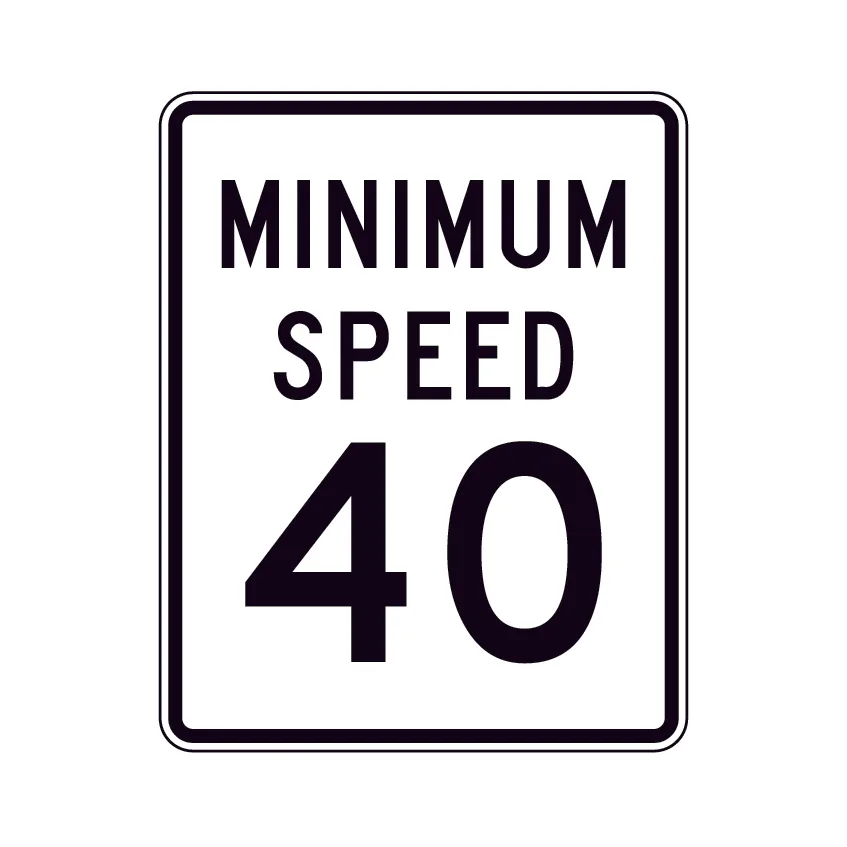
Some Idaho roads have posted minimum speed limits, usually on interstates or high-traffic highways. These are clearly marked with signs like "Minimum Speed 45 mph."
On unposted roads, the rule defaults to not impeding normal flow. This is where officer discretion comes into play. They’ll consider the speed limit, traffic density, and road conditions.
If you’re unsure, match the speed of surrounding traffic. Going 10 mph under the limit on a clear day is a common threshold for citations.
Who’s Most at Risk of a Slow-Speed Citation
Tourists unfamiliar with Idaho’s roads often get cited. They may drive cautiously on highways where locals expect faster speeds.
New drivers and elderly motorists are also frequent targets. Both groups tend to drive more slowly, sometimes unknowingly disrupting traffic.
Commercial drivers with heavy loads need to be especially careful. Slow acceleration on inclines can create dangerous situations.
How Officers Enforce the Rule in Real Life
Police typically look for a pattern of disruption. A single slow driver might not draw attention. A line of cars stacked up behind you will.
Radar isn’t always used for minimum speed enforcement. Officers often rely on visual observation of traffic patterns.
The most common enforcement areas are two-lane highways. These roads offer limited passing opportunities, making slow drivers more noticeable.
What Happens If You’re Pulled Over for Driving Too Slowly
You’ll receive a citation under Idaho Code § 49-654. The fine varies by county but typically ranges from $50 to $200.
The citation may add points to your driving record. Accumulating too many points can lead to license suspension.
You have the right to contest the ticket in court. Success often depends on proving you weren’t actually impeding traffic.
The Agricultural and Slow-Moving Vehicle Exceptions
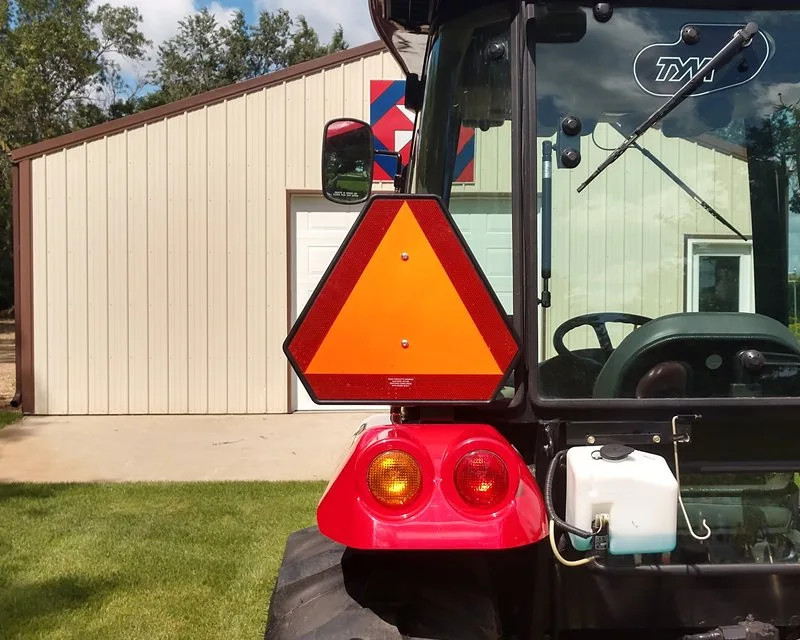
Farm equipment and other slow-moving vehicles have special protections. They must display the standard orange triangle SMV emblem when traveling under 25 mph.
These vehicles are still required to use turnouts where available. The law recognizes they can’t always maintain highway speeds.
The exception doesn’t apply to regular passenger vehicles. Even if you’re towing a trailer, you must maintain a speed that doesn’t impede traffic.
How to Drive Slowly Without Breaking the Law
Use turnouts when you see them. These are designated areas on two-lane roads where slower drivers can pull over to let traffic pass.
On multi-lane roads, stay in the right lane if you’re moving slower than surrounding traffic. The left lane is for passing, not cruising.
If you’re towing or driving a large vehicle, plan your route to avoid busy highways during peak times. Early mornings or late evenings often have lighter traffic.
The Hidden Costs of a Minimum Speed Ticket
A citation adds points to your driving record. In Idaho, 4 points can lead to a license suspension if accumulated within 12 months.
Insurance companies often raise premiums after a moving violation. A single ticket can increase your rates by 10 to 20 percent.
The financial impact doesn’t stop there. If your slow driving contributes to an accident, you could face higher liability costs.
Idaho’s Turnout Law: When You Must Pull Over
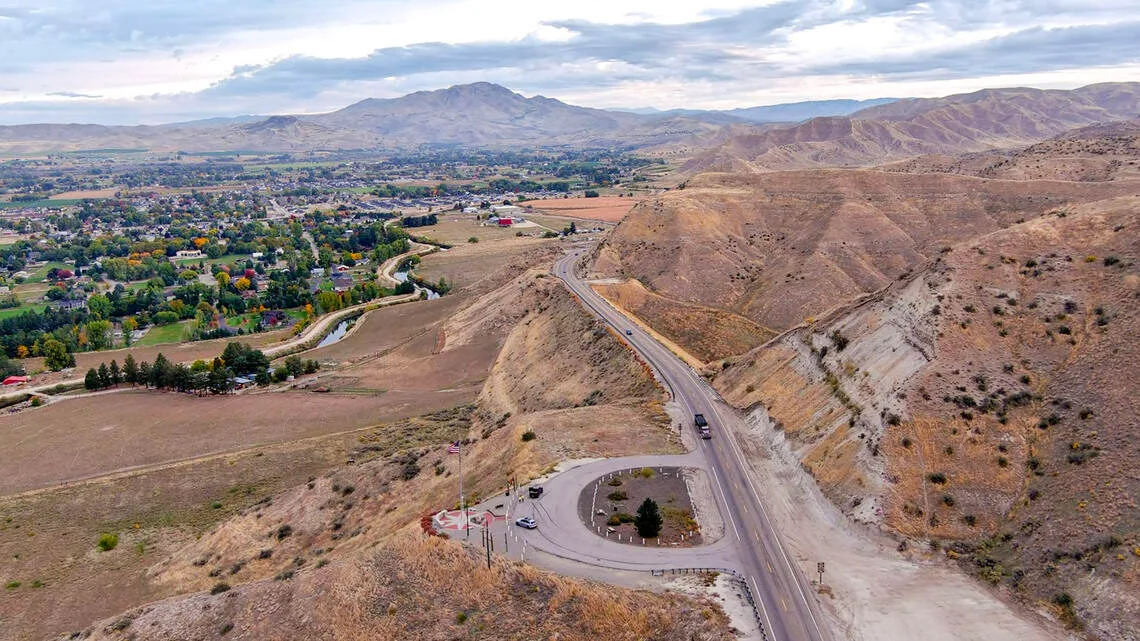
Idaho law requires drivers to use turnouts when five or more vehicles are lined up behind them. This applies to all public roads, not just highways.
Turnouts are marked with signs and often have wide shoulders. They’re especially common on scenic routes and mountain passes.
Ignoring turnout requirements can result in a citation, even if you’re technically above the speed limit. The law prioritizes traffic flow over absolute speed.
Real-World Scenarios (And How to Handle Them)
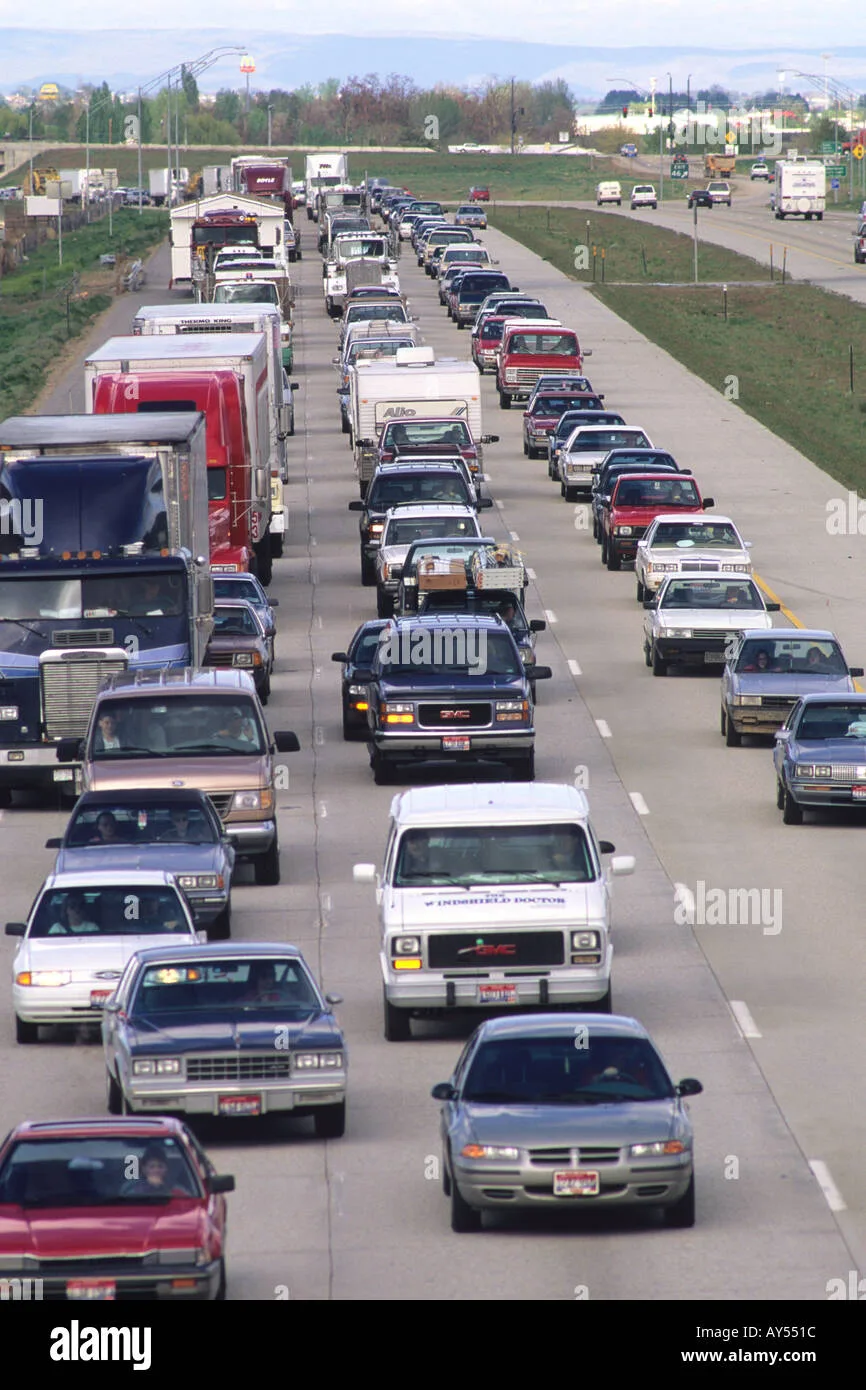
On a two-lane road with a line of cars behind you, pull over at the next safe turnout. Don’t wait for a perfect spot. Any wide shoulder or designated area will do.
If you’re driving a slow-moving vehicle like a tractor, display your SMV emblem and use turnouts frequently. This is both a legal requirement and a safety measure.
In poor weather, reduce your speed but maintain a consistent pace. Erratic driving is more dangerous than slightly slower, steady movement.
Frequently Asked Questions
Is there a minimum speed limit on Idaho interstates?
No, Idaho doesn’t have a fixed minimum speed limit on interstates. However, you must not drive so slowly that you impede the normal flow of traffic. Officers typically expect speeds of at least 45, 55 mph under normal conditions.
Can I get a ticket for driving too slowly in a school zone?
Yes, but it’s unlikely if you’re following the posted speed limit. School zones have reduced speed limits for safety. As long as you’re not impeding other vehicles, you should be fine.
What should I do if I’m driving slowly uphill?
Stay in the right lane and maintain a steady speed. If traffic builds up behind you, use a turnout as soon as it’s safe. Avoid stopping on the roadway, as this creates a hazard.
Do slow-moving vehicle laws apply to bicycles?
No, Idaho’s slow-moving vehicle laws specifically apply to motor vehicles. Bicyclists are subject to different rules under Idaho traffic laws.
How do I contest a minimum speed ticket?
You can contest the ticket in court by arguing that you weren’t actually impeding traffic. Gather evidence like traffic conditions at the time or witness statements. A traffic attorney can help build your case.