Illinois’ roads are safer when drivers follow the rules, but too many still ignore the Move Over Law. The Illinois move over task force reports and highway safety initiatives exist to cut down on preventable crashes involving first responders and roadside workers. These efforts combine stricter enforcement, public education, and data-driven strategies to save lives.
As of 2026, Scott’s Law requires drivers to change lanes or slow down when approaching stopped emergency vehicles with flashing lights. Violations can cost up to $10,000 and lead to license suspension, yet crashes keep happening.
Quick Answer
The Illinois move over task force reports and highway safety initiatives track compliance with Scott’s Law. They enforce lane changes and speed reductions near emergency vehicles. Fines start at $250 for violations.
The goal is protecting first responders and roadside workers. Data shows these efforts reduce crashes and save lives.
Why Illinois’ Move Over Task Force Exists and Why It Matters
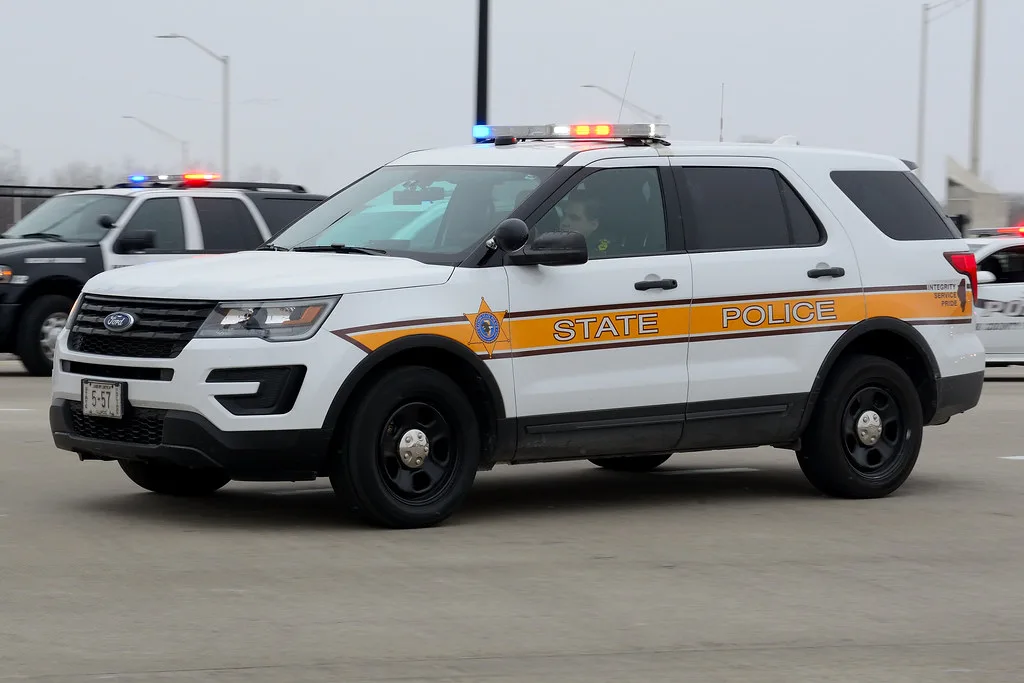
Illinois created the Move Over Task Force to address a growing crisis on its highways. Between 2010 and 2024, over 20 Illinois State Police troopers were struck by vehicles while responding to incidents, many tied to drivers failing to move over or slow down. The task force combines law enforcement, transportation officials, and safety advocates to push for stricter compliance and better public awareness.
The core mission is simple: reduce preventable injuries and deaths. First responders, tow truck operators, and construction workers face constant danger when stopped on roadways. The task force doesn’t just enforce the law, it studies crash patterns, identifies high-risk areas, and recommends policy changes to the Illinois General Assembly.
What Scott’s Law Actually Requires You to Do
Scott’s Law, also known as the Move Over Law, mandates specific actions when you see emergency or maintenance vehicles with flashing lights. If you’re on a multi-lane highway, you must change lanes away from the stopped vehicle if it’s safe to do so. If you can’t change lanes, you must slow down to at least 20 mph below the posted speed limit.
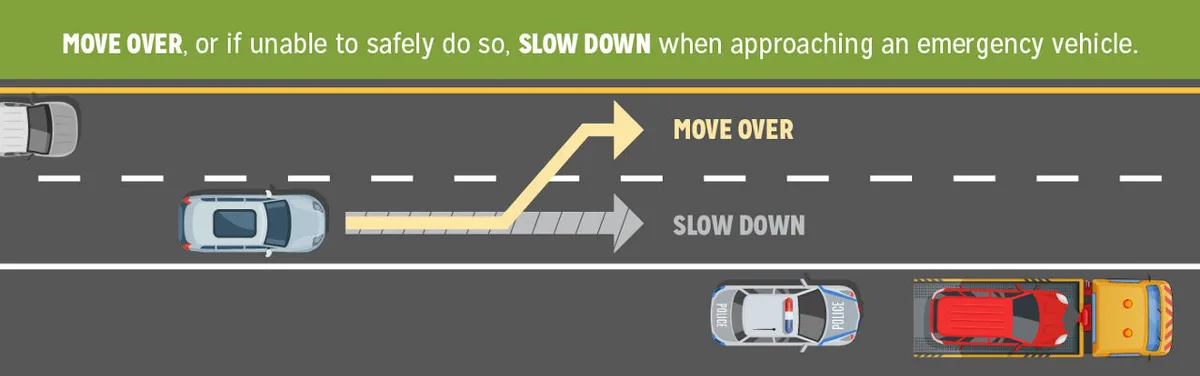
The law applies to all emergency vehicles, including police cars, fire trucks, ambulances, and tow trucks with amber or red flashing lights. It also covers IDOT vehicles and maintenance crews. Ignoring these rules isn’t just dangerous, it’s illegal, with fines starting at $250 for a first offense and escalating to $10,000 for violations causing injury or death.
The Hard Numbers: Crash Data and Enforcement in Illinois
The Illinois State Police report that, as of 2024, there were over 1,500 Scott’s Law violations issued annually, with a spike in enforcement during high-visibility campaigns. Since the law’s inception, compliance has improved, but crashes still occur, particularly in high-traffic areas like I-55, I-80, and I-90/94. In 2023 alone, 12 incidents involved first responders or roadside workers being struck, three of which were fatal.
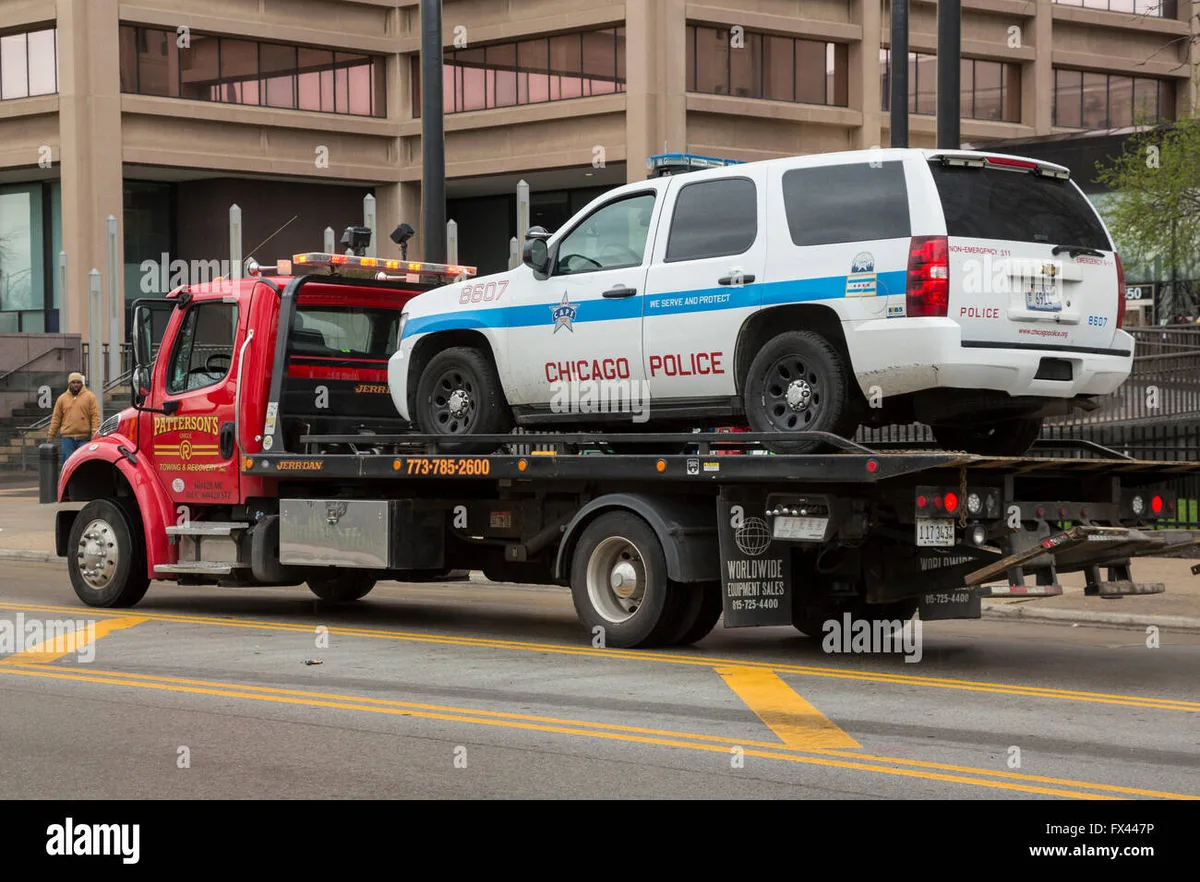
Enforcement isn’t just about fines. The Illinois State Police and local agencies use patrols, automated cameras, and public education to reduce violations. Data from the National Highway Traffic Safety Administration shows that states with strong Move Over Law enforcement see a 20-30% drop in roadside worker fatalities within five years.
Who’s at Risk (and How the Task Force Protects Them)
First responders are the most visible group protected by Scott’s Law, but they’re not the only ones. Tow truck operators, IDOT workers, and stranded motorists changing a tire are all at risk when drivers fail to move over or slow down.
The Illinois Move Over Task Force focuses on these high-risk groups by increasing patrols in danger zones, installing dynamic message signs, and partnering with local media for public service announcements. Their reports highlight that most crashes happen during low-light conditions or in areas with poor visibility.
How the Move Over Law Is Enforced (and What Happens If You Break It)
Enforcement of Scott’s Law is a multi-agency effort. Illinois State Police troopers, local police departments, and automated cameras monitor compliance. Penalties are steep:
- First offense: Minimum $250 fine
- Subsequent offenses: Up to $750 fine
- Violations causing injury: Up to $2,500 fine and possible license suspension
- Violations causing death: Up to $10,000 fine and mandatory court appearance
In addition to fines, violations can lead to points on your driving record, which may increase insurance premiums. Courts may also require traffic safety courses for those convicted.
Common Mistakes Drivers Make (and How to Avoid Them)
Many drivers assume the Move Over Law only applies to police cars. It covers all vehicles with flashing lights, including tow trucks, IDOT maintenance vehicles, and even private vehicles assisting at an emergency scene.
Another frequent error is misjudging when it’s safe to change lanes. If traffic is heavy, you must slow down instead of forcing a lane change. Distraction plays a role in many violations, as drivers focused on phones or navigation systems often miss flashing lights until it’s too late.
What the Illinois Move Over Task Force Reports Reveal
The task force publishes annual reports detailing violation trends, crash data, and enforcement outcomes. Their 2024 report showed a 15% increase in compliance after targeted public awareness campaigns. However, nighttime violations remain a persistent problem, accounting for 60% of all incidents.
The reports also highlight geographic hotspots. Interstates 55 and 80 see the highest number of violations, likely due to heavy traffic and frequent construction zones. The task force uses this data to deploy additional patrols and dynamic message signs in these areas.
Real-Life Cases: When Violations Turned Deadly
In 2019, Illinois State Trooper Christopher Lambert was struck and killed by a passing vehicle while responding to a crash on I-294. The driver, who failed to move over or slow down, was charged with reckless homicide.
Another notable case involved a tow truck operator on I-55 in 2021. The driver was assisting a stranded motorist when a car veered into the emergency lane, striking and killing him. The at-fault driver received the maximum fine under Scott’s Law and a two-year license suspension.
How to Comply Safely in Different Road Situations
On multi-lane highways, always check your mirrors and blind spots before changing lanes. If you see flashing lights ahead, signal early and move over smoothly. If traffic prevents a lane change, reduce your speed immediately.
In urban areas with frequent stops, stay extra vigilant. Emergency vehicles may be less visible among buildings and other obstacles. At night or in poor visibility, increase your following distance and use high beams when safe.
Public Awareness Efforts: What’s Working (and What’s Not)
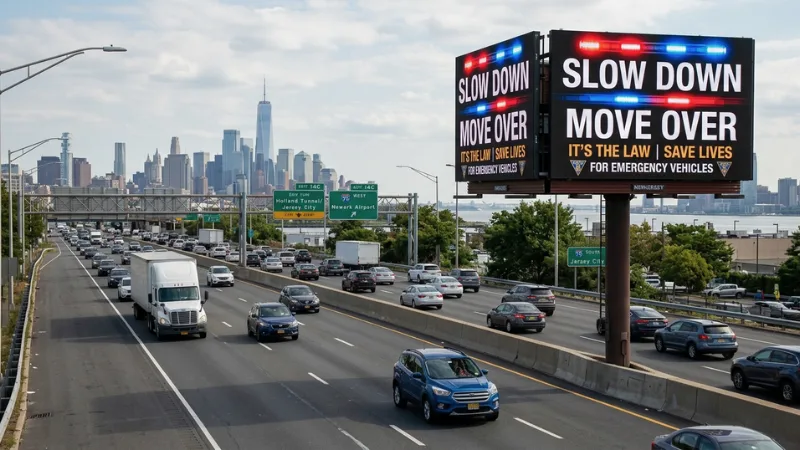
The Illinois Department of Transportation runs digital and highway sign campaigns to remind drivers of Scott’s Law. Their "Move Over or Slow Down" messages appear on electronic billboards across the state. Social media plays a growing role, with the Illinois State Police regularly posting videos and infographics.
However, some traditional methods have shown limited effectiveness. Radio PSAs have lower engagement rates compared to digital campaigns. The task force continues to explore new ways to reach drivers, including partnerships with ride-share companies and navigation apps.
How Other States Compare—and What Illinois Does Differently
Most states have Move Over Laws, but enforcement and penalties vary. Illinois stands out with steep fines, especially for violations causing injury or death. Many neighboring states cap fines at $1,000, while Illinois can impose up to $10,000.
Illinois also mandates driver education on Scott’s Law as part of the state’s driver’s license exam. Fewer than half of all states include Move Over Law questions in their testing. Illinois’ data-driven enforcement sets it apart, using real-time crash data to deploy patrols and adjust campaigns.
Expert Safety Tips for Drivers and First Responders
For drivers, stay alert and scan ahead for flashing lights or roadside activity. If you see any, start slowing down or changing lanes immediately.
First responders and roadside workers should position their vehicles to create a buffer zone. Use cones, flares, or reflective signs to increase visibility. Wear high-visibility gear, even during daylight hours.
At night, additional lighting is critical.
Where to Find Official Updates and Resources
The Illinois State Police website posts regular updates on Scott’s Law enforcement and task force activities. Their Scott’s Law page includes FAQs, violation statistics, and safety tips.
The Illinois Department of Transportation provides resources on highway safety. Their Move Over Law page features educational materials and links to current campaigns.
For real-time updates, follow the Illinois State Police on social media. Their accounts share alerts about roadside activity and enforcement efforts.
Frequently Asked Questions
Does Scott’s Law apply to all emergency vehicles?
Yes. It covers police cars, fire trucks, ambulances, tow trucks, and IDOT vehicles with flashing lights. Even private vehicles assisting at an emergency scene are protected.
What’s the minimum fine for violating Scott’s Law?
The minimum fine is $250 for a first offense. Fines increase for repeat violations or if the violation causes injury or death.
Can you get your license suspended for a Scott’s Law violation?
Yes. Violations causing injury or death can result in license suspension. Courts may also require traffic safety courses.
How does Illinois enforce the Move Over Law?
Enforcement comes from state police patrols, local law enforcement, and automated cameras in some areas. The task force also uses data to target high-risk zones.
Where can I report a Scott’s Law violation?
You can report violations to the Illinois State Police or local law enforcement. Many agencies allow online reporting through their websites.