ByMax Lee
Indiana Excise Tax Refunds for Sold or Destroyed Vehicles
Bing (Web (fair-use with source credit))
If you sold or totaled a vehicle in Indiana, you might be leaving money on the table. Indiana excise tax credits and refunds for sold or destroyed vehicles let you reclaim taxes paid on cars you no longer own. The state offers partial or full refunds, but only if you follow the right steps and meet strict deadlines.
As of 2026, the Indiana Bureau of Motor Vehicles processes these claims under state code IC 6-6-5. The rules differ for sold versus destroyed vehicles, so knowing which path applies to you is the first step.
Quick Answer
Indiana excise tax credits and refunds for sold or destroyed vehicles let you recover taxes paid on a car you no longer own. Sold vehicles require proof of transfer. Destroyed vehicles need a salvage title or insurance payout.
Claims must be filed with the BMV. Processing typically takes 4 to 8 weeks.
How Indiana Vehicle Excise Tax Works
Indiana charges an annual excise tax when you register a vehicle. The amount is based on the car’s value, age, and type. This tax is separate from sales tax and is due every year at registration.
If you sell or destroy the vehicle before the registration period ends, you may qualify for a prorated refund. The state doesn’t automatically issue refunds, so you have to apply. The Indiana Department of Revenue oversees the tax rules, while the Indiana BMV handles most claims.
Sold vs. Destroyed: The Two Main Refund Paths
These are the only two scenarios that qualify for a refund or credit.
Sold Vehicle
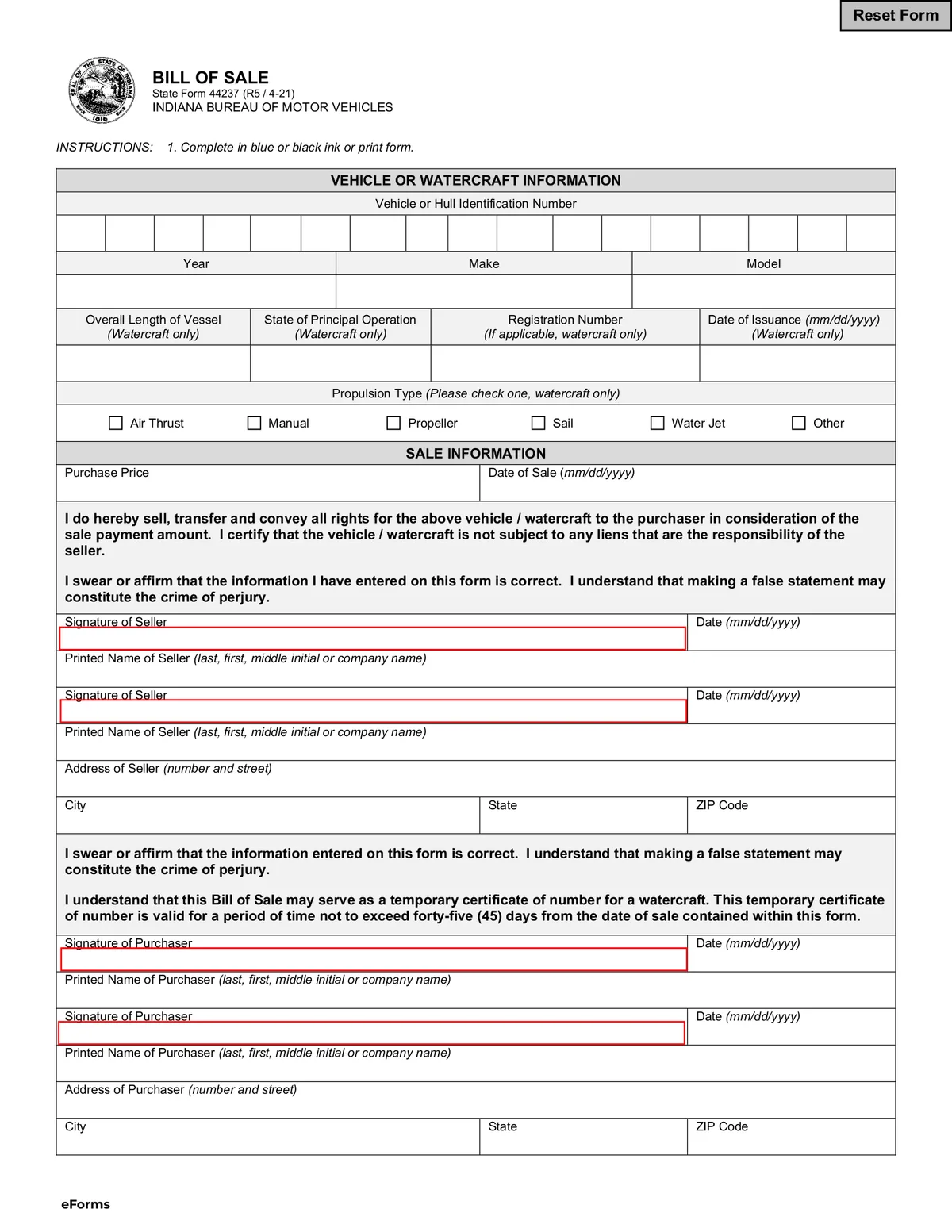
You can claim a refund if you sold the car and transferred the title before the registration expired. The refund is prorated based on the remaining months of registration. You’ll need the bill of sale and the new owner’s information.
Destroyed Vehicle
If your car was totaled, stolen, or otherwise destroyed, you can apply for a refund. You’ll need proof like a salvage title, insurance settlement, or a police report. The refund covers the unused portion of the tax.
Eligibility Checklist: What You Need to Prove
You must meet all requirements for your situation. Missing one item can delay or deny your claim.
For Sold Vehicles
- Original title with the sale date
- Bill of sale showing the transfer
- New owner’s name and address
- Proof the vehicle is no longer in your name
For Destroyed Vehicles
- Salvage title or insurance declaration of total loss
- Police report (if stolen)
- Proof the vehicle was not operational at the time of destruction
The BMV may request additional documentation, so keep all paperwork from the sale or destruction.
You must meet all requirements for your situation. Missing one item can delay or deny your claim.
For Sold Vehicles
- Original title with the sale date
- Bill of sale showing the transfer
- New owner’s name and address
- Proof the vehicle is no longer in your name
For Destroyed Vehicles
- Salvage title or insurance declaration of total loss
- Police report (if stolen)
- Proof the vehicle was not operational at the time of destruction
The BMV may request additional documentation, so keep all paperwork from the sale or destruction.
Step-by-Step: Claiming a Refund for a Sold Vehicle
Bing (Web (fair-use with source credit))
Start by gathering your documents. You’ll need the title, bill of sale, and your Indiana driver’s license. If you don’t have the title, request a duplicate from the BMV before filing.
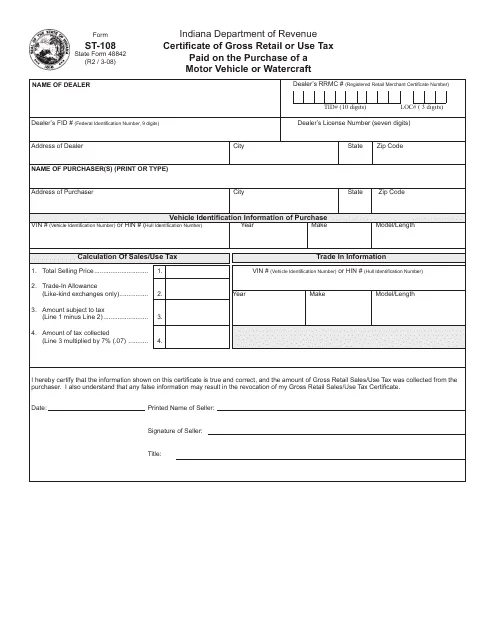
Visit your local BMV branch or use the online portal if available. Submit Form 37189 for sold vehicles, along with your proof of sale. The BMV will verify the transfer and calculate your refund based on the remaining registration period.
Processing takes 4 to 8 weeks. If approved, you’ll receive a check or direct deposit. If denied, you’ll get a letter explaining why and how to appeal.
Step-by-Step: Claiming a Refund for a Destroyed Vehicle

Bing (Web (fair-use with source credit))
File Form 37189 with the BMV. You’ll need the salvage title or insurance total-loss letter. A police report is required for stolen vehicles.
The BMV will check the destruction date against your registration. If the vehicle was destroyed before the tax year ended, you’ll get a prorated refund.
Required Forms and Where to Get Them
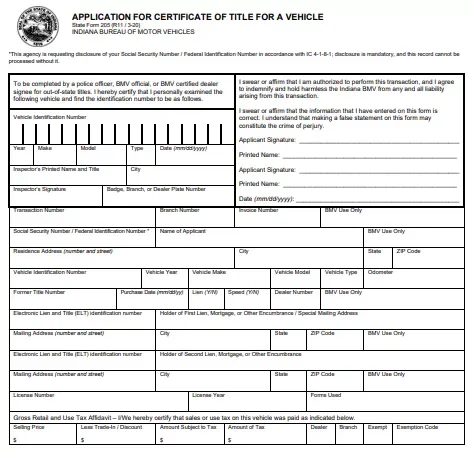
Form 37189 is the main document for both sold and destroyed vehicles. You can download it from the Indiana BMV website. Some branches also have paper copies.
For destroyed vehicles, you may need additional forms from your insurance company. These typically include a total loss statement or a salvage title application.
How Long It Takes and What to Expect
Most claims are processed within 4 to 8 weeks. If you file in person at a BMV branch, you might get a faster response. Online or mail submissions can take the full 8 weeks.
You’ll receive a check by mail if approved. If denied, the BMV will send a letter explaining the reason. You can appeal the decision by providing additional documentation.
Common Reasons Claims Get Denied (And How to Fix Them)
Missing paperwork is the top reason for denial. Double check that you’ve included the title, bill of sale, or salvage documentation. Incomplete forms are another common issue, so fill out every field.
If the vehicle was sold or destroyed after the registration expired, you won’t qualify. The destruction or sale date must fall within the active registration period.
What Happens If You Miss the Deadline?
Indiana doesn’t have a strict deadline for filing, but delays can complicate your claim. The longer you wait, the harder it is to gather required documents. Insurance companies and the BMV may not retain records indefinitely.
If you miss the window for a refund, you might still qualify for a credit toward future vehicle taxes. Contact the BMV to discuss your options.
BMV vs. DOR: Who Handles Your Claim?

Bing (Web (fair-use with source credit))
The BMV processes most refund claims for sold or destroyed vehicles. They verify the paperwork and calculate the refund amount. The DOR oversees the tax code but typically doesn’t handle individual claims.
If you have questions about tax laws, the DOR can provide guidance. For filing, stick with the BMV.
Pro Tips to Speed Up Your Refund
Submit all documents at once to avoid delays. Missing a single form can restart the process. Double check that names and dates match across all paperwork.
File in person if possible. BMV branches can review your application on the spot and flag issues immediately.
Real-Life Scenarios: When You Don’t Get Money Back
If you sold the car after the registration expired, you won’t qualify. The refund only applies to the unused portion of the tax year. The same rule applies to destroyed vehicles.
If you transferred the title but kept the plates, you might still owe fees. Indiana requires plate surrender or transfer in some cases.
FAQs About Indiana Vehicle Excise Tax Refunds
How long does a refund take to process?
Most claims are processed within 4 to 8 weeks. In person filings may be faster. Mail submissions can take the full 8 weeks.
Can I get a refund if I sold my car privately?
Yes, as long as you transferred the title and filed the paperwork. The BMV will verify the sale date against your registration.
What if my car was stolen?
You’ll need a police report and proof the vehicle was not recovered. The BMV treats stolen cars like destroyed vehicles for refund purposes.
Do I need the original title to file?
Yes, the BMV requires the original title for both sold and destroyed vehicles. If you’ve lost it, request a duplicate before filing.
Can I apply online?
Some BMV services are available online. Check the Indiana BMV website for current options. In person visits are often the fastest way to resolve issues.