ByMax Lee
Iowa License Plate Frame Rules & Visibility Laws
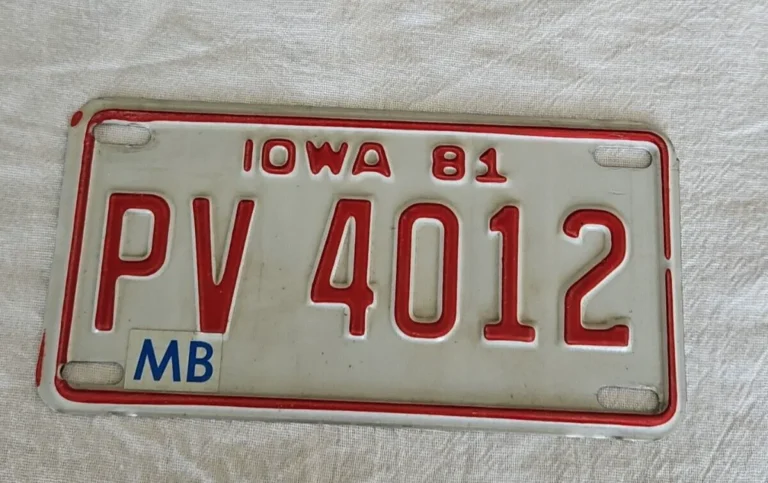
If you’ve ever wondered whether that decorative license plate frame is legal in Iowa, the answer comes down to visibility. The Iowa license plate frame law and state name visibility requirements are clear: nothing can block the state name, registration numbers, or any official markings. A quick glance at your plate should reveal every character and the word "Iowa" without obstruction.
Per Iowa Department of Transportation guidelines, even a thin frame can cause issues if it covers any part of the plate’s required elements. As of 2026, enforcement hasn’t changed, officers can and do pull over drivers for non-compliant frames.
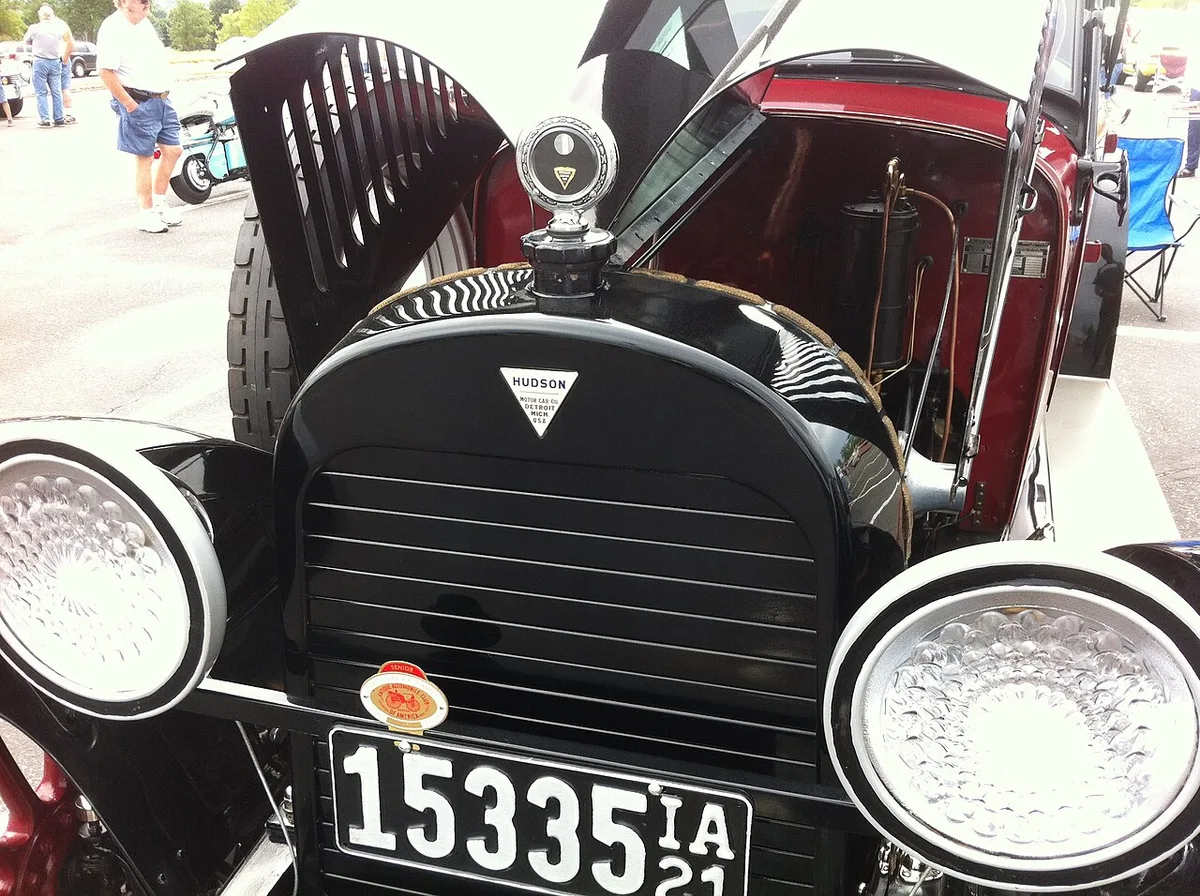
Wikimedia Commons / CZmarlin, Christopher Ziemnowicz, releases all rights but a photo credit would be appreciated if this image is used anywhere other than Wikipedia. Please leave a note at Wikipedia here. Thank you!
Quick Answer
Iowa license plate frame law and state name visibility requirements prohibit any obstruction of the plate’s text. The state name "Iowa" must be fully visible. Frames cannot cover registration stickers or numbers.
Violations can result in a traffic stop.
Why the State Name Visibility Rule Matters
The rule exists for law enforcement and public safety. Officers need to quickly identify vehicles during traffic stops, accidents, or investigations. Obstructed plates slow down identification and can lead to avoidable confrontations.
It also ensures compliance with registration systems. Iowa’s vehicle registration process relies on clear, unobstructed plates for automated and manual checks.
Iowa’s Exact Requirements for License Plate Frames
Iowa Code does not explicitly ban license plate frames. However, it does require that all letters, numbers, and the state name remain fully visible. This means no part of the frame can overlap or obscure any portion of the plate’s printed information.
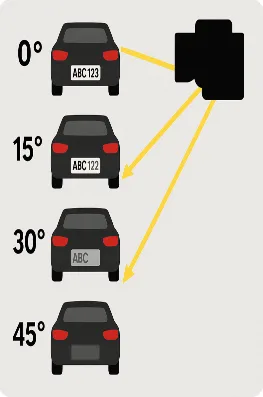
The Iowa DOT also specifies that plates must be securely fastened in a horizontal position. Frames that cause the plate to tilt or sway may also be considered non-compliant. For reference, the Iowa DOT’s official guidelines outline these visibility standards in detail.
Bing (Web (fair-use with source credit))
Frames must not interfere with the reflective coating of the plate. Many aftermarket frames can reduce visibility at night, which violates Iowa’s requirement for plates to be legible in all lighting conditions.
What’s Allowed vs. What’s Illegal in Iowa
Allowed:
- Thin, non-obstructive frames that do not cover any part of the plate’s text or state name.
- Frames that secure the plate without tilting or swaying.
- Frames that do not alter the plate’s reflective properties.
Illegal:
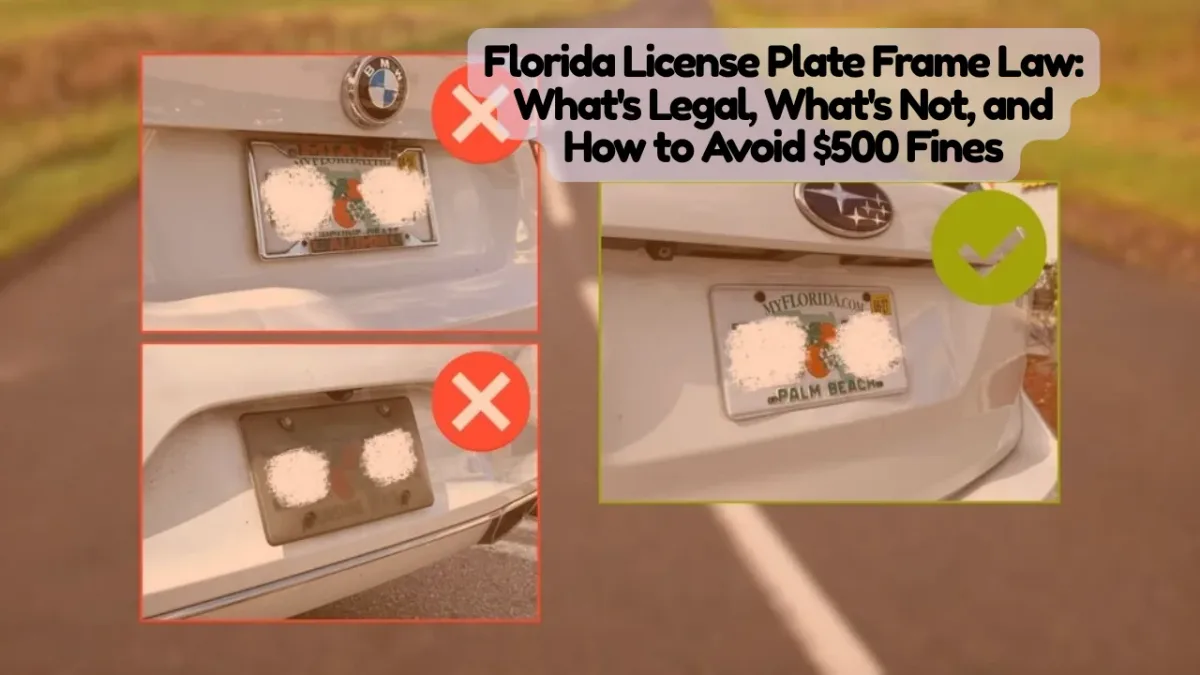
- Frames that cover any part of the state name, registration numbers, or stickers.
- Frames that cause the plate to be unreadable from a reasonable distance.
- Decorative frames with raised edges or designs that obscure the plate.
Bing (Web (fair-use with source credit))
If you’re unsure, a simple test is to stand 50 feet away from your vehicle. If you can’t read every character and the state name clearly, the frame is likely illegal.
How to Check if Your Frame Is Compliant
Start by examining your plate from multiple angles. Look for any part of the frame that overlaps the plate’s text or the word "Iowa." Even a small obstruction can be enough to violate the law.
Next, check the plate’s positioning. It should be mounted horizontally and securely. If the frame causes the plate to tilt or move, it’s not compliant.
Finally, test visibility at night. Turn on your vehicle’s lights and walk 50 feet away. If the plate isn’t fully legible, the frame may be reducing the reflective coating’s effectiveness.
Common Mistakes That Get You Pulled Over
The most frequent violation is a frame that covers the top or bottom edge of the plate. Even a quarter-inch overlap can obscure the state name or registration month sticker. Officers don’t need to measure, they just need to see an obstruction.
Another common issue is decorative frames with raised lettering or logos. These can cast shadows that make the plate hard to read at night. Reflective frames can also create glare that defeats the purpose of the plate’s own reflective coating.
Dealer-Installed Frames: What Iowa Drivers Need to Know
Many dealerships install frames as a courtesy or upsell. Some of these frames are non-compliant. Iowa law holds the vehicle owner responsible, not the dealer.
If you buy a car with a pre-installed frame, check it immediately. Remove it if it covers any part of the plate. Dealers in states with similar laws, like Florida’s tag visibility rules, often use compliant designs, but Iowa’s standards may differ.
What Happens If Your Frame Violates the Law
You can be pulled over and issued a fix-it ticket. The officer will typically give you a short window to correct the issue. Failure to comply can lead to fines.
In some cases, a non-compliant frame can result in a failed vehicle inspection. You won’t be able to renew your registration until the issue is resolved.

Wikimedia Commons / West Midlands Police from West Midlands, United Kingdom (CC BY-SA)
How to Fix a Non-Compliant Frame
The simplest solution is to remove the frame entirely. Most plates are designed to mount directly to the vehicle without one.
If you prefer to keep a frame, choose a thin, flat design that doesn’t overlap the plate. Ensure it’s mounted securely so the plate stays horizontal. Test visibility from 50 feet away in both daylight and at night.
Iowa vs. Other States: How Frame Laws Differ
Iowa’s rules are stricter than some states but more lenient than others. For example, California bans any frame that covers the plate’s edges. Texas allows frames as long as the plate is fully visible.
Some states, like Florida, have specific measurements for how much of the plate must remain unobstructed. Iowa doesn’t publish exact dimensions, but the principle is the same: nothing can block the view. For comparison, Florida’s approach may help clarify what Iowa expects.
Where to Find the Official Rules
The Iowa Department of Transportation publishes all plate visibility requirements on its website. The Iowa DOT’s vehicle services page is the most reliable source.
Local county treasurer offices can also provide printed copies of the regulations. These are the same offices that handle vehicle registration, so they see compliance issues daily.
Quick FAQs on Iowa License Plate Frames
Are license plate frames legal in Iowa?
Yes, but only if they don’t obstruct any part of the plate. The state name, numbers, and stickers must remain fully visible.
Can I get pulled over for a license plate frame in Iowa?
Absolutely. Officers can stop you if any part of the plate is covered. You’ll typically get a warning or fix-it ticket first.
What’s the fine for an illegal license plate frame in Iowa?
Fines vary by jurisdiction but usually start around $50. The exact amount depends on the county and whether it’s a first offense.
Do Iowa’s rules apply to front and rear plates?
Yes. Both plates must be fully visible if your vehicle is required to display them. Most passenger vehicles in Iowa need a rear plate only.
Can I use a frame that covers the plate bolts?
No. The bolts are part of the mounting system and must remain accessible. Covering them can also make the plate unstable.
Are digital license plates allowed in Iowa?
Not yet. Iowa has not approved digital plates for general use. Only traditional metal plates are currently legal.