ByMax Lee
Iowa’s 3-Foot Bicycle Passing Law Explained
Iowa’s roads are shared spaces, and the Iowa 3 foot passing distance requirement for bicycles on public roads exists to keep everyone safe. This law sets a clear standard for how much room drivers must give cyclists when overtaking them. Without it, close calls and collisions become far more likely.
The rule is simple: when passing a bicycle, you must leave at least three feet of space between your vehicle and the cyclist. As of 2026, this is a legal requirement in Iowa, not just a courtesy.
Quick Answer
Iowa requires a 3 foot minimum passing distance for bicycles on public roads. This applies to all motor vehicles overtaking cyclists. The law is designed to prevent accidents.
Violations can result in fines.
What Iowa’s 3-Foot Passing Law Means for Drivers and Cyclists
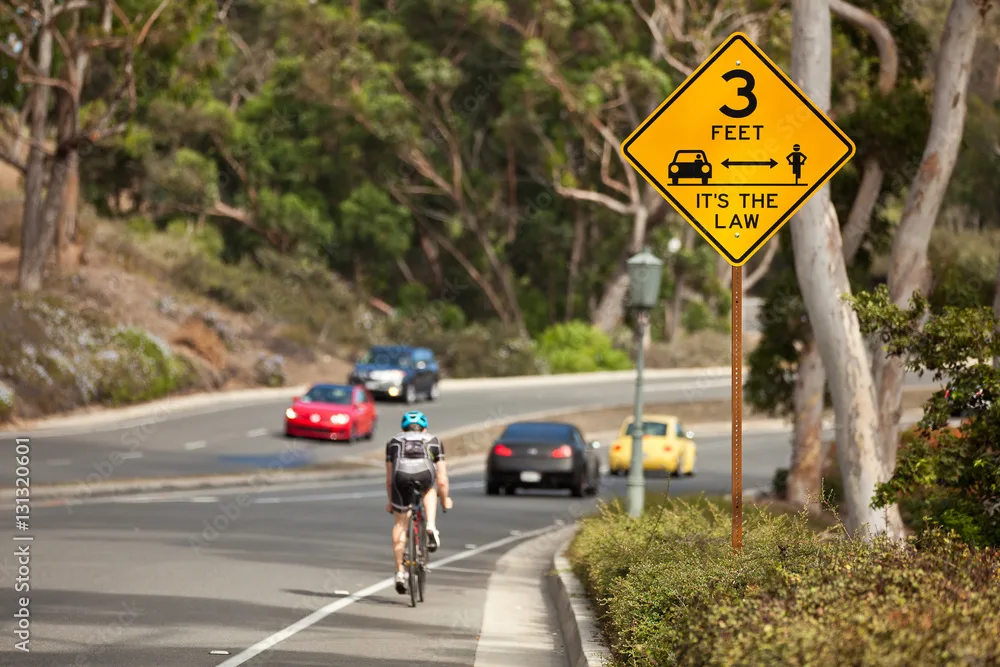
This law isn’t just about politeness, it’s about physics. A car passing too close can create a gust of wind strong enough to knock a cyclist off balance. It also gives both the driver and cyclist a buffer zone in case of sudden movements.
Bing (Web (fair-use with source credit))
For drivers, the rule means waiting until it’s truly safe to pass. For cyclists, it means knowing you have a legal right to that space. Both groups share responsibility for making Iowa’s roads safer.
The Exact Rule: Iowa’s Minimum Passing Distance for Bicycles
Iowa Code § 321.234 is the statute that mandates the 3-foot passing distance. It states that a motor vehicle overtaking a bicycle must leave at least three feet of space between the vehicle and the bicycle. If the road is too narrow to safely pass with that clearance, the driver must wait until it’s safe to do so.
This isn’t a suggestion, it’s the law. And it applies to all public roads in Iowa, whether they’re in urban areas or rural stretches.
Bing (Web (fair-use with source credit))
The rule also implies that drivers should slow down if they can’t pass safely. Speeding past a cyclist with less than three feet of space isn’t just dangerous, it’s illegal.
Why the 3-Foot Rule Exists (And Why It Matters)
Bicycles are considered vehicles under Iowa law, and cyclists have the same rights and responsibilities as motorists. But unlike cars, bicycles offer almost no protection in a collision. The 3-foot rule exists to reduce the risk of sideswipe accidents, which are among the most common and deadly for cyclists.
Research shows that even a slight nudge from a passing car can send a cyclist into traffic or off the road entirely. Three feet might not seem like much, but it’s enough to account for wind gusts, sudden swerves, or minor misjudgments.
This law also helps normalize safer driving habits. When drivers know they’re legally required to give cyclists space, they’re more likely to do so consistently.
When the 3-Foot Rule Applies (And When It Doesn’t)
The rule applies whenever a motor vehicle is overtaking a bicycle on a public road. This includes two-lane roads, multi-lane highways, and even roads with bike lanes if the cyclist is outside the lane.
There are a few exceptions. If the road is too narrow to pass with three feet of clearance, the driver must wait until it’s safe. This often happens on rural roads with no shoulder or in construction zones.
The rule does not apply when a cyclist is stopped at an intersection or when the vehicle and bicycle are traveling in the same direction but not overtaking. It also doesn’t apply to parking lots or private property.
How Drivers Can Safely Pass Cyclists in Iowa
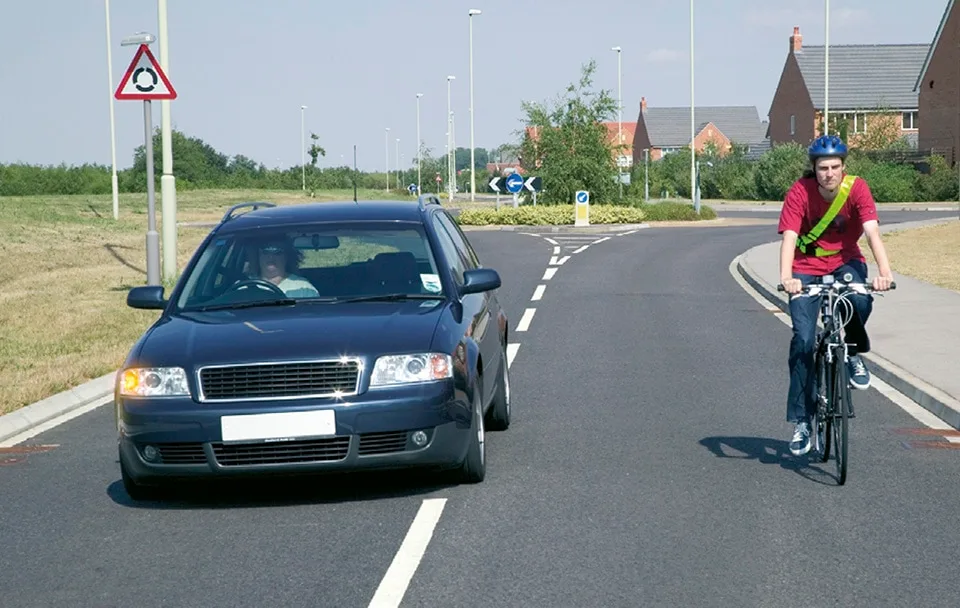
Passing a cyclist safely starts before you even get close. Scan the road ahead for cyclists and check for oncoming traffic. If you can’t pass with at least three feet of space, slow down and wait.
When you do pass, do so at a reasonable speed. The faster you go, the harder it is to maintain control and the more dangerous it is for the cyclist. Remember, the law doesn’t just require space, it requires caution.
Bing (Web (fair-use with source credit))
If the road has a bike lane, stay out of it unless you’re turning or parking. Always use your turn signal to let cyclists know your intentions. For more on road-sharing etiquette, check out traffic safety guidelines from the National Highway Traffic Safety Administration.
What Cyclists Should Do to Stay Safe on Iowa Roads
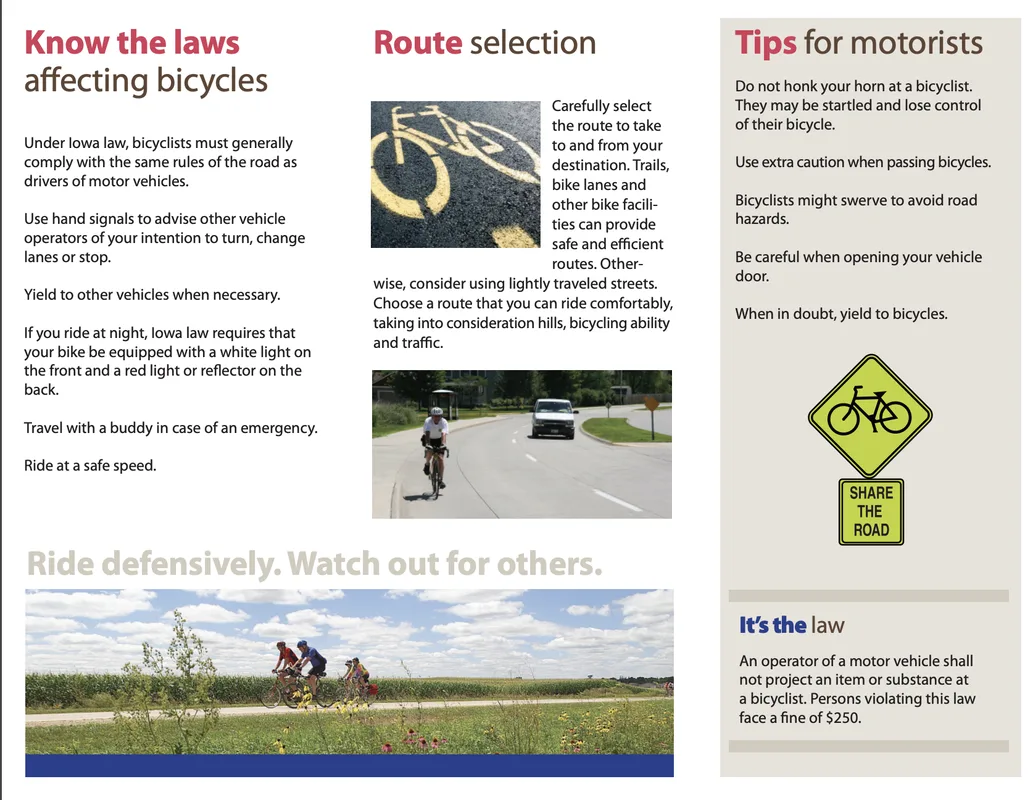
Cyclists can’t control how drivers behave, but they can take steps to make themselves more visible. Wear bright clothing during the day and reflective gear at night. Use front and rear lights if riding in low-light conditions.
Ride predictably and signal your turns. Taking the lane when it’s unsafe for cars to pass can also discourage close calls. The more visible and predictable you are, the easier it is for drivers to give you the required space.
Bing (Web (fair-use with source credit))
If a driver passes too closely, stay calm and avoid sudden movements. Note the vehicle’s details if possible and report repeated violations to local law enforcement.
Common Mistakes That Lead to Close Calls (And How to Avoid Them)
Drivers often misjudge the 3-foot distance. A good rule of thumb is that if you can’t fit a standard door width between your car and the cyclist, you’re too close. When in doubt, wait.
Another mistake is passing a cyclist just before a turn or intersection. This forces the cyclist into a dangerous position. Always pass with a clear view of the road ahead.
Cyclists sometimes hug the curb too closely, which can encourage unsafe passing. Riding a bit further into the lane can actually make you more visible and force drivers to give you more space.
What Happens If You Break the Law?
Violating Iowa’s 3-foot passing law can result in a traffic citation. The exact fine varies by jurisdiction, but it’s typically treated as a moving violation. Points may be added to your driving record.
More importantly, failing to give cyclists space can lead to serious accidents. Even if you’re not ticketed, the legal and moral consequences of injuring a cyclist are far worse than any fine.
Law enforcement may also use close-pass incidents as part of broader traffic safety campaigns. Repeated violations could lead to increased scrutiny or higher penalties.
Iowa vs. Other States: How Passing Laws Compare
Iowa’s 3-foot rule is common, but not universal. Many states have similar laws, though the exact distance varies. Pennsylvania, for example, requires 4 feet of clearance.
Some states have additional provisions. In California, drivers must slow to a reasonable speed if they can’t pass with the required distance. In Florida, the law applies to all vulnerable road users, not just cyclists.
Here’s a quick comparison of passing distance requirements:
| State | Minimum Passing Distance | Notes |
|---|---|---|
| Iowa | 3 feet | Applies to all public roads |
| Pennsylvania | 4 feet | Strict enforcement |
| California | 3 feet | Must slow if unable to pass safely |
| Florida | 3 feet | Covers all vulnerable road users |
Real-World Scenarios: When 3 Feet Isn’t Enough
On narrow rural roads, 3 feet might still feel too close. If the road has no shoulder and oncoming traffic is present, the safest option is to wait until you can pass with more space.
In high-wind conditions, the gust from a passing vehicle can be stronger than usual. In these cases, giving extra room is the smart choice, even if the law only requires 3 feet.
At night or in poor visibility, it’s harder to judge distance. Slow down and give cyclists more space than you would during the day.
FAQs About Iowa’s Bicycle Passing Law
Does the 3-foot rule apply if the cyclist is in a bike lane?
No. If the cyclist is in a designated bike lane, the 3-foot rule does not apply. However, you must still yield to cyclists when turning across a bike lane.
Can a driver cross the center line to pass a cyclist?
Yes, but only if it’s safe to do so. Iowa law allows crossing the center line to pass a cyclist when there’s no oncoming traffic and visibility is clear.
What if the road is too narrow to pass with 3 feet of space?
The driver must wait until it’s safe to pass with the required clearance. Passing too closely on a narrow road is illegal and dangerous.
Are there any exceptions to the 3-foot rule?
The main exception is when the cyclist is stopped at an intersection or traffic signal. The rule also doesn’t apply on private property.
How is the 3-foot distance measured?
It’s measured from the farthest point of the vehicle to the farthest point of the bicycle or cyclist. This includes mirrors, handlebars, and any cargo.
Key Takeaways: Safe Passing in Iowa, Simplified
The 3-foot rule is a legal requirement, not a suggestion. It exists to protect cyclists and reduce accidents.
Drivers must give cyclists at least 3 feet of space when passing. If it’s not safe to do so, wait. Cyclists should ride predictably and make themselves visible.
Both groups share the road and the responsibility for safety. Following the law keeps everyone protected.