ByMax Lee
Is Soap Safe for Spray Tans? pH Explained
YouTube / SPN ART (YouTube thumbnail (fair-use with source credit))
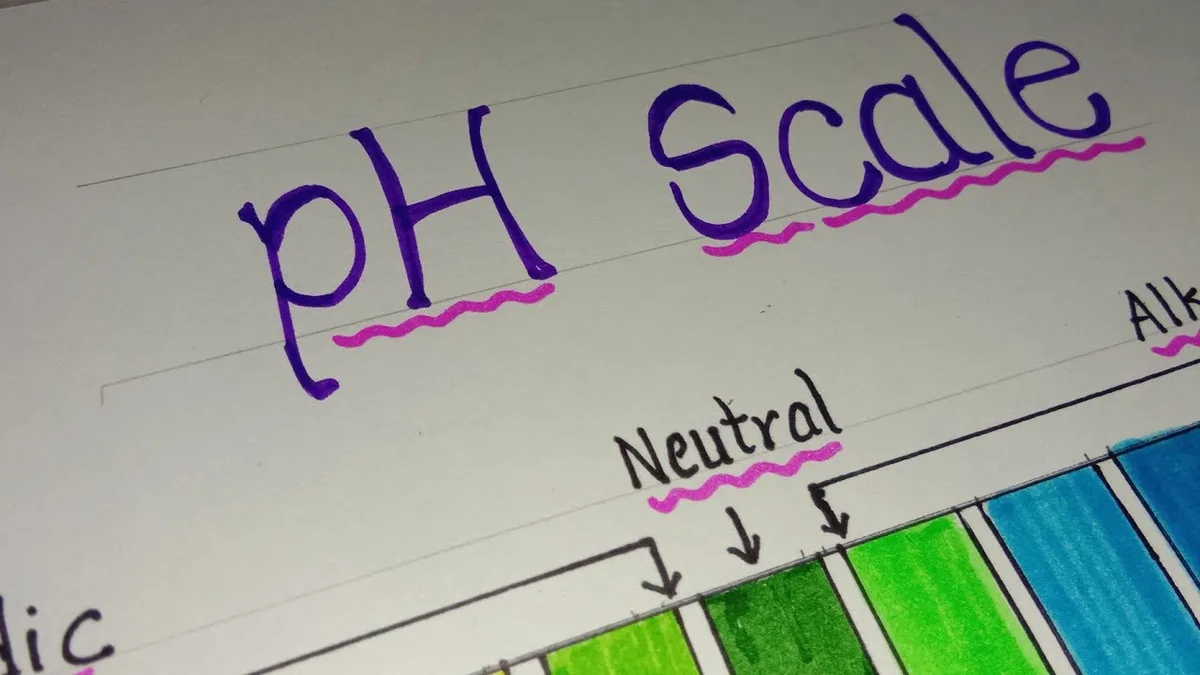
Yes, most soap is too alkaline for spray tan. The question is soap too alkaline or acidic for spray tan comes up because regular bar or liquid soap typically has a pH of 9, 10, while your skin’s natural acid mantle sits around 4.5, 5.5. That gap can strip the DHA, the active ingredient in spray tan, before it fully develops.
Your skin’s pH balance is the silent factor that decides whether your tan fades in days or lasts a week plus. Manufacturer specs for DHA-based tans confirm it bonds best in a slightly acidic environment.
Quick Answer
Soap is usually too alkaline for spray tan. Your skin needs a pH around 4.5, 5.5. Most soaps sit at 9, 10.
That alkalinity can break down DHA. Use pH-balanced cleansers instead.
Why pH Matters for Spray Tans
Your skin isn’t just a surface, it’s a finely tuned ecosystem. The acid mantle, a thin protective layer, keeps moisture in and bacteria out. When you use alkaline soap, you disrupt that balance.
The result is dry, irritated skin that struggles to hold onto a tan.
DHA, the sugar derivative in spray tan, reacts with amino acids in your skin to create that bronze color. But it needs time and the right conditions. A pH that’s too high can slow or even stop that reaction.
Per FDA guidelines, DHA is safe for external use, but its effectiveness depends on skin chemistry.
How Soap Affects DHA and Your Tan
DHA doesn’t just sit on your skin, it interacts with it. When your skin’s pH rises, the DHA development process stalls. That means your tan might not darken as much, or it could fade faster than expected.
Wikimedia Commons / Jawahar Swaminathan and MSD staff at the European Bioinformatics Institute
Alkaline soaps also strip natural oils. Without those oils, your skin can’t retain moisture, and DHA bonds weaken. The result is patchy, uneven fading.
The Ideal pH for Pre- and Post-Tan Skin
For pre-tan prep, aim for a cleanser with a pH of 5.5, 7. This range cleans without disrupting your skin’s natural barrier. Post-tan, stick to the same pH to preserve the DHA’s work.
Here’s a quick reference:
| Skin State | Ideal pH Range | Soap Type to Use |
|---|---|---|
| Natural skin | 4.5–5.5 | pH-balanced cleanser |
| Pre-tan prep | 5.5–7 | Gentle, sulfate-free soap |
| Post-tan care | 5.5–7 | pH-balanced, moisturizing cleanser |
Avoid anything above pH 7 before or after your tan. Even a single wash with alkaline soap can start breaking down the DHA before it’s fully set.
Soap Types That Ruin Your Tan (and What to Use Instead)
Not all soaps are created equal. Traditional bar soaps are the worst offenders, often hitting pH 9, 10. Liquid body washes can be slightly better but still tend to lean alkaline.
YouTube / Unboxing & Review (YouTube thumbnail (fair-use with source credit))
Soaps to avoid:
- Bar soaps (especially deodorant or antibacterial)
- Harsh exfoliating scrubs with sulfates
- Fragranced body washes
Better alternatives:
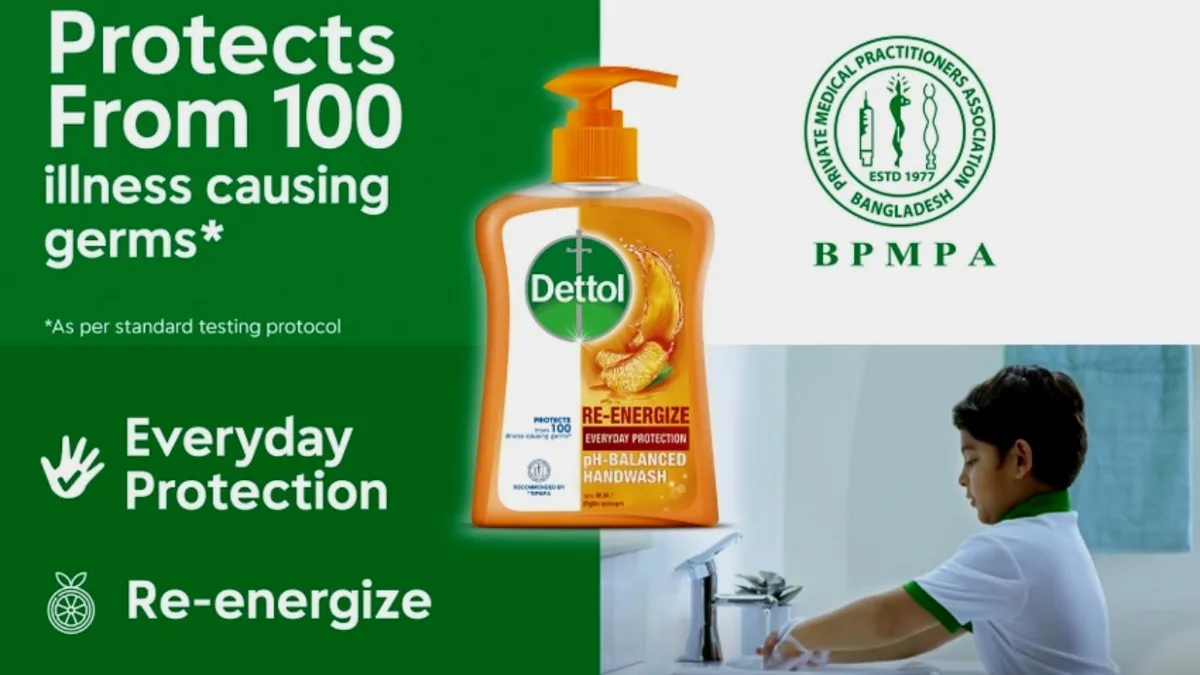
- pH-balanced liquid cleansers
- Sulfate-free body washes
- Syndet bars (synthetic detergent bars with neutral pH)
If you’re unsure, check the label. Look for terms like “pH-balanced,” “gentle,” or “for sensitive skin.”
Step-by-Step: How to Wash Before and After a Spray Tan
YouTube / Dewy Hours (YouTube thumbnail (fair-use with source credit))
24, 48 hours before your tan:
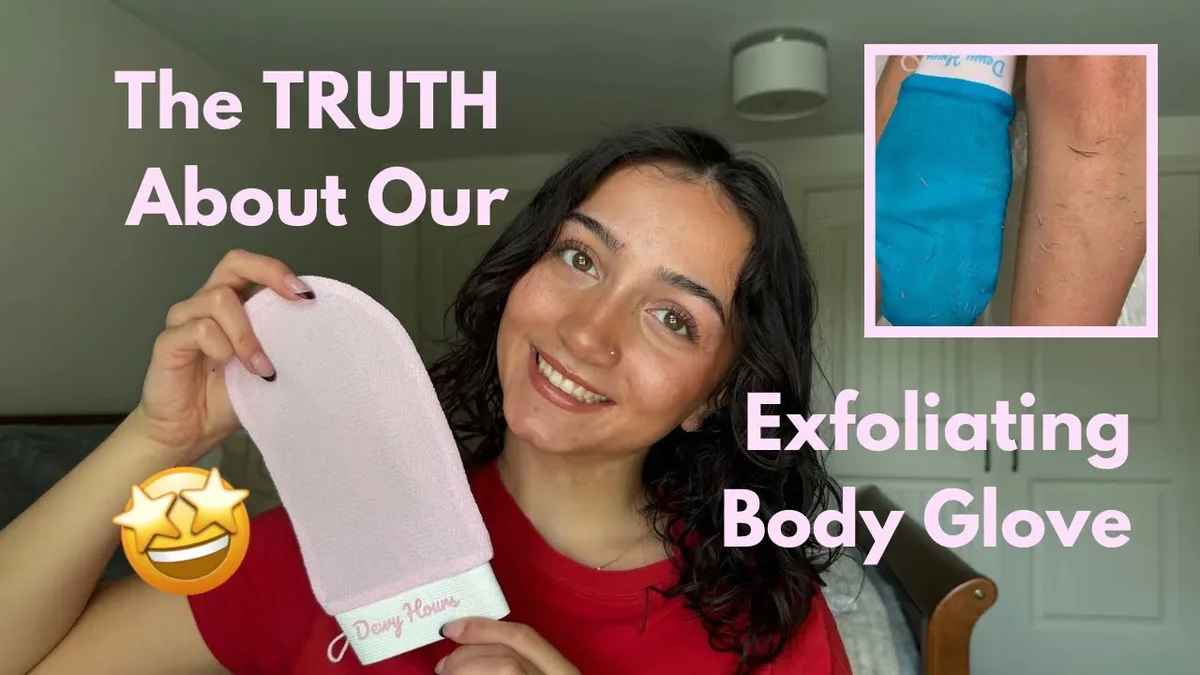
Exfoliate with a gentle scrub or chemical exfoliant. This removes dead skin cells so the DHA can penetrate evenly. Avoid oil-based products as they create a barrier.
Day of your tan:
Shower with a pH-balanced cleanser. Skip moisturizers or deodorants as they can block DHA absorption. Pat your skin dry, don’t rub.
First wash after your tan:
Wait 4, 8 hours before showering. Use lukewarm water and a sulfate-free, pH-balanced soap. Hot water opens pores and can strip the tan faster.
Daily maintenance:
Moisturize twice daily with a non-oil-based lotion. This keeps your skin hydrated and helps the tan fade evenly. Avoid long, hot showers or baths.
Common Mistakes That Fade Your Tan Faster
Using alkaline soap too soon is the top offender. Even one wash with a high-pH bar can start breaking down DHA before it sets. Stick to pH-balanced options for at least the first 48 hours.
Over-exfoliating is another common mistake. Scrubbing too hard or too often removes the top layer of skin where the tan develops. Limit exfoliation to 1, 2 times per week post-tan.
Skipping moisturizer speeds up fading. DHA binds to the outermost layer of skin, which sheds naturally. Moisturizing slows this process, extending your tan’s life.
How to Fix a Fading or Patchy Tan
If your tan starts fading unevenly, don’t panic. Exfoliate the patchy areas lightly with a soft washcloth. This can help even out the color by removing dead skin cells.
For a tan that’s fading too fast, switch to a pH-balanced moisturizer. Look for products with hyaluronic acid or glycerin. These ingredients lock in moisture and support the skin barrier.
Avoid chlorine and saltwater. Both can strip your tan and dry out your skin. If you swim, rinse off immediately with fresh water and reapply moisturizer.
Best Soaps and Cleansers for Spray Tans
pH-balanced cleansers are your best bet. They clean without disrupting your skin’s natural acid mantle. Look for options labeled “for sensitive skin” or “dermatologist-tested.”
Sulfate-free body washes are another solid choice. Sulfates are harsh detergents that can strip natural oils and DHA. Brands like Cetaphil and CeraVe offer gentle, sulfate-free options.
Syndet bars are a good alternative to traditional soap. They’re made with synthetic detergents that have a neutral pH. Dove’s Beauty Bar is a widely available example.
When to See a Pro (Skin Irritation, Allergies, or Bad Reactions)
If you experience redness, itching, or a rash after a spray tan, stop using all products immediately. These could be signs of an allergic reaction to DHA or other ingredients.
Severe irritation or swelling warrants a call to a dermatologist. They can recommend treatments to soothe your skin and prevent further issues.
For persistent patchiness or uneven fading, consider consulting a professional spray tan artist. They can assess your prep routine and suggest adjustments.
Frequently Asked Questions
Can I use regular soap after a spray tan?
No, regular soap is usually too alkaline. It can strip the DHA and cause uneven fading. Stick to pH-balanced, sulfate-free cleansers for at least the first few days.
How long should I wait to shower after a spray tan?
Wait 4, 8 hours before your first shower. This gives the DHA time to fully develop. Check your specific tan product’s instructions, as some rapid formulas may require less time.
Why does my spray tan fade so quickly?
Alkaline soaps, hot showers, and chlorine are common culprits. They break down DHA and dry out your skin. Moisturizing daily and using gentle cleansers helps extend your tan.
Can I exfoliate after a spray tan?
Yes, but gently and not too often. Light exfoliation 2, 3 times a week helps prevent patchiness. Avoid harsh scrubs that can strip your tan.
Is it okay to swim with a spray tan?
Swimming can fade your tan faster. Chlorine and saltwater both strip DHA. If you swim, rinse off immediately and reapply moisturizer.