ByMax Lee
Kansas School Bus Stop Law: Divided Highways & Streets
Kansas school bus stop law for divided highways and residential streets can be confusing, especially when the rules change based on the road type. One wrong move could put kids at risk or land you a hefty fine. As of 2026, Kansas enforces strict penalties for violations, so understanding the difference between divided and undivided roads is critical.
The law hinges on whether a physical barrier separates traffic. Per Kansas Statute 8-5-112, drivers must stop for a school bus with flashing red lights and an extended stop arm, unless they’re on the opposite side of a divided highway.
Quick Answer
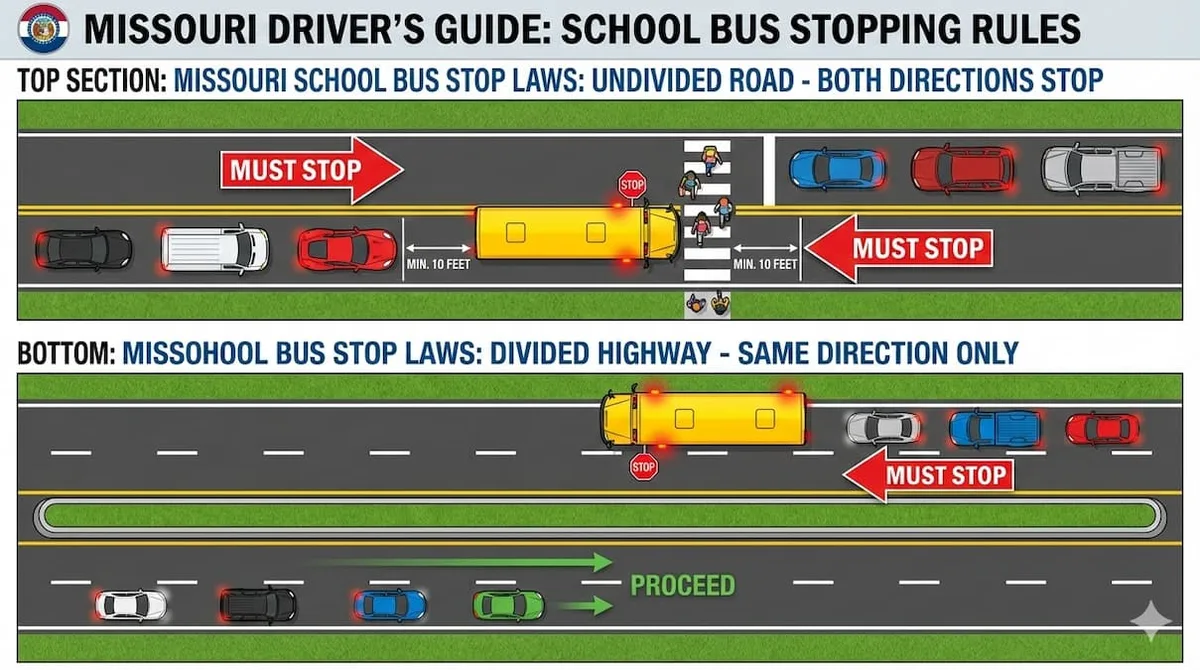
Kansas school bus stop law for divided highways and residential streets requires a full stop when the bus displays flashing red lights. On divided highways, only traffic moving in the same direction as the bus must stop. On residential streets, all traffic in both directions must stop.
Violations can result in fines over $300.
Why Kansas School Bus Stop Laws Matter for Safety
School buses are designed to keep children safe, but that only works if drivers follow the rules. Every year, illegal passes lead to preventable accidents. These laws exist to protect kids getting on and off the bus, especially in areas where visibility is limited.
Bing (Web (fair-use with source credit))
Kansas takes these violations seriously. A single mistake can result in fines, points on your license, or even a suspension.
The Quick Answer: When You Must Stop in Kansas
You must stop for a school bus with its red lights flashing and stop arm extended. This applies to all vehicles traveling in the same direction as the bus. The only exception is on divided highways, where traffic moving in the opposite direction may proceed with caution.
On residential streets, the rule is absolute. All traffic, regardless of direction, must come to a complete stop. This ensures children can cross safely without worrying about oncoming cars.
Divided Highways vs. Residential Streets: The Key Difference
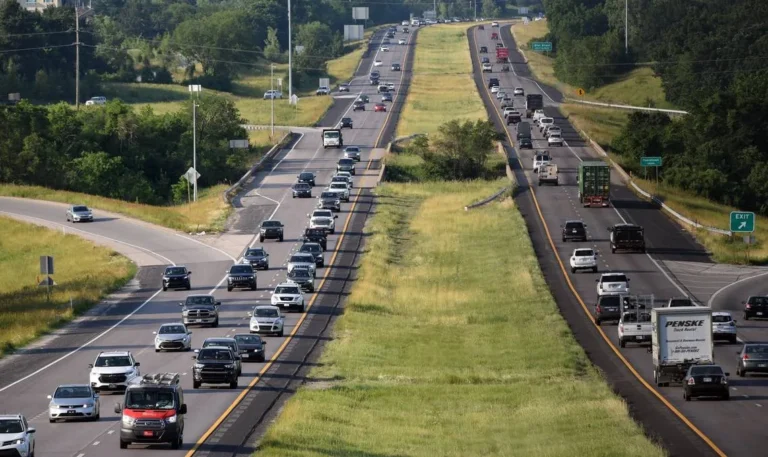
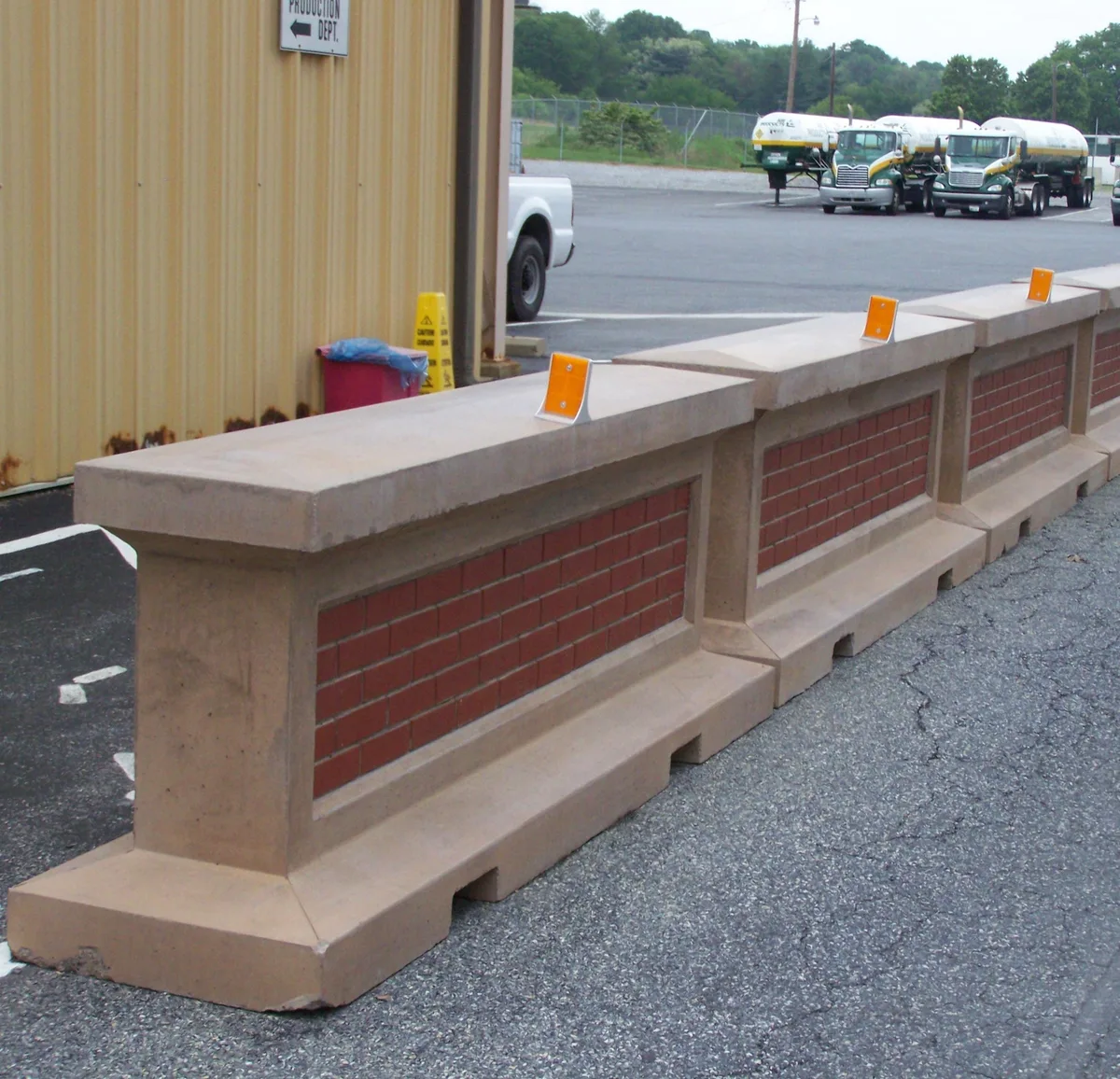
The biggest point of confusion is the divided highway rule. In Kansas, a divided highway has a physical barrier, like a median, grass strip, or concrete divider, separating traffic moving in opposite directions. If you’re on the opposite side of that barrier, you don’t have to stop for a school bus.
Bing (Web (fair-use with source credit))
Residential streets, however, are typically undivided. Here, all traffic must stop when a bus displays its red lights and stop arm. This includes two-lane roads, neighborhood streets, and any roadway without a physical barrier.
How Kansas School Bus Signals Work (Lights & Stop Arm)
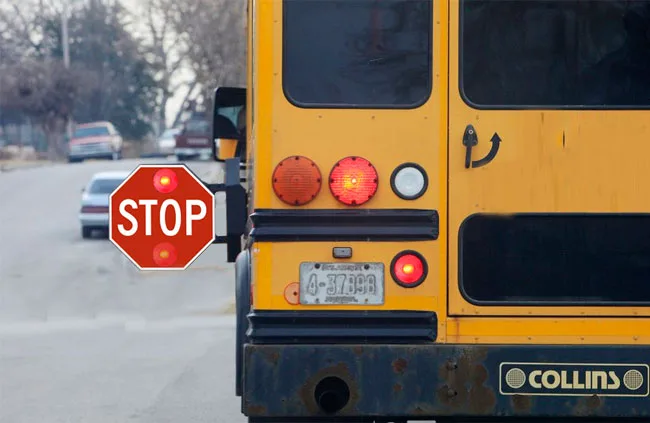
School buses use a universal signaling system. Yellow flashing lights mean the bus is preparing to stop, and drivers should slow down and prepare to stop. Red flashing lights and an extended stop arm mean the bus is actively loading or unloading children, and all required traffic must come to a full stop.
The stop arm is a critical visual cue. When extended, it confirms that the bus is stopped and children may be crossing. Ignoring this signal is not only illegal but also extremely dangerous.
When You Don’t Have to Stop on a Divided Highway
On a divided highway, only vehicles traveling in the same direction as the bus must stop. If you’re on the opposite side of a physical barrier, you can proceed, but only if it’s safe to do so. This rule exists because the barrier provides a layer of protection for children crossing.
However, caution is still required. Children can be unpredictable, and visibility may be limited. Always check for crossing kids before moving forward, even if the law technically allows you to pass.
The Exact Rules for Residential Streets and Undivided Roads
On residential streets and undivided roads, the rule is simple. All traffic in both directions must stop when a school bus displays flashing red lights and extends its stop arm. This applies even if you’re on the opposite side of the road.
Bing (Web (fair-use with source credit))
The stop must be complete. Rolling stops or slow crawls are still violations. You must remain stopped until the bus turns off its red lights and retracts the stop arm.
Penalties for Illegal Passing in Kansas (Fines & License Risks)
Passing a stopped school bus in Kansas carries serious consequences. The minimum fine is $315, but it can go higher depending on the circumstances. Courts may also add court costs and fees.

Bing (Web (fair-use with source credit))
Your license could also be at risk. A conviction may result in a 60-day suspension. Repeat offenses can lead to longer suspensions and higher fines.
Common Mistakes Drivers Make (And How to Avoid Them)
Many drivers assume the rules are the same everywhere. They’re not. Kansas has specific requirements for divided highways that differ from other states.
Another mistake is misjudging the stop arm. Some drivers think they can pass if the arm isn’t fully extended. That’s incorrect.
The flashing red lights alone are enough to require a stop.
Real-Life Scenarios: What to Do in These Situations
You’re on a divided highway and see a school bus stopped on the opposite side. The median is a grass strip. You can proceed, but watch for children who might dart across.
You’re on a two-lane residential street. A school bus stops ahead with red lights flashing. You must stop, even if you’re going the opposite direction.
Kansas School Bus Law FAQs
Do I have to stop if the bus is on the other side of a divided highway?
No. If there’s a physical barrier separating traffic, only vehicles traveling in the same direction as the bus must stop.
What’s the minimum stopping distance from a school bus?
Kansas law requires you to stop at least 20 feet away from the bus. This gives children a safe buffer to enter or exit.
Can I pass a school bus with yellow flashing lights?
No. Yellow flashing lights mean the bus is about to stop. You should slow down and prepare to stop.
What happens if I pass a stopped school bus illegally?
You’ll face a fine of at least $315. Your license may also be suspended for 60 days.
Are the rules different for private roads?
Yes. School bus stop laws typically apply only to public roads. Private roads may have different rules set by the property owner.
Final Checklist: Are You Following the Law Correctly?
Stop completely when you see flashing red lights and an extended stop arm. This applies to all traffic on undivided roads and same-direction traffic on divided highways.
Maintain at least 20 feet of distance between your vehicle and the bus. Never creep forward or attempt to pass while children are boarding or exiting.
Watch for yellow flashing lights. These indicate the bus is about to stop, so you should slow down and prepare to stop.