ByMax Lee
Kansas Vehicle Bill of Sale Requirements Without Title
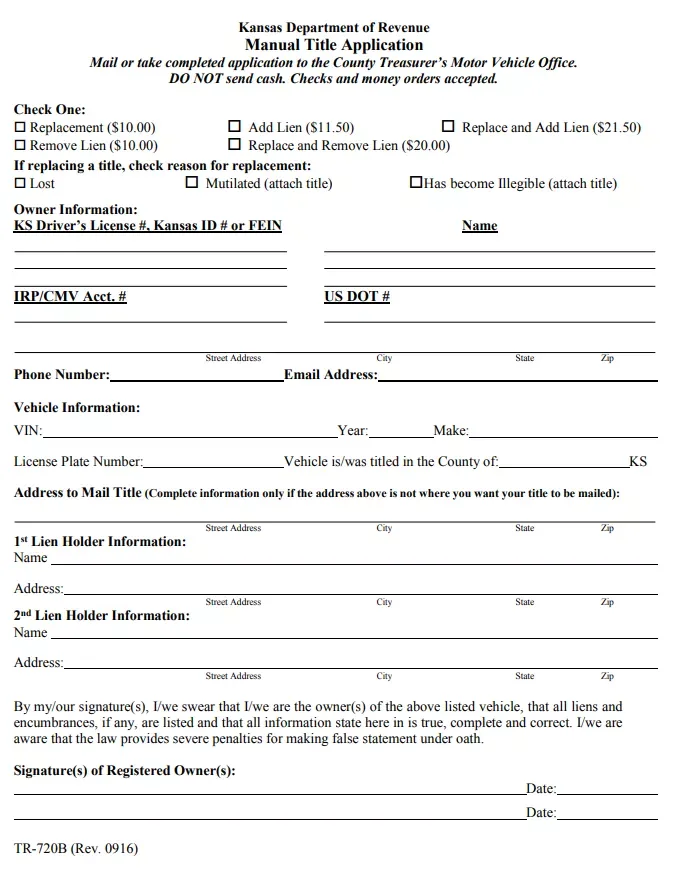
Buying a car without a title in Kansas is risky, but it’s not impossible. The Kansas bill of sale requirements for vehicles purchased without title space depend on whether the seller can prove ownership and what paperwork you can provide to the Department of Revenue.
Kansas law requires a title for most transfers, but a properly completed bill of sale is your first step if the title is missing. As of 2026, the state accepts a notarized bill of sale in certain cases, though you’ll often need additional forms like an Affidavit of Ownership.
Wikimedia Commons / Mooney Aircraft Inc
Quick Answer
A Kansas bill of sale is required for vehicles purchased without a title. It must include buyer and seller names, addresses, VIN, sale price, and date. Notarization is often required if the title is missing.
You’ll still need to apply for a bonded title if ownership can’t be proven.
Why a Title Matters (and When a Bill of Sale Isn’t Enough)
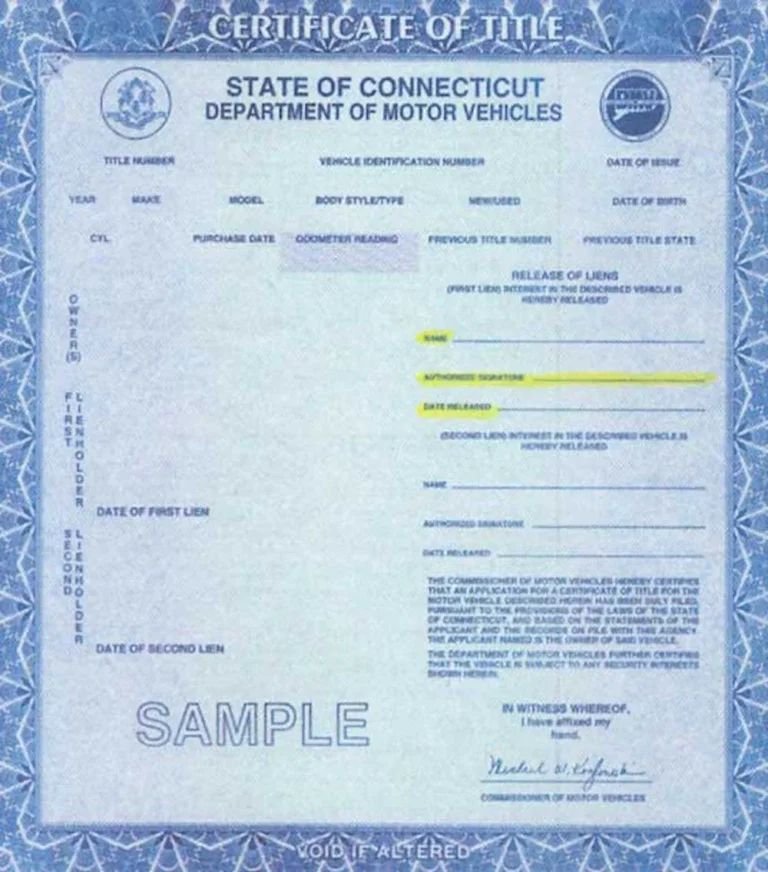
A title is the legal proof of ownership in Kansas. Without it, a bill of sale alone doesn’t transfer ownership or let you register the vehicle. The state treats a missing title as a red flag, often requiring extra steps to prevent fraud.
A bill of sale works as a temporary record of the transaction, but it’s not a substitute for a title. If the seller can’t produce one, you’ll need to file for a bonded title or prove ownership through other means.
Wikimedia Commons / War Department. The Adjutant General's Office. 3/4/1907-9/18/1947
Kansas also uses the title to track liens, odometer readings, and vehicle history. Without it, you risk buying a stolen car or one with hidden debts. Always verify the VIN through the National Insurance Crime Bureau before proceeding.
Kansas’ Official Stance on Vehicles Without a Title
Kansas doesn’t recognize a bill of sale as proof of ownership. The Department of Revenue requires a title for registration, but they do provide a path forward if it’s missing.
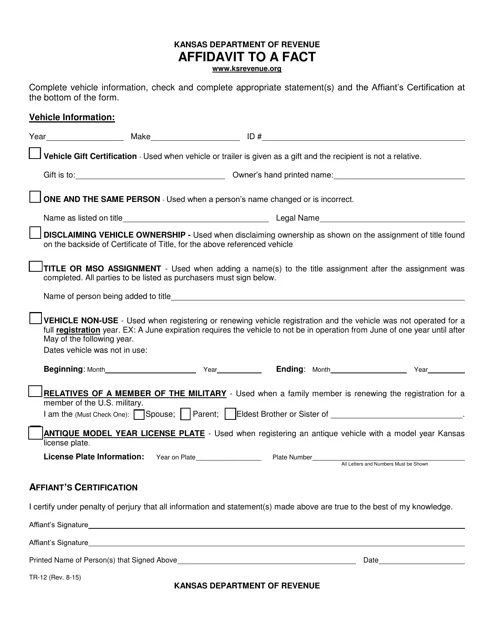
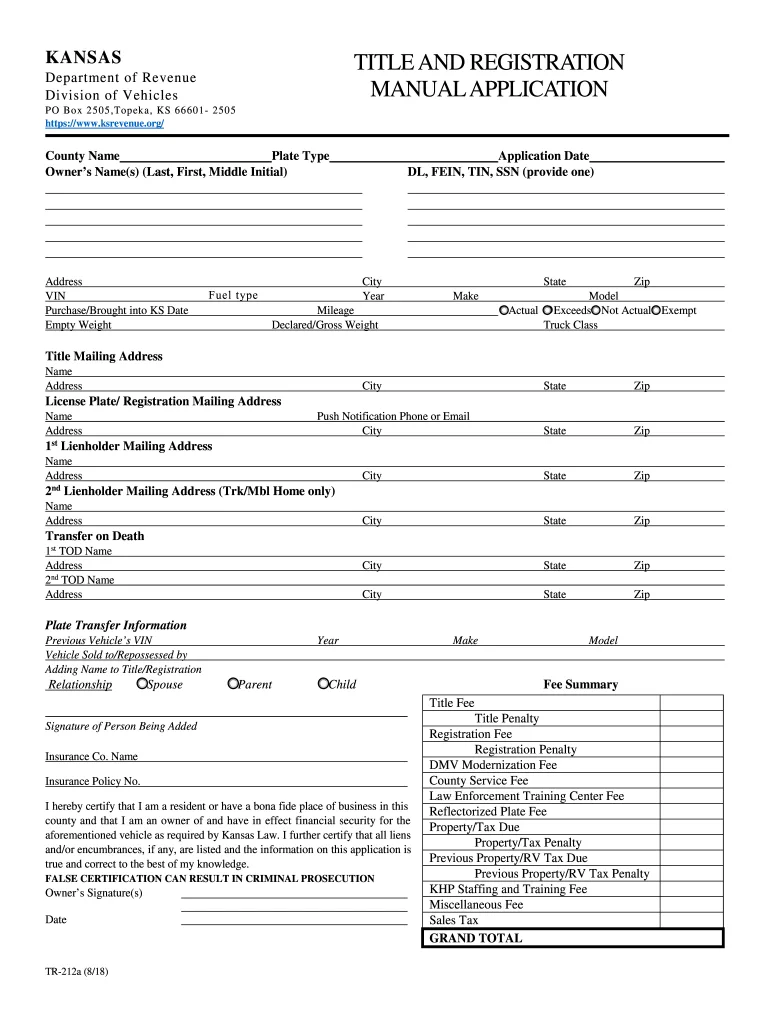
If the title is lost, the seller can apply for a duplicate before the sale. If that’s not possible, you’ll need to file an Affidavit of Ownership (Form TR-39) and possibly a surety bond. The process varies depending on whether the vehicle was last titled in Kansas or another state.
The state’s goal is to prevent title washing and fraud. That’s why they scrutinize transactions without a title more closely. You’ll need to provide as much documentation as possible to satisfy their requirements.
The 3 Scenarios Where You’ll Need a Bill of Sale (and What Else to Do)
Scenario 1: Seller Lost the Title (But Owns the Vehicle)
If the seller misplaced the title but legally owns the car, they can request a duplicate from the Kansas DOR. This is the simplest solution and avoids extra steps for you.
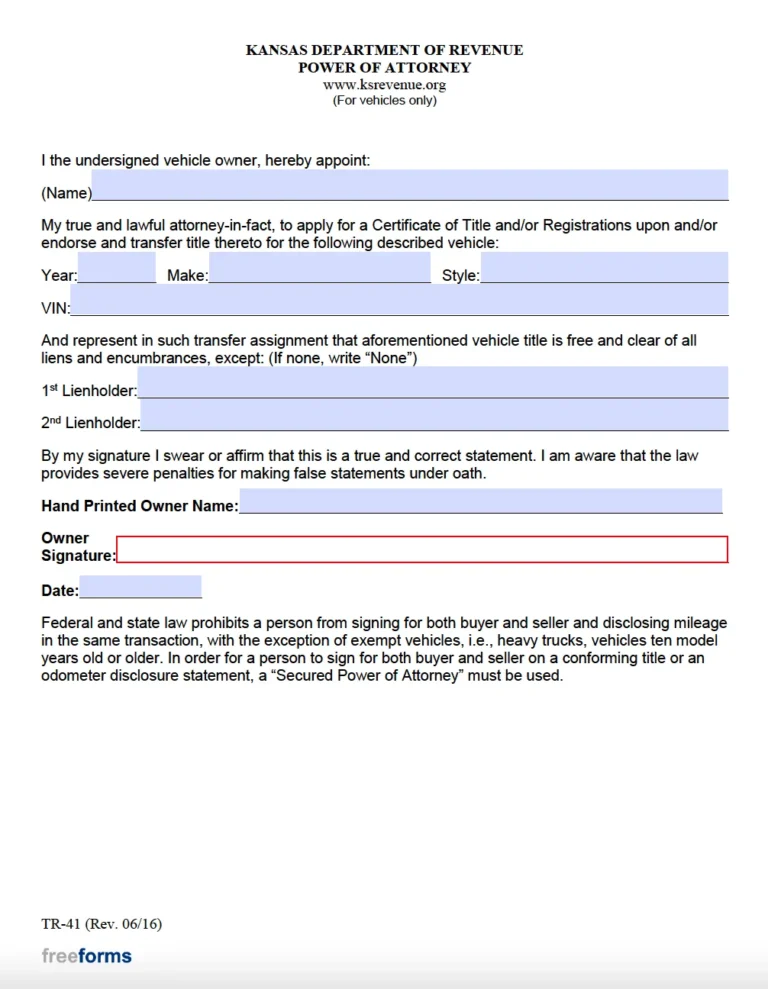
If time is tight, the seller can sign a power of attorney (Form TR-213) allowing you to apply for the duplicate title on their behalf. You’ll still need the bill of sale, but this speeds up the process.
Without a duplicate title, you’ll need the seller to complete an Affidavit of Ownership. This form requires notarization and may delay registration.
Scenario 2: Vehicle Has a Lien (Title Held by Bank)
If the vehicle has a lien, the title is held by the lender until the loan is paid off. The seller must provide a lien release letter from the bank along with the bill of sale.
Without the lien release, you can’t transfer the title into your name. Some lenders provide a digital release, but Kansas may require a physical copy. Always confirm with the lender before purchasing.
If the seller can’t obtain the lien release, walk away. Buying a vehicle with an active lien means you could lose the car if the seller defaults on the loan.
Scenario 3: No Title Exists (Abandoned, Salvage, or Never Titled)
For vehicles that were never titled or have an unknown ownership history, Kansas requires a bonded title. This involves purchasing a surety bond for the vehicle’s value and filing additional paperwork.
The bonded title process starts with a vehicle inspection by law enforcement or a licensed dealer. You’ll need to submit the inspection report, bill of sale, and Affidavit of Ownership to the DOR.
The bond typically costs 1-2% of the vehicle’s value and protects against ownership disputes. If no one challenges your claim within 3 years, you can apply for a regular title.
Bing (Web (fair-use with source credit))
Step-by-Step: How to Complete a Kansas Bill of Sale Without a Title
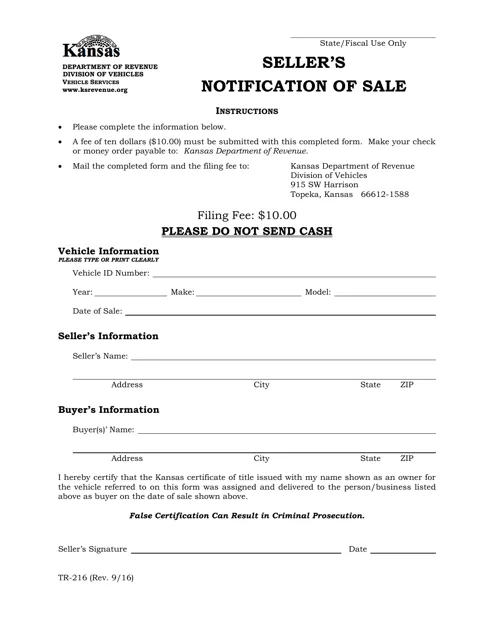
Start with the correct form. Kansas doesn’t provide an official bill of sale template, but you can use a generic form as long as it includes all required fields.
Required information:
- Full legal names and addresses of buyer and seller
- Vehicle details: make, model, year, VIN, and odometer reading
- Sale price and date of transaction
- Signatures of both parties (notarized if the title is missing)
If the vehicle has no title, add a statement explaining why. For example: “Title lost” or “Vehicle never titled.” This helps the DOR understand your situation.
Have the form notarized if the title is missing. While not always required, notarization adds credibility and may prevent delays.
What Must Be on the Bill of Sale (or Kansas Will Reject It)
Kansas requires specific details on every bill of sale. Missing any of these will get your paperwork sent back.
Mandatory fields:
- Full legal names of buyer and seller
- Current addresses for both parties
- Complete vehicle description: make, model, year, body style
- Vehicle Identification Number (VIN)
- Odometer reading at time of sale
- Sale price (even if $0)
- Date of transaction
- Signatures of both buyer and seller
If the vehicle has no title, add a clear statement explaining why. Use phrases like "Title lost" or "Never titled in Kansas." This helps the DOR process your application faster.
Notarization isn't always required but it's strongly recommended when no title exists. Some counties insist on it for vehicles without titles.
Notarization in Kansas: When It’s Required (and When It’s Not)
Notarization adds legal weight to your bill of sale. Kansas doesn't mandate it for every transaction but certain situations demand it.
You'll need notarization if the seller can't provide a title. This protects both parties from fraud claims. The notary verifies identities and confirms the signatures are genuine.
For vehicles with a title, notarization is optional but still wise. It costs little and prevents disputes later. Most banks and shipping stores offer notary services for under $15.
The Bonded Title Process: Your Backup Plan If There’s No Title
When a title is truly unavailable, Kansas offers the bonded title route. This is your legal safety net for vehicles with unclear ownership.
First, get a surety bond for 1.5 times the vehicle's value. The bond protects against ownership claims for three years. If no one challenges your ownership, you can convert it to a regular title.
Required steps:
- Complete a vehicle inspection by law enforcement
- File Form TR-39 (Affidavit of Ownership)
- Submit the surety bond
- Pay all applicable fees
The inspection verifies the VIN and vehicle details. You'll need to visit a Kansas Highway Patrol office or authorized dealer.
Bing (Web (fair-use with source credit))
Bond costs vary but typically run 1-2% of the bond amount. For a $5,000 car, expect to pay $50-$100 for the bond.
Common Mistakes That Get Your Paperwork Rejected
Missing signatures is the top reason for rejection. Both buyer and seller must sign the bill of sale. Unsigned documents are automatically denied.
Incomplete vehicle descriptions cause delays. Always include make, model, year, and VIN. Omitting any of these will send your paperwork back.
Other common errors:
- Mismatched VINs between documents
- Missing odometer reading
- No sale price listed
- Illegible handwriting
- Using white-out or corrections
If the seller's name doesn't match the title (when available), the DOR will reject it. The name on the bill of sale must match the name on the title exactly.
How to Verify the Vehicle Isn’t Stolen (Before You Buy)
Always check the VIN before purchasing. A stolen vehicle will cause legal trouble and financial loss.
Use the National Insurance Crime Bureau's VINCheck to verify the vehicle isn't reported stolen. This free service also checks for salvage records.
Bing (Web (fair-use with source credit))
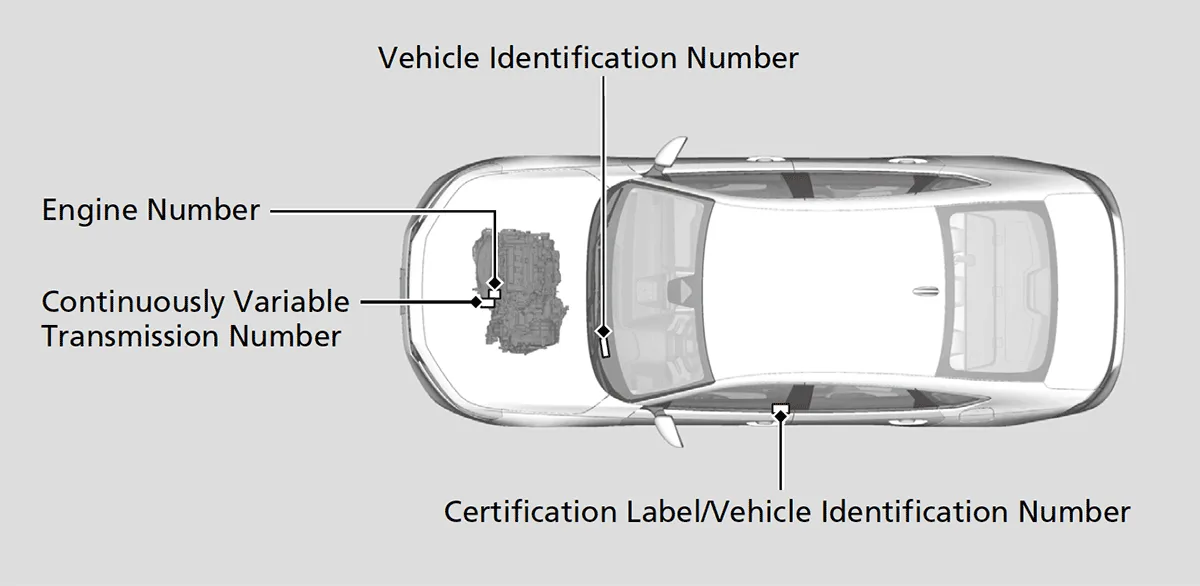
Where to find the VIN:
- On the dashboard near the windshield (visible from outside)
- On the driver's side door jamb
- On the engine block
If the VIN has been tampered with or doesn't match the documents, walk away. This is a red flag for theft or fraud.
Costs, Fees, and Timelines You Should Expect
Kansas charges a $10 fee for a duplicate title. If you need a bonded title, add the cost of the surety bond (typically 1-2% of the vehicle's value).
Registration fees vary by vehicle type and weight. Passenger vehicles cost $30-$50 for a one-year registration. Add $8 for the title fee if you're transferring ownership.
Processing times:
- Duplicate title: 7-10 business days
- Bonded title: 30 days (after inspection and bond submission)
- Registration: Same day if all paperwork is complete
County fees may apply. Some counties charge an additional $1-$5 for processing.
FAQs About Kansas Vehicle Purchases Without a Title
Can I register a car in Kansas with just a bill of sale?
No. Kansas requires a title for registration. A bill of sale alone isn't sufficient.
You'll need to obtain a duplicate title or go through the bonded title process.
What if the seller refuses to get a duplicate title?
Walk away from the deal. Without a title or the seller's cooperation, you can't legally register the vehicle.
How much does a bonded title cost in Kansas?
The surety bond typically costs 1-2% of the vehicle's value. For a $5,000 car, expect to pay $50-$100. The DOR also charges a $10 title fee.
Can I drive the car while waiting for the bonded title?
No. You can't legally drive an unregistered vehicle in Kansas. You'll need to trailer it or have it towed until the title process is complete.
What if the VIN is missing or altered?
Report it to law enforcement immediately. A missing or altered VIN is a red flag for theft. Kansas won't process a title application for vehicles with tampered VINs.
Final Decision Guide: What to Do Based on Your Situation
If the seller has the title, get it transferred to your name. This is the simplest and safest option.
If the title is lost, have the seller request a duplicate before the sale. This takes 7-10 days but avoids complications.
If the seller can't get a duplicate title, use the bonded title process. This requires a surety bond and inspection but lets you legally register the vehicle.
If the vehicle has a lien, get a lien release from the bank. Without it, you can't transfer the title.
If there's no title and the seller can't prove ownership, walk away. The risk of fraud or legal issues isn't worth the hassle.