ByMax Lee
Kansas Vehicle Tax: Age & Value Calculation Guide
Wikimedia Commons / Absecon 49 (CC BY-SA)
Kansas annual vehicle property tax calculation based on age and value starts with your car’s original MSRP and applies a state depreciation schedule. It’s not a flat fee, so the same car can cost different amounts in different counties.
The Kansas Department of Revenue sets the base value, then your county’s mill levy finishes the math. Get it wrong and you risk penalties or overpayment.
Quick Answer
Kansas annual vehicle property tax calculation based on age and value uses MSRP. Depreciation factors drop the value each year. The state assessment rate is 30%.
Local mill levies then set the final tax.
The Core Formula: MSRP, Depreciation, Assessment Rate, and Mill Levy
The process has four parts. First is the vehicle’s original MSRP from the manufacturer. Second is the age-based depreciation factor from the Kansas Department of Revenue.
Wikimedia Commons / Designed and published by the Kansas Department of Transportation.
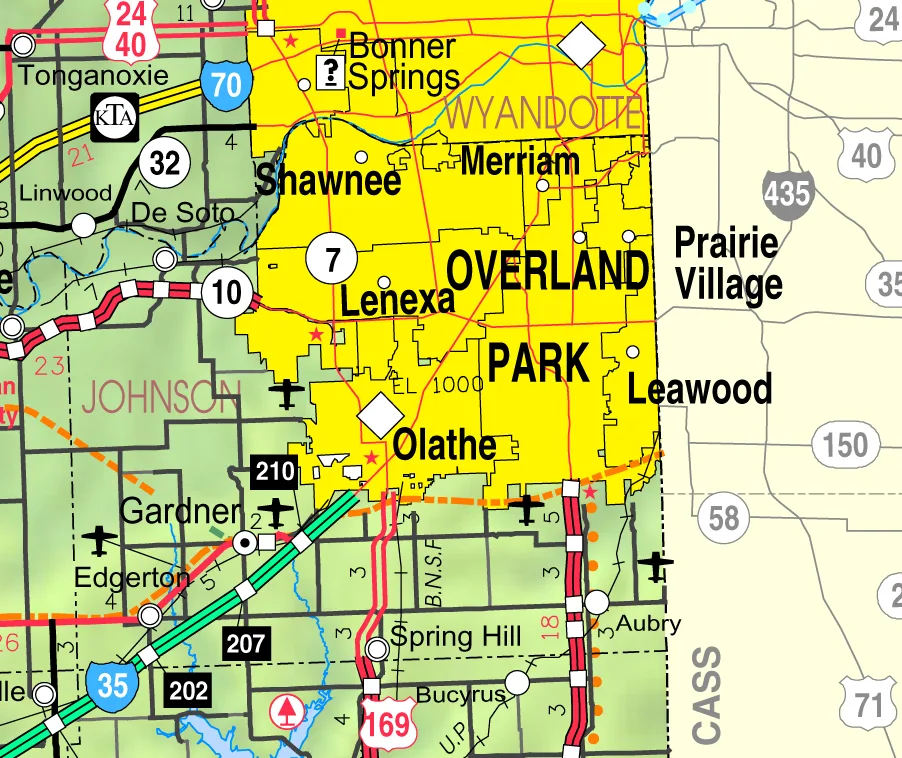
Third is the state assessment rate, which is 30% for vehicles. Fourth is your county’s mill levy, which varies by location.
Here’s how they connect. The MSRP is reduced by the depreciation factor. That result is multiplied by 30%.
The final step multiplies by your mill levy divided by 1,000.
Step-by-Step: Calculate Your Annual Kansas Vehicle Property Tax
Start with the original MSRP. You can find this on the window sticker or in the Kansas Vehicle Valuation Manual.

Wikimedia Commons / Ystokyo
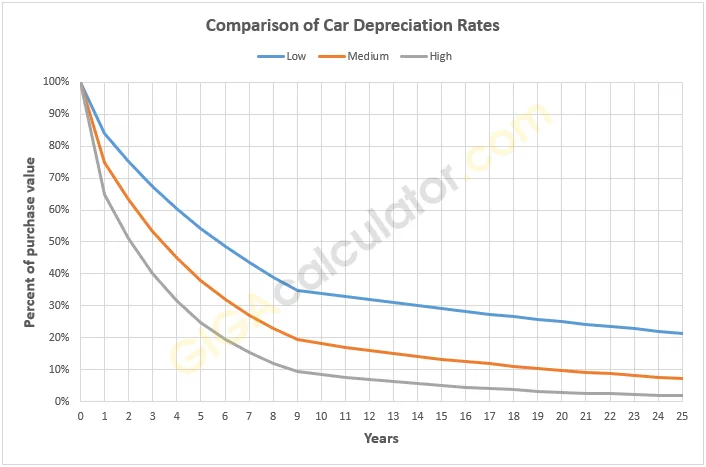
Next, apply the depreciation factor. The Kansas Department of Revenue publishes a table by model year. For example, a 2020 car might use 70% of MSRP in 2026.
Multiply the depreciated value by 30%. This is the assessed value. Then multiply by your county’s mill levy divided by 1,000.
Real Cost Examples by Vehicle Age and County
Let’s use a 2020 sedan with a $25,000 MSRP. In 2026, the depreciation factor is 70%. The assessed value is $25,000 × 0.70 × 0.30 = $5,250.
In a county with a 100 mill levy, the tax is $5,250 × 0.100 = $525.
Bing (Web (fair-use with source credit)
In a county with a 150 mill levy, the same car costs $787.50. The difference comes from the local mill rate.
Why Getting Your Kansas Vehicle Property Tax Right Protects Your Wallet
Wrong numbers mean wrong payments. Use the wrong MSRP and your base is off. Miss the depreciation factor and the assessed value is incorrect.
Late payments add penalties. In Kansas, delinquent taxes accrue interest. Your registration can also be suspended until the tax is paid.
Common Mistakes That Inflate or Trigger Kansas Tax Bills
Using resale value instead of MSRP throws off the base. The state only accepts the original manufacturer’s suggested retail price.
Forgetting the county mill levy means missing the biggest variable. Two identical cars in different counties can have different taxes.
Mixing up property tax with registration fees creates confusion. They’re separate charges with different rules.
How to Appeal a Wrong Kansas Vehicle Valuation
File with your county appraiser first. You’ll need proof the MSRP or model year is incorrect.
The appeal window is usually 30 days after the assessment notice. Check your county’s exact deadline.
Bring documentation like the original window sticker or dealer invoice. The appraiser will compare it to their records.
Legal Deadlines, Penalties, and Compliance Rules
Kansas requires payment before registration renewal. Drive with expired tags and you risk a citation.
Late payments add interest at 1% per month. Some counties charge additional penalties.
The state can suspend your registration until taxes are paid. You’ll also owe reinstatement fees.
Who Pays What: Use Cases for New Residents, Fleets, and Used Buyers
New residents have 90 days to register and pay taxes. The clock starts when you establish residency.
Fleet owners pay for each vehicle separately. The process is the same but scaled up.
Used car buyers still use the original MSRP. The age-based depreciation adjusts for the model year.
Expert Tips to Plan Next Year's Vehicle Tax Before You Buy
Check the depreciation table before purchasing. Older models cost less in tax.
Compare mill levies if you’re moving. A lower rate can save hundreds annually.
Factor the tax into your budget. It’s an annual cost on top of insurance and fuel.
Frequently Asked Questions
What is the Kansas vehicle property tax rate?
The state assessment rate is 30%. Your county’s mill levy then determines the final tax. Multiply the assessed value by the mill rate divided by 1,000.
How does vehicle age affect the tax?
Older cars use a lower depreciation factor. A 5-year-old car might be assessed at 60% of its original MSRP. The state publishes the exact percentages annually.
Can I pay the tax online?
Most counties offer online payment through the treasurer’s website. Check your county’s portal for options. Some accept credit cards for a small fee.
What happens if I don’t pay on time?
Late payments accrue 1% interest per month. Your registration can be suspended. You’ll also owe reinstatement fees to get back on the road.
Do electric vehicles get a discount?
No, the tax is based on value and age, not fuel type. However, some counties may have different mill levies. The calculation method remains the same.