ByMax Lee
Louisiana Farm Tractor Road Rules & Safety Requirements
Louisiana farm tractors using public roads must comply with lighting, slow-moving vehicle emblem, and safe-operation requirements. These rules exist to prevent accidents when agricultural equipment shares the road with faster traffic. As of 2026, Louisiana law follows federal standards that mandate specific visibility measures for slow-moving vehicles.
Non-compliance isn’t just risky, it’s illegal. The Louisiana Department of Transportation and Development (LA DOTD) enforces these regulations, and violations can result in fines or collisions.
Quick Answer
Louisiana farm tractors using public roads must comply with lighting, slow-moving vehicle emblem, and safe-operation requirements. They need amber flashing lights, red rear reflectors, and a fluorescent orange SMV triangle. Maximum road speed is typically capped at 25, 35 mph.
The SMV emblem must be mounted 3, 5 feet above the road.
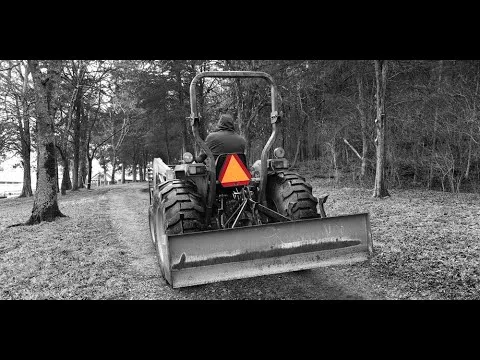
YouTube / Iron Solutions (YouTube thumbnail (fair-use with source credit))
Why Louisiana’s Tractor Road Rules Matter for Safety & Compliance
Farm tractors aren’t built for highway speeds. When they share public roads with cars and trucks, the risk of rear-end collisions skyrockets without proper warnings. Louisiana’s rules address this by making tractors visible from a distance, day or night.
The state’s regulations align with the American Society of Agricultural and Biological Engineers (ASABE) standards. These aren’t suggestions, they’re legal requirements designed to protect farmers, drivers, and pedestrians alike.
The Core Requirements: What Louisiana Law Demands
Louisiana Revised Statute (RS) 32:329 outlines the basics. Every farm tractor on public roads must have:
- Lighting: At least two white headlights and two red taillights, plus amber flashing lights visible from 500 feet in daylight.
- Reflectors: Red reflectors on the rear and amber on the sides, visible at night.
- SMV Emblem: A fluorescent orange triangle with a red border, mounted 3, 5 feet above the road.
These aren’t optional. The LA DOTD enforces compliance, and local law enforcement can issue citations for missing or improper equipment.
Lighting Specifications for Farm Tractors on Public Roads
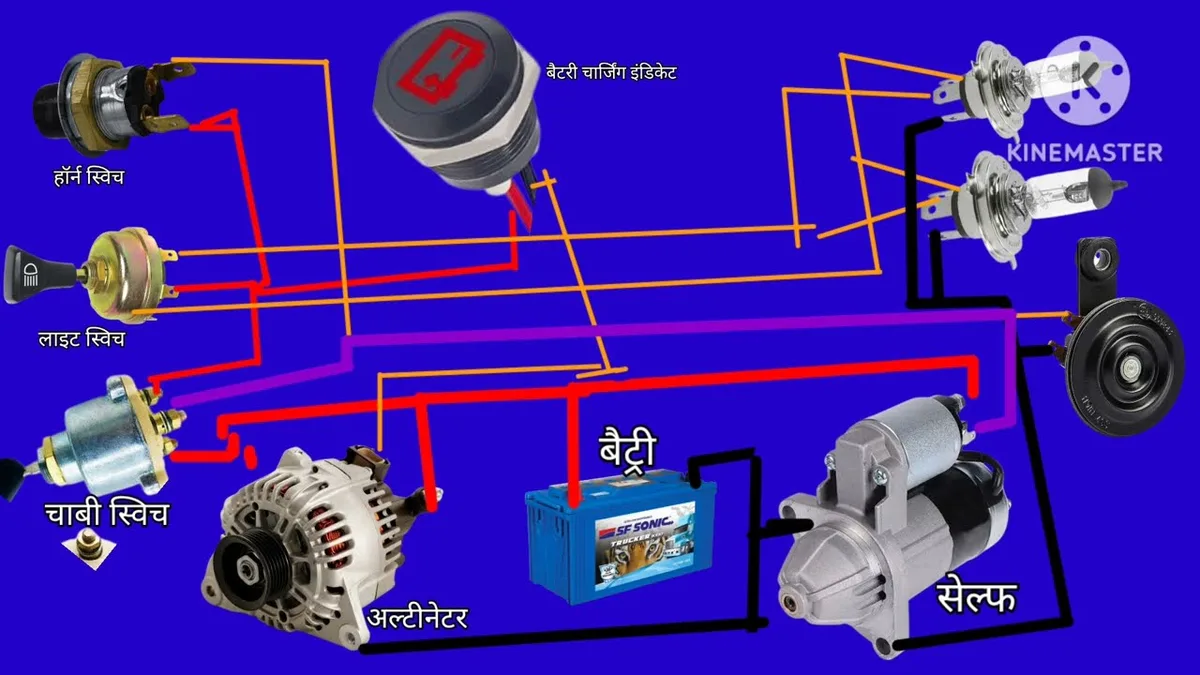
Tractor lighting must meet visibility standards to alert other drivers. Here’s what’s required:
| Light Type | Color | Visibility Range | Placement |
|---|---|---|---|
| Headlights | White | 500 ft | Front, symmetrical |
| Taillights | Red | 500 ft | Rear, symmetrical |
| Flashing Lights | Amber | 500 ft (day/night) | Highest point possible |
| Side Reflectors | Amber | 500 ft (night) | Both sides |
| Rear Reflectors | Red | 500 ft (night) | Rear, symmetrical |
Manufacturer specs often exceed these minimums, but Louisiana law sets the floor. If your tractor lacks factory-installed lights, aftermarket kits must meet the same standards.
YouTube / चौधरी बैटरी इलेक्ट्रिकल्स (YouTube thumbnail (fair-use with source credit))
Slow-Moving Vehicle (SMV) Emblem: Placement, Size, and Visibility
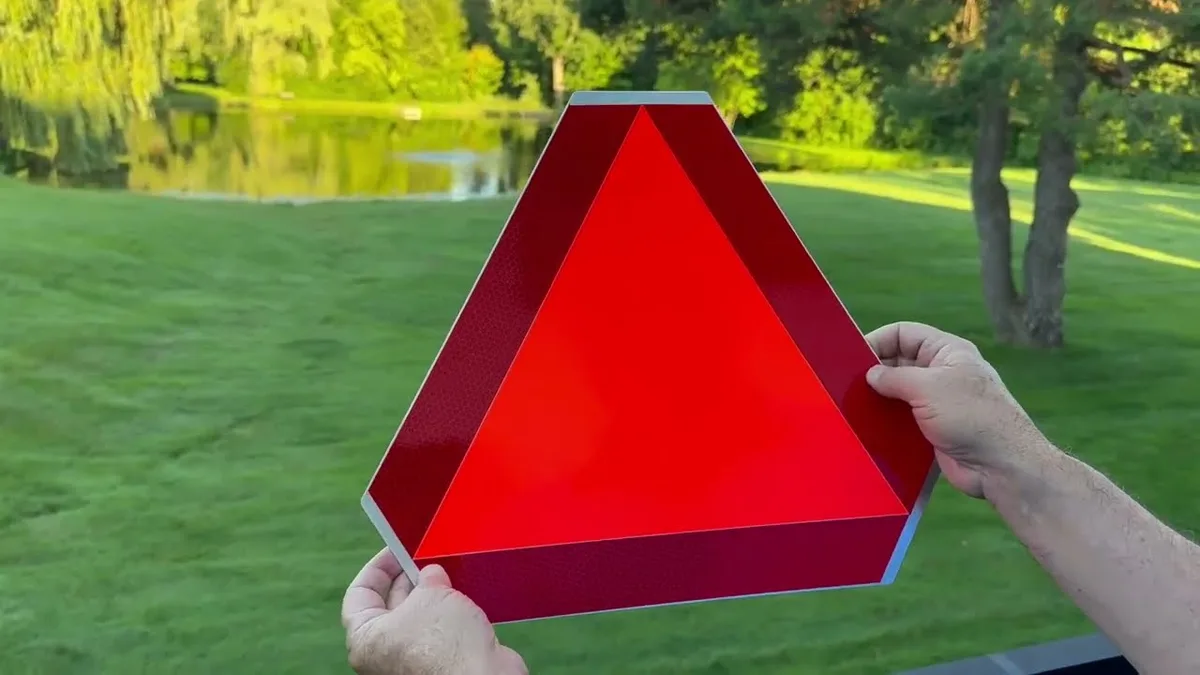
The SMV emblem is your tractor’s most critical safety feature. It’s a bright orange triangle with a red border, designed to catch a driver’s eye from a distance.
- Size: Minimum 14.6 inches per side.
- Placement: Mounted vertically, 3, 5 feet above the road, at the rear of the tractor or towed equipment.
- Condition: Must be clean and unobstructed. Faded or damaged emblems don’t meet legal standards.
This isn’t just a Louisiana rule, it’s a federal requirement under the Federal Motor Vehicle Safety Standards (FMVSS). Replacing a worn emblem is cheap insurance against accidents and fines.
YouTube / Highly Recommended Products (YouTube thumbnail (fair-use with source credit))
Safe-Operation Rules You Can’t Ignore
Operating a tractor on public roads requires more than just proper equipment. You must follow safe-operation practices to avoid accidents and legal trouble.
Always signal turns well in advance. Tractors move slowly, so other drivers need extra time to react. Avoid sudden stops or lane changes, and never operate a tractor under the influence of alcohol or drugs.
Speed Limits and Road-Sharing Best Practices
Louisiana doesn’t set a single statewide speed limit for tractors. Instead, local parishes often enforce caps between 25 and 35 mph. Check with your parish for specific rules.
When sharing the road, stay as far right as safely possible. If traffic builds up behind you, pull over at the first safe opportunity to let vehicles pass. This isn’t just courteous, it’s a safety measure that reduces frustration and risk.

YouTube / KWQC News (YouTube thumbnail (fair-use with source credit))
Common Mistakes That Lead to Fines or Accidents
Many farmers assume their tractor’s factory lighting is enough. It often isn’t. Aftermarket modifications or wear can reduce visibility, putting you in violation.
Another frequent issue is improper SMV emblem placement. Mounting it too low or obscuring it with equipment renders it ineffective. Inspect your emblem regularly for fading or damage.
Step-by-Step: How to Inspect Your Tractor Before Road Use
Start with the basics. Check that all lights are functional, including headlights, taillights, and amber flashing lights. Replace any burnt-out bulbs immediately.
Next, verify the SMV emblem is clean, unobstructed, and mounted at the correct height. Then, test your brakes and turn signals. A quick pre-trip inspection takes minutes but prevents costly mistakes.
Parish-Specific Rules and Local Variations
Louisiana’s tractor laws are consistent at the state level, but parishes can add their own rules. Some rural areas may have lower speed limits or additional lighting requirements.
Contact your local LA DOTD office or parish government for specifics. When in doubt, over-comply. It’s better to exceed the minimum requirements than to risk a citation or accident.
What Happens If You’re Not Compliant?
Fines start at $50 for missing or improper lighting. They can climb to $200 or more for repeat offenses or if the violation contributes to an accident.
Worse than the fine is the liability. If your tractor causes a collision due to non-compliance, you could face lawsuits and higher insurance premiums. The legal and financial risks far outweigh the cost of proper equipment.
Expert Tips to Stay Safe and Legal
Use LED lights for better visibility. They’re brighter and last longer than traditional bulbs. Just ensure they meet Louisiana’s color and placement requirements.
Carry spare bulbs and a clean SMV emblem in your tractor. If a light burns out or the emblem gets dirty during a long day, you can fix it on the spot. A quick wipe or replacement takes minutes but keeps you legal.
Where to Find Official Louisiana Guidelines
The LA DOTD website publishes the full regulations. Your local parish clerk’s office can also provide printed copies of ordinances.
For federal standards, check the ASABE’s slow-moving vehicle guidelines. These documents clarify the minimum requirements that Louisiana adopts.
Frequently Asked Questions
Do I need a SMV emblem if my tractor has flashing lights?
Yes. The SMV emblem is required regardless of lighting. Flashing lights help, but the emblem is the primary visual cue for other drivers.
How high must the SMV emblem be mounted?
Between 3 and 5 feet above the road surface. This ensures visibility to drivers of cars and trucks.
Can I use reflective tape instead of an SMV emblem?
No. Reflective tape doesn’t meet Louisiana’s legal requirements. Only the official fluorescent orange triangle with red border is acceptable.
What’s the minimum speed for tractors on public roads?
There’s no minimum, but tractors must stay as far right as possible. If you’re moving too slowly for traffic, pull over to let vehicles pass.
Are there different rules for nighttime operation?
The lighting requirements are the same day and night. However, ensure all lights are working and clean for maximum visibility after dark.