ByMax Lee
Louisiana Slow-Moving Vehicle Laws: Markings & Yielding
Louisiana slow-moving vehicles must use required markings and move aside when reasonably possible to allow traffic to pass. These rules exist to prevent accidents and keep traffic flowing smoothly on rural roads and highways. Per Louisiana Revised Statute 32:329, any vehicle traveling under 25 mph must display a reflective orange SMV emblem.
As of 2026, non-compliance can result in fines and increased collision risks. The law is clear, but many drivers and operators still get the details wrong.
Quick Answer
Louisiana slow-moving vehicles must use required markings and move aside when reasonably possible to allow traffic to pass. The SMV emblem is a reflective orange triangle. It must be mounted on the rear of the vehicle.
Operators must pull over when safe to let faster traffic pass. These rules apply to tractors, construction equipment, and other slow vehicles.
Why These Rules Exist (And Why They Matter)
Slow-moving vehicles create natural bottlenecks on roads shared with faster traffic. Without clear markings, drivers can’t anticipate delays, leading to rear-end collisions. Louisiana’s laws address this by enforcing visibility and yielding requirements.
The National Highway Traffic Safety Administration reports that rural roads see a disproportionate number of crashes involving slow-moving vehicles. Louisiana’s rules align with federal guidelines to reduce these incidents.
YouTube / AgrBioEngineering (YouTube thumbnail (fair-use with source credit))
The Two Key Requirements for Slow-Moving Vehicles in Louisiana
Required Markings: The SMV Emblem and Visibility Standards
Every slow-moving vehicle must display a reflective orange triangle, known as the SMV emblem. The emblem must meet Federal Motor Vehicle Safety Standard No. 108, which requires a minimum size of 14 inches per side. It should be mounted at a height of 2 to 6 feet from the ground for maximum visibility.
The emblem’s reflective material ensures it’s visible in low light and at night. Without it, vehicles traveling under 25 mph are nearly invisible to faster-moving traffic.
YouTube / Idaman71044 (YouTube thumbnail (fair-use with source credit))
The "Move Aside" Rule: When and How to Yield
Louisiana law requires slow-moving vehicles to pull over when it’s reasonably possible to let traffic pass. This doesn’t mean stopping in unsafe conditions, like on a blind curve or narrow shoulder. The rule applies when there’s enough space to safely move aside without endangering the operator or other drivers.
The key phrase here is "reasonably possible." If the road has a wide shoulder or a designated pull-off area, operators must use it. On two-lane roads with no safe space, the vehicle should continue at its normal speed until a safe spot appears.
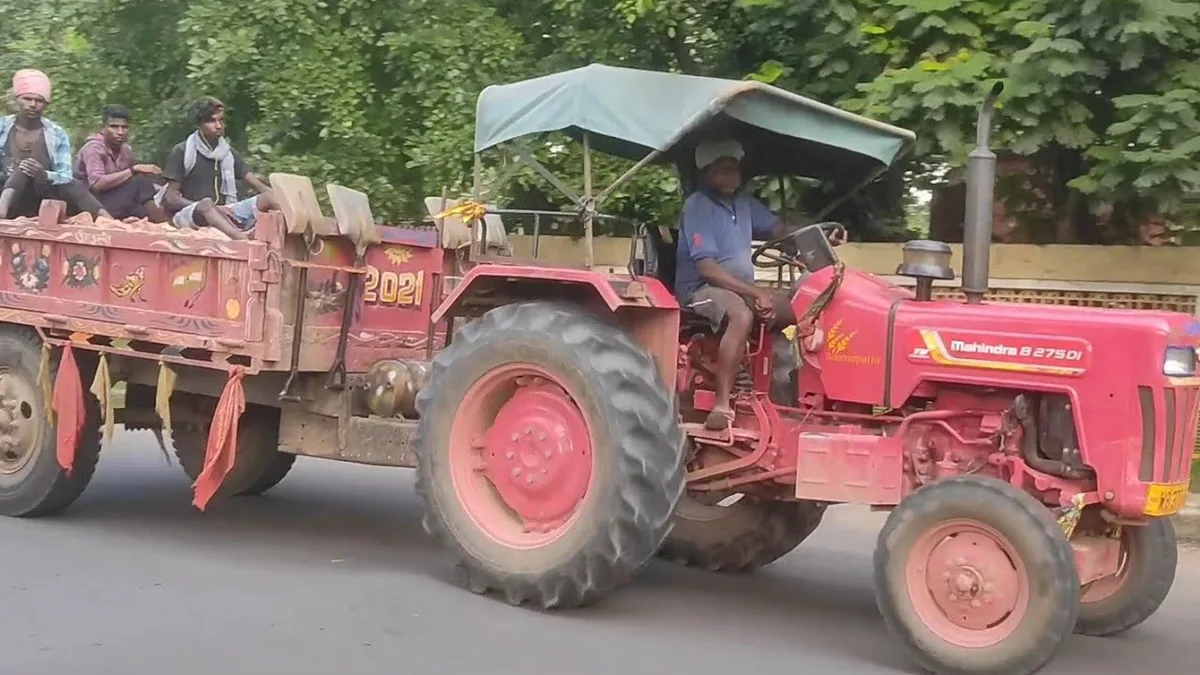
YouTube / trainjourney (YouTube thumbnail (fair-use with source credit))
Who and What Counts as a Slow-Moving Vehicle
Louisiana defines slow-moving vehicles as those traveling at 25 mph or less. This includes farm tractors, construction equipment, and utility vehicles. Horse-drawn carriages and some maintenance vehicles also fall under this category.
The law doesn’t just apply to rural areas. Even in urban settings, if a vehicle can’t maintain the speed of traffic, it must display the SMV emblem and yield when possible.
Louisiana’s Exact Legal Standards (No Guesswork)
Louisiana Revised Statute 32:329 outlines the SMV emblem requirements. The emblem must be a fluorescent orange triangle with a red reflective border. It must be clean and unobstructed at all times.
Louisiana Revised Statute 32:71 covers the "move aside" rule. It states that slow-moving vehicles must pull over to the right when five or more vehicles are lined up behind them.
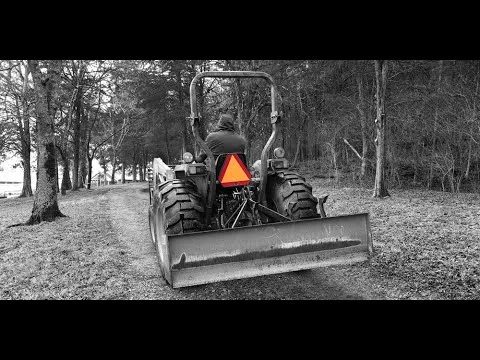
YouTube / Iron Solutions (YouTube thumbnail (fair-use with source credit))
For the most current regulations, you can refer to the Louisiana Department of Transportation and Development.
Common Mistakes That Get Drivers in Trouble
The most frequent violation is missing or obscured SMV emblems. Dirt, mud, or improper mounting can render the triangle invisible. Louisiana State Police often cite operators for this during routine patrols.
Another common error is failing to pull over when safe. Some drivers assume the rule only applies on highways, but it’s required on all public roads.
How to Stay Compliant (And Avoid Fines or Accidents)
Start with a DOT-compliant SMV emblem. Check that it’s clean, unobstructed, and mounted at the correct height. Replace faded or damaged emblems immediately.
When driving, scan for pull-off areas. If you see traffic building behind you, signal early and move aside at the first safe opportunity.
What Happens If You Ignore the Rules?
Fines for non-compliance start at $50 but can escalate for repeat offenses. More serious is the safety risk. Rear-end collisions involving slow-moving vehicles often result in severe injuries due to speed differentials.
Insurance claims may also be denied if the vehicle wasn’t properly marked. Courts view missing SMV emblems as negligence.
Real-World Scenarios: When to Pull Over (And When You Can’t)
On a two-lane road with a wide shoulder, pull over completely. Let all traffic pass before re-entering the lane.
If there’s no shoulder and the road is straight, maintain your speed. Don’t slow down abruptly. Only pull over when you can do so without forcing other drivers to swerve or brake hard.
Frequently Asked Questions
Do all slow-moving vehicles need the SMV emblem?
Yes. Any vehicle traveling under 25 mph on public roads must display the reflective orange triangle.
How far back should the SMV emblem be visible?
The emblem must be visible from at least 500 feet in daylight. At night, the reflective border should be visible from the same distance under headlights.
What if there’s no safe place to pull over?
Continue at your current speed until you reach a safe spot. Louisiana law only requires yielding when it’s reasonably possible to do so.
Can I use lights instead of the SMV emblem?
No. The reflective triangle is mandatory. Some vehicles add flashing amber lights, but these don’t replace the required emblem.
Are there exceptions for farm equipment?
No. All slow-moving vehicles, including farm equipment, must follow the same marking and yielding rules.