Massachusetts commercial vehicle registration and weight restrictions trip up even experienced operators. The rules change based on your vehicle’s weight, how you use it, and whether you’re staying in-state or crossing borders.
If your vehicle’s Gross Vehicle Weight Rating hits 10,001 lbs or more, you’re in commercial territory. As of 2026, Massachusetts enforces strict axle and gross weight limits, and missing a detail can mean fines or out-of-service orders.
Quick Answer
Massachusetts commercial vehicle registration and weight restrictions apply to any vehicle over 10,001 lbs GVWR. Single axle limit is 22,400 lbs. Tandem axle limit is 36,000 lbs.
GVWR over 26,001 lbs requires a CDL. Seasonal weight restrictions apply in spring.
Do You Need Commercial Registration in Massachusetts?
You do if your vehicle meets any of these:
- GVWR of 10,001 lbs or more
- Designed to transport 16+ passengers (including driver)
- Used to haul hazardous materials requiring placarding
Personal-use pickups under 10,001 lbs GVWR don’t need commercial plates, even if heavy when loaded. The registration class depends on the manufacturer’s GVWR, not your actual load.
Farm vehicles have limited exemptions but still need proper registration if used on public roads.
How Massachusetts Defines a Commercial Vehicle
Massachusetts follows federal standards but adds state-specific rules. A commercial vehicle is any motor vehicle or combination used for:
- Transporting property or passengers for compensation
- Operating with a GVWR over 10,001 lbs
- Carrying hazardous materials in quantities requiring placards
The classification affects your registration type, fees, and compliance requirements. For example, a box truck with a 14,000 lb GVWR needs commercial plates, while a half-ton pickup typically doesn’t.
Note that some municipalities add their own restrictions. Boston, for instance, has designated truck routes where commercial vehicles must stay.
Weight Classes and Restrictions You Need to Know

Massachusetts enforces weight limits at both the state and local levels.
Single Axle, Tandem Axle, and GVWR Limits
| Limit Type | Weight Limit | Notes |
|---|---|---|
| Single Axle | 22,400 lbs | Includes all wheels on one axle |
| Tandem Axle | 36,000 lbs | Two axles spaced 8–10 feet apart |
| GVWR | 80,000 lbs | Maximum for standard combination vehicles |
| Tridem Axle | 54,000 lbs | Three axles in a group |
These are the standard limits, but some roads have lower posted limits. Always check for local restrictions, especially in older urban areas with weight-restricted bridges.
Seasonal and Road-Specific Weight Restrictions
Massachusetts imposes seasonal weight restrictions during spring thaw, typically March through April. During this period, weight limits may drop by 25% on certain roads to prevent pavement damage.
Watch for posted signs indicating reduced limits. The MassDOT publishes annual notices about seasonal restrictions.
Step-by-Step: Registering a Commercial Vehicle in MA

The registration process varies slightly depending on whether your vehicle is new, used, or being transferred from another state.
Determine Your Vehicle Class Check your vehicle’s GVWR on the manufacturer’s label or title.
Gather Required Documents You’ll need:
, Completed Application for Registration and Title (Form TA-1)
, Proof of ownership
, Proof of insurance
, Payment for fees
, CDL (if applicable)
Complete the Application Fill out Form TA-1 accurately. Errors can delay processing. If you’re registering online, use the RMV’s website.
Pay Fees Registration fees are based on your vehicle’s GVWR. As of 2026, fees range from $20 for light commercial vehicles to over $200 for heavy trucks.
Receive Your Plates and Registration Once processed, you’ll get your commercial plates, registration certificate, and decals if required.
When You Need a CDL (And When You Don’t)
A Commercial Driver’s License is required for vehicles with a GVWR of 26,001 lbs or more. It’s also mandatory for any vehicle designed to transport 16 or more passengers or hazardous materials.
You don’t need a CDL for vehicles under 26,001 lbs GVWR unless you’re hauling hazardous materials. Even then, some exemptions apply for farm vehicles and emergency response.
If you’re unsure, the FMCSA provides a clear decision tool.
Permits for Oversize or Overweight Vehicles
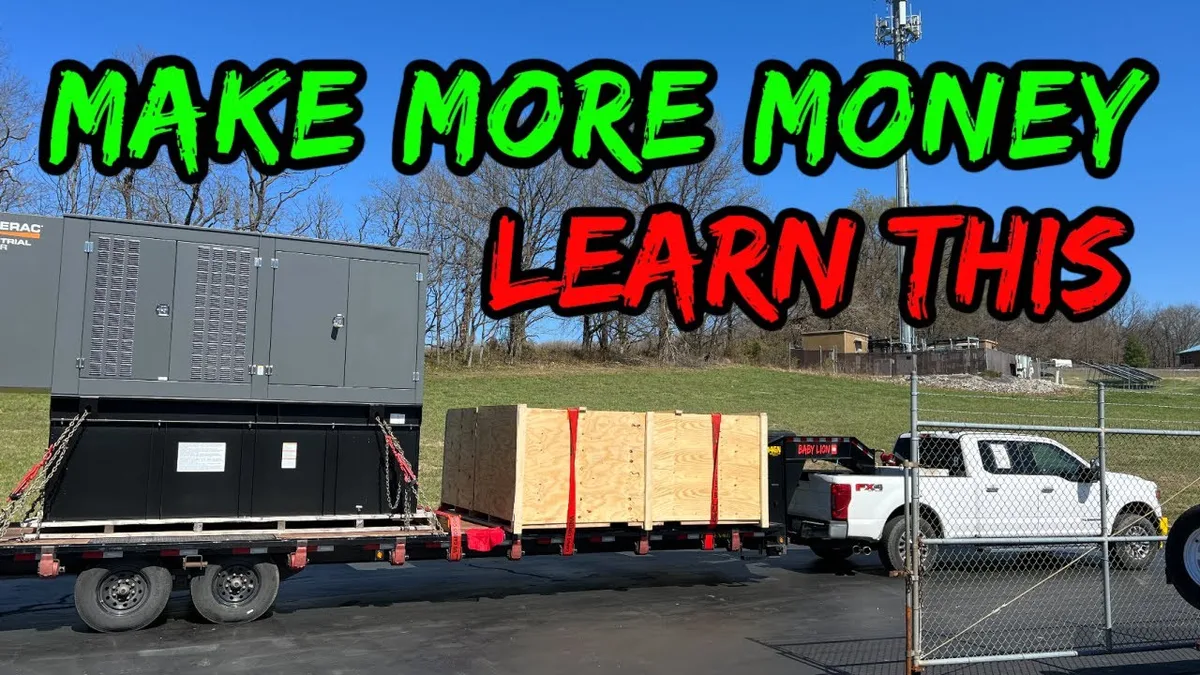
Standard weight limits don’t always fit every load. If your vehicle or cargo exceeds legal dimensions or weights, you’ll need a permit.
Single-Trip vs. Annual Permits
Single-trip permits cover one specific move. They’re ideal for occasional oversize loads.
Annual permits are better for frequent haulers. They save time and money if you regularly transport oversize or overweight loads.
How to Apply and What It Costs
Apply through the MassDOT Permit Office. You’ll need:
- Vehicle and load dimensions
- Proposed route
- Proof of insurance
Fees vary by load size and route. A typical single-trip oversize permit costs between $10 and $100. Annual permits can run several hundred dollars.
Intrastate vs. Interstate: Which Rules Apply to You?
Intrastate carriers operate only within Massachusetts. They follow state regulations but may still need federal compliance for certain vehicle types.
Interstate carriers cross state lines. They must comply with both Massachusetts and federal FMCSA regulations. This includes IRP and IFTA registration.
IRP and IFTA for Multi-State Carriers
The International Registration Plan allows you to register your fleet in multiple jurisdictions. It simplifies payment of registration fees based on the distance traveled in each state.
The International Fuel Tax Agreement streamlines fuel tax reporting for interstate carriers. You’ll file quarterly fuel tax returns with your base state.
Common Mistakes That Lead to Fines or Delays
Registering under the wrong class is a frequent error. Always use the manufacturer’s GVWR, not your typical load weight.
Ignoring seasonal weight restrictions can result in hefty fines. Spring thaw limits are strictly enforced, and violations can lead to out-of-service orders.
Missing permit requirements for oversize loads is another common issue. Even if you’re just a few inches over, you need the proper documentation.
Massachusetts-Specific Rules to Watch For
Boston has designated truck routes. Commercial vehicles must stay on these routes unless they have a special permit.
Some bridges and tunnels have lower weight limits. Always check for posted restrictions before planning your route.
The Massachusetts State Police Commercial Vehicle Enforcement Section conducts regular inspections. Ensure your vehicle meets all safety and registration requirements to avoid penalties.
Costs at a Glance: Registration, Permits, and Penalties
Registration fees scale with your vehicle’s weight class. Light commercial vehicles pay $20, $50. Heavy trucks can exceed $200.
Oversize/overweight permits add to the cost. Single-trip permits range from $10 to $100. Annual permits for frequent haulers may cost $300, $1,000.
Penalties for violations are steep. Overweight fines start at $100 and can climb to $10,000 for severe infractions.
FAQs About MA Commercial Vehicle Registration
Do I need commercial plates for a pickup truck?
No, if your pickup’s GVWR is under 10,001 lbs. Even if you use it for business, personal-vehicle registration suffices unless you’re hauling hazardous materials.
What’s the maximum width for a commercial vehicle in Massachusetts?
8 feet 6 inches is the standard limit. Wider loads require an oversize permit and may need escort vehicles.
How often do I need to renew commercial registration?
Most commercial registrations are annual. Some specialized vehicles may have biennial renewal cycles.
Can I register my commercial vehicle online?
Yes, for most standard registrations. The RMV’s online portal handles renewals and some new registrations. Complex cases may require in-person visits.
What happens if I exceed weight limits?
You’ll face fines based on the excess weight. The first offense for 1,000, 3,000 lbs over limit is typically $100, $500.
Final Checklist: Are You Compliant?
Verify your vehicle’s GVWR matches your registration class. Double-check that your insurance meets Massachusetts minimum requirements.
Confirm your route complies with all weight and size limits. If you’re hauling oversize or overweight loads, secure the proper permits before hitting the road.
Keep your registration, insurance, and permit documents in the vehicle at all times.
Verify your vehicle’s GVWR matches your registration class. Double-check that your insurance meets Massachusetts minimum requirements.
Confirm your route complies with all weight and size limits. If you’re hauling oversize or overweight loads, secure the proper permits before hitting the road.
Keep your registration, insurance, and permit documents in the vehicle at all times.