ByMax Lee
Maine Helmet Law for Young Riders Explained
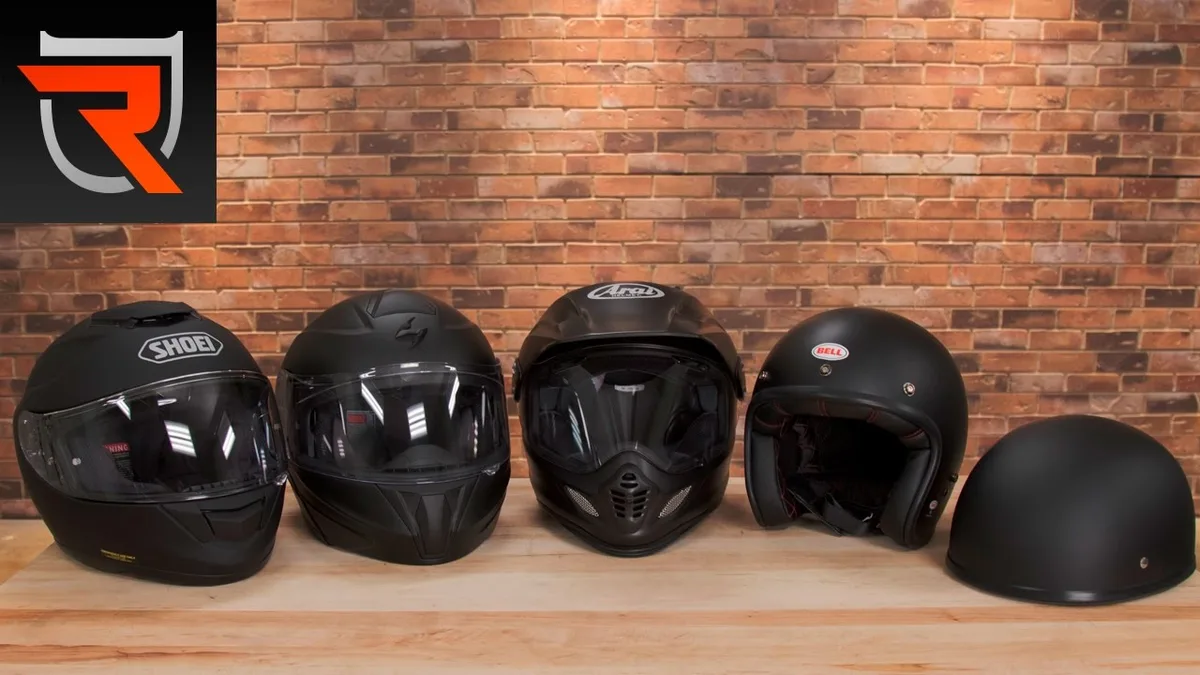
YouTube / Riders Domain (YouTube thumbnail (fair-use with source credit))
If you're under 18 in Maine, the helmet law is clear: you must wear one. The Maine motorcycle helmet law for riders under 18 applies to anyone operating or riding as a passenger on a motorcycle, and it’s non-negotiable. This isn’t just a recommendation, it’s a legal requirement designed to protect young riders from serious injury.
Per Maine Revised Statutes Title 29-A §2083, the helmet must meet DOT safety standards. As of 2026, non-compliance can result in fines, and more importantly, a much higher risk of head trauma in a crash.
Quick Answer
Maine requires helmets for all motorcycle riders and passengers under 18. The law mandates DOT-approved helmets. No exceptions exist for age or experience.
Fines apply for violations.
What Maine’s Law Actually Says
Maine’s statute is straightforward. Title 29-A §2083 states that any person under 18 operating or riding on a motorcycle must wear a helmet that meets federal DOT standards. This includes both drivers and passengers, regardless of the bike’s size or the rider’s skill level.
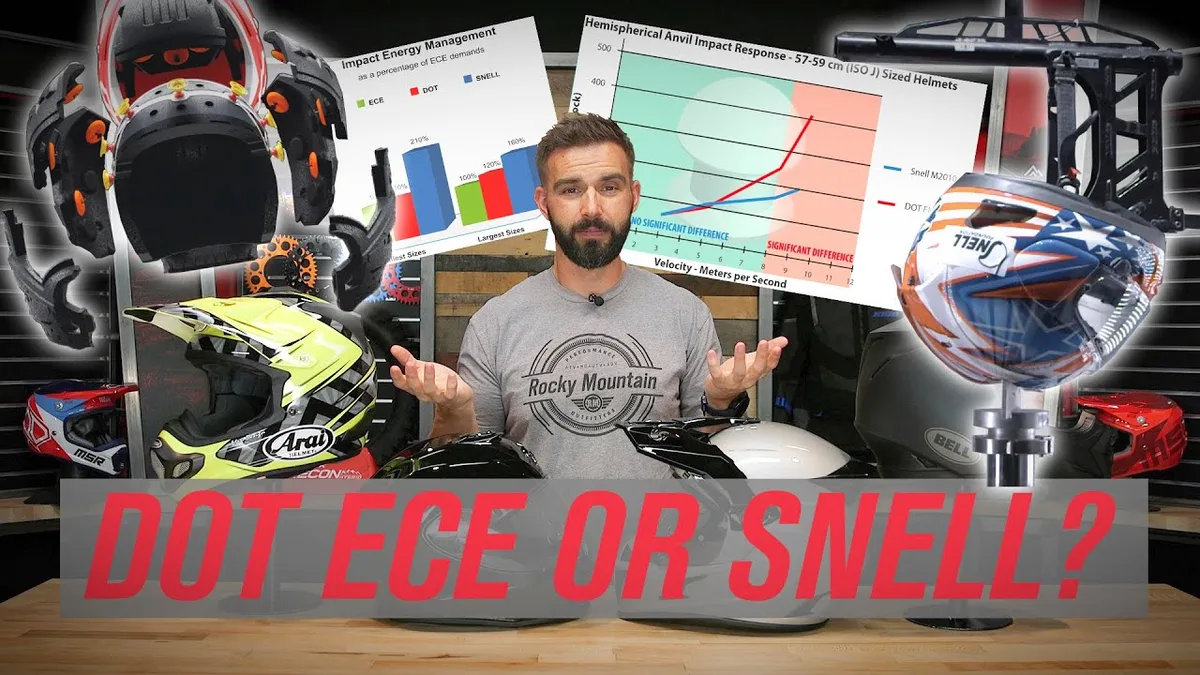
YouTube / Rocky Mountain ATV MC (YouTube thumbnail (fair-use with source credit))
The DOT certification ensures the helmet has passed impact, penetration, and retention tests. Helmets without the DOT sticker don’t meet legal requirements, even if they look similar. For official details, you can review the Maine Bureau of Motor Vehicles guidelines.
Who Exactly Has to Wear a Helmet
The rule covers two groups: riders under 18 and their passengers under 18. If you’re 17 and driving, you need a helmet. If you’re 16 and riding on the back, you need one too.
Adults over 18 aren’t required to wear helmets in Maine, but the law doesn’t change for minors based on experience or training. Even if a teen has a learner’s permit or a full license, the helmet rule still applies until their 18th birthday.
DOT Helmet Requirements in Maine
A legal helmet in Maine must have a DOT certification label. This label is usually on the back of the helmet and includes the manufacturer’s name, model, and the DOT symbol. Without it, the helmet isn’t compliant.
DOT-approved helmets must also have:
- A thick inner liner (usually 1 inch of polystyrene foam)
- A sturdy chin strap with a solid rivet
- A weight of about 3 pounds
Helmets that meet Snell or ECE standards might offer extra protection, but Maine law only requires DOT certification.
What Happens If You Break the Law
Riding without a helmet under 18 in Maine is a traffic violation. Law enforcement can stop you, and you’ll likely receive a fine. The exact amount varies, but it’s typically around $50, $100 for a first offense.

YouTube / NEWS CENTER Maine (YouTube thumbnail (fair-use with source credit))
More importantly, the risk of injury skyrockets without a helmet. According to the NHTSA, helmets reduce the risk of death in a crash by about 37% and the risk of head injury by 69%.
Why the Age Cutoff Matters
The 18-year threshold isn’t arbitrary. Young riders have less experience and higher crash rates. Their skulls and brains are still developing, making them more vulnerable to injury.
Maine’s law aligns with NHTSA recommendations for youth safety. Many states set similar age-based helmet laws, though some require them for all riders.
Common Misunderstandings About the Rule
Some assume the law only applies to highways. It doesn’t. The helmet requirement covers all public roads, including city streets and rural routes.
Others think any helmet will do. Only DOT-approved models meet the legal standard. Novelty helmets or those certified by other standards (like Snell) don’t count unless they also carry the DOT label.
How to Check If a Helmet Is Legal
Look for the DOT symbol on the back. It’s usually a sticker with the letters “DOT” and the helmet’s model info. The label should be permanent, not a removable tag.

YouTube / Kwackajack (YouTube thumbnail (fair-use with source credit))
Check the weight and construction too. A DOT helmet typically weighs about 3 pounds and has a thick foam liner. If it’s unusually light or flimsy, it’s likely not compliant.
Real-World Scenarios and What to Do
If you’re pulled over without a helmet, stay calm. Present your license and registration. The officer will likely issue a citation, but arguing won’t help.
For parents, ensure your teen’s helmet fits snugly. A loose helmet can come off in a crash. Test the fit by trying to pull it off from the back, it shouldn’t move more than an inch.
FAQs About Maine’s Minor Helmet Law
Does the helmet law apply to mopeds or scooters?
Yes. Maine treats mopeds and scooters the same as motorcycles for helmet requirements under 18.
Can a passenger under 18 ride without a helmet if the driver is over 18?
No. The law applies to all riders and passengers under 18, regardless of the driver’s age.
Are there any medical or religious exemptions?
Maine does not grant exemptions for medical or religious reasons. The law is absolute for minors.
What’s the fine for not wearing a helmet under 18?
Fines typically range from $50 to $100 for a first offense. Repeat violations may increase the penalty.
Do out-of-state riders under 18 have to follow Maine’s law?
Yes. Visiting riders must comply with Maine’s helmet law while riding in the state.