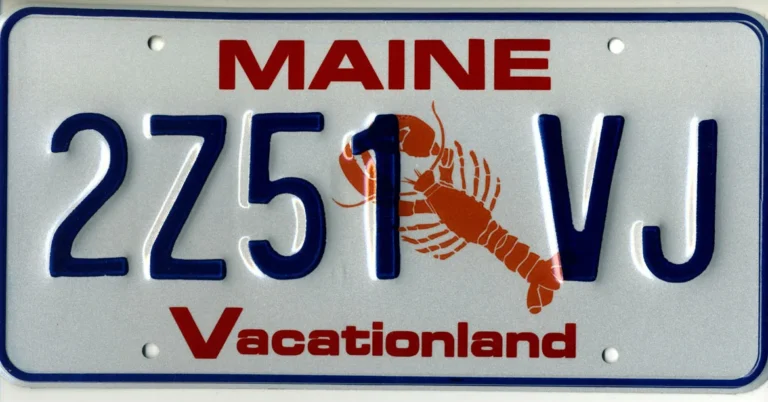
The Maine registration fee for passenger cars and light trucks depends on your vehicle type, weight, and fuel. It’s not a flat rate, so what you pay can vary.
As of 2026, the base fee for a standard passenger car is $35. Light trucks and specialty vehicles often cost more based on their weight class.
Quick Answer
The Maine registration fee for passenger cars and light trucks starts at $35. Light trucks pay more based on weight. Electric vehicles add $150.
Hybrids add $75. Fees are set by the Maine Bureau of Motor Vehicles.
How Maine Registration Fees Work for Passenger Cars and Light Trucks
Maine doesn’t use a one-size-fits-all approach. Your fee depends on vehicle type, weight class, and whether it’s electric or hybrid.
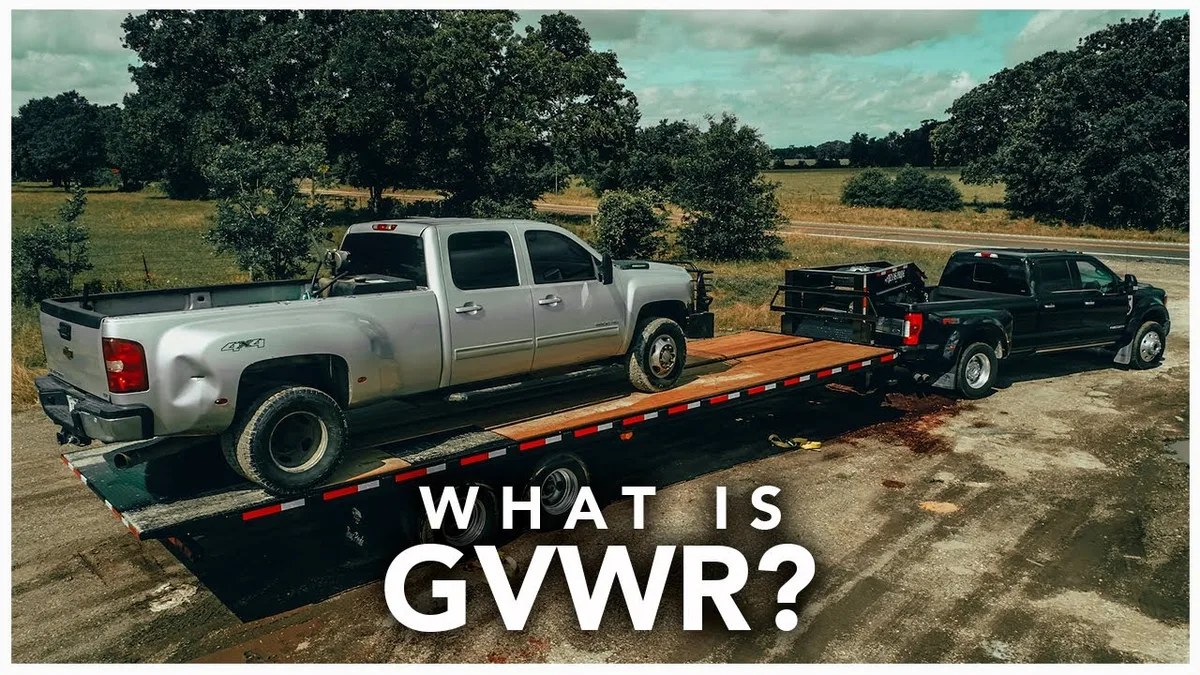
Passenger cars pay a flat $35 base fee. Light trucks, including pickups and SUVs, are tiered by gross vehicle weight rating (GVWR). The heavier the truck, the higher the fee.
The Maine Bureau of Motor Vehicles (BMV) handles all registrations. They also collect the municipal excise tax, which is separate from the registration fee.
The 3 Factors That Change Your Fee
Your final cost comes down to these variables.
Vehicle type
Passenger cars: $35 base.
Light trucks: $35, $55+ based on GVWR.
Weight class
Light trucks under 6,000 lbs GVWR start at $35. From 6,001, 8,000 lbs, it’s $45. Above 8,000 lbs, it jumps to $55 or more.
Fuel type
Gasoline/diesel: no extra fee.
Hybrid: +$75.
Electric: +$150.
Passenger Car Fees vs. Light Truck Fees
Passenger cars are straightforward. You pay $35, plus any municipal excise tax.
Light trucks are different. The fee scales with weight. A small pickup under 6,000 lbs pays the same as a car.
A heavier truck, like a 3/4-ton, will cost more.
If you’re unsure whether your SUV counts as a car or truck, the BMV uses the manufacturer’s classification. Most crossovers are cars. Traditional body-on-frame SUVs are often trucks.
Electric and Hybrid Vehicles: The Extra Costs
Maine adds fees for electric and hybrid vehicles. These aren’t taxes, they’re registration surcharges.
Electric vehicles (EVs) pay an extra $150. Hybrids pay an extra $75. These fees help offset the loss of gas tax revenue, which funds road maintenance.
Plug-in hybrids (PHEVs) are treated as hybrids, not EVs. So they only pay the $75 fee.

The Maine Bureau of Motor Vehicles confirms these fees. They’re updated annually, so always check the latest rates before registering.
Step-by-Step: How to Calculate Your Exact Fee
Start with your vehicle type. Passenger cars are $35. Light trucks use the GVWR chart.
Next, check your fuel type. Add $75 for hybrids or $150 for EVs. These are flat surcharges on top of the base fee.
For light trucks, find the GVWR on the door jamb or manual. Match it to the weight tiers. Under 6,000 lbs is $35. 6,001, 8,000 lbs is $45.
Over 8,000 lbs is $55 or more.
Required Documents (Don’t Show Up Without These)
You’ll need the title, proof of insurance, and a completed application. Out-of-state vehicles require a VIN verification.
If the vehicle is new, bring the manufacturer’s certificate of origin. For used cars, the signed title from the seller is mandatory.

In-Person vs. Online vs. Mail Registration
Online is fastest for renewals. You’ll need your PIN from the BMV. Payment is by card or e-check.
In-person works for new registrations or complex cases. Bring all documents. Some branches require appointments.
Mail is an option but slowest. Send copies of documents, not originals. Include a check or money order.
Excise Tax vs. Registration Fee: What’s the Difference?
The registration fee goes to the state. It’s a flat or weight-based cost for your plates.
Excise tax is local. It’s based on your vehicle’s MSRP and age. Your town or city sets the rate.
Both are required to legally drive in Maine. The BMV collects the registration fee. The excise tax is paid to your municipality.
Common Mistakes That Cost You More
Forgetting the VIN verification for out-of-state vehicles adds delays. You’ll need to return with the proper form.
Mixing up GVWR with curb weight is a common error. GVWR includes passengers and cargo. Curb weight is just the vehicle.
Late renewals trigger penalties. Maine charges $5 for the first 15 days, then $10 after that.
What Happens If You Register Late?
Maine charges a $5 penalty for registrations 1 to 15 days late. After 15 days, the fee jumps to $10.
Driving with an expired registration can lead to a traffic citation. Police can pull you over for this alone. The fine is typically $50 to $100.
You can’t renew online if your registration is expired by more than 60 days. You’ll need to visit a BMV office in person.
FAQs About Maine Vehicle Registration Fees
How much does it cost to register a car in Maine?
The base fee is $35 for passenger cars. Light trucks cost more based on weight. Electric vehicles add $150.
Do I pay excise tax and registration fee together?
No. The BMV collects the registration fee. Your town or city collects the excise tax separately.
Can I register my car online in Maine?
Yes, if it’s a renewal and you have your PIN. New registrations require in-person or mail submission.
What’s the fee for a light truck under 6,000 lbs?
It’s $35, the same as a passenger car. Heavier trucks pay more.
Are there discounts for seniors or veterans?
Maine offers specialty plates for veterans, but the registration fee remains the same. Some towns may offer excise tax exemptions for seniors.
Where to Get Official Answers
The Maine Bureau of Motor Vehicles website has the latest fee schedules. You can also call or visit a local branch.
For excise tax questions, contact your town or city office. They set the rates and collect payments.
Always verify fees before registering. Rates can change annually.