Michigan child restraint law and car seat requirements exist to keep kids safe and avoid fines. The rules are clear but often misunderstood, especially when it comes to age, height, and seat type. One wrong assumption can put a child at risk or land you a citation.
Per Michigan Vehicle Code § 257.710d, the law sets specific standards for rear-facing, forward-facing, and booster seats. These aren’t just recommendations, they’re legal requirements with real consequences.
Quick Answer: Michigan’s Car Seat Requirements by Age and Size
Michigan law requires children under 4 to ride in a car seat. Kids 4 to 7 years old and under 4'9" tall must use a booster seat. At 8 years old or 4'9" and taller, a regular seat belt is allowed.
Rear-facing seats are mandatory until the child outgrows the manufacturer’s height or weight limit.
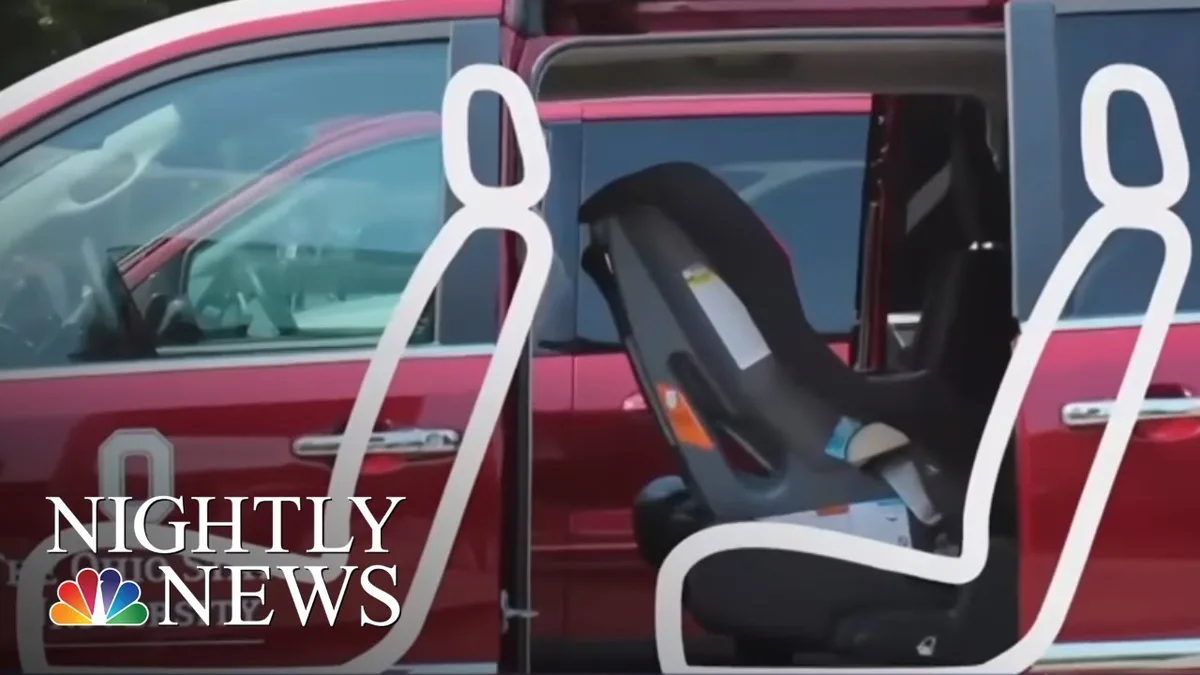
How the Law Works: Rear-Facing, Forward-Facing, and Booster Rules
Michigan’s child restraint law follows a progression based on age, height, and weight. The goal is to match the seat to the child’s development stage, not just their age.
Rear-facing seats are for infants and toddlers. They must stay rear-facing until they hit the seat’s maximum height or weight limit, as set by the manufacturer.
Forward-facing seats come next, once the child outgrows the rear-facing seat. These use a five-point harness and must be used until the child reaches the seat’s limit.
Booster seats bridge the gap between car seats and adult seat belts. In Michigan, kids must use a booster until they’re 8 years old or 4'9" tall.
When Can a Child Use Just a Seat Belt in Michigan?
A child can use a regular seat belt once they turn 8 or reach 4'9" in height. The law doesn’t require both, just one of these conditions.
Even then, the seat belt must fit properly. The lap belt should lie across the upper thighs, not the stomach. The shoulder belt should cross the chest, not the neck or face.
Where Should the Car Seat Be Placed in the Vehicle?
The safest spot for a car seat is the rear seat. Michigan law requires children under 4 to ride in the back unless the vehicle has no rear seat or all rear seats are occupied by other children under 4.
If you must place a car seat in the front, push the seat as far back as possible. Deactivate the passenger-side airbag if the vehicle allows it. Front-seat placement is a last resort, not a convenience.
For more on vehicle safety standards, check the NHTSA’s child passenger safety guidelines.
Common Mistakes That Break the Law (or Put Kids at Risk)
Moving a child out of a rear-facing seat too soon is a frequent error. Parents often switch to forward-facing at age 2, but Michigan law, and safety experts, say to keep them rear-facing until they max out the seat’s limits.
Using a booster seat incorrectly is another issue. A booster must be used with both a lap and shoulder belt, never just a lap belt. And the child must sit all the way back in the seat, not slouching or leaning.
Ignoring height requirements is just as dangerous as ignoring age. A child might be 8 but still under 4'9". In that case, they still need a booster.
Skipping the car seat in taxis or rideshares is a violation. Michigan’s law applies to all vehicles on public roads, not just personal cars. If the ride doesn’t have a car seat, you’re responsible for providing one.
Using an expired or recalled car seat is illegal and unsafe. Check the manufacturer’s label for expiration dates and recall notices. The Michigan State Police offers free car seat inspections to ensure compliance.
Why Michigan’s Child Car Seat Law Matters for Safety and Compliance
Car crashes are a leading cause of injury for children. Michigan’s law isn’t just about avoiding fines, it’s about reducing the risk of serious harm. Proper restraint use cuts the chance of fatal injury by up to 71% for infants and 54% for toddlers.
The rules also protect you legally. Violations can result in a civil infraction, points on your license, and court costs.
Step-by-Step: Choosing the Right Seat for Your Child’s Age and Size
Start with a rear-facing seat for infants and toddlers. Keep them rear-facing until they reach the seat’s height or weight limit.
Next, switch to a forward-facing seat with a harness. Use this until the child outgrows the seat’s limits. The harness should be snug, with the chest clip at armpit level.
Move to a booster seat when the child is at least 4 years old and under 4'9" tall. A high-back booster is best for vehicles without headrests. A backless booster works if the vehicle seat has a headrest and the child’s ears are below the top of the seat back.
Finally, transition to a seat belt when the child is 8 years old or 4'9" tall. Test the fit: knees should bend at the edge of the seat, the lap belt should lie across the upper thighs, and the shoulder belt should cross the chest.
Special Cases: Taxis, Rideshares, and Vehicles Without Rear Seats
Taxis and rideshares must follow the same rules as personal vehicles. If the driver doesn’t provide a car seat, you’re responsible for bringing one. Some services offer car seats for an extra fee, but it’s on you to confirm.
For vehicles without rear seats, like some trucks or classic cars, the law allows front-seat placement. Push the seat as far back as possible and deactivate the airbag if the vehicle permits. Never place a rear-facing seat in the front if the airbag is active.
If all rear seats are occupied by other children under 4, the next child may ride in the front. Again, push the seat back and deactivate the airbag if possible.
Winter Coats, LATCH Systems, and Other Practical Tips
Bulky winter coats can interfere with harness straps. Dress your child in thin layers and use a blanket over the straps if it’s cold. The harness should be snug enough that you can’t pinch any excess strap at the shoulder.
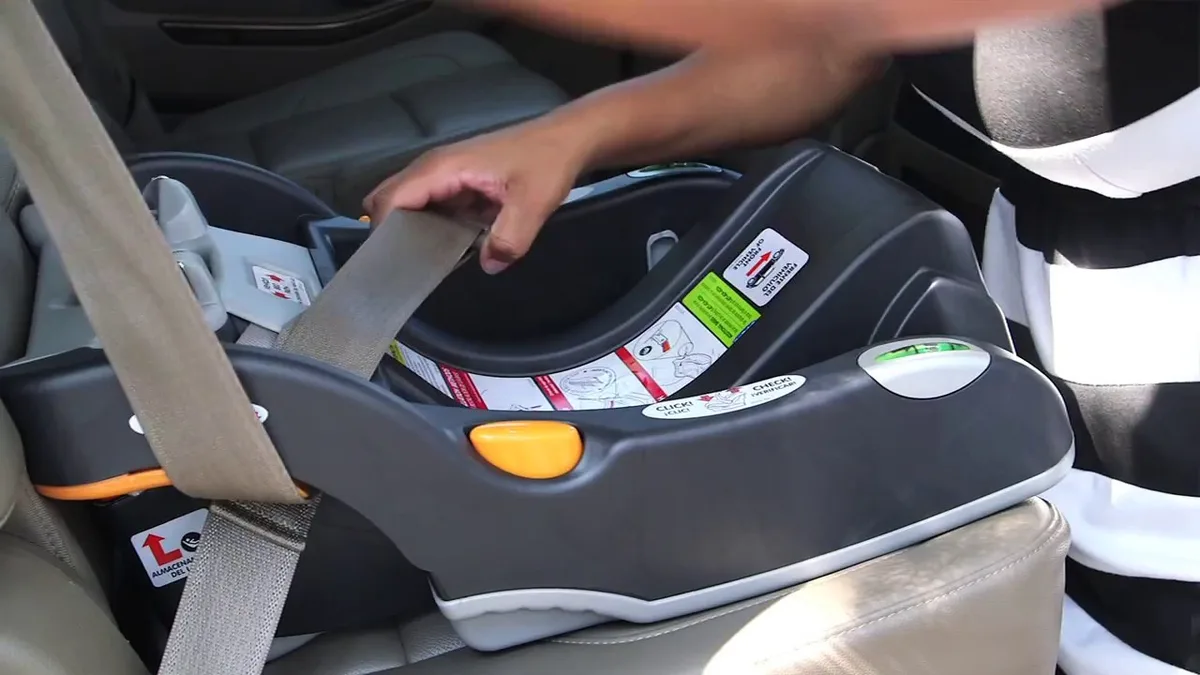
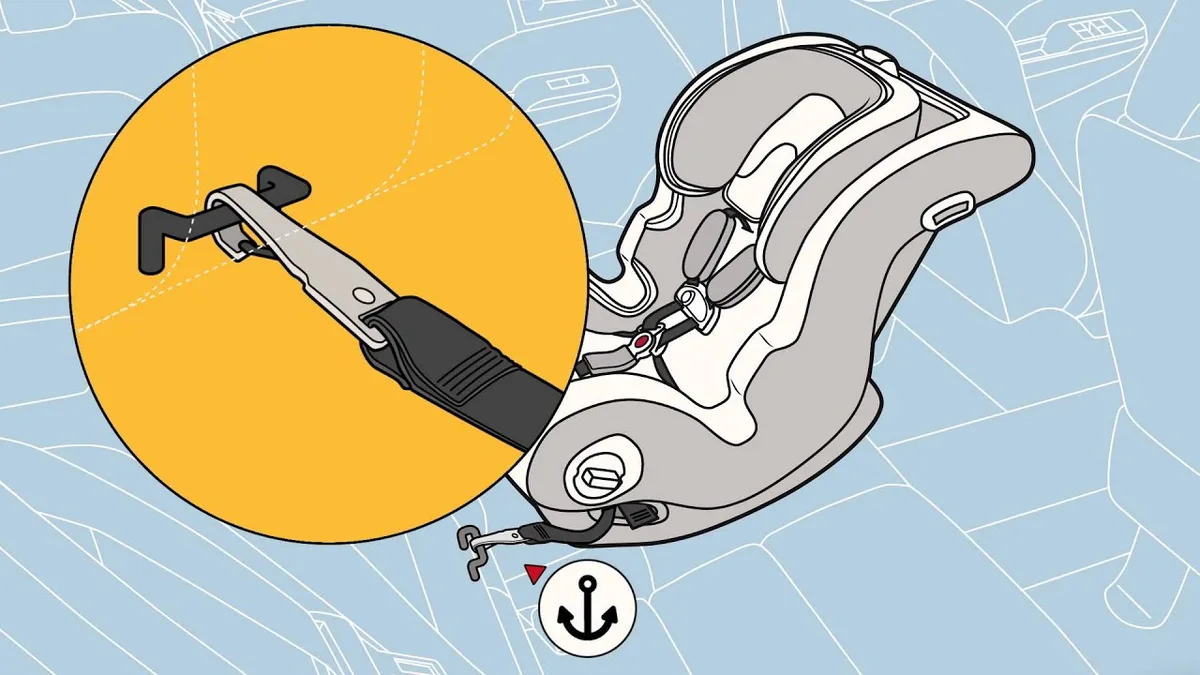
The LATCH system makes installation easier. Lower anchors and tethers are built into most vehicles and car seats. Check your vehicle’s manual and the car seat’s instructions for proper use.
Keep the car seat’s manual handy. It contains critical information on height and weight limits, installation, and expiration dates. If you’ve lost it, most manufacturers provide free downloads on their websites.
Michigan vs. Other States: How the Rules Compare
Michigan’s law is stricter than some neighboring states. Ohio requires booster seats until age 8 or 4'9", but Indiana only mandates them until age 8, regardless of height. Michigan’s height requirement ensures a better fit for the seat belt.
Some states, like California, require children to ride in the back seat until age 8. Michigan’s law is less specific but still prioritizes rear-seat placement for younger children.
Always follow Michigan’s law when driving in the state, even if you’re from out of state.
Where to Get a Free Car Seat Check in Michigan
Michigan State Police offer free car seat inspections at many posts. These checks ensure your seat is installed correctly and meets current safety standards.
Local fire departments and hospitals often host car seat check events. These are usually free and open to the public. Call ahead to confirm availability and hours.
Certified Child Passenger Safety Technicians (CPSTs) can also inspect your seat. They’re trained to spot installation errors and recommend the right seat for your child’s size. The Safe Kids Worldwide website lists certified technicians in Michigan.
Frequently Asked Questions
What’s the fine for violating Michigan’s car seat law?
The fine for a first offense is typically around $65. Court costs can push the total higher.
Can my 7-year-old use a seat belt if they’re tall for their age?
No. Michigan law requires children under 8 to use a booster seat unless they’re 4'9" or taller.
Is it legal to use a secondhand car seat?
Yes, but only if it hasn’t expired and hasn’t been in a crash. Check the manufacturer’s label for the expiration date.
Do rideshares have to provide car seats in Michigan?
No. The responsibility falls on the parent or guardian. Some services offer car seats for a fee, but you must request them in advance.
What if my car doesn’t have LATCH anchors?
You can still install a car seat using the vehicle’s seat belt. Follow the car seat manufacturer’s instructions for belt-path routing. The NHTSA provides guides for proper installation without LATCH.