ByMax Lee
Minor Outlying Islands: Commercial Vehicle Registration
Minor Outlying Islands commercial vehicle registration and weight restrictions don’t work like they do in the 50 states. These remote US territories have no local DMVs, no public roads on most islands, and no state-level rules, just federal oversight and whatever infrastructure exists.
As of 2026, federal DOT weight limits still apply, but the real constraint is often the island’s wharf or causeway capacity. That means the process starts with understanding which islands even allow vehicles.
YouTube / TLU- Trues Learning Universe (YouTube thumbnail (fair-use with source credit))
Quick Answer
Minor Outlying Islands commercial vehicle registration and weight restrictions follow federal DOT rules. No local registration exists. Vehicles must be registered on the mainland first.
Weight limits are set by federal law. Island infrastructure often imposes stricter practical limits.
Which Minor Outlying Islands Even Allow Commercial Vehicles?
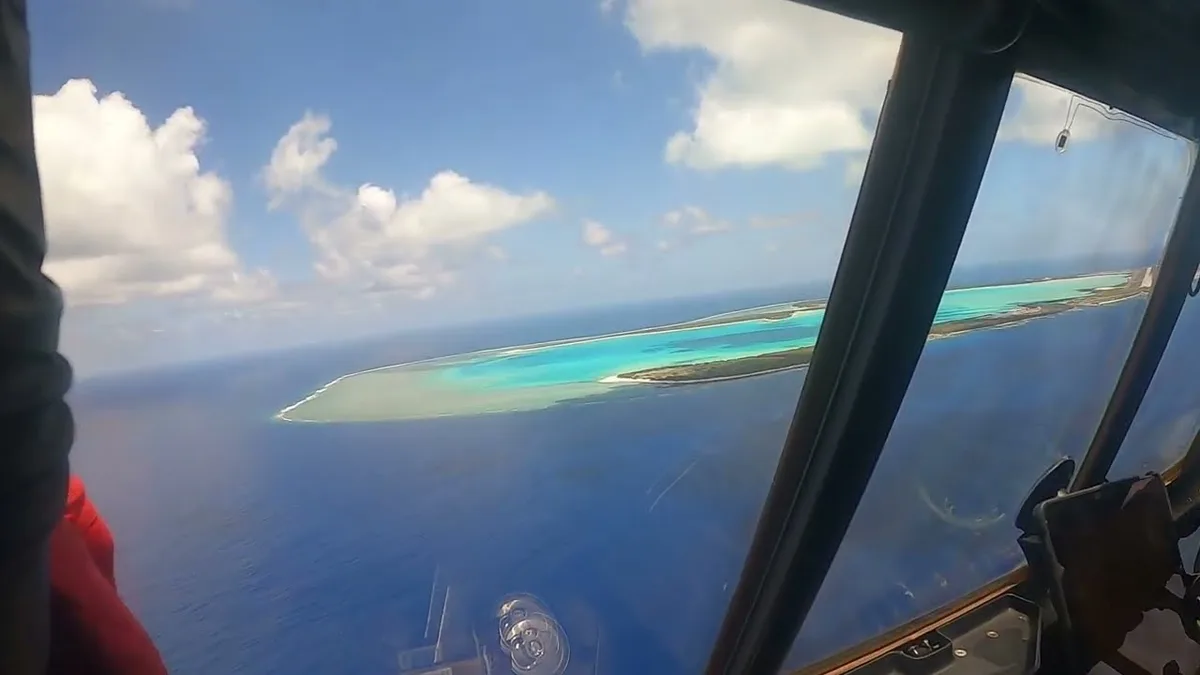
Only Midway Atoll, Palmyra Atoll, and Wake Island have any roads or vehicle access. The rest, Baker, Howland, Jarvis, Johnston, and Kingman Reef, have no public roads, no ports for vehicle offloading, and no need for commercial vehicle registration.

YouTube / 435American (YouTube thumbnail (fair-use with source credit))
Midway has about 4, 6 miles of service roads maintained for government and contractor use. Palmyra’s gravel paths are even more limited. Wake Island relies on its runway and adjacent service areas.
How Vehicle Registration Actually Works for These Islands
There’s no DMV on any Minor Outlying Island. Vehicles must be registered in a US state or territory before transport. Federal DOT regulations apply, but state-level rules don’t carry over once the vehicle reaches the island.

YouTube / Richard Brooks- Lightning Strike Productions (YouTube thumbnail (fair-use with source credit))
The process is straightforward. Register the vehicle where it’s based on the mainland. Ensure it meets federal weight and safety standards.
Then coordinate transport through the appropriate federal or military logistics channel. Once on-island, the vehicle operates under federal jurisdiction and the managing agency’s rules.
Federal Weight Restrictions vs. Island Infrastructure Limits
Federal DOT weight limits are clear: 80,000 pounds gross vehicle weight for most commercial trucks. But on the Minor Outlying Islands, the real limit is often the infrastructure.

YouTube / Lawton & Cates (YouTube thumbnail (fair-use with source credit))
Midway’s causeways and Palmyra’s gravel roads can’t support heavy loads. Wake Island’s operations are constrained by its runway and wharf capacities. So while the law may allow 80,000 pounds, the island’s physical limits might cap you at 10,000 or less.
| Island | Federal Weight Limit | Practical Infrastructure Limit |
|---|---|---|
| Midway Atoll | 80,000 lbs | ~15,000 lbs |
| Palmyra Atoll | 80,000 lbs | ~10,000 lbs |
| Wake Island | 80,000 lbs | ~20,000 lbs |
The Real Process: Getting a Commercial Vehicle to an Outlying Island
First, register the vehicle in a US state or territory. Then confirm it meets federal DOT standards for weight, safety, and emissions.
YouTube / Life Inside The Military (YouTube thumbnail (fair-use with source credit))
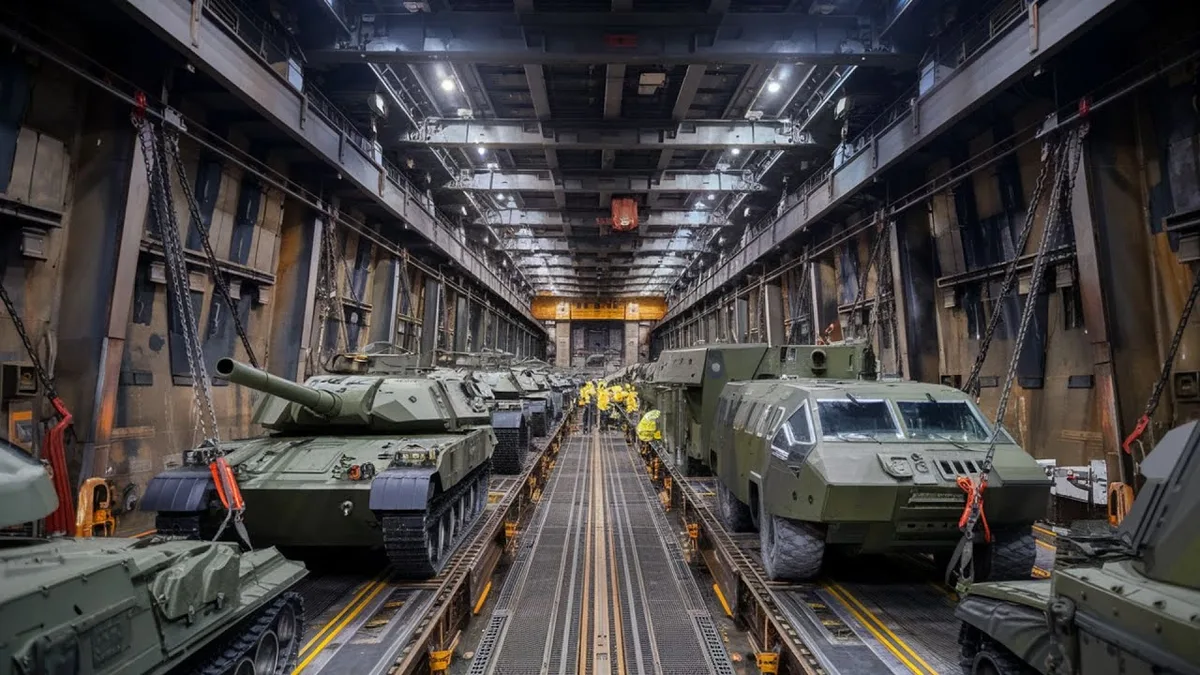
Next, coordinate with the island’s managing agency to schedule transport. Most vehicles reach these islands by cargo ship, which can take 7, 14 days from the West Coast. Wake Island is the exception, where air transport is more common due to its runway.
Once the vehicle arrives, it’s subject to the island’s operational rules.
Who Actually Uses Commercial Vehicles on These Islands?
Commercial vehicles on the Minor Outlying Islands are limited to government contractors, federal agency staff, and military support operations.
YouTube / Waffles4_U (YouTube thumbnail (fair-use with source credit))
The primary operators are NOAA researchers, US Fish & Wildlife Service maintenance crews, and Department of the Interior facility managers. Military contractors support Wake Island and Midway. These vehicles are typically light to medium-duty trucks, utility vans, and specialized maintenance equipment.
Common Mistakes That Cause Delays or Fines
Don’t assume state registration covers you. Many operators register in Hawaii or California, thinking it transfers automatically. It doesn’t.
You must confirm federal compliance separately.
Ignoring infrastructure limits leads to costly delays. Hauling an 80,000-pound truck to Palmyra sounds fine on paper. The gravel causeways there can’t handle it.
The agency will refuse unloading. You’ll pay for the return shipment.
Underestimating transport timelines is another common error. Shipping a commercial vehicle to Midway takes 7, 10 days from the West Coast. During hurricane season, delays stretch to 2, 3 weeks.
Weight Limits: What the Law Says vs. What the Island Can Handle
Federal law allows up to 80,000 pounds gross vehicle weight. Island infrastructure often allows far less.
| Island | Federal Limit | Infrastructure Limit |
|---|---|---|
| Midway Atoll | 80,000 lbs | 15,000 lbs |
| Palmyra Atoll | 80,000 lbs | 10,000 lbs |
| Wake Island | 80,000 lbs | 20,000 lbs |
The gap exists because these islands lack reinforced roadways, heavy-lift wharves, and industrial-grade bridges. Always verify with the managing agency before committing to a vehicle.
Safety and Compliance Rules You Can't Ignore
Federal regulations still apply on these islands. You must follow 49 CFR Part 658 for commercial vehicle weights and dimensions. You also need to comply with FMCSA safety standards.
Emissions requirements vary by island. Palmyra has strict fuel and pollution controls. Midway and Wake have more flexible rules due to their operational needs.
Ensure your vehicle has proper safety equipment. Reflective markings, functioning brakes, and a valid inspection certificate are mandatory. Islands don’t have roadside assistance.
Breakdowns become major logistics problems.
FAQs About Minor Outlying Islands and Commercial Vehicles
Do I need a commercial driver's license for these islands?
Yes, if you operate a vehicle over 26,000 pounds or designed to carry more than 15 passengers. Federal CDL requirements apply on all Minor Outlying Islands where commercial vehicles are used.
Can I register my vehicle in Hawaii before shipping to the islands?
Hawaii registration doesn’t grant automatic island access. Federal DOT compliance is separate. Register in your home state, then coordinate with the island’s managing agency for transport and operational authorization.
What's the heaviest vehicle allowed on Midway Atoll?
Midway’s causeways support up to approximately 15,000 pounds. Anything heavier requires special routing and agency approval. Most government contractors use vehicles under 10,000 pounds to stay within safe operating limits.
Do these islands have commercial fuel stations?
Midway and Wake have limited fuel storage for government and contractor vehicles only. Palmyra has virtually no fuel infrastructure. Plan refueling around available supply and budget for excess fuel carrying capacity.
Are there parking or storage restrictions for commercial vehicles?
Yes. Vehicle storage is limited to designated agency areas. Unauthorized parking can damage sensitive island ecosystems.
Coordinate with your managing agency for designated vehicle staging and storage zones.
Final Decision Guide: What You Need to Do Next
Start by confirming which island you're targeting. Only Midway, Palmyra, and Wake have any vehicle infrastructure. The others have none.
Register your vehicle in a US state or territory. Federal DOT compliance is mandatory. State rules don’t transfer to the islands.
Verify the island’s weight limits. Federal law allows 80,000 pounds. Midway’s causeways max out at 15,000.
Palmyra’s roads handle 10,000. Wake’s runway supports 20,000. Exceeding these means your vehicle won’t operate.
Coordinate transport. Most vehicles ship by cargo vessel. Wake and Midway allow air freight for lighter equipment.
Plan for 7, 14 days transit time. Add buffer for weather delays.