ByMax Lee
Mississippi Winter Driving Laws & Studded Tire Rules
Are you wondering about Mississippi winter driving requirements and studded tire regulations? You're not alone. Mississippi winters can be unpredictable, and figuring out tire laws before hitting icy roads matters.
Whether you're a daily commuter or just planning to navigate those occasional frosty mornings, knowing the rules keeps you safe and legally compliant.
According to Mississippi Code Section 63-7-301, studded tires are restricted to use only during winter months from October 1 through April 30. Summer months ban them entirely because metal studs can damage pavement. Let's break down what that means for your vehicle, where you can legally use studs, and whether you actually need them down here.
Quick Answer
Mississippi allows studded tires from October 1 to April 30. They are banned the rest of the year. Fines can reach $250 for violations.
Check tread depth regularly.
Mississippi’s Winter Driving Reality: Do You Even Need Studded Tires?
Most of Mississippi deals with mild winters. Jackson averages about 2 inches of snow per year. The southern counties rarely see serious ice.
You likely won’t need studded tires if you live near the coast or south of I-20.
YouTube / Tyre Reviews (YouTube thumbnail (fair-use with source credit))
Northern Mississippi tells a different story. Areas around Tupelo, Oxford, and Boone County get colder temperatures. Snowfall here can exceed 5 inches some years.
Rural roads often sit unplowed longer than highways.
Highway travel changes the equation too. Interstates like I-55 and I-69 receive timely treatment. The Mississippi Department of Transportation spreads brine and salt quickly.
You’d only benefit from studs if you frequently drive secondary roads during active storms.
Seasonal tire swaps matter more than studs for most drivers. Winter tires with the Three-Peak Mountain Snowflake rating grip ice better than all-season rubber. Those softer compounds stay flexible below 45°F.
The Official Word: Mississippi’s Studded Tire Regulations
Mississippi law explicitly permits studded winter tires between October 1 and April 30. The statute appears in Title 63, Chapter 7, Section 301 of the Mississippi Code. That section lists prohibited equipment like spiked chains and ice grips that cause roadway damage.
YouTube / TA Automotive technology (YouTube thumbnail (fair-use with source credit))
The law does not specify maximum stud height. Some drivers assume a 2-millimeter limit exists. No such restriction appears in current statutes.
Manufacturers typically install studs that protrude about 1.5 mm above the tread.
Season timing is strict. Putting studs on November 15 satisfies the law. Removing them by May 1 prevents violations.
Driving with studs during July through September risks a citation.
Commercial fleets face the same calendar restrictions. No registration stamp or permit plate accompanies legal studded tires. You simply comply with the seasonal window.
What the Law Actually Says (And What It Doesn’t)
Several myths circulate about Mississippi’s tire rules. Clearing them up prevents costly mistakes.
YouTube / TA Automotive technology (YouTube thumbnail (fair-use with source credit))
Myth: Studs must be under 2 millimeters.
Fact: The law sets no height limit. Only the season matters.
Myth: All metal tires are banned.
Fact: Only studded winter tires receive seasonal restrictions. Chain socks and cables lack the same calendar rules.
Myth: Tread depth requirements differ for studded tires.
Fact: Minimum tread stands at 2/32 of an inch statewide for all tires.
Myth: Studs damage roads enough to carry heavy fines.
Fact: Fines target off-season use only. On-season studs cause normal wear that road crews account for.
Check the official Mississippi Code online for complete text.
When and Where Studded Tires Might Be Allowed
Location determines necessity more than law. Certain zones experience harder winters requiring extra grip.

YouTube / StormChasingVideo (YouTube thumbnail (fair-use with source credit))
Northwestern Corridor: Counties bordering Tennessee face colder air masses. Pontotoc, Lee, and Union counties record lower temperatures frequently.
Northeastern Hills: Tishomingo and Alcorn counties sit atop elevated terrain. Higher ground cools faster during clear nights.
Central Plateaus: Surrounding areas like Grenada and Webster see moderate cold snaps. Snowfall averages 1 to 2 inches annually.
Southern Lowlands: Harrison, Rankin, and Smith counties enjoy milder conditions. Saltwater air accelerates thaw cycles.
Road type influences decision making too. Interstate highways receive priority treatment. County routes and dead-end streets get less attention.
Studded Tires vs. Studless Winter Tires: What’s the Difference?
Both options deliver cold-weather grip. Choosing between them requires understanding tradeoffs.
| Feature | Studded Tires | Studless Winter Tires |
|---|---|---|
| Ice traction | Excellent | Very good |
| Wet pavement grip | Fair | Good |
| Road noise | Loud | Quiet |
| Tire lifespan | Shorter | Longer |
| Price range | $80-$150 each | $100-$200 each |
| Legal season | Oct 1-April 30 only | Year-round allowed |
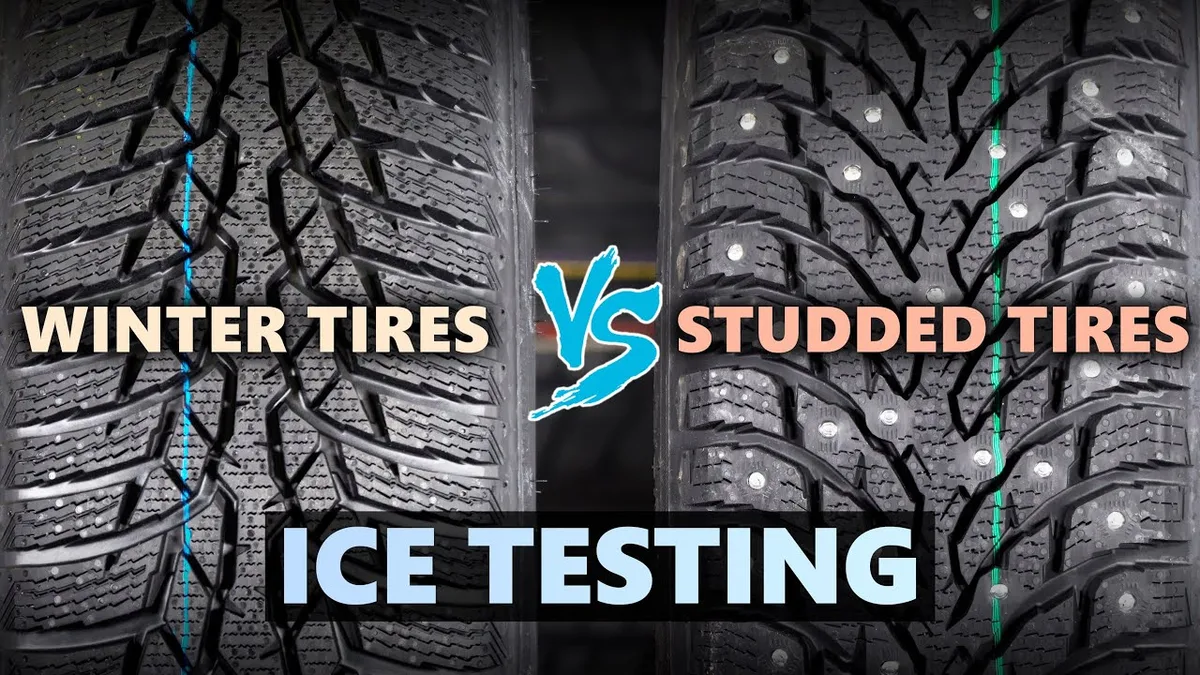
YouTube / Tyre Reviews (YouTube thumbnail (fair-use with source credit))
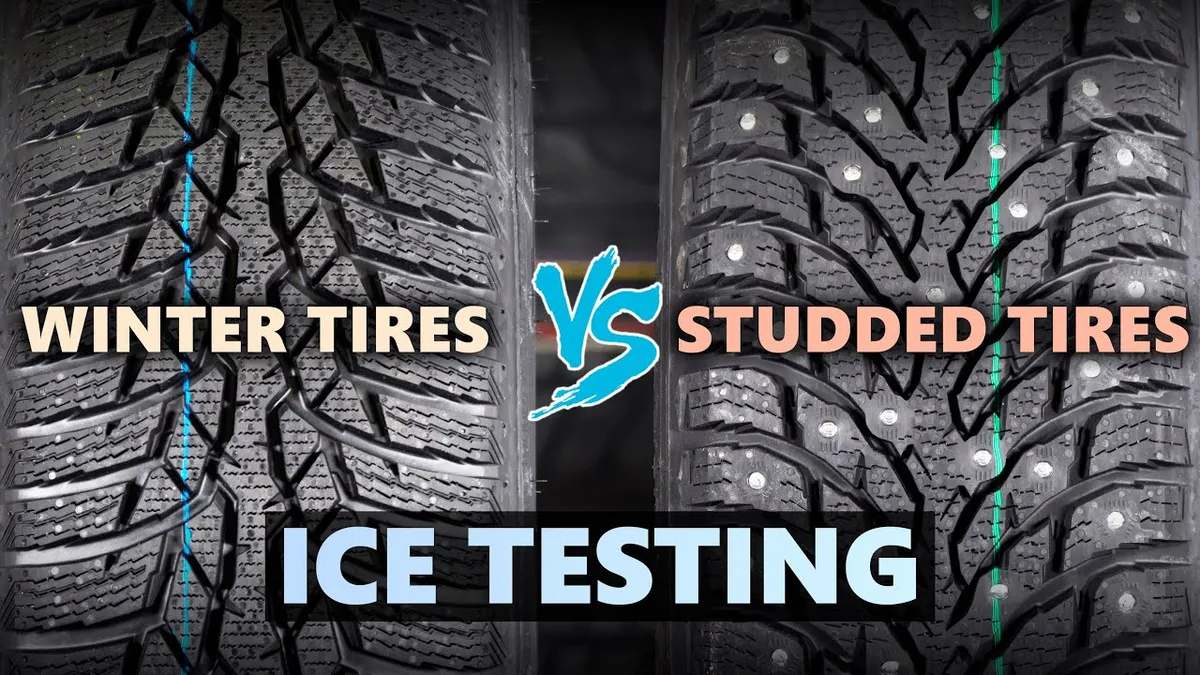
Studded designs feature hardened metal pins embedded in rubber blocks. Those pins dig into sheer ice surfaces providing unmatched hold. On dry or wet pavement, however, they slip against hard contact patches.
Studless versions rely on dense silica compounds and intricate siping patterns. They conform to textured ice without piercing. Results feel stable whether the surface is frozen or damp.
Noise divergence becomes obvious above 40 mph. Stud tires produce a distinctive rattle. Studless alternatives hum softly.
Cost analysis favors studs slightly upfront. Yet replacement frequency tips the scales later. Metal fatigue shortens usable life to roughly three winters versus five.
Who Should (and Shouldn’t) Use Studded Tires in Mississippi
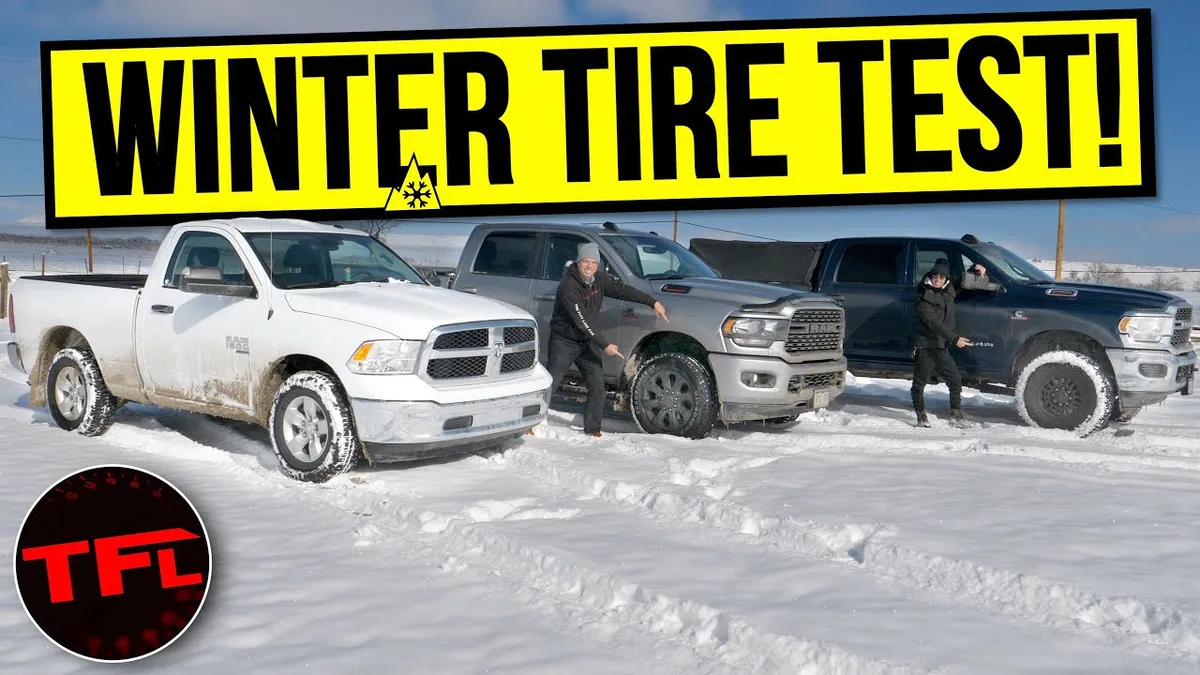
Northern Mississippi residents face the coldest winters. If you live in Tupelo or Oxford, studded tires make sense for frequent ice.
YouTube / The Fast Lane Truck (YouTube thumbnail (fair-use with source credit))
Daily commuters in Jackson or Gulfport can skip them. Mild winters and quick road treatments reduce the need.
Commercial drivers hauling heavy loads should consider studs. Extra weight needs more stopping power on slick surfaces.
Weekend adventurers heading to higher elevations might want them too. Forest roads and hunting trails stay icy longer.
The Risks of Using Studded Tires Where They’re Not Needed
Studded tires damage pavement over time. The metal studs create micro-fractures in asphalt. This leads to potholes and rougher roads for everyone.
They also wear out faster on dry pavement. The hard studs can’t flex like rubber. This means you’ll replace them more often.
Noise is another downside. The studs create a constant hum on highways.
Handling suffers on warm, dry roads. Studded tires don’t grip as well as regular tires in summer conditions.
How to Check if Your Tires Are Winter-Ready (Without Studs)
Look for the Three-Peak Mountain Snowflake symbol. This marking means the tire meets severe snow traction standards.
Check the tread depth. Use the penny test: insert a penny into the tread with Lincoln’s head upside down. If you see the top of his head, the tread is too low.
Inspect the rubber compound. Winter tires use softer rubber that stays flexible in cold weather. If the rubber looks cracked or hardened, it’s time for new tires.
Look at the tread pattern. Deep grooves and plenty of siping help channel snow and slush.
What Happens If You Break the Rules?
Driving with studded tires outside the legal window can get you a ticket. Mississippi law enforcement can cite you for illegal equipment. Fines typically range up to $250.
You might also fail a vehicle inspection. While Mississippi doesn’t require annual inspections, officers can check during traffic stops.
Insurance claims could be denied if an accident happens while using illegal tires. Insurers may argue that non-compliant equipment contributed to the incident.
Repeat offenses might lead to higher penalties. While rare, consistent violations can result in increased fines.
Mississippi’s Neighboring States: A Quick Comparison
Tennessee allows studded tires from October 1 to April 15. Their window is slightly shorter than Mississippi’s.

YouTube / CNN-News18 (YouTube thumbnail (fair-use with source credit))
Alabama bans studded tires year-round. If you’re driving through Alabama, you’ll need to remove them.
Arkansas permits studded tires from November 15 to April 1. Their season starts later but ends around the same time.
Louisiana has no statewide restrictions on studded tires. However, local ordinances may apply.
Practical Winter Driving Tips for Mississippi Roads
Slow down before bridges and overpasses. These freeze first because cold air circulates above and below.
Keep your gas tank at least half full. Cold weather can reduce battery efficiency.
Check your windshield wipers and fluid. Winter blends prevent freezing.
Pack an emergency kit. Include a blanket, flashlight, and jumper cables.
Frequently Asked Questions
Are studded tires legal year-round in Mississippi?
No. They’re only allowed from October 1 through April 30. Using them outside this window can result in a fine.
Do I need winter tires in Mississippi?
Not usually. Most of the state has mild winters. Northern areas may benefit from them during cold snaps.
How do I know if my tires are winter-ready?
Look for the Three-Peak Mountain Snowflake symbol. Check tread depth with the penny test.
What’s the penalty for using studded tires in summer?
You could face a fine up to $250. Officers may also issue a fix-it ticket.
Can I use tire chains instead of studded tires?
Yes. Chains are legal but must be removed when not needed. They’re best for extreme conditions.