ByMax Lee
Missouri Biennial Vehicle Registration Renewal Options
Missouri’s biennial vehicle registration renewal can feel confusing if you’re not sure where to start. The Missouri biennial vehicle registration renewal options available include online, mail, in-person, and kiosk methods, each with its own requirements and steps. As of 2026, the state processes renewals every two years, so timing your submission correctly avoids late fees.
Most renewals take just minutes if you have the right documents ready. The key is knowing which method fits your situation and county rules.
Quick Answer
Missouri offers four ways to renew your vehicle registration. Online is fastest if you qualify. Mail works without internet access.
In-person gives you same-day plates. Kiosks are quick but limited to select counties.
How Missouri’s Biennial Registration Works
Missouri requires vehicle registration renewal every two years. The system is designed to reduce paperwork while keeping records current. You’ll get a renewal notice in the mail about 60 days before your expiration date.
The state ties registration to property tax payment. If your personal property taxes aren’t paid, you can’t renew. This rule applies even if you’ve never missed a registration deadline before.
YouTube / Helping Hermit (YouTube thumbnail (fair-use with source credit))
Who Needs to Renew and When
All Missouri vehicle owners must renew their registration biennially. This includes cars, trucks, motorcycles, and trailers. The renewal window opens six months before your current registration expires.
New residents have 30 days to register their vehicle in Missouri. If you move within the state, you have 30 days to update your address. Both scenarios may require in-person visits to verify documents.
The 4 Ways to Renew Your Missouri Registration
Missouri provides multiple renewal methods to fit different needs. Each has specific eligibility rules and processing times. Choose based on your county, vehicle type, and personal preferences.
Online Renewal: Fastest and Easiest (If You Qualify)
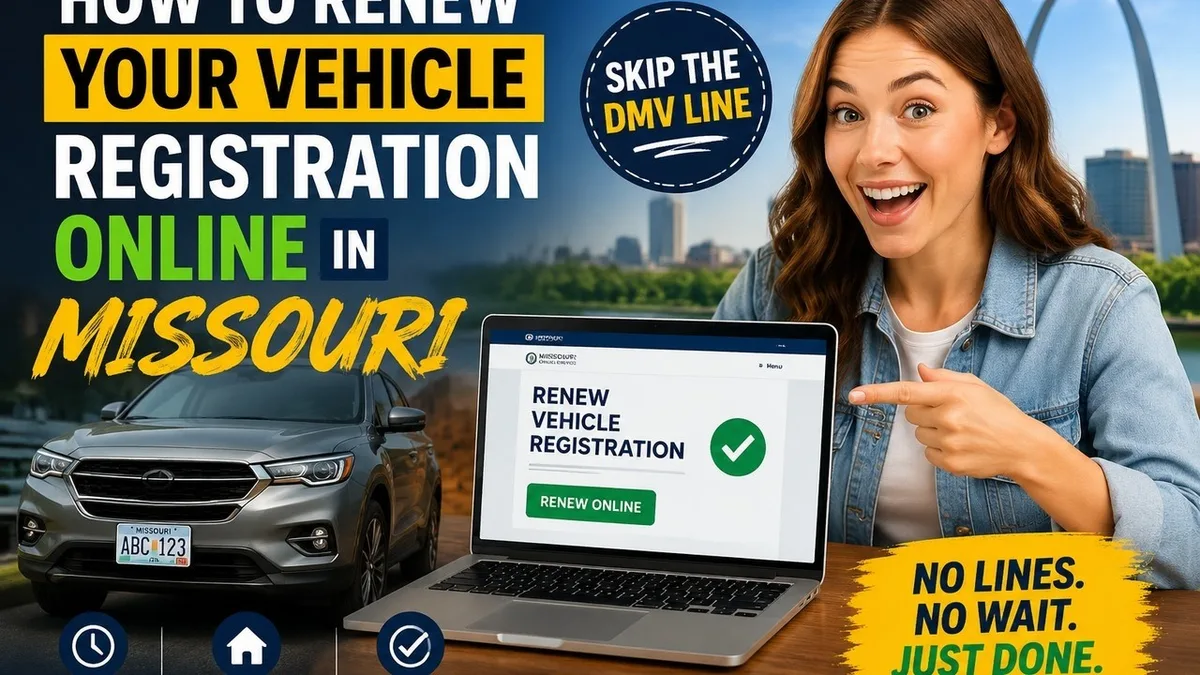
Online renewal is the quickest option for most drivers. You can complete it 24/7 through the Missouri Department of Revenue’s portal. The process takes about 5 minutes if you have all documents ready.
Eligibility requirements:
- No outstanding tickets or fines
- Valid Missouri insurance on file
- No address changes since last renewal
- No vehicle modifications that require inspection
- Property taxes paid in full
You’ll need your renewal notice or vehicle title, insurance information, and property tax receipt. Payment can be made by credit/debit card or e-check. Your new registration and plates (if applicable) arrive by mail within 7-10 business days.
YouTube / Как се прави (YouTube thumbnail (fair-use with source credit))
What You’ll Need Before You Start
Gather these documents before attempting any renewal method. Missing just one can delay the process or force an in-person visit.
Required for all methods:
- Vehicle title or current registration
- Proof of Missouri insurance
- Personal property tax receipt (from your county assessor)
- Payment for fees (amount varies by vehicle type and county)
Additional requirements for some situations:
- Emissions inspection certificate (St. Louis City/County, Franklin, Jefferson, St. Charles)
- Safety inspection certificate (if required for your vehicle type)
- Lienholder information (if your vehicle has a loan)
- Power of attorney (if someone else is renewing on your behalf)
YouTube / ConsumerAuto (YouTube thumbnail (fair-use with source credit))
Gather these documents before attempting any renewal method. Missing just one can delay the process or force an in-person visit.
Required for all methods:
- Vehicle title or current registration
- Proof of Missouri insurance
- Personal property tax receipt (from your county assessor)
- Payment for fees (amount varies by vehicle type and county)
Additional requirements for some situations:
- Emissions inspection certificate (St. Louis City/County, Franklin, Jefferson, St. Charles)
- Safety inspection certificate (if required for your vehicle type)
- Lienholder information (if your vehicle has a loan)
- Power of attorney (if someone else is renewing on your behalf)
YouTube / ConsumerAuto (YouTube thumbnail (fair-use with source credit))
Step-by-Step: How to Renew Online
Online renewal takes about five minutes if you follow these steps exactly. You’ll need your renewal notice, insurance information, and property tax receipt ready.
Check Your Eligibility First
Log into the Missouri DOR website and select “Renew Online.” The system will instantly tell you if you’re eligible. If you have any outstanding tickets, the portal will block your renewal.
Enter Your Vehicle Information
Input your license plate number and VIN from your renewal notice. Double-check that your address matches what’s on file. A mismatch will require an in-person visit to correct.
Upload Proof of Insurance
Missouri verifies insurance electronically. If your insurer’s data doesn’t match, you’ll need to submit a form manually. Keep your insurance ID card handy just in case.
Pay Your Fees
Credit and debit cards are accepted, plus electronic checks. The system breaks down your total: base registration fee, county surcharge, and any plate fees. Review each line before confirming payment.
Save Your Confirmation
Print or save the PDF confirmation immediately. It serves as your temporary registration until your new sticker arrives by mail. Expect delivery within seven to ten business days.
Step-by-Step: How to Renew by Mail
Mail-in renewal works well if you prefer paper trails or lack reliable internet. The process takes longer but requires fewer technical steps.
Complete the Renewal Notice
Fill out every field on the notice you received. Use a black pen and print clearly. Leave no boxes blank, even if they don’t apply to you.
Attach Required Documents
Include a photocopy of your insurance ID card and property tax receipt. If you own your vehicle outright, attach a copy of the title. Liens require additional lienholder paperwork.
Write a Check or Money Order
Make payment payable to the Missouri Department of Revenue. Include your name, address, and plate number on the memo line. Do not send cash through the mail.
Mail It to the Right Address
Send your package to your county assessor’s office. Addresses vary by county. Check the back of your renewal notice for the correct mailing address.
Track Your Mail
Consider using certified mail with tracking. This gives you proof of delivery and a timeline. Standard mail can take two to three weeks for processing.
Step-by-Step: How to Renew In Person
In-person renewal is your best option when online or mail methods fail. It also guarantees same-day plates if you need replacements.
YouTube / St. Louis County, MO (YouTube thumbnail (fair-use with source credit))
Gather Everything in One Trip
Bring your renewal notice, title, insurance card, and tax receipt. Also carry a valid photo ID and proof of residence. Missing one document means another visit.
Visit Your County Assessor Office
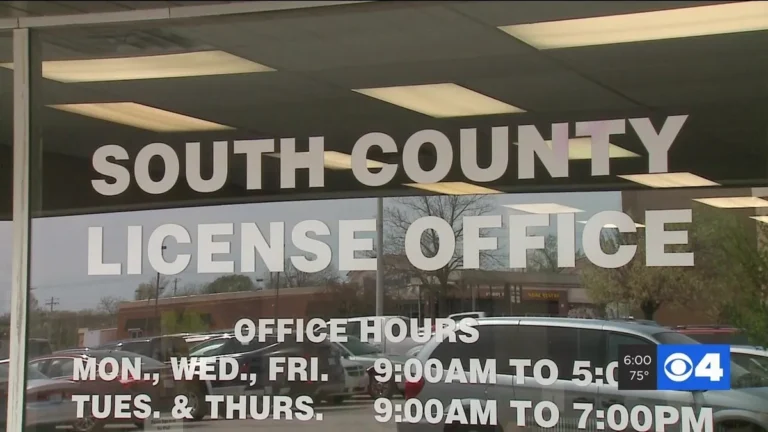
Locate the office closest to you. Hours vary by county, but most open at 8 AM and close at 5 PM. Arrive early to avoid long lines.
Submit Your Documents
A clerk will review your paperwork and ask a few questions. They’ll calculate your exact fees and issue a receipt. Ask about any pending fines that could affect your renewal.
Receive Your Registration Sticker
Your new sticker is applied to your existing plate on the spot. If you need duplicate plates, pay the extra fee and wait a few days for them to arrive.
Keep Your Records
Take a photo of your new sticker and receipt. Store them with your glove compartment documents. You’ll need them for roadside stops or insurance verification.
Missouri Registration Renewal Costs and Fees
| Vehicle Type | Base Fee Range | County Surcharge | Total Estimated Cost |
|---|---|---|---|
| Passenger car (under 10k lbs) | $18.25 – $51.25 | $0 – $20 | $20 – $70 |
| Light truck (10k–16k lbs) | $25.00 – $75.00 | $0 – $20 | $25 – $95 |
| Motorcycle | $10.00 – $20.00 | $0 – $10 | $10 – $30 |
| Commercial vehicle (per axle) | $30.00+ | Varies | $60+ |
Figures are approximate and based on 2026 state guidelines. Always confirm with your county assessor.
County Surcharges Explained
Each Missouri county adds its own fee. Urban counties like St. Louis charge more than rural ones.
The surcharge helps fund local road maintenance.
Specialty Plate Extra Costs
Personalized or specialty plates cost additional. Military, veteran, and cause-related plates range from $10 to $50 extra. Some waive annual fees but require application paperwork.
Lienholder Handling Fees
If you owe money on your vehicle, your bank may charge a release fee. This isn’t a state fee. Call your lender to ask about any processing costs before renewing.
Emissions and Safety Inspections: Do You Need Them?
YouTube / FOX 2 St. Louis (YouTube thumbnail (fair-use with source credit))
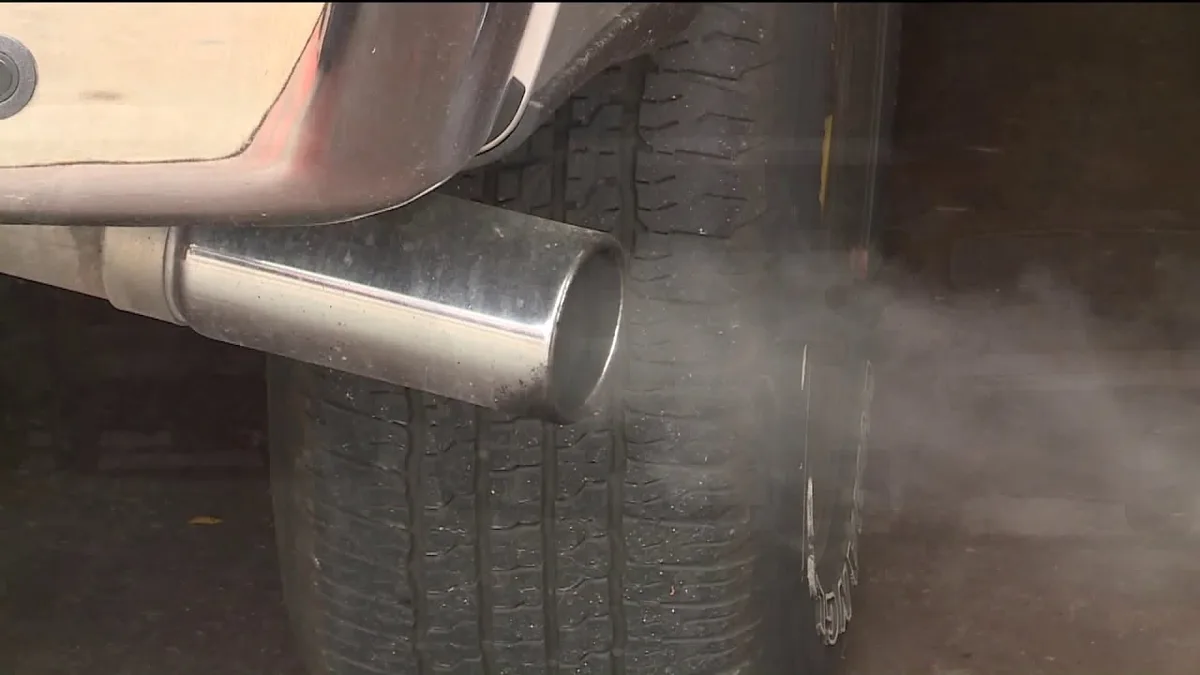
Emissions Testing Counties
Only five areas require emissions checks: St. Louis City, St. Louis County, Franklin, Jefferson, and St.
Charles counties. If you live outside these zones, skip this step entirely.
What the Emissions Test Covers
The test measures tailpipe pollutants using a tailpipe probe. It takes about fifteen minutes. Vehicles older than eight model years typically qualify.
Newer cars follow different standards.
Safety Inspections for Specific Vehicles
Most personal cars don’t need safety inspections. However, commercial vehicles, taxis, and motorcycles may require annual checks. The inspection covers brakes, lights, steering, and tires.
Where to Get Inspected
Emissions tests happen at licensed inspection stations. Safety checks occur at DMV offices or authorized garages. Both accept cash, check, and major credit cards.
Keep Your Certificate Safe
Store your inspection certificate in your glove box. You’ll need to present it during renewal if asked. Digital copies aren’t always accepted, so keep a paper backup.
Self-Service Kiosks: Quick but Limited Availability
Kiosks offer a middle ground between online convenience and in-person speed. You walk in, follow prompts on a touchscreen, and get your receipt instantly. These machines are placed inside select county assessor offices or Department of Revenue satellite locations.
YouTube / TIP O TRIP (YouTube thumbnail (fair-use with source credit))
How kiosks work:
- Scan your renewal notice barcode
- Verify your insurance and tax status electronically
- Pay with credit card, debit card, or e-check
- Print a temporary registration receipt on the spot
Kiosks only accept renewals for eligible vehicles. If your insurance hasn’t updated in the state system, the kiosk will error out. In that case, switch to online or visit a staffed counter.
Availability varies by county, so call ahead to confirm which locations have working machines.
Common Mistakes That Delay or Block Your Renewal
Even simple renewals trip people up when they skip a step. Knowing where others stumble can save you a headache.
Forgetting Property Tax Receipts
This is the number one blocker. Your personal property tax must be paid before the state processes your registration. If you recently paid taxes late, give the system 48 hours to update before attempting renewal.
Driving With Expired Insurance
Missouri runs an automated insurance verification check. If your policy lapsed even briefly, the renewal will fail. Contact your insurer to confirm active coverage, then retry.
Ignoring Outstanding Tickets
Unpaid traffic fines trigger a hold on your registration. You can’t clear it online. Visit the court or pay online first, then return to the DOR portal.
Wrong Address on File
Moving without updating your address causes notices to go nowhere. If your mail bounces, the state may flag your account. Update online or visit your county assessor to correct it before renewing.
Assuming All Vehicles Qualify Online
Modified vehicles, commercial trucks, and rebuilt titles often require extra inspections. The online system will reject these automatically. Check your vehicle type before starting the digital process.
What Happens If You Renew Late?
Missouri doesn’t shut down your plates immediately, but penalties stack quickly. Here’s what triggers when you miss the window.
Grace Period Details
You actually get a grace period of roughly six months after expiration. During that time, you can still renew without heavy fines. However, you cannot legally drive once the sticker expires until you’ve renewed.
Late Fees Structure
After the grace period ends, fees climb sharply. You’ll owe the original registration cost plus a penalty that ranges from 10 percent to 25 percent of the base fee. Some counties add their own surcharge on top.
Possible Ticket Risks
If pulled over with expired tags, officers can issue a citation. Fines vary by county but typically start around $50 to $100. Repeat offenses invite higher penalties and potential court dates.
How to Fix It Fast
Log into the DOR website or visit your county office immediately. Bring all required documents. Pay the full amount including penalties.
Your new sticker arrives by mail within a week.
Missouri County-Specific Rules You Should Know
While state law governs most of the process, individual counties hold sway over fees, inspections, and local procedures. Understanding these differences prevents surprises.
St. Louis City and County
Both areas mandate emissions testing. You must pass a biannual smog check before renewal. Stations charge between $15 and $30.
County records also process license plate transactions faster than most.
Rural Counties
Many rural counties lack online renewal options entirely. Drivers must mail paperwork or visit the assessor in person. Wait times can stretch over an hour during peak seasons.
Call ahead to check queue length.
Kansas City Metro (Jackson County)
Jackson County offers self-service kiosks in several locations. They also accept online renewals for standard passenger vehicles. Specialty plate applications may still require an in-person visit.
Unique Plate Programs
Some counties run local specialty plate programs. These might support county fairs, historical societies, or conservation groups. Application forms differ by jurisdiction.
Check your county assessor’s website for local options.
FAQs About Missouri Biennial Registration Renewal
Can I renew my Missouri registration before the expiration date?
Yes. You can renew up to six months before your current tag expires. Early renewal locks in your renewal date and avoids last-minute stress.
What if I lost my renewal notice?
Don’t panic. You can still renew using your vehicle identification number and driver’s license. Gather your title, insurance proof, and tax receipt instead.
Online and in-person methods both work without the paper notice.
Does Missouri have a grace period for expired registrations?
Missouri allows a six-month grace period without late fees. After that, penalties apply. Driving with expired tags during the grace period is still illegal and risks a ticket.
How long does mail-in renewal take?
Expect seven to ten business days from mailing to receipt. Allow extra time during holiday rushes. Certified mail tracking helps confirm delivery.
Can I renew online if I moved to a different county?
No. Address changes require an in-person visit to update county records. Once corrected, you can use online or mail methods for future renewals.
Final Decision Guide: Which Renewal Option Is Best for You?
Choosing the right method depends on your situation, county, and comfort level. Use this quick flow to decide.
Pick Online Renewal If:
- You live outside emissions-only counties
- Your insurance and taxes are current
- You want confirmation within minutes
- Your address hasn’t changed recently
Pick Mail Renewal If:
- You lack reliable internet access
- You prefer paper trails for records
- You have extra time before expiration
- You’re renewing for a leased vehicle
Pick In-Person Renewal If:
- Your vehicle needs special inspections
- You owe county-specific surcharges
- You need duplicate plates immediately
- Online or mail attempts failed
Pick a Kiosk If:
- Your county offers one nearby
- Your eligibility clears instantly on-screen
- You want a same-day receipt without waiting in line
Match your circumstances to the path above. When in doubt, call your county assessor’s office for clarification. Their staff can confirm exact requirements for your vehicle and location.