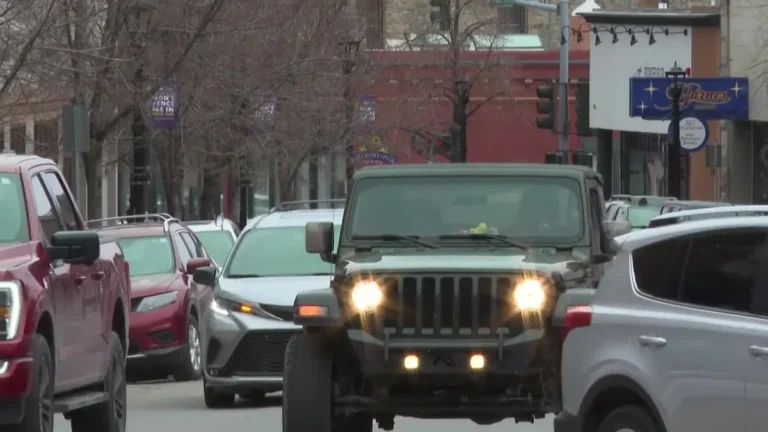
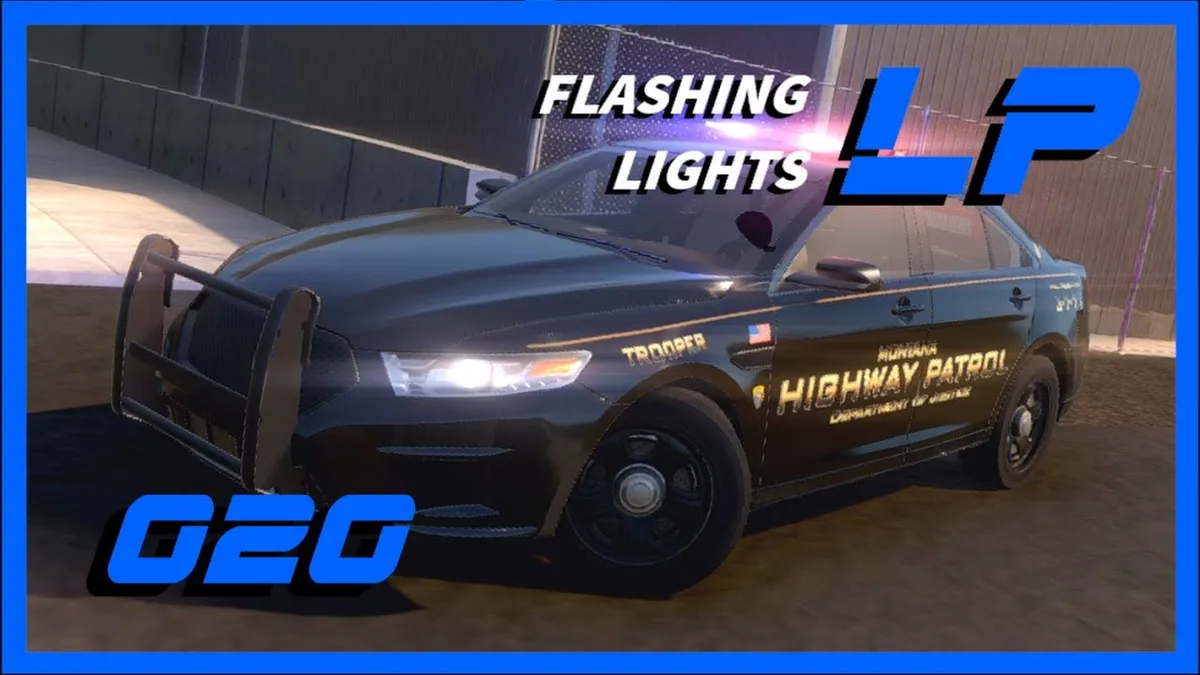
The Montana move over law for emergency vehicles on roadside isn't just a traffic rule, it's a lifesaver for the people pulling over to help you or fix a breakdown. If you've ever driven past a parked police car, ambulance, or tow truck with flashing lights, you've seen why this law exists. It's simple in theory but easily misunderstood in practice, especially on Montana's busy highways or narrow rural roads.
Under Montana Code Annotated (MCA) 61-8-354, drivers must either move over to a lane not adjacent to the stopped emergency vehicle or slow down to 10 mph below the posted speed limit when it's safe to do so. As of 2026, this law covers a wide range of vehicles and situations, but knowing exactly when and how to comply can prevent costly fines and, more importantly, keep first responders safe.
Quick Answer
Montana move over law for emergency vehicles on roadside requires you to move over to a lane not adjacent to a stopped emergency vehicle. If you cannot change lanes safely, slow down to at least 10 mph below the posted speed limit.
This applies to police cars, fire trucks, ambulances, tow trucks, and highway maintenance vehicles with flashing lights. The goal is to protect emergency responders and roadside workers from passing traffic.
What Montana’s Move Over Law Actually Requires
The core requirement is straightforward. When you approach a stationary emergency vehicle with activated flashing lights, you must either change lanes to give it a wide berth or reduce your speed.
Montana’s law provides two clear options. First, if there is another lane available and it is safe to do so, move over to that lane. Second, if changing lanes is not possible or safe, slow down to at least 10 mph below the posted speed limit.
This speed reduction must be maintained until you have passed the emergency vehicle.
The exact legal text is in Montana Code Annotated (MCA) 61-8-354. It outlines the duties of drivers when encountering stationary emergency vehicles. Understanding these two options, moving over or slowing down, is key to staying compliant and safe.
Why This Law Exists and Who It Protects
Emergency vehicles stopped on the side of the road are vulnerable. Responders often deal with high-stress situations, limited visibility, and fast-moving traffic. The move over law exists to reduce the risk of collisions between passing vehicles and stopped emergency personnel.
This law protects a wide range of roadside workers. It covers police officers conducting traffic stops, firefighters responding to incidents, paramedics treating patients, tow truck operators helping stranded drivers, and highway maintenance crews. Each of these professionals relies on the buffer created by moving-over compliance.
Data from traffic safety organizations shows that striking a stopped emergency vehicle is a leading cause of line-of-duty deaths for first responders. By requiring drivers to create space, the law aims to lower that risk.
The Exact Rules: When and How to Move Over
Knowing when the law applies is as important as knowing what to do. The move over requirement triggers when you see a stationary emergency vehicle with activated flashing lights. This includes vehicles that are parked, disabled, or attending to an incident on the roadside.
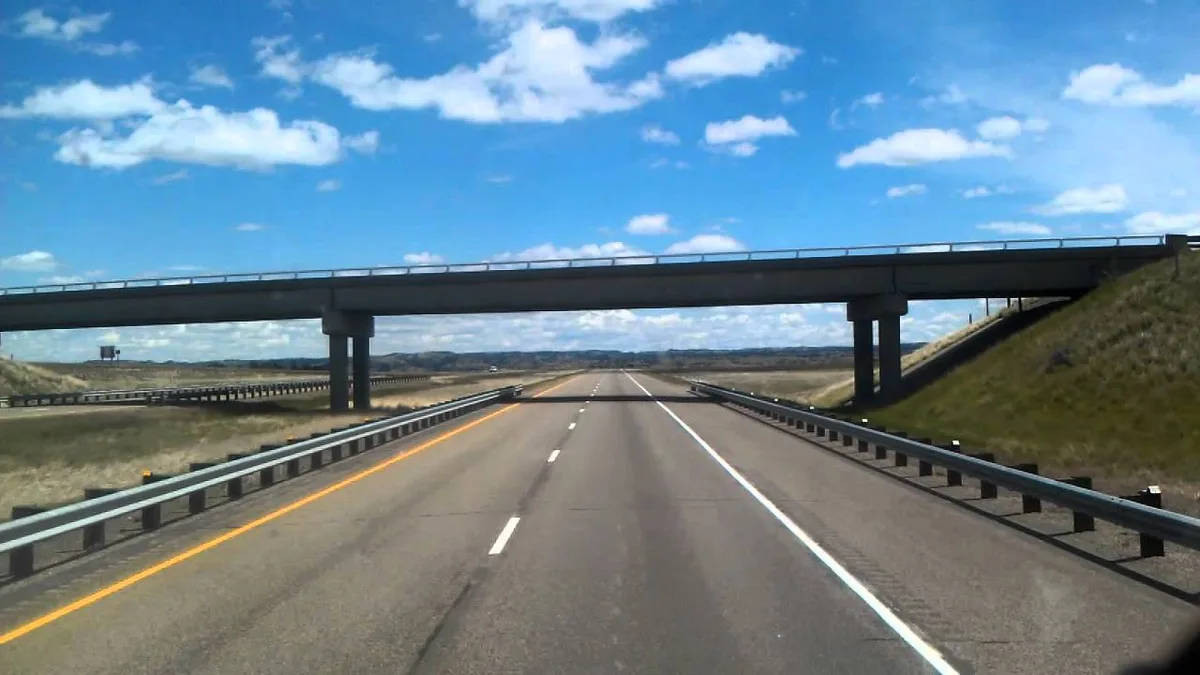
If you are on a multi-lane road, you must move over to a lane not adjacent to the emergency vehicle if it is safe to do so. On two-lane roads where no other lane is available, you must slow down to at least 10 mph below the posted speed limit.
Key points to remember:
- The vehicle must be stationary with activated emergency lights
- You must move over if a safe lane change is possible
- If you cannot change lanes, slow down to at least 10 mph below the posted limit
- These rules apply day and night, in all weather conditions
What Counts as an Emergency or Roadside Vehicle
The law doesn't just cover police cars and ambulances. Montana's move over law extends to a broad category of vehicles that may be stopped on the roadside performing essential duties.

Qualified vehicles include:
- Law enforcement vehicles (police, sheriff, highway patrol)
- Fire department vehicles (engines, rescues, chief cars)
- Emergency medical services vehicles (ambulances, paramedic units)
- Tow trucks and roadside assistance vehicles
- Highway maintenance and construction vehicles
- Utility and power company vehicles with flashing lights
The common thread is activated flashing lights and a stationary position on or near the roadway. If a vehicle has emergency lighting and is stopped to perform work or assist someone, you should assume the move over law applies.
Speed and Lane Change Rules on Different Roads
The specific actions you take depend on the road type and traffic conditions. Montana's law provides clear guidelines for different scenarios.
On multi-lane highways and interstates, move over to a lane not adjacent to the stopped emergency vehicle if it is safe to do so. This is the preferred action because it creates the maximum physical distance between you and the responders.
On two-lane roads where no other lane is available, you cannot move over. In these cases, you must slow down to at least 10 mph below the posted speed limit until you have passed the emergency vehicle.
Never make a sudden or dangerous lane change simply to comply with the law. If changing lanes isn't safe, slow down instead. The law prioritizes safe driving over strict lane movement.
What to Do When You Can’t Safely Change Lanes
Sometimes traffic or road conditions make a lane change impossible. In these cases, the law still requires action. You must slow down to at least 10 mph below the posted speed limit when passing the emergency vehicle.
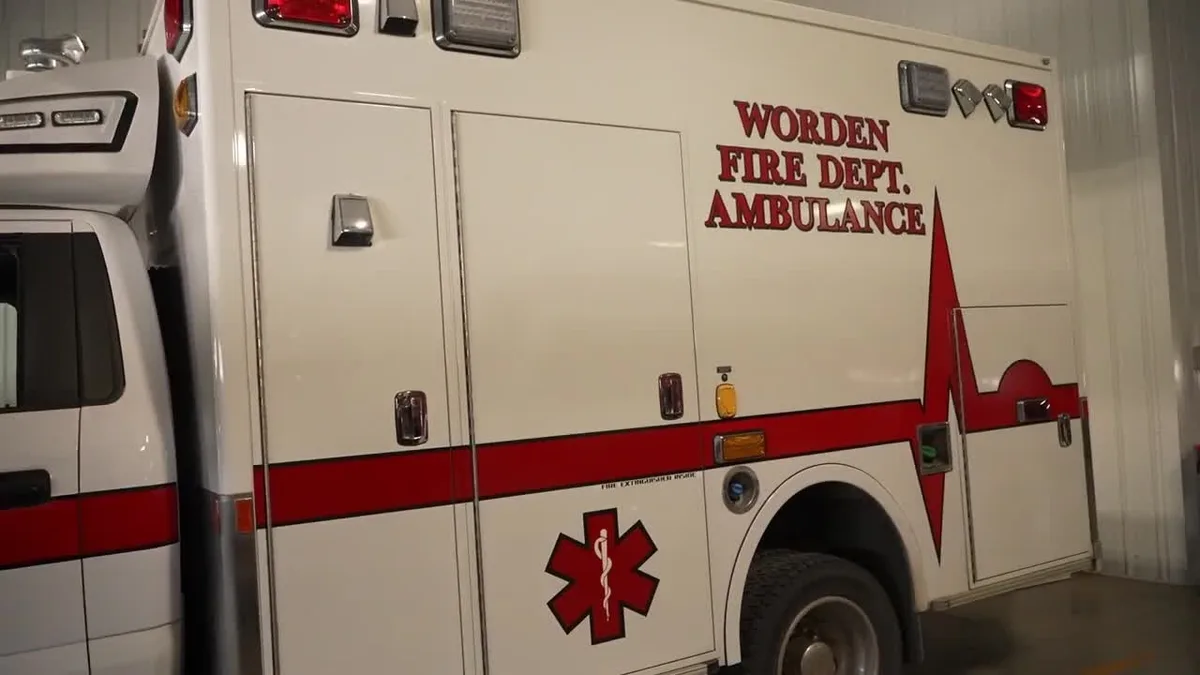
This applies on two-lane roads where no other lane exists. It also covers situations where heavy traffic prevents a safe lane change. The key is maintaining a reduced speed until you've completely passed the stopped vehicle.
Never assume that slowing down is optional. Even if you can't move over, reducing your speed creates a safer environment for roadside workers.
Penalties for Breaking Montana’s Move Over Law
Violating Montana's move over law carries real consequences. The fine for a first offense is typically $100, but it can increase for repeat violations. You may also receive points on your driving record.

These penalties exist to reinforce the seriousness of the law. The financial cost is secondary to the potential human cost of non-compliance. A moment of inattention can result in serious injury or death to emergency personnel.
Law enforcement officers actively enforce this statute. They understand the risks their colleagues face on the roadside.
Common Mistakes Drivers Make (And How to Avoid Them)
Many drivers assume the law only applies to police cars. This is a dangerous misconception. The statute covers all emergency and roadside assistance vehicles with activated flashing lights.
Another frequent error is failing to slow down when a lane change isn't possible. Some drivers maintain their speed, believing they've done enough by staying in their lane. The law requires either moving over or slowing down.
Distraction plays a major role in violations. Drivers focused on their phones or navigation systems often miss the visual cues of stopped emergency vehicles. Always scan the roadside for flashing lights and parked vehicles.
Real-Life Scenarios: How to React in Tough Situations
Night driving presents unique challenges. Reduced visibility makes it harder to spot emergency vehicles. In these cases, slow down when you see any flashing lights in the distance.
Give yourself extra time to assess the situation.
Bad weather conditions require additional caution. Rain, snow, or fog can obscure emergency vehicles until the last moment. Reduce your speed in poor conditions and be prepared to react quickly.
Construction zones often have emergency vehicles present. These areas typically have reduced speed limits already. Combine this with the move over law requirements for maximum safety.
Montana vs. Other States: How the Law Compares
Montana's move over law is similar to those in most other states. All 50 states have some form of this legislation. However, the specifics can vary significantly.
Some states require moving over only when it's safe to do so. Others mandate it regardless of traffic conditions. The speed reduction requirement also differs, with some states specifying exact speeds while others use more general language.
Montana's law is relatively straightforward. It requires either moving over or slowing down by at least 10 mph. This clarity makes compliance easier for drivers.
Official Sources and Where to Verify the Rules
The Montana Department of Transportation provides official guidance on this law. Their website includes detailed explanations and frequently asked questions. You can also find the full legal text in Montana Code Annotated (MCA) 61-8-354.
The National Highway Traffic Safety Administration (NHTSA) offers additional resources. They provide national statistics on the importance of move over laws.
For the most current information, always check official state sources. The Montana Highway Patrol can also answer specific questions about enforcement.
Quick FAQs About Montana’s Move Over Law
Does the law apply to parked police cars without flashing lights?
No. The law only applies when emergency vehicles have activated flashing lights. A parked police car without lights doesn't trigger the move over requirement.
What if I'm in the far lane on a multi-lane highway?
You still need to move over if possible. If you're already in the far lane, maintain your speed but stay alert. The law requires creating space between you and the emergency vehicle.
Are there any exceptions to the law?
No. The law applies in all conditions, day or night, in good weather or bad. The only consideration is whether a lane change is safe to perform.
How do I know if a vehicle qualifies as an emergency vehicle?
Look for activated flashing lights. These can be red, blue, or amber. The color often indicates the type of vehicle, but all require compliance.
What's the best way to remember the rule?
Think "move over or slow down." If you can safely change lanes, do so. If not, reduce your speed by at least 10 mph below the limit.