ByMax Lee
Montana Slow Mover Pullout Law: Safer Rural Roads Explained
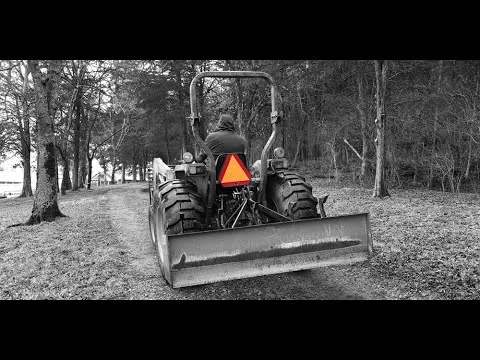
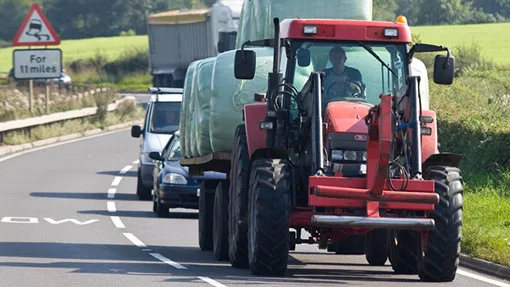
If you drive Montana's rural roads, you've likely been stuck behind a tractor or combine crawling along a two-lane highway. It's frustrating, but that's exactly why Montana's slow mover pull-out law exists. This rule isn't just about courtesy; it's a legal requirement designed to keep everyone safe when faster traffic builds up behind vehicles traveling 25 mph or less.
Per Montana Code Annotated (Title 61, Motor Vehicles) and guidance from the Montana Department of Transportation (MDT), operators of slow-moving vehicles must pull off the roadway at designated pull-outs or when safe to do so, allowing trailing traffic to pass. Understanding this law is critical for farmers, equipment operators, and every rural driver, as compliance directly impacts accident prevention and legal liability.
YouTube / Iron Solutions (YouTube thumbnail (fair-use with source credit))
Quick Answer
Montana slow mover pull out law for rural road safety requires vehicles traveling under 25 mph to pull over when five or more vehicles accumulate behind them. This rule applies to farm equipment, construction vehicles, and any machine moving significantly slower than normal traffic. Failure to comply can result in fines and increased liability in the event of a collision.
The law balances agricultural operations with efficient travel on narrow rural highways.
What Montana's Slow Mover Pull-Out Law Actually Means for Rural Roads
Montana's slow mover pull-out law is a traffic regulation that requires operators of slow-moving vehicles to yield to faster traffic under specific conditions. It's not a suggestion; it's a legal obligation written into state statute to reduce congestion and prevent dangerous passing maneuvers on rural two-lane roads.
The core rule is straightforward: If you're driving a vehicle that can't maintain the normal speed of traffic, you must pull over at the nearest safe turnout when a line of five or more vehicles has formed behind you. This applies to agricultural equipment, construction machinery, horse-drawn wagons, and even some recreational vehicles like ATVs or snowmobiles when operating on public roads.
Think of it as a shared-responsibility system. Farmers and equipment operators need to move machinery between fields or job sites, but other drivers also have a right to travel efficiently and safely. The pull-out law attempts to balance those needs by creating predictable pauses in slow-moving traffic.
The law covers roads where the posted speed limit is 55 mph or higher, which includes many of Montana's rural highways. On narrower or lower-speed roads, different rules may apply, but the principle remains the same: don't block traffic when you can safely move aside.
Why This Law Exists and Who It Affects
This law exists because of a simple reality: when a vehicle traveling 15 mph shares a road with vehicles moving 55 mph, the speed differential creates dangerous situations. Frustrated drivers may attempt risky passes on blind curves, tailgate until a collision occurs, or crowd the slow vehicle into ditches.
The primary groups affected are:
- Farmers and ranchers transporting harvest equipment, hay balers, or plows across county roads
- Construction companies moving earthmovers, pavers, or concrete trucks between job sites
- Forestry operations hauling logging equipment on access roads
- Recreational vehicle operators using ATVs, UTVs, or snowmobiles on permitted routes
- All other motorists who share these roads and expect to travel at posted speeds
Harvest season creates the most visible impact. September through October sees increased tractor and combine traffic as equipment moves from field to grain bin. Spring planting season brings similar patterns.
The law aims to minimize disruption during these peak periods while ensuring farmers can still access their land.
Beyond agriculture, the law affects anyone operating machinery that can't keep up with normal traffic flow. This includes municipal road crews, utility vehicles, and even school buses on short routes in some cases. The key factor is speed, not purpose.
The Exact Rules: When and How Slow-Moving Vehicles Must Pull Over
The legal requirements have specific conditions and procedures. Breaking them down step by step removes ambiguity and helps operators know exactly what to do.
When you must pull over:
- When five or more vehicles have formed in a line behind your slow-moving vehicle
- When you're traveling below the normal speed of traffic on a highway with a posted speed limit of 55 mph or higher
- When you encounter a designated pull-out area that allows safe stopping
How to comply properly:
- Signal your intent to pull over well in advance
- Move completely onto the shoulder or into a pull-out area
- Stop only where your vehicle won't obstruct the travel lane
- Wait until the line of traffic has passed before re-entering the roadway
- Use extreme caution when merging back, checking for blind spots
Bing (Web (fair-use with source credit))
The Montana Department of Transportation provides additional guidance emphasizing that operators should plan routes to include frequent pull-outs when possible. Some rural counties maintain specific turnout areas marked by signs, but operators shouldn't wait for a marked pull-out if a safe shoulder area is available.
Vehicle operators must also consider visibility. Pulling over on curves, hilltops, or areas with limited sight distance creates danger for both the stopped vehicle and following traffic. The law requires pulling over only where it can be done safely without creating additional hazards.
Speed Thresholds and What Counts as a "Slow Mover" in Montana
Montana defines a slow-moving vehicle as any vehicle designed to travel at 25 mph or less on the roadway. This threshold isn't arbitrary; it represents the speed at which the normal flow of traffic typically begins to slow significantly.
Vehicles that commonly fall under this classification include:
| Vehicle Type | Typical Road Speed | Common Use Cases |
|---|---|---|
| Tractors | 15-20 mph | Field work, transport between fields |
| Combines | 5-8 mph | Harvest travel, road crossings |
| Hay balers | 10-15 mph | Field to storage transport |
| Construction equipment | 5-25 mph | Road work, site access |
| ATVs/UTVs | 15-25 mph | Recreational, utility use |
| Horse-drawn wagons | 5-10 mph | Agritourism, historical events |
The 25 mph threshold matters because it's the line between "normal traffic" and "obstruction." Vehicles capable of maintaining higher speeds generally aren't subject to the same pull-over requirements, though they still must operate safely.
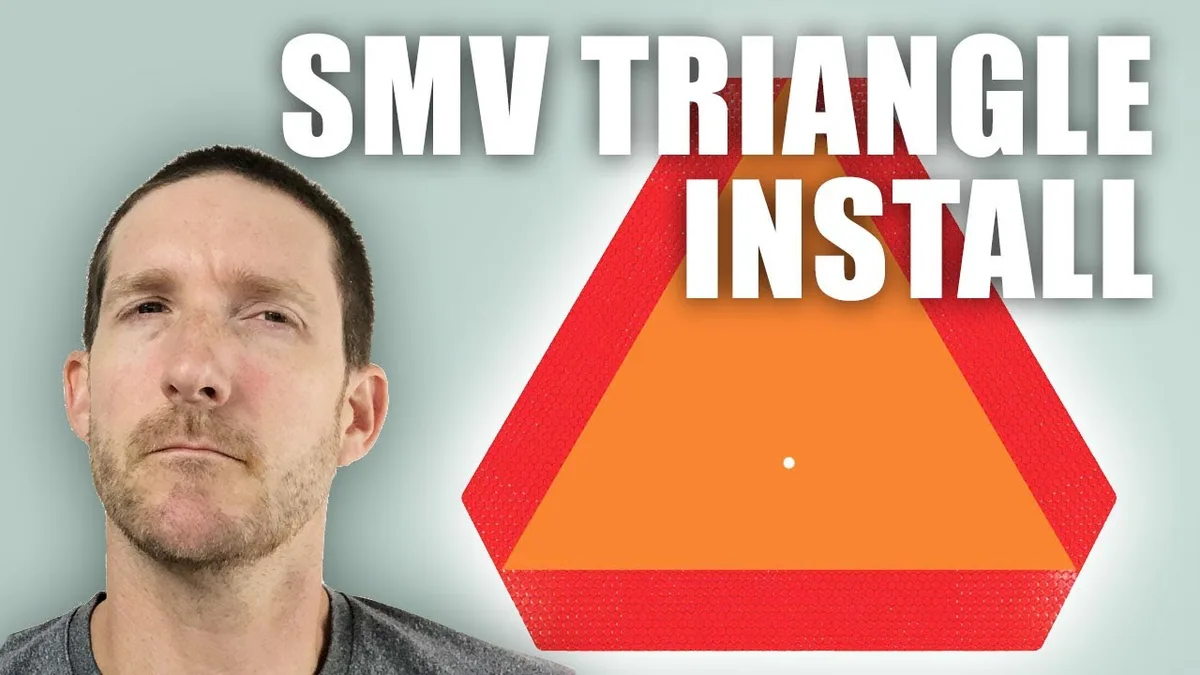
Some equipment, like certain agricultural implements, may have slow-moving vehicle (SMV) emblems mounted on the rear. These orange triangle reflectors signal to other drivers that the vehicle travels below normal speeds, but they don't exempt the operator from pull-over obligations when traffic backs up.
SMV Signs, Lights, and Visibility Requirements You Can't Ignore
Proper signage and lighting aren't just best practices; they're legal requirements for slow-moving vehicles on Montana roads. Non-compliance creates visibility hazards, especially during dawn, dusk, or winter months when daylight hours are limited.
The Slow-Moving Vehicle (SMV) emblem requirements include:
- A fluorescent orange center triangle with a narrow red reflective border
- Minimum 16-inch side lengths on the triangle
- Mounted no higher than 6 feet and no lower than 2 feet above the ground
- Facing directly rearward for maximum visibility
- Clean and undamaged to maintain reflectivity
YouTube / Streetwise Carts (YouTube thumbnail (fair-use with source credit))
Beyond the emblem, operators must ensure their vehicles are visible from the rear at distances of 500 feet or more during daylight. This typically requires working tail lights, brake lights, and turn signals. In low-light conditions, additional lighting or reflective tape may be necessary to meet this standard.
Some equipment operators add amber warning lights or strobes to increase visibility. While not always legally required, these lights provide extra safety margin and are widely recommended by agricultural extension programs and safety organizations.
The Montana Department of Transportation emphasizes that visibility requirements apply year-round, not just during harvest season. Winter operations, spring planting, and fall field work all occur under varying light conditions that demand proper lighting and signage.
Operators should regularly inspect SMV emblems for fading, cracking, or dirt buildup. A faded emblem loses its fluorescent properties and becomes nearly invisible during daytime hours. Replacement emblems are inexpensive and widely available through agricultural supply stores or online retailers.
Step-by-Step: What Farmers and Drivers Must Do to Comply
For slow-moving vehicle operators:
First, monitor traffic behind you. Use mirrors or a spotter when visibility is limited. When you see five or more vehicles lined up, signal early and begin looking for a safe pull-out spot.
Next, check the road conditions. Ensure the shoulder is wide enough and stable enough to support your vehicle's weight. Avoid soft shoulders, steep drop-offs, or areas with poor visibility.
Finally, come to a complete stop only when fully off the travel lane. Turn on your hazard lights if available. Wait until all trailing vehicles have passed before re-entering the roadway.
For following drivers:
Maintain a safe following distance. Tailgating a slow-moving vehicle creates blind spots and reduces reaction time for both parties.
Be patient. Attempting to pass on a two-lane road often leads to head-on collisions. Wait for a designated passing zone or until the slow vehicle pulls over.
Use caution when passing. Even in legal passing zones, ensure you have clear visibility and sufficient space to complete the maneuver safely.
Common Mistakes That Lead to Fines or Accidents
Operators often fail to pull over soon enough. Waiting until traffic builds to ten or more vehicles increases frustration and the likelihood of dangerous passing attempts. The law specifies five vehicles as the threshold for a reason.
Some pull over in unsafe locations. Soft shoulders, blind curves, or narrow bridges aren't appropriate spots. This creates hazards for both the stopped vehicle and oncoming traffic.
Many neglect proper signaling. Failing to indicate your intent to pull over confuses following drivers. Use turn signals well in advance of the maneuver.
Following drivers make risky passes. Attempting to pass on hills, curves, or near intersections violates traffic laws and endangers everyone. The few minutes saved aren't worth the risk.
Visibility issues cause problems. Dirty or damaged SMV emblems reduce effectiveness. Regular cleaning and inspection ensure the sign remains visible.
Real-World Scenarios: Harvest Season, Narrow Roads, and Heavy Traffic
Harvest season presents the most challenging conditions. Combines and grain carts moving between fields create frequent slow-moving situations. These vehicles often travel at 5-10 mph, significantly below the 55 mph speed limits on many rural highways.
Narrow roads compound the problem. Many Montana rural roads lack shoulders or have minimal space for pull-outs. Operators must plan routes carefully, identifying safe turnout areas in advance.
Heavy traffic during peak times creates additional stress. Morning and evening commutes see increased vehicle volumes. This is when the five-vehicle threshold is most likely to be reached quickly.
YouTube / Get Driving (YouTube thumbnail (fair-use with source credit))
School bus routes often intersect with agricultural areas. Buses may need to stop frequently, creating additional slow-moving situations. All drivers should exercise extra caution in these zones.
Tourist season adds another layer. Visitors unfamiliar with rural road norms may not understand the pull-out requirements. Clear communication and patience from all road users help maintain safety.
Montana vs. Other States: How the Law Compares
Montana's five-vehicle threshold is more lenient than some states. Iowa requires pull-over after just three vehicles accumulate. Kansas uses a similar five-vehicle standard but with additional time-based requirements.
Key differences include:
| State | Vehicle Threshold | Speed Limit Applicability | Additional Requirements |
|---|---|---|---|
| Montana | 5 vehicles | 55 mph+ roads | None |
| Iowa | 3 vehicles | All roads | Must pull over within 2 minutes |
| Kansas | 5 vehicles | All roads | Must pull over within 1 mile |
| North Dakota | 6 vehicles | 55 mph+ roads | None |
| Wyoming | 5 vehicles | 55 mph+ roads | Must pull over when safe |
Some states also have specific time-of-day restrictions. California requires slow-moving vehicles to pull over during daylight hours only. Montana has no such time restrictions.
The variations reflect different rural road networks and traffic patterns. Montana's vast distances and lower traffic volumes allow for a slightly higher threshold before pull-over is required.
Penalties, Liability, and What Happens If You Break the Rules
Violating Montana's slow mover pull-out law carries consequences. The Montana Highway Patrol can issue citations for failure to yield to traffic. Fines typically range from $50 to $200 depending on the circumstances and the officer's discretion.
More serious consequences include:
- Increased liability in accident cases
- Potential civil lawsuits from injured parties
- Higher insurance premiums
- Points on the operator's driving record
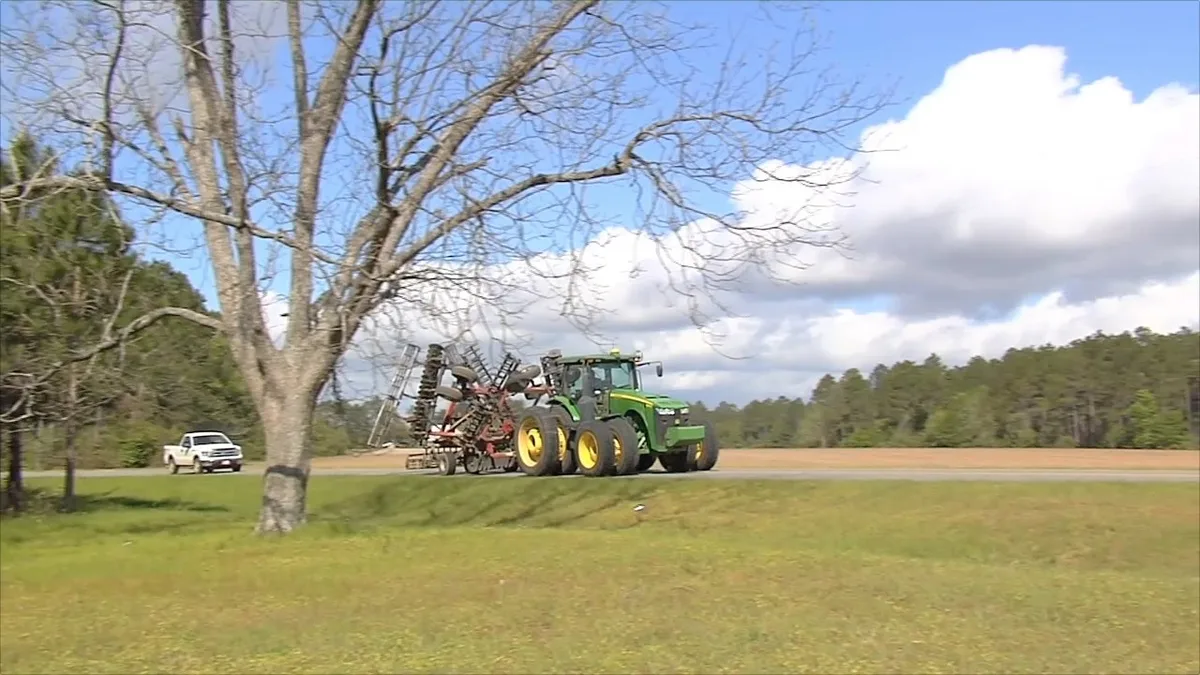
YouTube / Farm Monitor (YouTube thumbnail (fair-use with source credit))
In accident cases, failure to comply with pull-out requirements can be used as evidence of negligence. This significantly strengthens the case against the slow-moving vehicle operator.
Insurance companies may also consider compliance history when determining premiums. A pattern of violations could lead to higher rates or policy non-renewal.
The law also protects following drivers. If an impatient motorist attempts an unsafe pass and causes an accident, both parties may share liability. The slow-moving vehicle operator's compliance with pull-out requirements becomes a factor in determining fault.
Pro Tips for Safer Rural Driving (From Farmers and Highway Patrol)
For equipment operators:
Plan your route ahead. Identify pull-out spots before you start moving. This prevents last-minute decisions in unsafe locations.
Use a spotter when visibility is poor. Large equipment often has significant blind spots. A second set of eyes helps monitor traffic behind you.
Consider escort vehicles for wide loads. Some operations benefit from a follow vehicle with hazard lights to warn approaching traffic.
For all drivers:
Slow down when you see farm equipment. Reduce speed well before you reach the vehicle. This gives you more time to react.
Watch for hand signals. Equipment operators often use hand signals to indicate turns or stops. These are especially important when turn signals aren't visible.
Be extra cautious at intersections. Slow-moving vehicles may take longer to clear an intersection. Never assume they'll move quickly.
Where to Find the Official Rules and Updates
The Montana Department of Transportation maintains the most current information. Their website includes the full text of relevant statutes and administrative rules.
YouTube / DriveToExcelDMVTest (YouTube thumbnail (fair-use with source credit))
Local county extension offices often provide practical guidance. They understand regional farming practices and road conditions. These offices can offer tailored advice for specific areas.
The Montana Highway Patrol also publishes safety bulletins. These include seasonal reminders about slow-moving vehicle laws. Checking their updates before harvest season is wise.
Frequently Asked Questions
Does the pull-out law apply to all rural roads?
No. The law specifically applies to highways with posted speed limits of 55 mph or higher. Lower-speed roads have different requirements.
What if there are no safe pull-out spots?
Operators must still pull over when five vehicles accumulate. If no designated pull-out exists, use the shoulder when safe. Never continue without attempting to yield.
Are ATVs and UTVs subject to these rules?
Yes. When operating on public roads, these vehicles must comply if traveling below 25 mph. They're considered slow-moving vehicles under the law.
Can I be ticketed for not pulling over quickly enough?
Yes. Law enforcement can cite operators who fail to yield to traffic within a reasonable distance. The five-vehicle threshold is the legal standard.
How do I report a slow-moving vehicle that won't pull over?
Call the Montana Highway Patrol non-emergency line. Provide the location, vehicle description, and direction of travel. Never attempt to force a vehicle to pull over yourself.