ByMax Lee
Montana Trailer Towing Safety Chain & Lighting Rules
Towing a trailer in Montana without the right safety setup isn’t just risky, it’s illegal. The Montana trailer towing safety chain and lighting equipment requirements exist to prevent accidents and keep you compliant with state law. Miss a single detail, and you could face fines or, worse, a detached trailer on the highway.
Per Montana Code Annotated, trailers must have properly rated safety chains and fully functional lighting systems visible from specified distances. Get this wrong, and the Montana Highway Patrol won’t hesitate to pull you over.
YouTube / Conveying & Hoisting Solutions™ (YouTube thumbnail (fair-use with source credit))
Quick Answer
Montana requires at least two safety chains rated for your trailer’s GVWR. All trailers need working tail lights, brake lights, turn signals, and reflectors. Break-away brakes are mandatory for trailers over 3,000 lbs.
Lights must be visible from 500 feet at night. Always cross chains under the tongue with minimal slack.
Safety Chain Requirements: What Montana Law Demands
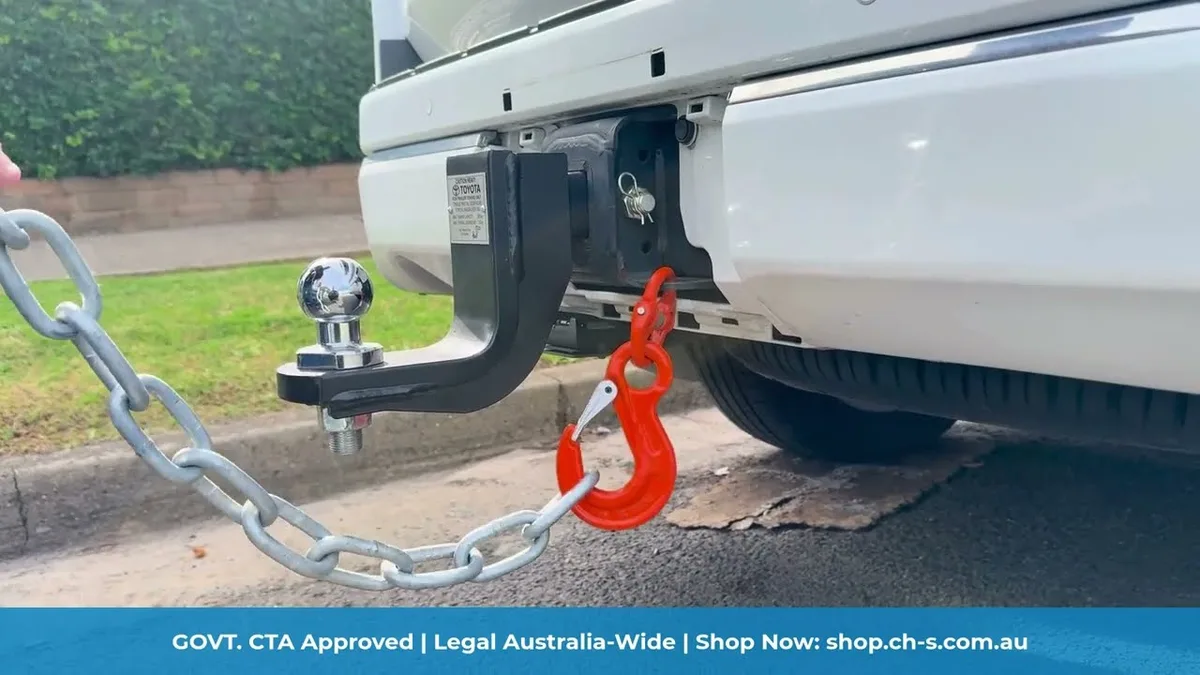
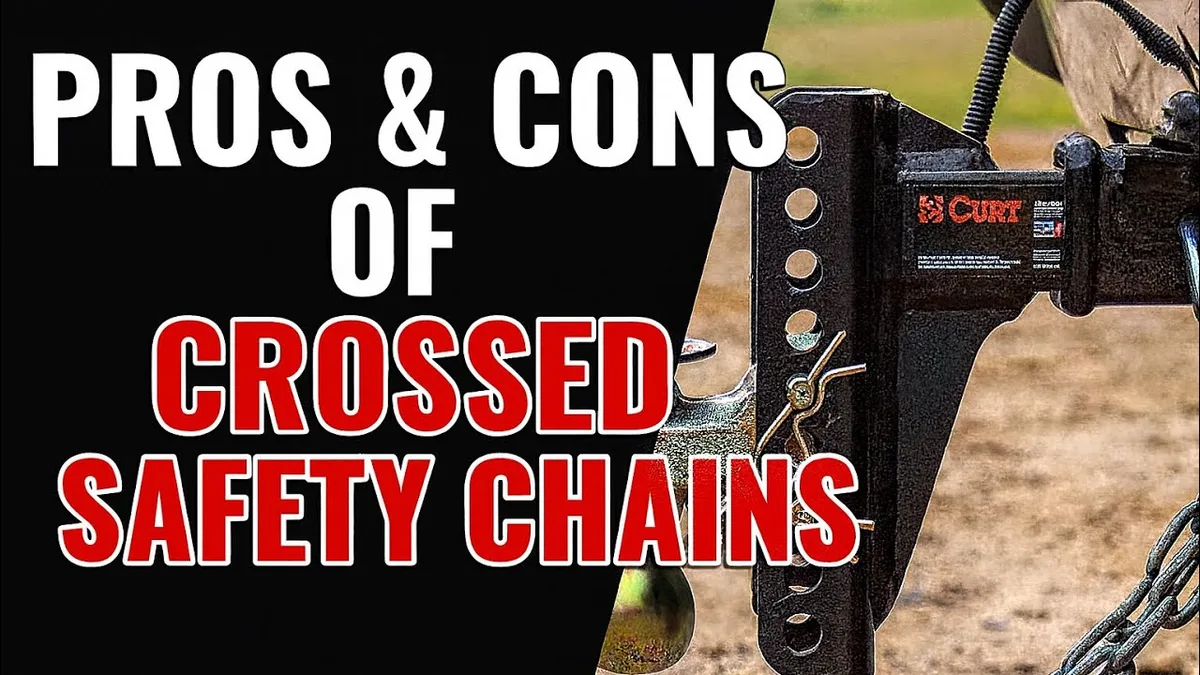
Montana law mandates two safety chains for most trailers, crossed in an X-pattern under the tongue. This setup prevents the tongue from digging into the road if the hitch fails.
The chains must meet or exceed your trailer’s Gross Vehicle Weight Rating (GVWR). Grade 70 or Grade 80 steel chains are standard, with breaking strengths clearly marked. Using under-rated chains risks failure under load.
YouTube / MB PERFORMANCE MARINE (YouTube thumbnail (fair-use with source credit))
How Many Chains You Need
- Single-axle trailers: Minimum of two chains.
- Multi-axle or heavy-duty trailers: Two chains are standard, but some configurations may require more.
- Gooseneck or fifth-wheel trailers: Often use heavier-duty chains due to higher weight capacities.
Chain Strength & Grade Requirements
| Chain Grade | Minimum Breaking Strength | Typical Use Case |
|---|---|---|
| Grade 70 | 20,000–47,000 lbs | Light to medium trailers |
| Grade 80 | 31,500–80,000 lbs | Heavy-duty trailers, commercial use |
Manufacturer specs confirm that chains should be inspected before every trip for wear, cracks, or corrosion. Replace any chain that shows signs of damage.
Proper Attachment & Crossing Method
Crossing the chains under the trailer tongue creates a cradle. If the hitch fails, the crossed chains help catch the tongue and prevent it from hitting the road. Attach each chain to the tow vehicle’s frame or a dedicated chain loop, never to the hitch ball or a weak point.
Inspecting Your Chains Before Every Trip
Check for:
- Rust or corrosion that weakens the metal
- Stretched or bent links from overloading
- Worn or damaged hooks that could fail under stress
- Proper tension, enough slack for turns but not so loose they drag
Trailer Lighting & Reflectors: Montana's Visible-Towing Rules
Montana requires all trailers to have working lighting systems that meet visibility standards. This includes tail lights, brake lights, turn signals, and reflectors. The goal is to ensure other drivers can see your trailer’s intentions and dimensions, especially at night or in poor visibility.
YouTube / 3rdGen Workshop (YouTube thumbnail (fair-use with source credit))
Required Lights for Every Trailer
| Light Type | Color | Visibility Requirement | Placement |
|---|---|---|---|
| Tail lights | Red | Visible from 500 feet at night | Rear, one on each side |
| Brake lights | Red | Visible from 300 feet in daylight | Rear, one on each side |
| Turn signals | Amber | Visible from 300 feet in daylight | Front and rear on each side |
| Side markers | Amber | Visible from 500 feet at night | Mid-trailer on each side |
| Clearance lights | Amber | Visible from 500 feet at night | Highest points on wide trailers |
| Reflectors | Red/Amber | Visible from 300 feet at night | Rear (red), sides (amber) |
Wiring Connector Types Explained
Trailers typically use one of two connector types:
- 4-way flat connectors: Cover basic lighting (tail, brake, turn signals, and ground).
- 7-way round connectors: Add support for electric brakes, reverse lights, and auxiliary power.
Match your trailer’s connector to your tow vehicle’s plug. Mismatched connectors can lead to non-functional lights, which is a common reason for traffic stops.
LED vs. Incandescent: What's Worth the Upgrade
LED lights are brighter, last longer, and draw less power than incandescent bulbs. They’re also more resistant to vibration, which is a major cause of failure in traditional bulbs. However, they can be more expensive upfront.
Incandescent bulbs are cheaper but burn out faster and are more prone to filament breakage. If you stick with incandescent, carry spares and check them frequently.
Reflectors & Side Markers You Can't Skip
Reflectors are passive safety features that don’t require power. Montana requires:
- Red reflectors on the rear
- Amber reflectors on the sides
These must be visible from 300 feet at night when illuminated by headlights. Side markers help other drivers judge your trailer’s length, especially in low-light conditions.
Testing Your Lights Before Hitting the Road
A pre-trip light test takes two minutes and prevents headaches:
- Connect the trailer to your tow vehicle.
- Turn on the headlights and verify tail lights.
- Press the brake pedal and check brake lights.
- Activate turn signals on both sides.
- Have a second person confirm all lights are working, or use a mirror to check rear lights.
Break-Away Brake Systems: When Montana Requires Them
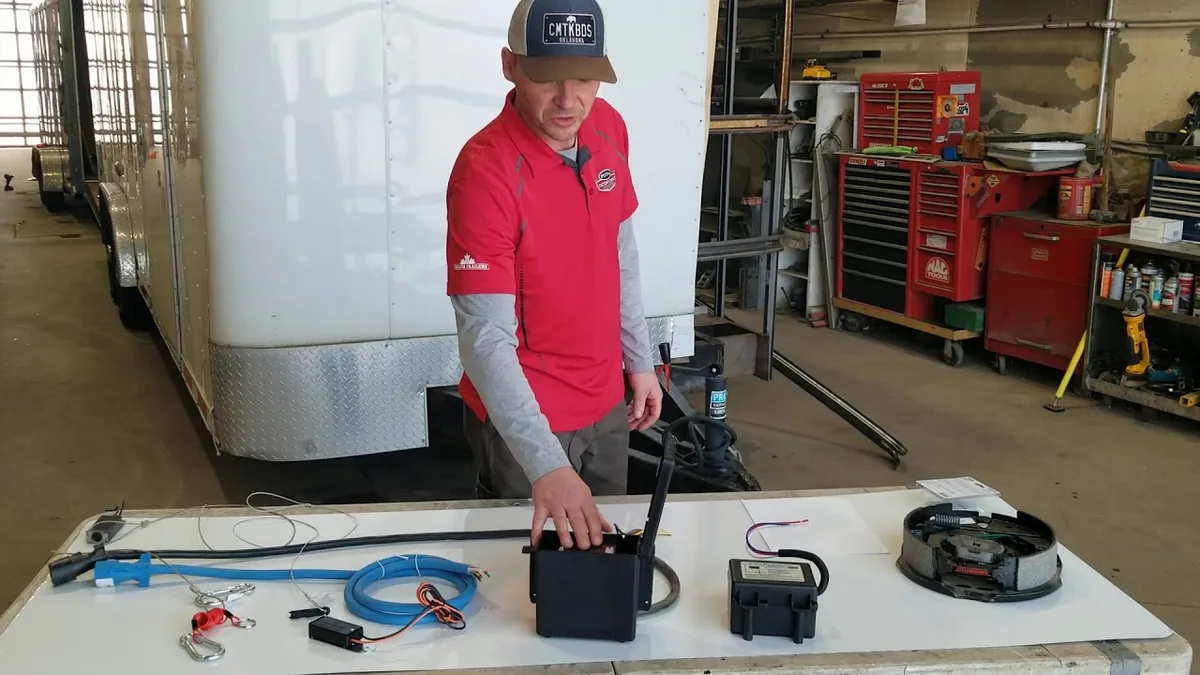
Montana law requires a break-away brake system for any trailer with a GVWR over 3,000 lbs. This system automatically applies the trailer’s brakes if it becomes disconnected from the tow vehicle.
YouTube / Factory Outlet Trailers Inc (YouTube thumbnail (fair-use with source credit))
Weight Thresholds That Trigger the Rule
- Under 3,000 lbs: Not required, but recommended for safety.
- 3,000 lbs and over: Mandatory break-away system.
The system must be capable of stopping the trailer within a reasonable distance, typically 15, 20 feet for most setups.
How Break-Away Systems Work
A break-away system consists of:
- A battery (usually 12V) dedicated to the trailer’s brakes
- A cable or lanyard attached to the tow vehicle
- A switch that activates the brakes if the cable is pulled
If the trailer detaches, the cable pulls the pin from the switch, completing the circuit and applying the brakes. The battery must have enough charge to stop the trailer multiple times if needed.
Maintenance Tips for Reliable Activation
- Test the system monthly by pulling the pin manually and verifying the brakes engage.
- Check the battery every six months and replace it if it’s weak or dead.
- Inspect the cable for fraying or wear, and replace it if damaged.
- Lubricate the switch to prevent corrosion and ensure smooth operation.
What Happens If Your Trailer Starts Rolling
Without a functional break-away system, a detached trailer can:
- Roll into traffic, causing accidents
- Jackknife, making it impossible to control
- Damage property or injure bystanders
Montana Highway Patrol officers routinely check for break-away systems during traffic stops. A missing or non-functional system can result in a fine and a mandate to fix it before continuing your trip.
Common Violations & Why Montana State Patrol Pulls You Over
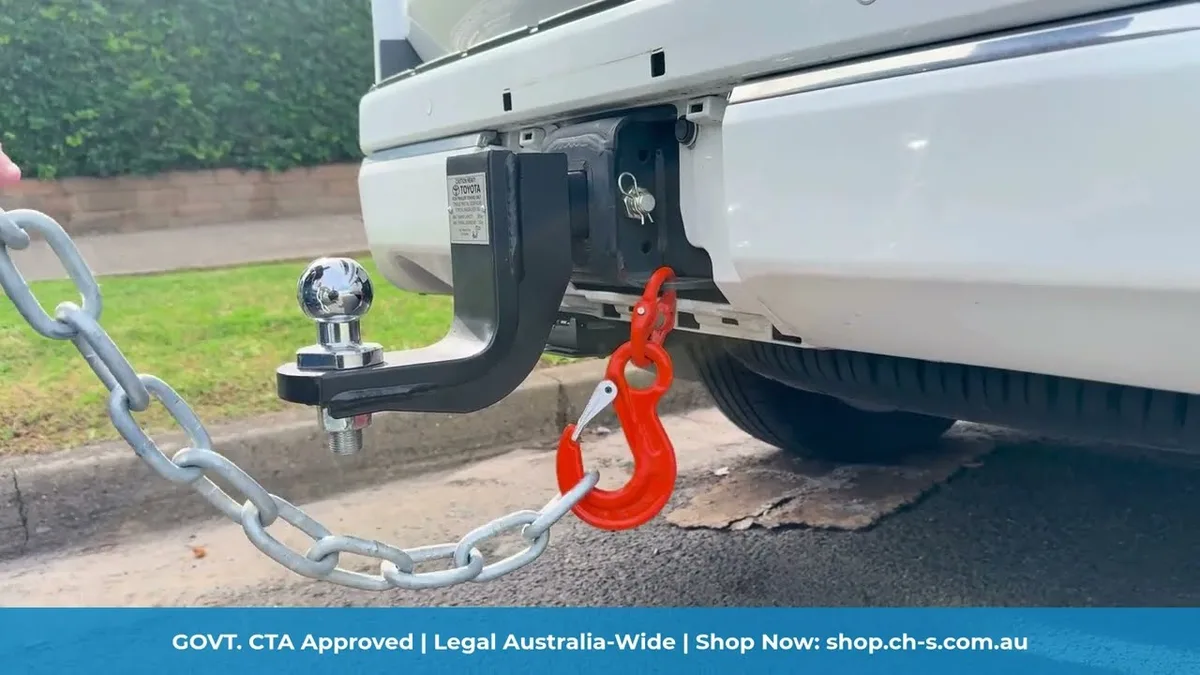
Montana State Patrol doesn’t just stop trailers for speeding, they’re on the lookout for safety violations that put everyone on the road at risk. The most common issues involve improper safety chains and non-functional lighting.
YouTube / Conveying & Hoisting SolutionsTM (YouTube thumbnail (fair-use with source credit))
Chain Mistakes That Get You Ticketed
- Missing chains: Some drivers remove chains to clean up the look, but this is illegal.
- Improper crossing: Chains not crossed under the tongue can fail to catch the trailer if the hitch breaks.
- Too much slack: Chains dragging on the road can snap or get caught on obstacles.
- Weak or damaged chains: Rust, cracks, or stretched links reduce strength and can lead to failure.
Lighting Violations That Risk Fines
- Burnt-out bulbs: Even one non-working light can trigger a stop.
- Dirty or obscured lights: Mud, dirt, or improperly mounted lights reduce visibility.
- Wrong colors: Using white lights where red or amber is required can confuse other drivers.
- Missing reflectors: Reflectors are often overlooked but are just as important as active lights.
The "Visible from 500 Feet" Rule Explained
Montana’s visibility standards aren’t arbitrary. Tail lights and reflectors must be visible from 500 feet at night, while brake lights and turn signals must be visible from 300 feet in daylight. This ensures other drivers have enough time to react.
How Patrols Spot Non-Compliant Trailers
Montana Highway Patrol officers are trained to look for:
- Trailers with no visible chains or chains that are too loose
- Lights that don’t activate when the tow vehicle brakes or signals
- Trailers swaying excessively, which can indicate a hitch or chain issue
- Missing or broken reflectors, especially at night
Step-by-Step: Pre-Trip Safety Inspection Checklist
A thorough pre-trip check takes 10 minutes and prevents most towing failures. Start with the basics before hitting the road.
A thorough pre-trip check takes 10 minutes and prevents most towing failures. Start with the basics before hitting the road.
Walk-Around Visual Inspection
Check the trailer’s coupling, safety chains, and lights. Look for cracks in the frame, loose bolts, or signs of wear on the hitch. Verify the trailer is level and the load is balanced.
Inspect the tires for proper inflation and tread depth. Underinflated or bald tires are a leading cause of blowouts on long hauls.
Electrical Function Test
Plug in the trailer and test all lights with a partner. Have them activate the brake pedal, turn signals, and headlights while you confirm each function works.
If you’re solo, use a mirror or park near a reflective surface to check rear lights. A small handheld tester can also verify ground and power connections.
Chain Tension & Attachment Check
Pull up on the trailer tongue to ensure the hitch is secure. Then tug on each safety chain to confirm they’re tight but still allow turns.
The chains should have just enough slack to let the trailer turn without binding. Too much slack lets them drag, too little restricts movement.
Break-Away System Verification
For trailers over 3,000 lbs, test the break-away system by pulling the pin manually. The brakes should engage immediately. If they don’t, check the battery and wiring.
Ensure the break-away cable is securely attached to the tow vehicle but not so tight it could trigger accidentally.
Documentation & Weight Ratings to Verify
Confirm your trailer’s GVWR matches your tow vehicle’s capacity. Exceeding either rating is unsafe and often illegal.
Carry your trailer’s registration and proof of insurance. Montana Highway Patrol may request these during a stop.
Maintenance & Long-Term Care: Keeping Your Setup Road-Ready
Regular maintenance extends the life of your towing equipment and keeps you compliant. A little upkeep prevents costly repairs and dangerous failures.
YouTube / SwampFoxMoto (YouTube thumbnail (fair-use with source credit))
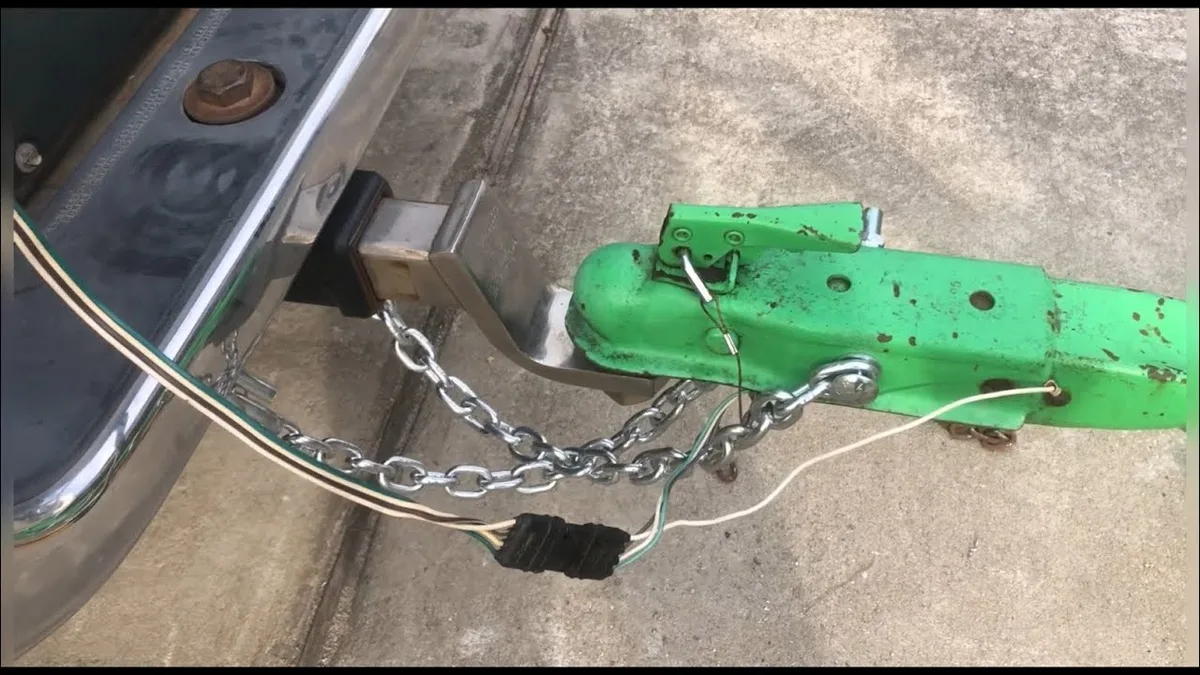
Preventing Chain Corrosion & Wear
Rinse chains with fresh water after exposure to road salt or moisture. Dry them thoroughly to prevent rust.
Apply a light coat of lubricant to the links and hooks every few months. This reduces friction and slows corrosion.
Troubleshooting Flickering or Dim Lights
Flickering lights often indicate a poor ground connection. Check the trailer’s ground wire and clean any corrosion from the connection points.
If a bulb is dim, it may be failing. Replace it immediately. LED bulbs are more resistant to vibration but can still burn out over time.
Wiring & Connector Best Practices
Use dielectric grease on connector pins to prevent corrosion. This is especially important in wet or salty conditions.
Avoid letting wiring drag on the road or sharp edges. Secure it with zip ties or clips to the trailer frame.
Winter Storage Tips for Towing Gear
Store trailers in a dry place to prevent rust and electrical issues. If storing outside, use a cover to protect against snow and moisture.
Disconnect the battery in break-away systems to prevent drain. Check it before the next towing season and replace if it’s weak.
FAQs
Do I need safety chains if my trailer has a heavy-duty hitch?
Yes. Montana law requires at least two safety chains regardless of hitch type. Chains provide a backup if the hitch fails.
What’s the minimum breaking strength for safety chains?
Chains must meet or exceed your trailer’s GVWR. Grade 70 or 80 steel chains are standard for most applications.
Can I use a 4-way connector for a trailer with electric brakes?
No. Electric brakes require a 7-way connector to power the brake controller. A 4-way connector lacks the necessary circuits.
How often should I test my break-away brake system?
Test it before every trip and at least once a month. Pull the pin manually to ensure the brakes engage.
Are LED lights legal for trailers in Montana?
Yes. LED lights are legal as long as they meet visibility and color requirements. They’re often brighter and more durable than incandescent bulbs.
What’s the fine for non-compliant trailer lighting in Montana?
Fines vary but can reach $100 or more per violation. Officers may also require you to fix the issue before continuing your trip.
Final Verdict: Staying Legal & Safe on Montana Roads
Verified Summary of Key Requirements
Montana requires two crossed safety chains rated for your trailer’s GVWR. All trailers need working tail lights, brake lights, turn signals, and reflectors visible from specified distances. Break-away brakes are mandatory for trailers over 3,000 lbs.
When to Consult a Professional
If you’re unsure about wiring, brake systems, or weight ratings, a professional inspection is worth the cost. Many trailer dealers offer pre-trip checks.
Bottom Line for Montana Drivers
Follow the state’s towing laws to avoid fines and, more importantly, prevent accidents. A few minutes of inspection before each trip can save you from costly mistakes and keep everyone on the road safe.