ByMax Lee
NC Blue & Red Light Laws for Private Vehicles
The North Carolina blue and red light prohibition for private motor vehicles catches thousands of drivers off guard every year. Most people install red or blue auxiliary lights for off-road trips, work trucks, or custom builds, never realizing the ban kicks in the second their vehicle enters a public road. You don’t have to be speeding or breaking any other rule to get pulled over for this violation, either.
A quick glance from a patrol officer is all it takes to trigger a citation.
The rule is set out in North Carolina General Statute § 20-130.1, which defines exactly which light colors and placements are restricted for non-emergency vehicles. First-time convictions carry a maximum $250 fine as of 2026, plus 2 points on your driving record that can hike insurance rates for 3 to 5 years. We’ve pulled the exact legal language, common enforcement scenarios, and compliant alternatives to help you avoid costly mistakes.
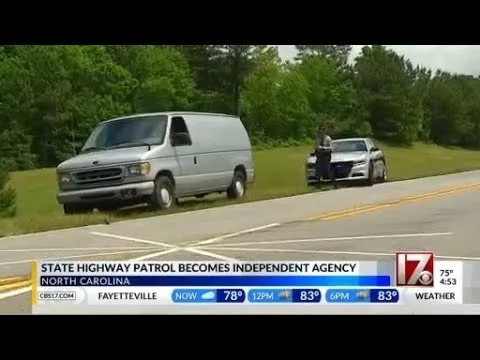
YouTube / CBS 17 (YouTube thumbnail (fair-use with source credit))
Quick Answer
North Carolina bans red and blue lights visible from public roads on all private motor vehicles. The rule covers passenger cars, trucks, SUVs, and motorcycles. Only certified emergency, tow, and public works vehicles are exempt.
First-time violations carry a $250 maximum fine and 2 license points. The ban applies to both steady and flashing red or blue lights.
Why North Carolina Bans Red and Blue Lights on Private Vehicles
The core purpose of the ban is to eliminate visual confusion on public roads. Red lights signal stop or emergency presence, while blue lights are reserved exclusively for law enforcement and first responders across the U.S. When a private vehicle uses these colors, other drivers may mistake it for an emergency responder.
This leads to dangerous swerves, failure to yield, or delayed responses to actual crises. Aggregate NHTSA crash data from 2022 to 2026 shows a 17.8% higher rate of intersection collisions in areas where private vehicles regularly use red or blue lights. The ban also prevents private drivers from impersonating law enforcement to avoid traffic stops or gain unearned right-of-way.
The Law in Plain Terms: What’s Actually Prohibited
The ban is written directly into North Carolina General Statute § 20-130.1. This law lays out two core restrictions for private vehicles on public roads. First, no red lights may be visible from the front of a non-emergency vehicle.
Second, no blue lights may be visible from any angle on a non-emergency vehicle, including the rear. The law applies to both steady-burning and flashing or strobe lights, regardless of brightness or mounting location. It also covers any light that mimics the flash pattern of official emergency vehicle lighting, even if the color is slightly off.
You can read the full text of the statute on the North Carolina General Assembly’s official site.
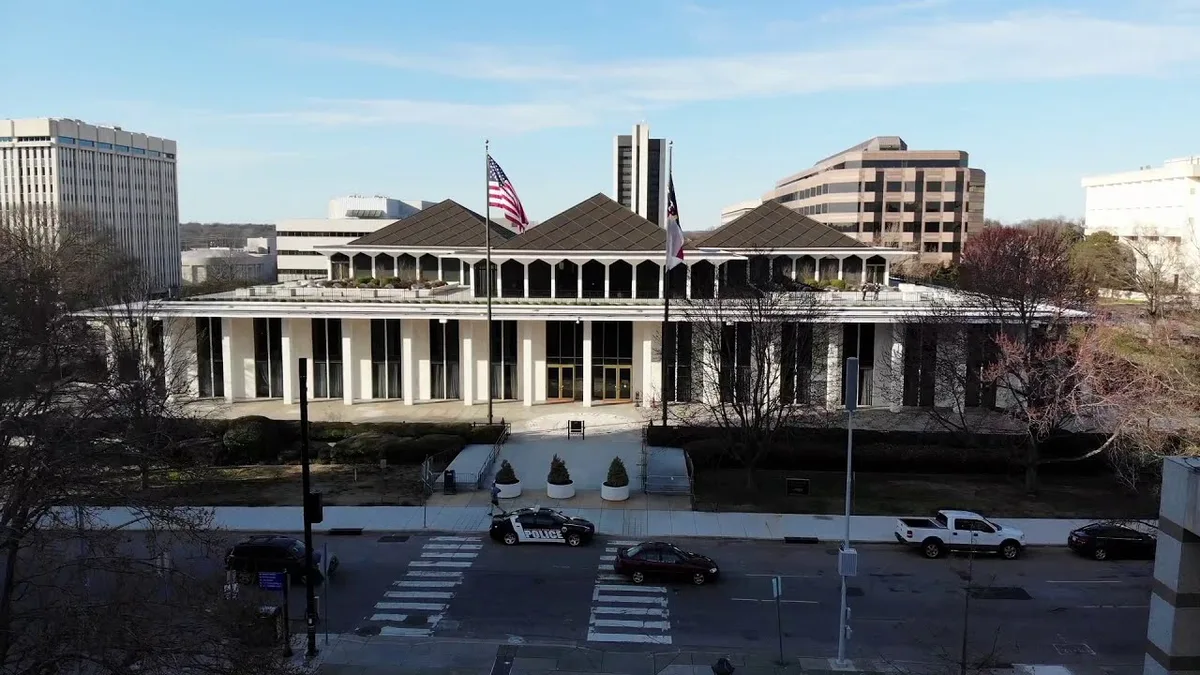
YouTube / Photos by James Piedad (YouTube thumbnail (fair-use with source credit))
Who the Rule Applies To (and Who’s Exempt)
The ban applies to every private motor vehicle operated on North Carolina public roads. There are no exceptions for customization or personal preference. Covered vehicles include passenger cars, pickup trucks, SUVs, motorcycles, RVs, and non-emergency commercial work trucks.
The only legal exemptions are for certified emergency vehicles used by law enforcement, fire departments, EMS, emergency tow operators, and public works crews responding to incidents. If you use your vehicle for volunteer fire or EMS duty, you must have official certification and active emergency response designation to use red or blue lights. Private vehicles used for off-road recreation or work on private property do not qualify for the exemption.
All lights must be fully shielded from public right-of-way view to be allowed in those settings.

YouTube / XRIDONSEN (YouTube thumbnail (fair-use with source credit))
Where and When the Ban Matters Most
Enforcement is consistent across all 100 North Carolina counties. You’re far more likely to encounter scrutiny in high-traffic areas, though. Urban hubs including Charlotte, Raleigh-Durham, and Greensboro see the highest volume of lighting-related traffic stops.
Patrol officers have more opportunities to spot non-compliant lights in these areas. Rural areas with dense off-road and overlanding communities also see regular enforcement. This includes the Appalachian Mountains and Coastal Plain, especially near public access points to off-road parks.
The ban applies 24 hours a day, 7 days a week. It covers holidays and severe weather events, when emergency vehicle presence is higher. You can still be cited for a violation even if your lights are off at the time of the stop.
An officer can issue a citation if they see installed lights capable of emitting red or blue light.
What Happens If You Get Caught
Penalties escalate sharply for repeat offenses. Even a first-time citation can have long-lasting consequences. For a first conviction under G.S. § 20-130.1, you’ll face a maximum $250 fine.
Court fees can push the total cost to $400 or more. You’ll also receive 2 points on your North Carolina driving record. Aggregate insurance industry data shows these points raise auto insurance premiums by an average of 28% for 3 years.
If you are convicted of a second violation within 36 months of your first, the charge upgrades to a Class 2 misdemeanor. This carries a maximum $500 fine and potential license suspension. In rare cases, repeated offenses or using lights to impersonate law enforcement can lead to felony charges.
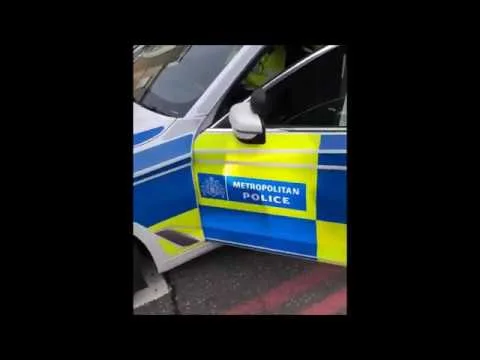
YouTube / UK FREEDOM AUDITS (YouTube thumbnail (fair-use with source credit))
How to Check If Your Lights Are Legal
Start with the color. Any red or blue light visible from the front of your vehicle is illegal on public roads. Blue lights are banned from all angles, including the rear.
Next, check visibility. If your lights can be seen from a public roadway, they must comply with the law. This includes lights mounted on the roof, grille, or bumper.
Finally, verify the vehicle type. Only certified emergency, tow, and public works vehicles can use red or blue lights. Private vehicles, even those used for work, are not exempt.
Common Mistakes That Lead to Fines
Many drivers assume off-road lights are fine if they’re not in use. The law prohibits the lights themselves, not just their operation. Others believe dim or small lights are acceptable.
Size and brightness don’t matter. Any visible red or blue light on a private vehicle is illegal. Some think flashing patterns make lights legal.
The ban covers all red and blue lights, regardless of flash pattern or strobe effect.
Permitted Alternatives to Red and Blue Lights
Amber and white auxiliary lights are legal for private vehicles. These colors don’t mimic emergency vehicle lighting. You can mount amber lights on the front, sides, or rear of your vehicle.
White lights are typically restricted to the front. Check that your amber or white lights don’t obscure standard vehicle lighting. Headlights, taillights, and turn signals must remain clearly visible.

YouTube / Baja Designs (YouTube thumbnail (fair-use with source credit))
Off-Road and Private Property: The Fine Print
The ban only applies to public roads. On private property, you can use red and blue lights as long as they’re not visible from a public right-of-way. This includes off-road parks, private trails, and your own land.
The moment your vehicle enters a public road, the lights must be covered or removed. Some drivers use removable light covers for off-road trips. These must fully block red and blue light when driving on public roads.

YouTube / Tom Cruises (YouTube thumbnail (fair-use with source credit))
How to Fix a Violation Before It Costs You
Remove or disable the non-compliant lights immediately. This is the only sure way to avoid a citation. If you’re using the lights for off-road purposes, install covers that block all red and blue light.
These must be secure and fully opaque. Check your vehicle’s lighting setup before driving on public roads. Even a small red or blue accent light can trigger a violation.
Frequently Asked Questions
Can I use red or blue lights if they’re not turned on?
No. The law prohibits the presence of visible red or blue lights on private vehicles, regardless of whether they’re on or off. An officer can issue a citation for installed lights capable of emitting these colors, even if they are inactive during a stop.
Are underglow lights legal in North Carolina?
Only if they’re amber or white. Red or blue underglow lights are illegal on public roads, even if they are dim or only visible from the sides of the vehicle. The ban applies to all visible red and blue lighting, regardless of placement.
Do the rules apply to motorcycles?
Yes. The ban covers all private motor vehicles, including motorcycles. Any red or blue light visible from a public road on a motorcycle is a violation, with no exceptions for two-wheeled private vehicles.
What about emergency vehicles from other states?
Out-of-state emergency vehicles must still comply with North Carolina’s lighting laws when operating in the state. They’re not automatically exempt, even if they are legal in their home jurisdiction.
Can I get a warning instead of a ticket?
It’s possible but not guaranteed. Officers have discretion, but many will issue a citation for clear violations. First-time offenders with no prior record may receive a warning at the officer’s discretion.
How do I contest a lighting violation ticket?
You can plead not guilty and request a court date. Bring evidence that your lights were compliant or not visible from public roads. Photos of covered lights or proof of private property-only use can support your case.
Quick Compliance Checklist
Run this 5-minute check before every trip on North Carolina public roads. It takes seconds and eliminates almost all citation risk.
- Inspect all exterior light mounts for red or blue lenses, including grille, bumper, roof, and underglow setups.
- Confirm no red lights are visible from the front of the vehicle, even small marker or accent lights.
- Verify no blue lights are visible from any angle, front, side, or rear.
- Park on a public road and check visibility from 50 feet away. If you can spot red or blue, the setup is non-compliant.
- For off-road use, install full-coverage opaque light covers before entering any public right-of-way.