Nebraska’s motorcycle helmet law for riders under 18 years old is straightforward but critical to follow. If you’re a young rider or a parent, knowing the rules keeps you legal and safe on the road. The law mandates specific gear for this age group, and ignoring it can lead to fines or worse.
As of 2026, Nebraska requires all motorcycle operators and passengers under 18 to wear a DOT-approved helmet. This isn’t just a recommendation, it’s a legal requirement tied to the Federal Motor Vehicle Safety Standard No. 218.
Quick Answer
Nebraska motorcycle helmet law for riders under 18 years old requires a DOT-approved helmet. It applies to all operators and passengers in this age group. The helmet must meet FMVSS No. 218 standards.
No exceptions exist for short trips or low speeds.
Nebraska’s Motorcycle Helmet Law Explained
Nebraska Revised Statute 60-6,279 is the law that governs helmet use for young riders. It states that anyone under 18 operating or riding on a motorcycle must wear a helmet that meets federal safety standards. This law applies to all public roads, including highways and city streets.
The statute doesn’t just cover helmets. It also requires that the helmet be properly fastened with a chin strap. A loosely worn helmet doesn’t count as compliance.
Law enforcement can stop riders who aren’t following this rule, and parents can be held responsible if their underage child is caught without proper gear.
Who the Law Applies To
This rule covers all motorcycle operators under 18. It also includes passengers of any age riding with someone under 18. Even if the driver is over 18, any passenger under 18 must still wear a helmet.
The law doesn’t distinguish between types of motorcycles. Whether it’s a scooter, dirt bike on public roads, or a full-size motorcycle, the helmet requirement stands. Off-road use on private property is a different matter, but the moment you hit a public road, the law applies.
For those learning to ride, the same rules apply. Permit holders under 18 must wear a helmet, just like licensed riders in that age group.
DOT Helmet Standards You Need to Know
A DOT-approved helmet meets the Federal Motor Vehicle Safety Standard No. 218. This standard ensures the helmet can withstand impacts and protect your head in a crash. Look for the DOT symbol on the back of the helmet.
It’s usually a sticker or embossed mark.
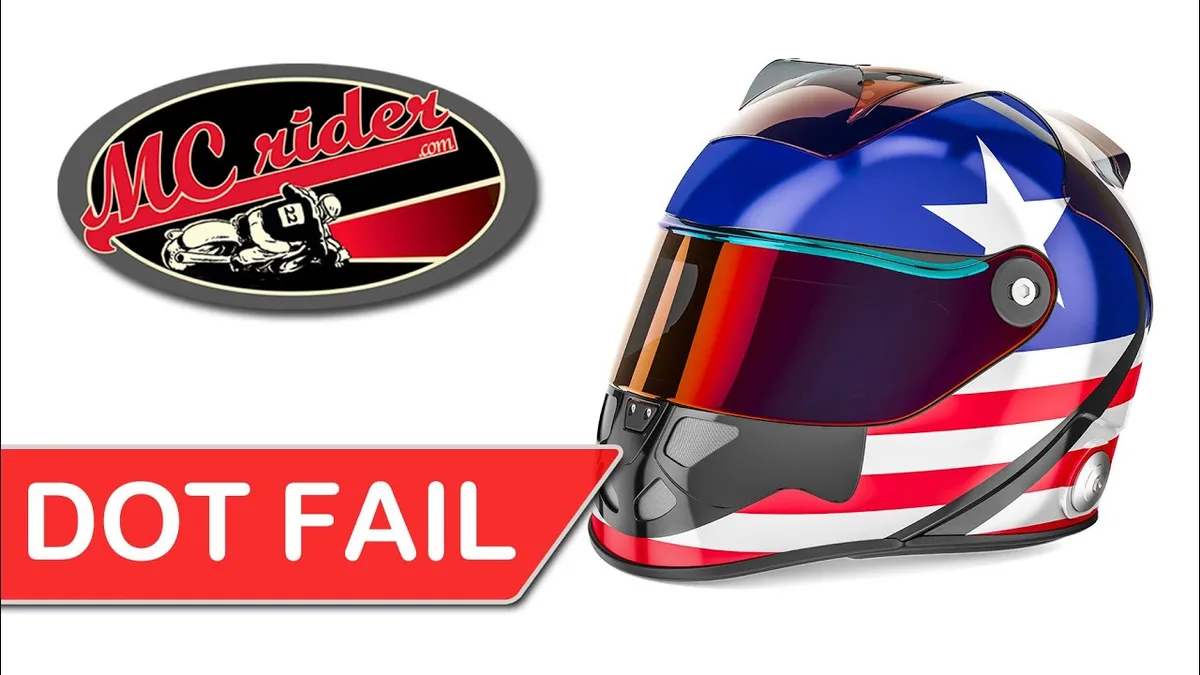
Not all helmets sold are DOT-approved. Some novelty helmets or those designed for other sports won’t meet the standard. Always check the label before buying.
The NHTSA provides a list of compliant helmets and safety tips.
Helmets must also have a thick inner liner, usually made of polystyrene foam. The chin strap should be sturdy and fasten securely. If a helmet lacks these features, it likely doesn’t meet DOT standards.
What Happens If You Don’t Wear a Helmet?
Riding without a helmet when you’re under 18 is a traffic violation. Law enforcement can pull you over and issue a citation. The fine varies, but it’s typically around $25 to $50 for a first offense.
More importantly, you’re putting yourself at serious risk.
Head injuries are a leading cause of death in motorcycle crashes. A helmet reduces the risk of fatal head injuries by about 37 percent, per NHTSA data. Even a minor crash without a helmet can result in life-changing injuries.
Parents or guardians can also face consequences if they allow an underage rider to go without a helmet. While the primary responsibility falls on the rider, adults supervising young motorcyclists share accountability. If a crash occurs, penalties can escalate to reckless driving charges, similar to Louisiana reckless driving penalties for endangered minors.
How to Check If a Helmet Is Legal in Nebraska
Look for the DOT symbol on the back of the helmet. It’s usually a sticker or embossed mark that reads “DOT” or “FMVSS No. 218.”
Check the inner label for the manufacturer’s name, model, and size. A legal helmet will also have a thick inner liner, typically made of polystyrene foam.
Avoid novelty helmets or those labeled for off-road use only. These often lack the required DOT certification and won’t meet Nebraska’s standards.
Common Mistakes Parents and Teen Riders Make
Some assume any helmet will do. Only DOT-approved models meet the legal requirement.
Others forget to fasten the chin strap. A helmet that isn’t securely fastened doesn’t count as compliance.
A few buy used helmets without checking for damage. Even a small crack can compromise protection.
Helmet Types: Which Ones Meet Nebraska’s Rules?
Full-face helmets cover the entire head and face. They offer the most protection and meet DOT standards.
Half-shell helmets cover the top and back of the head but leave the face exposed. These can also be DOT-approved if they meet the standard.
Modular helmets flip up to expose the face. They’re legal if they carry the DOT certification.
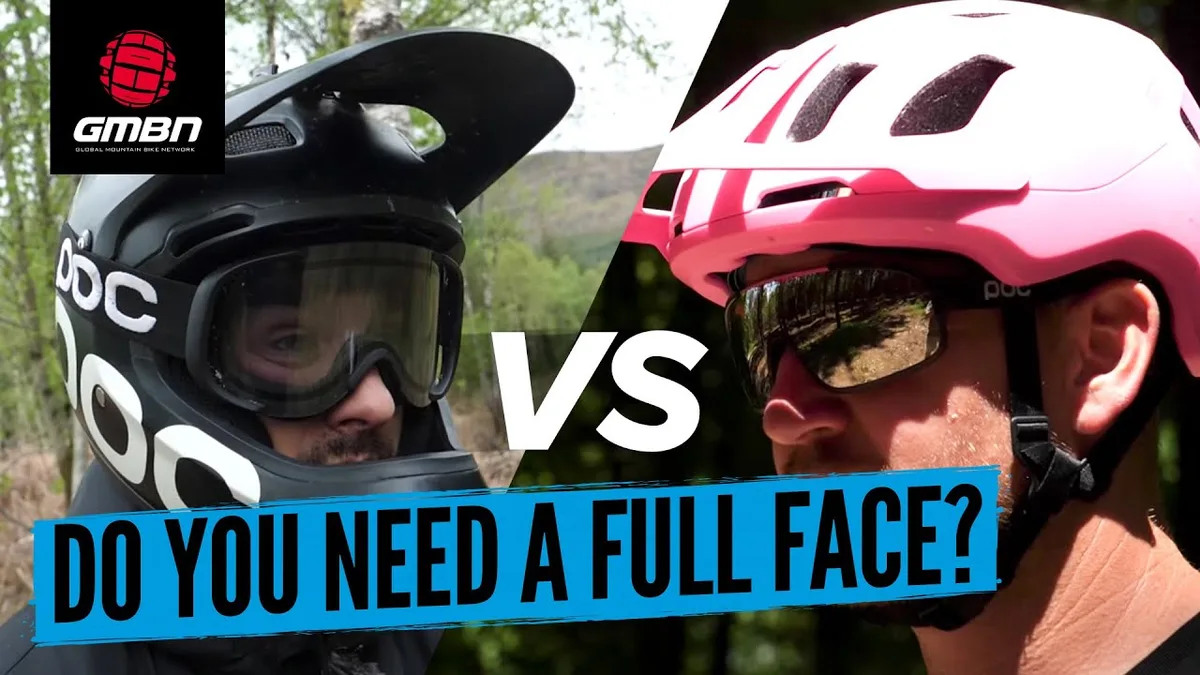
Open-face helmets without a chin bar are less common for motorcycles. They’re only legal if they have the DOT label.
How to Fit a Helmet Properly for Maximum Safety
A helmet should sit snugly on your head without wobbling. It shouldn’t tilt forward or backward.
The chin strap should be tight enough that you can’t pull the helmet off by tugging the back. You should be able to fit one finger between the strap and your chin.
Check the fit by shaking your head side to side. If the helmet moves independently, it’s too loose.
Replace a helmet after any crash or if it shows visible damage. Even a minor impact can weaken the structure.
Nebraska vs. Other States: How the Laws Compare
Nebraska requires helmets only for riders under 18. Some states mandate helmets for all riders, regardless of age.
Others have no helmet laws at all. A few require helmets only for passengers or for riders under 21.
Nebraska’s law is more lenient than states like California, which require helmets for everyone. It’s stricter than states like Iowa, which have no helmet laws.

If you’re riding across state lines, check the local laws. What’s legal in Nebraska might not be in a neighboring state. For example, neighboring Maryland motorcycle and moped registration rules show how different states structure their vehicle regulations.
Frequently Asked Questions
Does Nebraska require helmets for all motorcycle riders?
No. Only riders and passengers under 18 must wear a helmet. Adults over 18 are not required by law to wear one.
What makes a helmet DOT-approved?
A DOT-approved helmet meets Federal Motor Vehicle Safety Standard No. 218. It will have a DOT sticker on the back and a thick inner liner.
Can I wear a bicycle helmet on a motorcycle in Nebraska?
No. Bicycle helmets do not meet DOT standards for motorcycles. They lack the required impact protection.
What’s the fine for not wearing a helmet under 18?
The fine is typically between $25 and $50 for a first offense. Repeat violations may result in higher penalties.
Do I need a helmet for off-road riding in Nebraska?
No. The helmet law applies only to public roads. Private property and off-road use have different rules.
Final Takeaway: Stay Safe and Legal
Wearing a helmet is the simplest way to comply with Nebraska’s law for riders under 18. It’s also the best way to protect yourself in a crash.
Always check for the DOT label before buying a helmet. A proper fit and secure strap are just as important as the certification.
Riding without a helmet isn’t just illegal for young riders. It’s a risk that can lead to serious injury or worse. Follow the law and ride safe.
Other states handle motorcycle regulations differently, so review resources like Maryland vehicle registration when traveling across state lines.