New Hampshire uninsured motorist coverage requirements and penalties can be confusing because the state doesn't mandate auto insurance like most others. That means you can legally drive without it, until certain triggers kick in, and then the rules change fast.
As of 2026, about 1 in 8 drivers nationwide are uninsured, and New Hampshire's unique system means you could be on the hook for damages if you're not properly covered. Here's what you actually need to know.
Quick Answer
New Hampshire does not require uninsured motorist coverage by default. It becomes mandatory if you finance a car, cause an at-fault crash, or get a DUI. Penalties for driving without required coverage include fines up to $1,200, license suspension, and registration reinstatement fees.
Does New Hampshire Require Uninsured Motorist Coverage?
No, New Hampshire is the only state that doesn't mandate auto insurance for all drivers. However, you must prove financial responsibility if you're at fault in a crash, convicted of DUI, or financing a vehicle. In those cases, uninsured motorist (UM) coverage often becomes a requirement from your insurer or lender.
This is where many drivers get tripped up. Just because the state doesn't force you to carry insurance doesn't mean you're off the hook. Lenders will require it for financed cars, and the state will demand proof of financial responsibility after certain incidents.
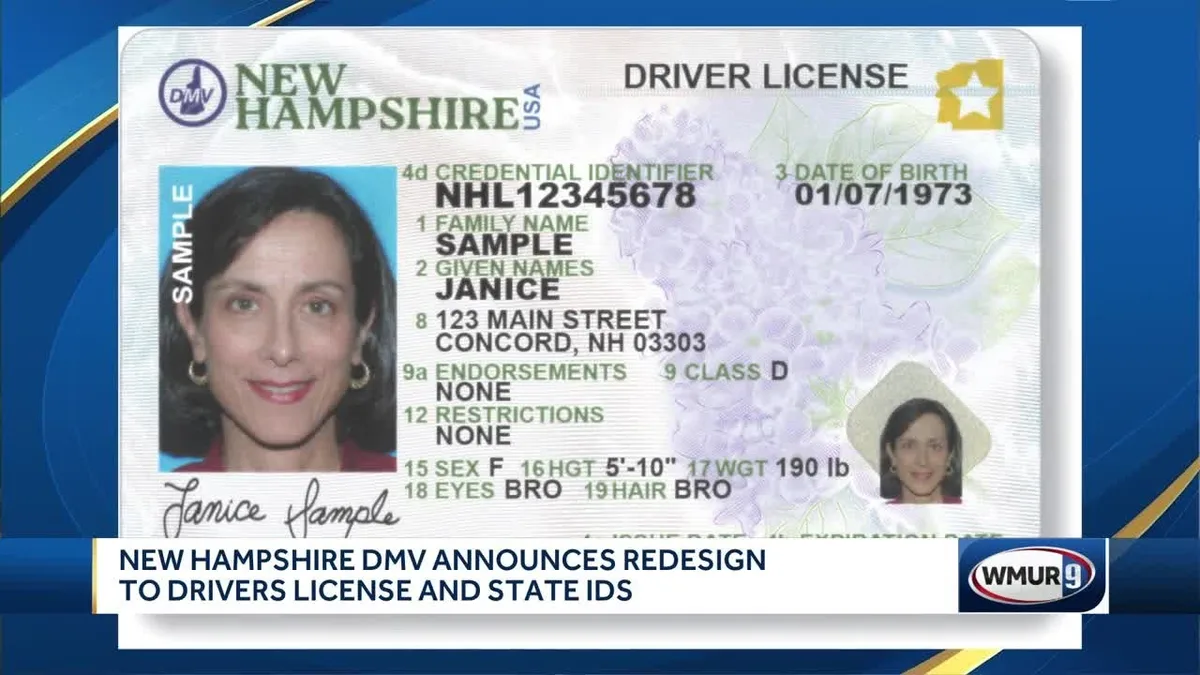
How New Hampshire's Unique Insurance Rules Work
New Hampshire operates under a financial responsibility law, not a mandatory insurance law. This means you're legally allowed to drive without insurance, but you must be able to cover damages if you cause an accident.
The state's approach is based on personal accountability. If you can't pay for damages out of pocket, you'll face penalties. That's why most drivers still choose to carry insurance, it's the easiest way to meet financial responsibility requirements.
The New Hampshire Division of Financial Regulation oversees these rules. Their guidelines confirm that while insurance isn't mandatory, proof of financial responsibility is required in specific situations. According to state statutes, drivers must maintain liability coverage or provide alternative proof after certain triggering events.
When Uninsured Motorist Coverage Becomes Mandatory in NH
Uninsured motorist coverage becomes non-negotiable in three main scenarios:
- Financed or leased vehicles: Lenders will require you to carry full coverage, including UM, to protect their investment.
- At-fault accidents: If you cause a crash and can't cover the damages, the state will require you to maintain insurance for three years.
- DUI convictions: A DUI triggers a mandatory insurance requirement, often including UM coverage.
Even if you're not in one of these categories, UM coverage is still worth considering. Without it, you're personally responsible for medical bills and property damage if an uninsured driver hits you.
What Uninsured Motorist Coverage Actually Protects You From
UM coverage steps in when the at-fault driver has no insurance or can't be identified. It typically covers:
- Medical expenses for you and your passengers
- Lost wages if you can't work due to injuries
- Pain and suffering damages
- Property damage (in some policies, though this is often separate)
It does not cover damage to the other driver's vehicle or injuries they sustain. UM is about protecting you from others who aren't properly insured.
The standard UM coverage in New Hampshire policies usually matches your liability limits. For example, if you carry $50,000 in bodily injury liability, your UM coverage would typically be the same unless you request different limits.
The Penalties for Driving Without Required Coverage in NH
Driving without the required proof of financial responsibility in New Hampshire carries real consequences. The state treats it as a serious offense because you could leave other drivers stranded after an accident.
What Happens If You're Caught Without Required Coverage?
The penalties escalate based on your violation history. A first offense typically results in a fine between $100 and $1,200. You'll also face a license suspension that can last up to a year.
Reinstating your license isn't cheap. The state charges a reinstatement fee, and you'll need to provide proof of insurance before they'll restore your driving privileges. Your vehicle registration may also be suspended until you resolve the issue.
What If You Cause an Accident Without Insurance?
The stakes get much higher if you're at fault in a crash. You become personally responsible for all damages and medical bills. Creditors can pursue your assets, wages, and bank accounts to collect what you owe.
If you can't pay, the state may require you to carry insurance for three consecutive years. During that time, any lapse in coverage resets the clock.
The New Hampshire Division of Financial Regulation maintains a database of financial responsibility filings. They track which drivers have met the requirements and enforce penalties for non-compliance.
How to Check If You're Legally Covered (And What to Do If You're Not)
Knowing your coverage status is straightforward if you have your insurance documents handy. Most drivers carry proof through their insurance agent or carrier portal.
Where to Find Your Proof of Insurance
Check your insurance card, policy declarations page, or your insurer's mobile app. New Hampshire accepts electronic proof as valid as long as it shows your policy number and effective dates.
If you don't have insurance and need to establish financial responsibility, you have a few options:
- Purchase an auto insurance policy with at least the state's minimum liability limits
- Post a cash bond of $70,000 with the state
- Obtain a surety bond from a licensed bonding company
Each option has different costs and administrative requirements. Insurance is usually the simplest path for most drivers.
What If You Realize You're Not Covered?
Don't ignore the problem. Contact an insurance provider immediately to get a policy in place. Your coverage will typically start on the same day or the next business day.
If you've already received a citation, bring your new proof of insurance to court. Judges generally look favorably on drivers who correct the issue before the hearing.
Step-by-Step: Adding or Adjusting UM Coverage on Your Policy
Adding uninsured motorist coverage to your policy is a simple process. Most insurers offer it as an endorsement you can attach to your existing auto policy.
Step 1: Contact Your Insurance Provider
Call your agent or log into your insurer's online portal. Ask about adding UM coverage and request a quote for the additional premium.
Step 2: Choose Your Coverage Limits
Most New Hampshire insurers offer UM limits that match your liability limits. You can also request higher limits if you want extra protection.
Common coverage options include:
| Coverage Type | Typical Limit Range | Best For |
|---|---|---|
| Minimum UM | $25,000/$50,000 | Drivers on a tight budget |
| Standard UM | $50,000/$100,000 | Most New Hampshire drivers |
| Extended UM | $100,000+/$300,000+ | High-net-worth individuals |
Step 3: Confirm the Policy Endorsement
Ask your agent to confirm the UM endorsement is added to your policy. Review your declarations page to verify the coverage is listed before your next payment due date.
Step 4: Keep Records Updated
Save your updated policy documents and proof of insurance. Store them in your glove box and on your phone for quick access if needed.
What Happens If You're Hit by an Uninsured Driver in New Hampshire?
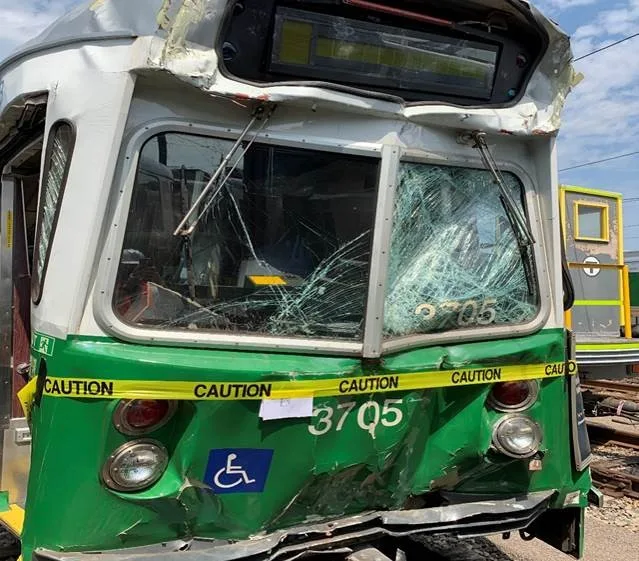
Being involved in a crash with an uninsured motorist is stressful. New Hampshire's system means you may need to rely on your own UM coverage if the other driver has no insurance.
What Should You Do Immediately After the Crash?
Follow these steps to protect your health and your claim:
- Call 911 and report the accident
- Get medical attention even if injuries seem minor
- Exchange information with the other driver
- Collect witness contact details
- Document the scene with photos if possible
- Notify your insurance company as soon as you can
How Does the UM Claim Process Work?
Your insurer will investigate the crash to determine fault and coverage eligibility. If the other driver is confirmed uninsured, your UM coverage steps in to cover your damages.
Be prepared to provide:
- The police report
- Medical records and bills
- Repair estimates for your vehicle
- Proof of the other driver's lack of insurance
The process can take several weeks. Your insurer should assign a claims adjuster who will guide you through each step.
What If the Other Driver Has Some Insurance?
If the at-fault driver has liability coverage but not enough to cover your damages, your underinsured motorist (UIM) coverage may apply. UIM fills the gap between the other driver's limits and your actual losses.
This is why carrying both UM and UIM coverage is smart. Each protects you in different scenarios involving underprotected drivers.
UM vs. UIM vs. Liability: What's the Difference and Do You Need All Three?
Understanding the difference between these coverages helps you make smarter decisions about your policy. Each one serves a distinct purpose.
Liability Coverage
Liability insurance protects others when you cause an accident. It covers bodily injury and property damage you cause to other drivers. New Hampshire doesn't require you to carry liability insurance, but it's required if you're financing a vehicle or have triggered the financial responsibility rules.
Uninsured Motorist (UM) Coverage
UM coverage protects you when the at-fault driver has no insurance. It covers your medical bills, lost wages, and pain and suffering. This coverage is optional in New Hampshire unless triggered by one of the requirements mentioned earlier.
Underinsured Motorist (UIM) Coverage
UIM coverage kicks in when the at-fault driver has insurance, but their limits aren't enough to cover your damages. It bridges the gap between their policy limits and your actual losses.
Which Coverages Do You Actually Need?
The answer depends on your situation:
- If you're financing or leasing a car: Your lender likely requires both UM and UIM coverage
- If you're driving without insurance but want protection: UM coverage is highly recommended
- If you're concerned about hitting a driver with minimal coverage: Add UIM coverage
- If you want maximum protection: Carry liability, UM, and UIM coverage together
Most experts suggest carrying at least UM coverage if you can afford it. The premium cost is relatively low compared to the financial protection it provides.
How Do These Coverages Work Together?
Imagine you're hit by a driver with no insurance. Your UM coverage pays for your medical bills and vehicle repairs. If that same driver had $10,000 in liability coverage but your damages total $50,000, your UIM coverage would cover the remaining $40,000.
Liability coverage wouldn't apply here because you're the victim, not the at-fault party. Each coverage type has a specific role in your protection strategy.
Common Mistakes NH Drivers Make with Uninsured Motorist Coverage
Assuming you don't need UM because New Hampshire doesn't require insurance is the biggest error. Many drivers learn this the hard way after an accident with an uninsured motorist.
Another frequent mistake is carrying only the minimum UM limits. If your medical bills exceed your coverage, you're on the hook for the difference. Experts recommend matching your UM limits to your liability limits for balanced protection.
Some drivers also confuse UM with collision coverage. UM covers injuries and damages caused by uninsured drivers, while collision covers damage to your own vehicle regardless of fault. Both serve different purposes.
How Much UM Coverage Should You Carry? (And What It Costs)
The right amount depends on your assets, risk tolerance, and budget. Most insurers recommend at least $50,000 per person and $100,000 per accident for bodily injury.
Higher limits provide better protection but cost more. The average annual premium increase for adding UM coverage in New Hampshire is typically between $50 and $200. This varies based on your driving record, vehicle type, and chosen limits.
Here's a quick cost comparison for different UM limits:
| Coverage Limit | Estimated Annual Cost | Best For |
|---|---|---|
| $25,000/$50,000 | $50-$100 | Budget-conscious drivers |
| $50,000/$100,000 | $100-$150 | Most New Hampshire drivers |
| $100,000/$300,000 | $150-$200 | Drivers with significant assets |
Remember that these are estimates. Your actual premium will depend on your specific circumstances and insurer.
Real-Life Scenarios: When UM Coverage Saves (or Costs) You
Consider this scenario: You're rear-ended at a stoplight by a driver with no insurance. Without UM coverage, you'd pay for your own medical bills and car repairs. With UM, your insurer covers these costs up to your policy limits.
Another example: A hit-and-run driver damages your parked car. UM coverage can pay for repairs since the at-fault driver can't be identified. Without it, you'd cover the full cost yourself.
On the flip side, carrying too little UM coverage can leave you exposed. If your medical bills total $75,000 but you only have $50,000 in UM coverage, you're responsible for the remaining $25,000. This is why many financial advisors recommend higher limits.
Frequently Asked Questions
Is uninsured motorist coverage required in New Hampshire?
No, it's not required by default. However, it becomes mandatory if you finance a car, cause an at-fault crash, or get a DUI. Lenders and the state may require it in these situations.
What happens if I'm hit by an uninsured driver and I don't have UM coverage?
You'll be responsible for your own medical bills and vehicle repairs. You can sue the at-fault driver, but collecting payment can be difficult if they have no assets.
Does UM coverage protect me if I'm at fault in an accident?
No, UM only covers you when the other driver is at fault and uninsured. If you cause an accident, your liability coverage would apply instead.
How do I file a UM claim in New Hampshire?
Contact your insurance company as soon as possible after the accident. Provide the police report, medical records, and proof that the other driver was uninsured. Your insurer will guide you through the process.
Can I get UM coverage if I don't have regular auto insurance?
No, UM coverage is an add-on to an existing auto insurance policy. You need to have a base policy in place before adding UM coverage.
Final Takeaway: What You Should Do Next
Review your current auto insurance policy to check your UM coverage status. If you don't have it, consider adding it for protection against uninsured drivers.
If you're financing a vehicle or have triggered New Hampshire's financial responsibility requirements, make sure you meet the mandatory coverage rules. The penalties for non-compliance can be steep.
For most drivers, adding UM coverage is a smart investment. The relatively low cost provides valuable protection against a common risk on New Hampshire roads.